Cuba is the one Caribbean destination where the paperwork is the destination's defining feature, and it works in two quite separate directions.
The first concerns who may legally go. If you are a US person, tourist or recreational travel to Cuba is prohibited outright, and has been throughout. Travel must fall within one of twelve authorised categories or hold an individual OFAC licence — and the rules tightened again very recently: amendments effective 30 September 2026 removed the general licences for group people-to-people educational travel and for professional meetings. A charter holiday has never fitted the tourist exemption because there isn't one. If this applies to you, check the current OFAC position directly before you book anything; it has changed several times in a decade and will change again.
The second concerns how you move once you are there. Cuban cruising is not free navigation. You clear with the Guarda Frontera at every port on the main island, and you leave each one with a coastwise despacho de navegación issued against an itinerary you have submitted and had approved. Between approved ports you may anchor freely among the cays with no particular time limit, so there is real latitude — but the shape of the week is agreed in advance rather than decided over breakfast.
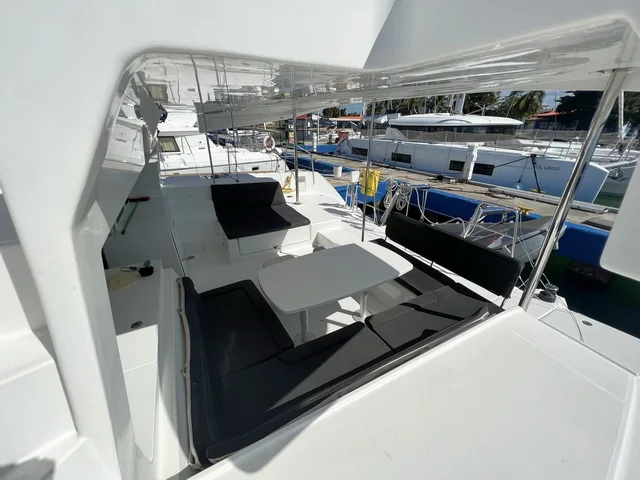
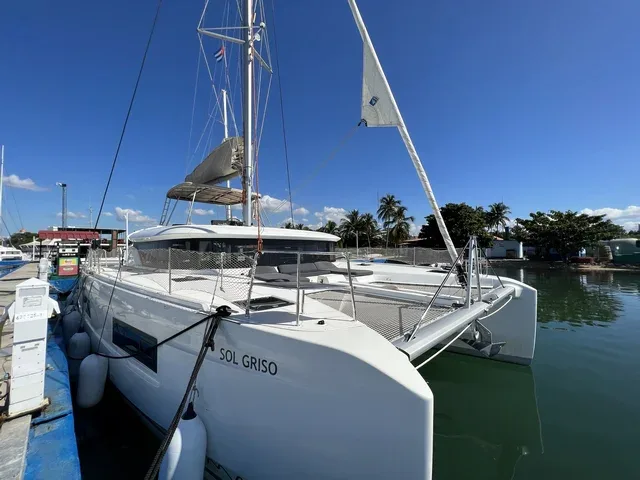
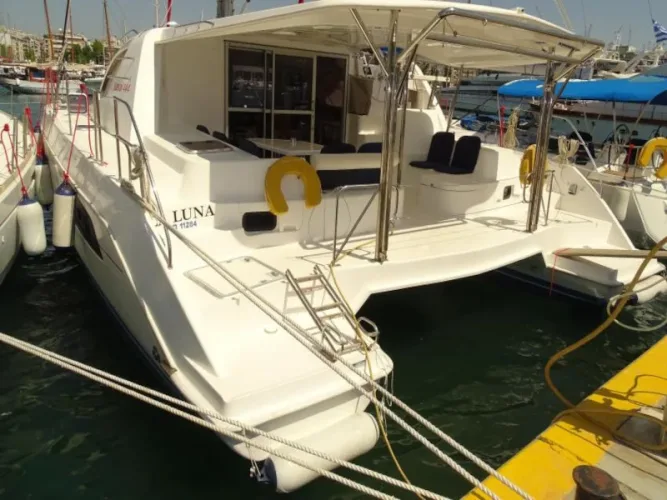
What is on offer in return is a 300-mile stretch of south-coast cays that almost nobody cruises: the Canarreos archipelago and Cayo Largo to the west, the Jardines de la Reina marine park to the east, and Cienfuegos — a UNESCO World Heritage city — as the base. All 14 of our boats are catamarans lying there, averaging 5.5 cabins, the highest in our catalogue. They also average a 2010 build year, the oldest of our Caribbean fleets, which is consistent with how hard parts and provisioning are to come by here. Plan to be self-sufficient: food, fuel and spares are all genuinely difficult.