Best Time to Sail the Adriatic Sea: Monthly Weather Insights
A month-by-month guide to sailing the Adriatic: when sea and air are warmest, which months bring reliable Maestral winds, and when crowds and charter prices peak.

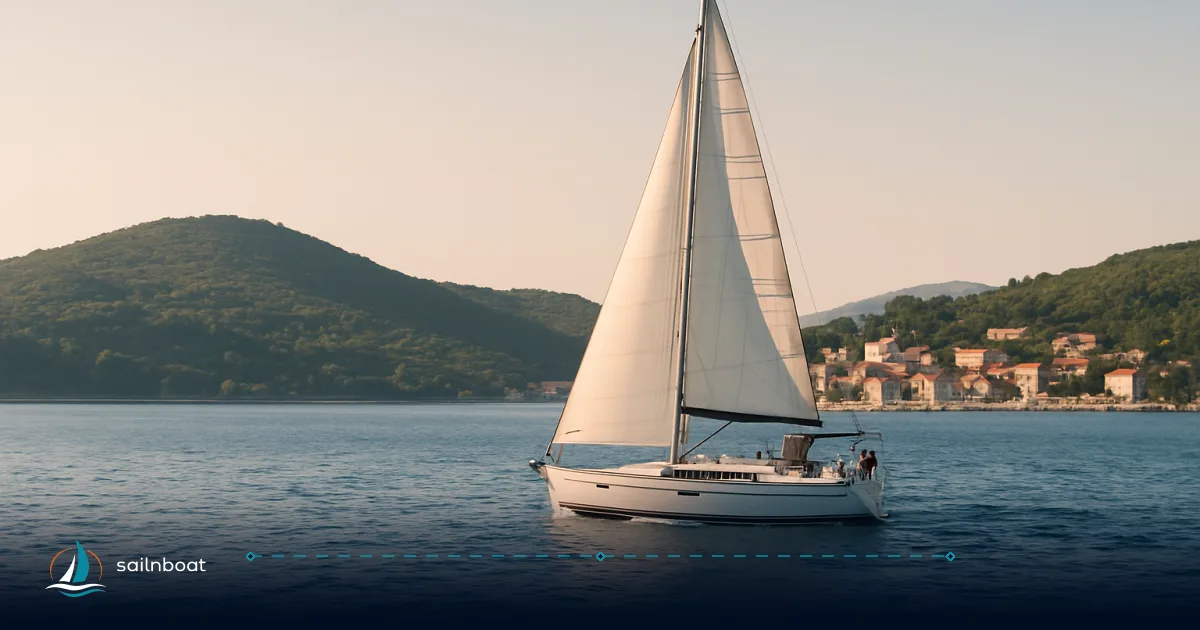
Aim for late May–early July or September if you want the best time to sail the Adriatic Sea: these months give warm water, reliable daytime Maestral breezes and far fewer boats and marina queues than mid‑July and August.
Monthly Weather Overview
The Adriatic varies from the cooler northern basin (Venice/Trieste) through the central Dalmatian coast (Split, Hvar) to the warmer south (Dubrovnik). Where a number can change by latitude, I give ranges and a representative coastal example to keep decisions practical.
Quick monthly table (central‑Adriatic reference: Split; north: Venice; south: Dubrovnik)
| Month | Air (daytime high, typical) | Sea temp (typical) | Daylight (approx, central) | Wind notes | Crowds / pricing |
|---|---|---|---|---|---|
| Jan | 8–12°C (cool) | 9–13°C (cold) | ~9 h | Bura events possible (gusty NE). | Off‑season: very low demand, limited services. |
| Feb | 8–12°C | 8–13°C | ~10–11 h | Still Bura-prone; unstable weather. | Off‑season. |
| Mar | 10–15°C | 12–15°C | ~11–12 h | Transition month; occasional Jugo or Bura. | Low demand; some charters begin reopening. |
| Apr | 14–18°C | 14–16°C | ~12–13 h | Maestral starts to appear on warmer days; variable. | Shoulder: moderate rates, good value. |
| May | 18–23°C | 16–20°C | ~14 h | Maestral becomes regular on many days, especially afternoons. | Shoulder: good balance of weather and price. |
| Jun | 22–27°C | 20–24°C | ~15 h | Reliable Maestral afternoons (NW); lighter night winds. | Prices rising toward peak. |
| Jul | 26–31°C | 24–27°C (often highest) | ~15 h | Daily Maestral often steady 10–20+ knots; excellent sailing afternoons. | Peak crowds and peak prices (marinas busy). |
| Aug | 26–31°C | 24–26+°C | ~14 h | Maestral continues but thermal patterns and local storms possible. | Peak: busiest month, highest charter rates. |
| Sep | 22–27°C | 22–25°C (warm) | ~12 h | Maestral still common early month; sea retains heat. | Shoulder: fewer boats, softer prices than July/Aug. |
| Oct | 17–22°C | 18–21°C | ~10–11 h | Bura returns more often; increased unsettled days. | Shoulder/early off‑season: good deals but shorter days. |
| Nov | 12–16°C | 15–18°C | ~9–10 h | Bura and Jugo events increase; rougher sea possible. | Off‑season: low demand, many bases close. |
| Dec | 9–13°C | 12–15°C | ~8–9 h | Winter winds (Bura) and storms; limited charters. | Off‑season: very limited services. |
Sources for representative coastal figures: Venice climatology and sea temps (northern Adriatic), Split climatology (central), Dubrovnik climatology (southern).
January–March
Expect cool air and cold sea; swimming is bracing and the sea surface reaches annual minimum in February–March in many spots. Bura events can appear with little warning; they produce high gusts and short, steep seas that challenge small yachts. Most charter fleets are reduced; if you plan an off‑season cruise, confirm base opening times and on‑call support.
April–June
Air and sea warm quickly in spring. By May you often have 16–20°C sea temps in central/southern spots and regular daytime Maestral breezes on sunny days; June is the transition into sustained summer conditions. Mooring and provisioning services scale up through May–June, but availability is still better than in peak months.
July–September
The classic sailing window. July–August provide the warmest air and sea (sea averages often >24–26°C along central–southern coasts), predictable daytime Maestral winds for comfortable reaching and close reaches, and the longest daylight. The trade‑off is full marinas, crowded anchorages and top charter rates; September preserves much of the weather with significantly fewer boats.
October–December
Temperatures fall and the Bura returns more often; Jugo episodes can bring prolonged rain and swell. Some charter operators run limited programs into October (good value), but by November services are sparse and many bases close for winter.
Crowd Levels and Pricing Trends
-
Peak season and demand: July and August are the busiest months for Adriatic tourism and yacht charter bookings — marinas and anchorages in popular areas can be full and last‑minute availability scarce. European tourism data and national statistics consistently show the summer peak in June–August, with July–August dominant.
-
Pricing pattern: Expect a strong seasonal arc in charter pricing — lower in April–May and October, rising through June and peaking in July–August. Aggregators and market indexes show average weekly charter rates climbing to their maximum in July–August and falling in September–October. If price or quieter anchorages matter, target late May–June or September.
-
Practical cost items to budget:
-
Base weekly charter fee varies widely by boat type and quality; mid‑range sailing yachts in Croatia commonly sit in the low‑to‑mid thousands of euros per week outside peak and rise significantly for premium models in July–August.
-
Advance Provisioning Allowance (APA) or “plus expenses” is a standard working float for crewed charters; on Mediterranean charters APA typically runs roughly 25–35% of the base charter fee (sailing yachts often toward the lower end). Factor this into your budget.
Understanding Adriatic Winds
The three winds you must read and respect: Maestral, Bura and Jugo. Each changes how you plan daily passages, where you anchor and when you cross open stretches.
Maestral (maestrale)
- What it is: a daytime NW thermal/sea‑breeze that develops over the Adriatic coasts in warm months when the land heats faster than the sea.
- When: most active late spring through early autumn; builds in the morning and commonly peaks in the afternoon (best sailing window for many coastal legs).
- How it affects you: reliable afternoon winds of 8–20+ knots give predictable reaching and pleasant sailing; mornings can be light, so plan harbour exits mid‑morning for the afternoon breeze.
Bura (bora / bura)
- What it is: a cold, dry, often violently gusty NE downslope wind that funnels off the Dinaric Alps onto the east Adriatic.
- When: more frequent Oct–Apr but can occur outside those months.
- How it affects you: rapid onset, strong gusts and short steep seas make it a hazard for exposed passages and marinas; shelter in lee bays and avoid narrow channels during strong Bura warnings.
Jugo (sirocco / jugo)
- What it is: a warm, humid SE wind (sirocco) that brings cloud, rain and long‑period swell from the south.
- When: episodic year‑round but notable in transitional seasons.
- How it affects you: prolonged Jugo can reduce visibility, increase swell in exposed anchorages and make berthing uncomfortable; allow extra fuel and avoid long open‑water crossings when a Jugo is forecast.
Best Months for Specific Preferences
-
Warm water sailing: July–August give the highest sea temperatures (central and southern Adriatic commonly >24–26°C). September is the compromise: still warm water, fewer boats.
-
Fewer crowds and better value: April–June and September–early October. You get many of the summer benefits (good winds, comfortable sea temps from May onward) without peak fees or full marinas.
-
Most reliable daytime winds for coastal sailing: June–September when Maestral patterns are strongest; afternoons often deliver the steady winds favoured for day‑leg planning. If you need consistent afternoon breeze for multiple cruising days, target June–early July or September.
Sailing Seasons in the Adriatic — tradeoffs
-
Shoulder season (April–June, September–October)
-
Pros: lower prices, lighter crowds, many services open, comfortable weather.
-
Cons: variable spring weather (April) and shorter days in October; some islands may have reduced services.
-
Best for: cost‑conscious crews who still want good sailing days.
-
Peak season (July–August)
-
Pros: warmest seas, plenty of marina services and runways for tourism businesses; very predictable afternoon thermal winds.
-
Cons: highest charter rates, busy anchorages and limited last‑minute berths.
-
Best for: swimmers and crews who prioritise hot summer conditions and don't mind crowds.
-
Off‑season (November–March)
-
Pros: lowest charter rates and empty anchorages.
-
Cons: limited fleet, many bases closed, shorter daylight and more frequent Bura/Jugo events; only for experienced crews who accept weather risk and reduced support.
Practical planning checklist for the month you pick
- If you want warm water with fewer boats: plan a week in mid‑September rather than late August. Sea temps remain high into September but marinas clear out and some operators discount unsold inventory.
- If you prioritise reliable afternoon wind for continuous daysailing: aim June–early July or the first half of September for sustained Maestral patterns.
- Budget tip: expect APA / plus expenses on crewed charters to typically be ~25–35% of the base fee and account separately for marina fees and national park charges where relevant. Ask for a line‑item estimate in advance.
- Watch local forecasts daily: the character of Bura and Jugo can change routes and shelter decisions fast — brief your watch teams on local forecasts and channel corridors before leaving harbour.
Plan your dates against these trade‑offs and book earlier for July–August; if you prefer warm water with a calmer crowd and better pricing, late May–early July or September is the operational sweet spot for most skippers and charterers.
Plan your sailing adventure in the Adriatic Sea today: match your priority (warm water / reliable winds / low crowds) to the months above, request a detailed APA estimate from your broker, and check the local Bura/Jugo forecast for your intended route before you cast off.
Frequently Asked Questions
Sea-surface averages rise from ~9–14°C in winter (Jan–Mar) to 23–26°C in July–August; coastal air highs typically run 8–16°C in winter, 18–26°C in spring/autumn and 26–30°C at peak summer, with regional variation between northern (cooler) and southern (warmer) coasts. (Examples: Venice, Split, Dubrovnik climatologies.)
Crowds and charter rates peak in July–August; shoulder months (May–June, September–October) see lower prices and fewer boats while still offering warm water and good services; November–March is off‑season with the lowest rates but reduced services.
Maestral (maestrale) is a daytime NW sea-breeze common in summer that builds through the morning and peaks in the afternoon; Bura (bora/bura) is an often violent, cold NE downslope gust active mainly Oct–Apr; Jugo (sirocco) is a warm, humid SE wind that can bring prolonged rain and swell.
Warmest sea temperatures are typically July and August (sea averages often above 24–26°C along central–southern coasts), with September holding good residual warmth but fewer crowds.
Shoulder (Apr–Jun, Sep–Oct): milder prices, good services and increasingly reliable winds; Peak (Jul–Aug): warmest water and most reliable daytime Maestral but highest crowds and prices; Off‑season (Nov–Mar): lowest demand, possible Bura events and limited charter services.
Written by
Sailnboat Editorial
The Sailnboat editorial desk covers yacht and boat chartering worldwide — routes, bases, seasons, boat types, paperwork and the practical costs that decide a trip. We are a charter marketplace, not a boat owner or a local agency: what we sell is judgement and support, so our guides are written to help you make a decision, not to sell you a specific boat. Every guide is checked against live operator and marina data before it goes out.
Fact-checked against live operator and marina data, and published under our editorial standards. Last reviewed: .