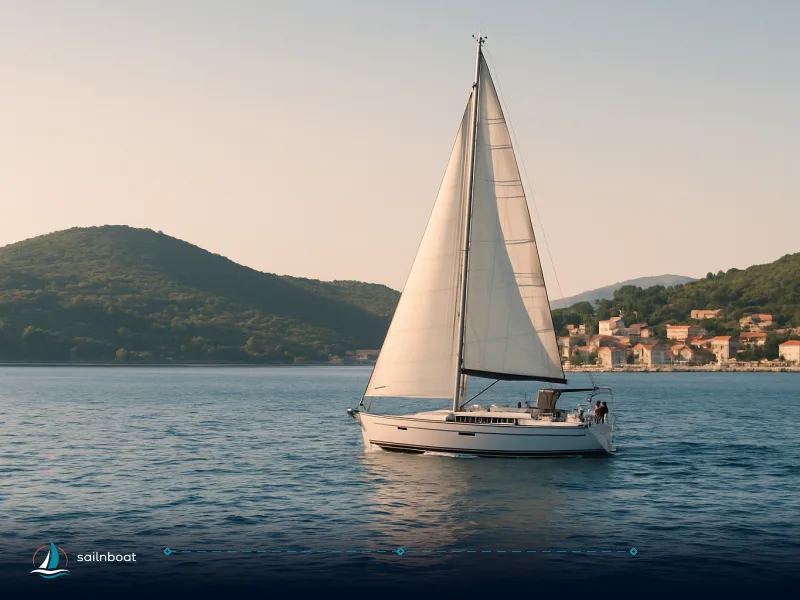
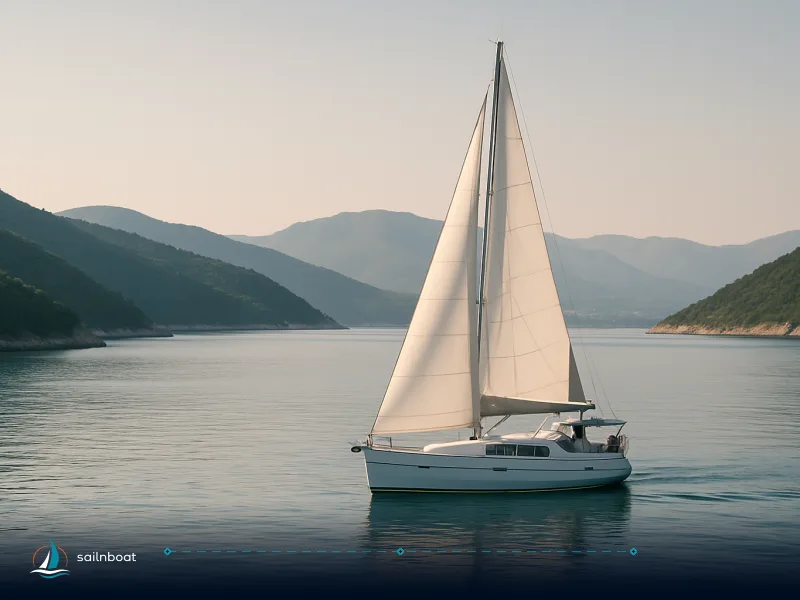
Where to Sail in June: Hidden Gems of the Adriatic Coast
June is the sweet spot for Adriatic sailing: warm water, reliable afternoon maestral and far fewer crowds. This guide picks five lesser-trafficked areas—Istria, Brač, Kornati, Krk/Cres and Dubrovnik—and gives you the practical details you need to plan a week or two afloat.

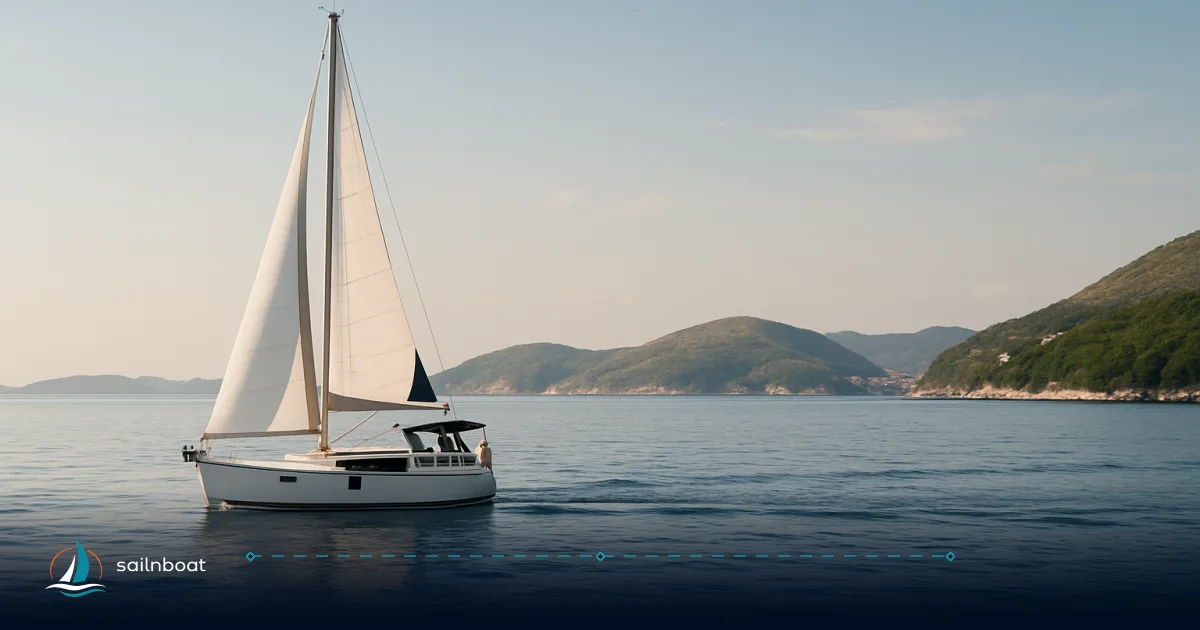
If you sail June along the Adriatic you get warm water, reliable afternoon maestral and far fewer day‑trip crowds than in July–August — the best weather window for exploring quieter anchorages and national‑park coves. This guide lists the Adriatic’s lesser‑trafficked destinations that reward a June cruise, the practical sailing conditions to expect, and the operational details you need to plan a safe, comfortable trip.
Best Hidden Sailing Destinations in the Adriatic for June
Below are five focused places where June gives you a real advantage: earlier season calm, cooler marinas, and anchorages that feel private until high summer.
Istria: A Blend of Venetian Charm and Mediterranean Flavors
Why go: Northern Adriatic towns like Rovinj and Pula combine Venetian architecture, working harbours and short hops between sheltered bays — ideal if you want culture ashore between sails. Rovinj’s old town and Pula’s Roman arena (Pula Arena) are compact visits from a nearby marina.
What to expect afloat: Sheltered anchorages and well‑equipped marinas (Poreč, Rovinj, Pula). In June the north Adriatic is slightly cooler than Dalmatia, so plan one more layer for evenings. Use local charts: the north can have narrower channels and stronger tidal influence near the Istrian ports.
Operational notes:
- Base options: Pula or Rovinj for west Istria; towns are good provisioning points.
- Mooring: town quays are common; expect charter‑base check‑in typically between mid‑morning and early afternoon, though exact times vary by operator and base. Confirm your berth width for catamarans — many older town quays are tight for wide beams.
- Food & wine: Istria’s restaurants lean Italian — plan a shore stop for truffle or seafood tasting season menus.
Brač Island: Secluded Bays and Ancient Ruins Accessible Only by Boat
Why go: Brač combines the famous Zlatni Rat (Bol) with numerous smaller coves and ruins along the south and west coasts that are easiest to reach by dinghy or tender. Arrive early and you’ll often have the quieter coves to yourself before dayboats show up.
Highlights and anchoring:
- Zlatni Rat (Golden Horn): the spit is best viewed from the water; it changes shape with currents and maestral wind. Tourist traffic peaks later in summer — in June mornings and late afternoons are quieter. Use the official swim‑zones and watch for windsurfers near the tip.
- Hidden coves: the south and west sides of Brač have pebble and rocky coves suitable for dive stops and protected overnight anchoring in settled weather. Bring a dinghy for shore access; many small bays have no quay.
Trade‑offs: Brač’s popularity (due to Zlatni Rat) means parts of the island can be busy by midday — pick smaller bays for quieter nights and expect limited services away from Bol.
Kornati National Park: A Sailor's Paradise with Over 140 Islands
Why go: The Kornati archipelago (roughly 140–150 islands/islets depending on counting) is raw, low, and almost entirely marine — June gives you calm seas, crystal water and a higher chance of claiming a mooring buoy before summer peaks. The National Park itself includes 89 islands/islets within the protected area.
Practical details (decision‑grade):
- Park access and fees: Kornati charges tickets per boat (not per person) and fees depend on boat length and season; advance purchase is strongly recommended because on‑the‑spot rates are significantly higher. For a typical 11–18 m yacht, a single‑day ticket bought in advance is in the low‑double‑two‑digit / low‑three‑digit euro range in high season (prices rise in July–August). Book through the park or approved portals.
- Moorings: the park runs official buoys in popular bays and many restaurant tavernas offer guest moorings. Buoy space is limited — prebook when possible.
- Navigation & holding: seabeds vary (rock, sand, posidonia). Avoid anchoring in seagrass meadows where moorings are provided; depth can vary quickly near the islands — use local charts and a depth sounder.
Why June works: fewer boats competing for buoys and calmer seas make the Kornati loop feasible without the high‑season crowds.
Krk and Cres Islands: Northern Adriatic's Hidden Gems
Why go: Krk and Cres (the two largest Adriatic islands by area) deliver a quieter northern Adriatic experience — wooded coves, birdlife and off‑season coastal villages. Cres contains freshwater Lake Vrana and some high ridges that give good viewpoints ashore.
Operational highlights:
- Best bases: Rijeka or the Krk bridge area; a charter from Krk or nearby mainland marinas shortens repositioning legs.
- Anchorages and access: expect protected bays on the western sides; many small harbours have provisioning and seasonal restaurants open from June onwards.
Trade‑off: the north can experience stronger bora gusts funneling through channels — watch forecasts.
Dubrovnik's Secluded Beaches: Accessible by Boat
Why go: The Dubrovnik region and nearby Elaphiti islands (Šipan, Lopud, Koločep) and the Lastovo/Vis groups offer coves that see far fewer visitors in June. Many of the nicest beaches require a tender, short swim or a short walk from a small quay. Lopud’s Šunj is a sand rarity and is usually reached by boat or the island shuttle. Sveti Jakov and Betina Cave beach are smaller shore beaches that feel secluded compared with the city beaches.
Tips:
- Elaphiti day runs: plan half‑day or full‑day trips; private speedboats and water taxis operate from Gruž.
- Lastovo and Vis are further afield but quieter — Lastovo’s Skrivena Luka is a classical protected anchorage with limited shore services; June gives you calm anchorages and early‑season quiet.
Weather Conditions for Sailing in the Adriatic in June
Typical Weather Patterns
- Air temperature: coastal daytime averages typically sit in the low‑20s °C (roughly 20–25°C) across central and southern Dalmatia in June; the north is slightly cooler. Sea surface temperatures are commonly low‑20s °C by June, comfortable for swimming.
- Winds: the summer maestral (a north‑westerly thermal sea breeze) is the dominant, predictable daily wind — it commonly fills by mid‑late morning and peaks in the afternoon around 10–20 knots before easing at sunset. The bora (bura) can still appear, especially in the north, as a gusty land‑driven wind; when it blows it can be strong and abrupt. Plan around both patterns.
Best Times to Sail (practical rhythm)
- Depart early (08:00–10:00): motor out in gentler winds and arrive to your next anchorage before the maestral builds.
- Sail afternoons with the maestral on the beam or broad reach for comfortable progress; pick sheltered bays if the breeze freshens beyond comfortable angles.
- Check local short‑range forecasts daily and observe pressure changes — the maestral is a thermal; a sudden drop or cloud over the land can indicate an oncoming different wind pattern.
Advantages of Sailing in the Adriatic in June
Fewer Crowds
- Many day‑boat and ferry services ramp up in late June and July; in early–mid June you’ll find quieter anchorages, easier restaurant reservations and fewer marina lines. That means better options for mooring buoys in parks and more space to anchor off a beach.
Local Events and Festivals
- June often has local village festivals, early music events and wine or truffle weekends in Istria. These are regionally distributed and dates vary year to year; they’re a good reason to add shore time to your plan and to sample local menus that open fully with the tourist season.
Sailing Conditions in the Adriatic in June
Navigational Tips
- Charts & depth: use up‑to‑date electronic charts and a paper backup. Near many small islands seabeds change quickly — keep a prudent under‑keel clearance and watch your charted depth sounder. Avoid anchoring in seagrass meadows (protected posidonia); use official moorings where provided.
- Watch for local hazards: submerged rocks around narrow passes and strong gusts in funnels (bora) are real hazards; if unfamiliar, pick lee anchorages and enter during daylight.
- Typical leg lengths: one‑week charters average 70–120 NM total with daily hops commonly 10–30 NM, so plan fuel and timing accordingly. Longer repositioning to/from Kornati or Lastovo may require longer passages; allow contingency fuel.
Mooring and Fees
- Marinas: expect wide variance. For a 12–13 m boat in Croatian marinas, high‑season rates can vary widely by location and marina; central hotspots such as Split, Dubrovnik or premium marinas will sit at the top end of the range. June often sits below peak July/August rates. Add electricity/water and tourist taxes on top.
- National‑park fees (Kornati example): Kornati charges per boat with tiered pricing by boat length and season; advance online tickets are noticeably cheaper than purchasing at the ranger station. Expect a material additional cost if you intend to overnight on park buoys — buy early, particularly for June weekends.
Secluded Bays and Beaches Accessible Only by Boat
Top Secluded Spots (decision‑grade list)
- Stiniva (Vis): the cove’s narrow entrance and steep cliffs make the beach feel remote; most visitors arrive by boat and the land path is steep. Arrive early or late for the best privacy.
- Skrivena Luka and smaller bays (Lastovo): deep fjord‑like bays and small islets make Lastovo a top June choice for quiet anchoring and night skies. Expect limited shore services — provision at your last major port.
- Šunj (Lopud) and small Elaphiti coves: Šunj is a sandy, sheltered bay most conveniently reached by boat or a short walk across Lopud from the ferry; the Elaphiti chain has dozens of small swim stops best sampled by tender.
- Small coves on Brač and Cres: choose lesser‑visited inlets for quiet swims; bring a dinghy to access rocky beaches and ruins ashore.
Planning Your Route
- Flex the plan: build a three‑to‑four‑day buffer for bad weather or a long lunch ashore. Aim for shorter daily hops (10–25 NM) if you want time for snorkeling and hikes.
- Fuel and provisions: fuel up at major bases (Split, Zadar, Šibenik, Dubrovnik) — many smaller marinas and bays lack fuel facilities. Stock fresh produce in larger towns the same day as you depart into remote archipelagos.
- Park bookings: reserve Kornati buoys and any managed moorings in Lastovo or Mljet early — June weekends are increasingly busy.
Quick comparison table: hidden‑gem snapshot
| Destination | Why June | Typical wind/exposure | Mooring / anchoring notes | Best base (approx.) |
|---|---|---|---|---|
| Istria (Rovinj, Pula) | Cooler evenings, culture ashore | Generally mild; local sea breezes | Town quays & marinas; good provisioning | Pula / Rovinj |
| Brač (Bol, coves) | Early‑season access to Zlatni Rat + quiet coves | Maestral afternoons; sheltered bays west/south | Town quay in Bol; many anchorable coves | Split (~18–22 NM to Bol). |
| Kornati NP | Fewer boats for buoys; prime snorkel water | Open water, reliable maestral in afternoons | Park buoys (book early); park ticket per boat | Šibenik / Zadar (book buoys). |
| Krk & Cres | Northern island tranquillity, hikes | Cooler; possible bora gusts | Town marinas and small anchorages | Rijeka / Krk bridge |
| Dubrovnik / Elaphiti / Lastovo | Secluded beaches and sand at Šunj | Maestral in day; local lee anchorages | Small harbours; protected bays; some water taxis | Dubrovnik (Gruž). |
Final checklist before you cast off in June
- Buy Kornati/park tickets in advance if you plan to visit buoys; expect per‑boat charges that rise in high season.
- Plan daily legs to finish before the maestral peaks (arrive by early afternoon to claim anchor/berth).
- Budget for marina mooring in June for a 12–13 m boat; rates vary widely by marina and location, with higher prices at premium marinas and on holiday weekends.
- Pack for light variability: a warm layer for evenings, reefing sails if gusts arrive, and a reliable depth sounder plus up‑to‑date charts.
- Bring cash for small restaurant moorings and buoys — some buoys and fish‑konobas prefer cash, and on smaller islands card machines canbe unreliable — carry some cash.
Before you cast off, finalise the charter admin and inventory: check‑in is commonly mid‑morning (many bases open handovers from around 09:00, but times vary), and the base will run through a walk‑around and engine demonstration, confirm safety equipment, and record fuel level and inventory. Bring photo ID and the charter contract signed by the person on the booking, plus whatever qualification the operator requests; many companies and ports in the region commonly ask to see an internationally recognised skipper certificate (the ICC is widely recognised but not universal) and often a VHF operator certificate (SRC or equivalent) is requested by some operators. Missing paperwork can affect liability or the way claims are handled, so clarify requirements with your operator before departure.
Money and deposits: be prepared for a security deposit (blocked on card or paid in cash) — in practice many charters block a few thousand euros depending on boat size; some operators prefer a Damage Waiver/Reduced Deposit option for an extra fee. The APA/payments for crew‑run skippered charters are often around 20–30% of the charter fee to cover fuel, provisioning and marina costs — practices vary by operator and country, so budget accordingly.
Fuel and technical notes: confirm the fuel policy (return full, pay per litre, or prepaid allowance) and where the nearest fuel pontoons are for your route — major bases (Split, Zadar, Pula, Dubrovnik) have fuel stations; small island marinas may not. Keep an eye on battery state when using shore power in remote anchorages; many small konobas and buoy moorings don’t provide shore power. Carry an adequate anchor rode — 70–80 m is common for secure anchoring in mixed bottom types, and always leave extra scope in exposed winds.
Safety and environmental practice: avoid anchoring in seagrass (posidonia) where moorings are provided; use official buoys in national parks and respect marked swimming zones. Watch for sudden bora gusts in the north and squalls in transitional weather; if you’re uncertain about a passage or an approach, choose a lee harbour and arrive in daylight.
A simple two‑week sample itinerary (decision‑grade)
- Day 1–2: Base to Brač (Bol), morning arrival, swim off Zlatni Rat, overnight in Bol quay.
- Day 3–4: West coast coves of Brač, explore ruins and secluded bays.
- Day 5–7: Sail to Šibenik gateway, loop Kornati (prebook buoys) with snorkel stops and one night on a park buoy.
- Day 8–10: North toward Zadar/Rijeka with detours to Cres/Krk for sheltered anchorages and quieter harbours.
- Day 11–14: Finish southbound (if timeframe allows) around Split and Dubrovnik’s Elaphiti; allocate a day for Lastovo or Vis if you want deeper solitude.
Trade‑offs you’ll manage: June gives quieter anchorages and more predictable maestral sailing but some seasonal services (small island restaurants, linesmen at buoys) may only be fully operational from mid‑June onwards; conversely, later June weekends can begin to look like low‑season summer traffic. Balance your desired solitude against services you need (fuel, provisioning, restaurants).
If you want help turning this into a tailored route — accounting for your boat’s draft, crew experience, and where you want to sleep ashore — plan your June sailing adventure in the Adriatic today.
Frequently Asked Questions
Istria (Rovinj/Pula), Brač (Bol and back‑bay coves), the Kornati archipelago, the northern islands Krk and Cres, and Dubrovnik’s Elaphiti and Lastovo/Vis anchorages.
June typically brings 20–25°C daytime air temperatures, sea temperatures in the low‑20s °C, and a reliable afternoon maestral sea breeze that often peaks around 10–20 knots.
You get lower berth fees in many marinas, quieter anchorages and restaurants, easier access to popular spots early in the morning, and more predictable daily sea‑breeze sailing.
Stiniva (Vis), many coves in the Lastovo archipelago, secluded Elaphiti coves (around Lopud/Šunj) and numerous small inlets on Brač and Cres are best reached by dinghy or tender.
Expect thermal maestral filling late morning and easing at sunset—plan departures early; watch for sudden bora gusts in the north; use up‑to‑date charts and book national‑park moorings in advance.
Written by
Sailnboat Editorial
The Sailnboat editorial desk covers yacht and boat chartering worldwide — routes, bases, seasons, boat types, paperwork and the practical costs that decide a trip. We are a charter marketplace, not a boat owner or a local agency: what we sell is judgement and support, so our guides are written to help you make a decision, not to sell you a specific boat. Every guide is checked against live operator and marina data before it goes out.
Fact-checked against live operator and marina data, and published under our editorial standards. Last reviewed: .