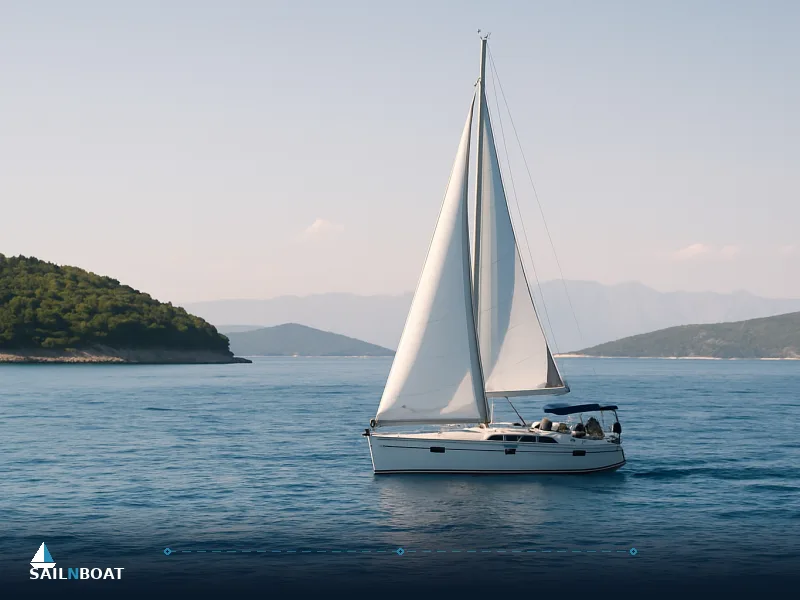
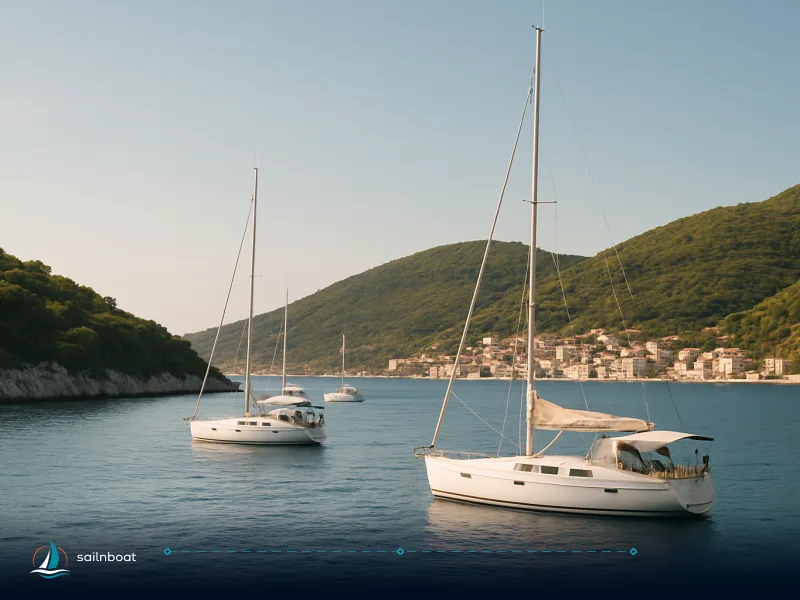
A Week Sailing the Hidden Gems of the Gulf of Kvarner
A compact seven-day Gulf of Kvarner sailing itinerary that balances short hops (total ~93 NM), sheltered anchorages and practical mooring and provisioning advice for an easy, low‑stress cruise.


Sail a compact seven-day loop through the Gulf of Kvarner that keeps daily passages short (6–22 NM) and stacks full-service marinas with peaceful anchorages so you spend evenings ashore in small taverns, not underway. This gulf-of-kvarner sailing plan totals about 93 nautical miles and is geared to experienced skippers who want quiet bays, short hops, and straightforward logistics.
Day-by-Day Sailing Itinerary
Below is a practical, decision-ready day plan. Distances are nautical miles (NM) and are calculated as typical passage lengths between the mooring points shown; tides are negligible in the Adriatic but local set and current in narrow channels can matter.
| Day | Route | Distance (NM) | Primary mooring(s) | Typical fee note |
|---|---|---|---|---|
| Day 1 | Opatija → Krk (Punat) | approx. 20 NM | Marina Punat / Punat town quays | Marina berths in Kvarner commonly priced per metre; budget for peak‑season rates. |
| Day 2 | Krk → Cres (Cres town / ACI Cres) | 15 NM | ACI Cres / town quays | ACI marina facilities available in Cres; book ahead in July–Aug. |
| Day 3 | Cres → Lošinj (Mali Lošinj) | 10 NM | Marina Lošinj / Mali Lošinj riva | Lošinj has a full marina with shore services and a published tariff structure. |
| Day 4 | Lošinj → Unije | 8 NM | Unije harbor / moorings or anchor | Unije offers a small communal harbour and a few mooring buoys; services are limited. |
| Day 5 | Unije → Susak | 6 NM | Susak harbour / buoy field | Susak has a modest harbour and buoy field; expect simple facilities and seasonal staffing. |
| Day 6 | Susak → Rab | 12 NM | Rab town marina / quay | Rab town provides mooring alongside town quays and marina berths; reserve in high season. |
| Day 7 | Rab → Opatija | 22 NM | Opatija/ACI Ičići or local harbour | Opatija/Opatija area marinas handle check-ins/returns; plan extra time for charter handover. |
Total estimated distance: 93 NM (sum of legs above). Use the table to decide whether to shorten legs (for more time ashore) or add a midway swim stop—many of these crossings can be split further by using small bays along Cres and Krk.
Day notes and tactical tips
- Day 1 (Opatija→Punat): The passage is exposed to open water; plan to depart with a NW/maestral or calm conditions. Punat is a common charter base with full provisioning and ship’s services—use this night to top up the galley.
- Day 2 (Punat→Cres): Approaching Cres town gives sheltered water; ACI Cres has fuel and services but fills quickly in July/Aug—reserve a berth.
- Day 3 (Cres→Mali Lošinj): Short hop, but the channel can gust with bura; keep a lee plan and consider the approach to Mali Lošinj’s inner bay if bura is forecast.
- Days 4–5 (Lošinj→Unije→Susak): These islands are quieter and often have local buoys or simple harbour moorings; services and opening hours are typically seasonal—top up water and fuel before you commit to long anchorages.
- Days 6–7 (Susak→Rab→Opatija): Rab’s town quays are convenient for dining ashore; the final leg to Opatija is the longest single day—start early if you have to return the yacht by a set time.
Mooring Options and Fees
Overview of Mooring Facilities
Mooring types you will use:
- Full-service marinas (Marina Punat, Marina Lošinj, ACI Cres): electricity/water, fuel, showers, crane/yard and tourist services.
- Municipal harbours / town quays: cheaper but limited shore power and variable depths.
- Buoy fields / local muring fields: common around the smaller islands; typically staffed seasonally and charged by the harbour authority.
- Anchorages: many shallow, sandy or rocky bays on Cres and Lošinj where overnight anchoring is routine; watch for protected areas or local restrictions.
How fees are commonly charged
- Most full-service marinas in Kvarner publish tariffs per metre per night; regional examples show typical per-metre daily rates in the €6–€12/m range depending on the marina and season. For a 12–14 m charter that generally translates to a realistic nightly budget range rather than a single fixed sum.
- Buoy fields and municipal moorings frequently charge a flat nightly rate; recent regional guides and harbour tariffs place single-night mooring buoy costs commonly in the €45–€75 band during high season. Expect electricity/water extra and some harbours charging an arrival/departure mooring fee.
- Harbor authority tariffs vary by jurisdiction and are often split by vessel length bands; utility usage (electricity, water) may be metered or charged as a flat supplement. Check the local “Lučka uprava” tariff for the port you plan to use.
Reservation strategy
- Reserve marinas in July–August at least several weeks in advance; during May–June and September many places accept walk-ins.
- For small islands that manage buoys municipally, phone or ask your home base to make reservations where possible—some buoys are first-come-first-served even in peak season. Use a mix of pre-booked marinas and ad hoc anchoring to stay flexible.
Weather Patterns and Sailing Conditions
Best Times to Sail
- The practical sailing season in Kvarner runs late May through mid‑September. Late May–June and September give the best balance of warm temperatures, fewer crowds and steadier sailing winds. July–August is warmer but busier.
- Afternoon maestral-type sea breezes (north‑west) commonly fill in the afternoon in summer and provide reliable 10–18 kt sailing conditions on many days.
Weather considerations and local wind hazards
- Bura (bora) is the defining hazard: a cold, katabatic NE wind that can develop rapidly, channel strongly through gaps and produce violent gusts and short seas, especially in the Velebit channel and around Krk–Cres channels. Bura typically blows offshore (from land to sea), so sheltered bays on the lee side of islands are the safe option when it comes up. Monitor forecasts closely and avoid exposed overnight anchorages when bura is forecast.
- Jugo (SE) brings heavier swell and rain when it arrives; it often precedes frontal systems. The local pattern can change quickly; check a reliable maritime forecast the morning you depart and again mid‑day.
- Practical rule: if an authoritative forecast predicts sustained bura or gusts above gale force for your planned channel, delay passage and move to a sheltered bay or marina until the wind eases.
Secluded Islands and Tranquil Bays
This route favours quieter spots rather than busy tourist marinas. Highlights and where to anchor/moor:
- Krk (Punat / bays near Pila): Punat is a good logistical base; nearby protected bays offer simple anchorages for an afternoon swim. Punat has a large marina with full services.
- Cres: Western and southern Cres have smaller coves with clear water; Cres town bay is sheltered and has marina services. Consider bays such as Valun and the less-visited Punta Križa area for anchoring.
- Lošinj (Mali Lošinj): the inner bay around Mali Lošinj provides protection from bura and has shore restaurants and good provisioning. The island also offers quieter coves on the south coast for overnight anchoring.
- Unije: small, low‑traffic island with a communal harbour and tidy pebble beaches; good for a relaxed night ashore and short walks. Services are basic and often seasonal.
- Susak: distinctive for its sandy islet and beach culture; moor in the small harbour or on local buoys and stroll the compact village—quiet outside peak weeks. Moorings are managed locally and capacity is limited.
- Ilovik (if you choose to nip across from Lošinj): tiny and calm, with a handful of restaurants and a small shop—an easy lunch stop if you need a break from longer legs.
Anchor and mooring advice
- Use marinas where you need water/fuel/troubleshooting; use municipal buoys or anchorages to get quiet nights.
- When anchoring, pick sand or mixed sand/posidonia where permitted; use adequate scope (5:1 or more) and be ready to re-anchor if wind shifts with bura.
- On small islands, expect mooring instructions from locals; tie stern-to where required and keep a small bow anchor ready for a quick med‑mooring.
Provisioning and Dining Options
Local markets and stores
- Punat: multiple grocery outlets and a marina-adjacent supermarket (local Trgovina systems) provide full provisioning including fresh produce, bakery and deli counters—ideal for your first major stock-up.
- Cres town: has supermarket options, local fish markets and bakeries; ACI Cres area gives easy access to fuel and supplies.
- Mali Lošinj: offers a marina supermarket, fuel and a larger town selection—use it to refill water and buy fresh seafood and vegetables.
- Unije / Susak / Ilovik: very limited shops; opening hours are seasonal and small shops sell basics (bread, canned goods, cold cuts). Plan to pick up larger items before you leave a main island.
Dining recommendations (practical)
- Favor local konobas (family-run taverns) in Cres and Mali Lošinj for seafood and island specialities; in smaller harbours like Susak and Unije you’ll find simple beachside restaurants—arrive early in high season to secure a table.
- If you rely on dietary staples or particular brands, order a provisioning delivery to your start marina in advance; provisioning services operate in the Kvarner and can deliver to the boat before handover.
Tips for a Successful Sailing Experience
Pre‑Departure checklist (practical essentials)
- Navigation: up-to-date electronic charts and a paper chart of the Kvarner; pilot book or notes for narrow passages.
- Communications: VHF (SRC or equivalent often requested by charter companies) and a charged mobile with roaming; download local marine forecasts and GRIBs.
- Safety & spares: dinghy pump/patch kit, basic engine spares, extra lines and fenders, hand‑held VHF, personal PLBs for offshore legs.
- Documents: passports, charter contract, skipper’s license/certificates your charter company asks for (many firms request an internationally recognised certificate or proof of experience—requirements vary). Confirm required qualifications with your operator before travel.
- Cash: small harbours may accept cash only for buoy or harbour fees.
Onboard etiquette and responsibilities
- Crew roles: assign lines/fenders/anchor watch tasks before arrival to a harbour; single‑handed manoeuvres are harder in gusty bura.
- Mooring and anchoring practice: approach quays slowly, keep a short spring line ready, and pass control commands clearly; in crowded quays take a crew ashore to help with shorelines.
- Waste and fuel: dispose of blackwater and waste according to local rules—many marinas charge a one-off waste reception fee and do not allow discharge in bays.
Final note on contingencies
- Check the latest marine forecast each morning (and before every channel crossing). If a strong bura is forecast for the day, adapt: shorten legs, move to a protected bay, or choose a marina berth on the lee side.
- Mooring fees, opening hours and buoy availability change seasonally and by port authority; build a small contingency budget for unexpected berthing or marina services.
Plan your sailing trip to the Gulf of Kvarner now. With short, flexible passages, a mix of marinas and quiet anchorages, and a little forethought about provisioning and wind, this seven‑day loop delivers relaxed evenings ashore and an approachable sailing rhythm.
Frequently Asked Questions
A practical loop: Opatija → Krk (Punat) → Cres (Cres town) → Lošinj (Mali Lošinj) → Unije → Susak → Rab → Opatija, covering about 93 NM with short, manageable daily legs.
Options range from full-service marinas (Punat, Mali Lošinj, ACI Cres) to municipal harbours and buoy fields; marina rates commonly follow a per-metre daily model (€6–€12/m/day typical in the region) while buoy fields often cost in the €45–€75/night band for a single boat in high season.
Late May–September is the sailing season; expect reliable afternoon maestral breezes (10–18 kt) but plan for katabatic bura (NE) gusts that can be strong in channels and near the mainland—check forecasts and plan sheltered anchorages when bura is predicted.
Smaller islands like Unije, Susak and Ilovik, plus sheltered bays on Cres and Lošinj, offer tranquil anchorages and short walks ashore; they are quieter than the main tourist towns but have fewer services.
Major stops (Punat, Cres town, Mali Lošinj, Rab) have supermarkets and markets (for example, local Trgovina/market stores at Punat) and a selection of konobas and restaurants; the smaller islands have limited shops and seasonal opening hours—plan main provisioning at your first full-service stop.
Written by
Sailnboat Editorial
The Sailnboat editorial desk covers yacht and boat chartering worldwide — routes, bases, seasons, boat types, paperwork and the practical costs that decide a trip. We are a charter marketplace, not a boat owner or a local agency: what we sell is judgement and support, so our guides are written to help you make a decision, not to sell you a specific boat. Every guide is checked against live operator and marina data before it goes out.
Fact-checked against live operator and marina data, and published under our editorial standards. Last reviewed: .