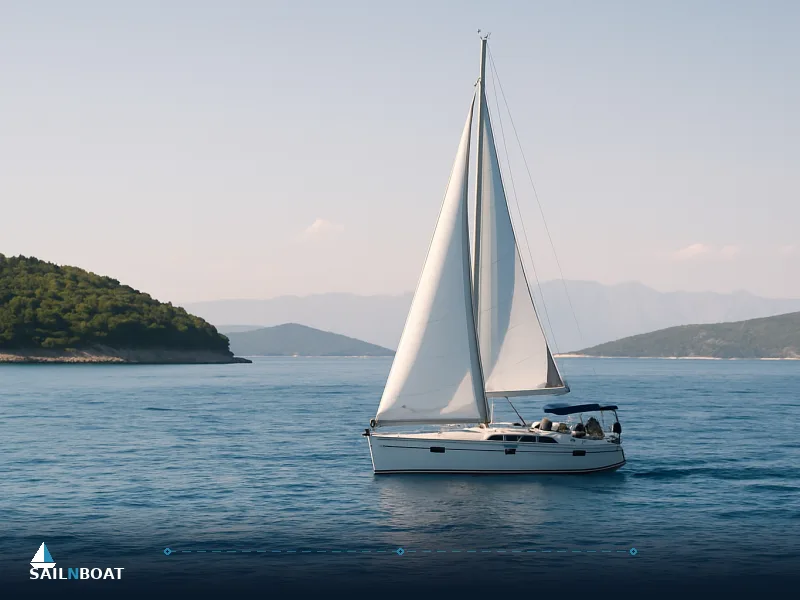
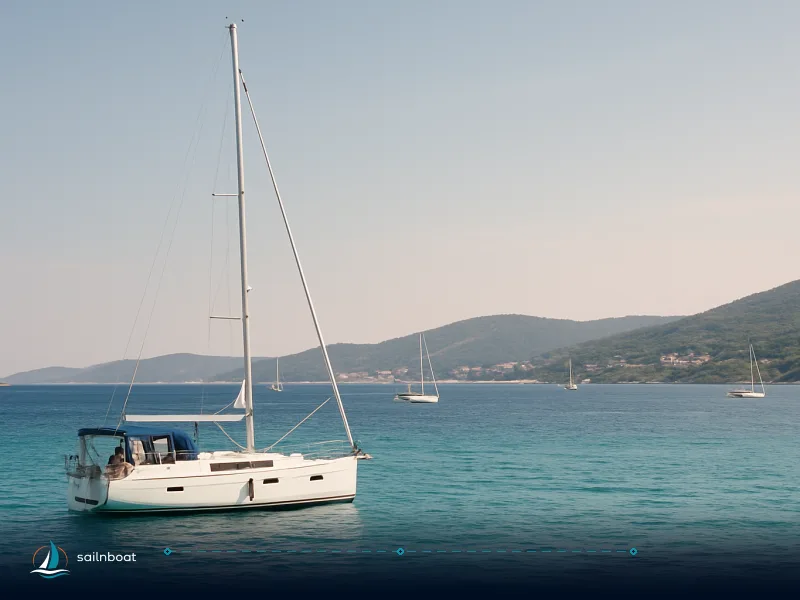
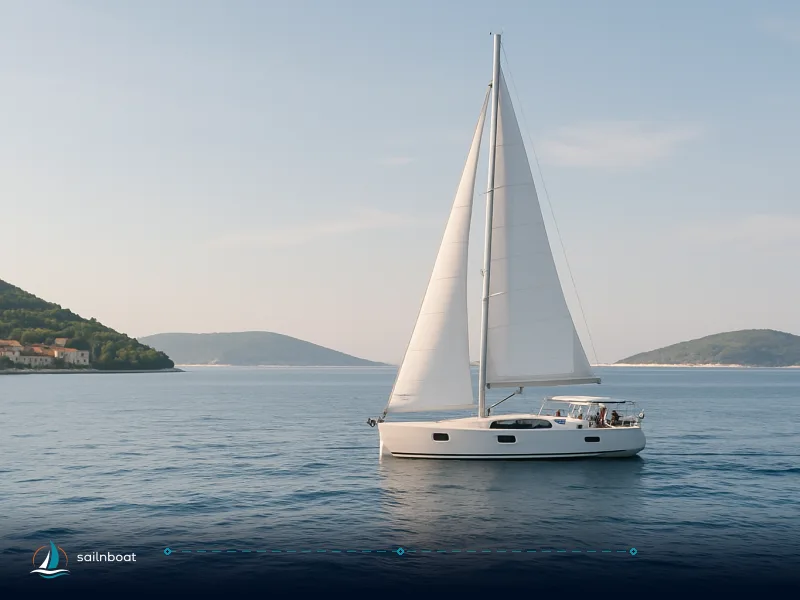
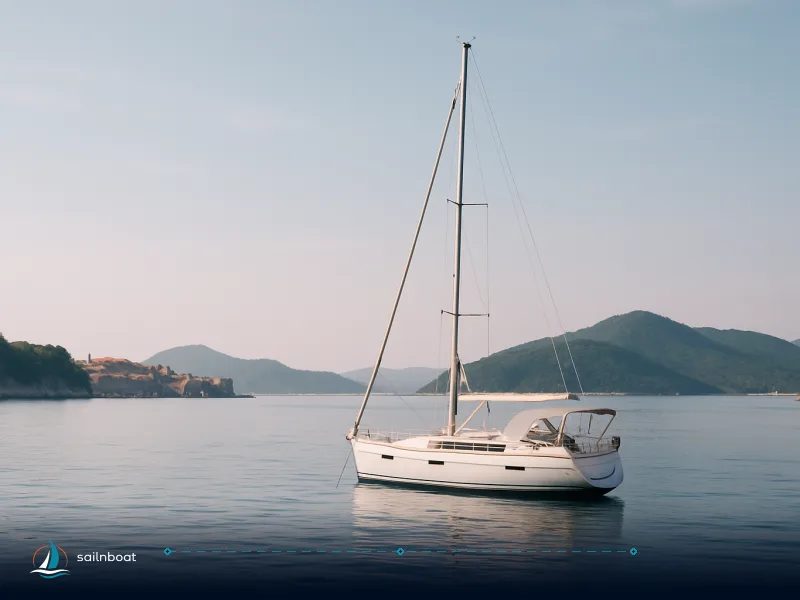
7-Day Split to Dubrovnik Sailing Route: Discover the Dalmatian Coast
A practical, decision-ready 7-day Split to Dubrovnik sailing route covering daily distances, mooring options, weather windows, park fees and the licence checks you must pass at handover.

The one-way Split to Dubrovnik sailing route is typically a 7-day, 120–140 nautical-mile island hop that gives you short, manageable passages (10–30 NM/day), two major ACI marinas at bookends and a mix of protected anchorages and town quays in-between.
Day-by-Day Itinerary Overview
Below is a practical, crew-focused 7-day plan that keeps single longer offshore days few and gives afternoons ashore. Distances are expressed as a working range — tidal routing, exact berth location and your chosen route through channels change the final mile count. Most charter companies publish similar legs and total ~120–140 NM for the Split→Dubrovnik corridor.
| Day | Route | Distance (NM) | Est. sail time (6–8 kn) | Overnight / notes |
|---|---|---|---|---|
| Day 1 | Split (ACI Split / Kaštela) → Hvar Town (or Pakleni Islands) | 22–24 NM | 3–4 hrs | Moor at Hvar town quay or anchor in Pakleni Islands; busy in July–Aug. |
| Day 2 | Hvar → Vis (Komiža or Vis Town) | 20–24 NM | 3–4 hrs | Option: Komiža on the west (more character) or Vis town on the east; Blue Cave daytrip from Vis. |
| Day 3 | Vis → Korčula (Korčula Town) | 24–30 NM | 4–5+ hrs | Longer offshore day; weather-dependent. ACI Korčula offers full marina services. |
| Day 4 | Korčula → Mljet (Polače / Pomena) | 12–16 NM | 2–3 hrs | Enter Mljet National Park; pick Polače or Pomena for access to lakes and trails. Park fee applies. |
| Day 5 | Mljet → Šipanska Luka (Šipan, Elafiti) | 12–20 NM | 2–4 hrs | Šipan is sheltered and quiet; nominal town quay and small marina options. |
| Day 6 | Šipan → Dubrovnik approaches / Old Town | 10–15 NM | 2–3 hrs | Approach Dubrovnik by sea; consider early morning arrival to avoid cruise-ship congestion in Gruž. |
| Day 7 | Dubrovnik (city visit) → ACI Komolac (final mooring) | 2–5 NM | 0.5–1 hr | ACI “Miho Pracat” at Komolac is the main marina for Dubrovnik (short transfer to Old Town). |
Practical trade-offs:
- If your crew wants more solitude and swimming, drop Vis and add extra nights on Mljet or Lastovo — those islands are quieter but add mileage. Several operators position this one-way to finish in Dubrovnik because it avoids repeating nights and maximises variety.
- The Vis→Korčula leg is the longest and most exposed; if the forecast shows strong S–SE winds or bora, split the passage or reroute via sheltered anchorages.
Day notes and shore priorities
- Day 1 (Split → Hvar): make early fuel and provisioning in Split; ACI Split has full services and fuel close to the marina. Plan to arrive Hvar before 16:00 in high season to find a berth.
- Day 2 (Hvar → Vis): sunrise into Stiniva on Vis avoids day-trippers; Komiža offers character and Tito’s cave hike. Blue Cave on Biševo is best done early (boat tours start at dawn).
- Day 4 (Korčula → Mljet): reserve a buoy/berth if you plan to sleep inside the national park or at Pomena in high season — spaces are limited on summer weekends.
Mooring Options and Marina Facilities
Plan the week mixing marinas and anchorages. Marinas give predictable services; anchorages save money and give quieter nights but may require stern-to med-mooring in small town quays. Below are the practical options and the service cues you need.
Marinas Along the Route
- ACI Marina Split (base): full reception, showers, laundry, waste collection, electricity and water at berths; fuel station very near the marina. It handles boats up to large sizes and is open year‑round. Use it for embarkation provisioning and final check-out.
- ACI Marina Hvar / Palmižana / Vrboska (Hvar area): the Pakleni Islands’ Palmižana has guest berths but is seasonal and often full in July–Aug; Hvar town quay (managed by the port authority) is cheaper but requires stern-to med-mooring at busy times.
- ACI Marina Korčula: modern marina east of the old town with water, power, restaurants, small supermarket and technical services; depths and number of berths suit charter yachts. Book in advance for July–August.
- ACI Marina Dubrovnik (Miho Pracat) at Komolac: main marina for Dubrovnik, a short transfer from the Old Town; suitable for final check-in/out and technical service needs. Municipal planning docs and marina pages list Komolac as the principal ACI site serving Dubrovnik.
Mooring fees — what to budget
Marina and quay fees vary strongly by vessel length, berth type and season. Expect the following typical ranges (per night, for a 40–45 ft / ~12–14 m boat) if you mix marinas and town quays:
- Shoulder season (May, June, September): many ACI marinas and town quays commonly charge in the ballpark of €40–€100 per night for that size, though actual prices vary and should be confirmed with the marina for your dates.
- Peak season (July–August): expect a premium — often €80–€180 per night at premium berths (Hvar town quay, Palmižana, central Dubrovnik), though actual peak rates can vary and may be higher at some marinas.
- Buoy fields run by restaurants (Pakleni, some coves) typically charge a smaller buoy fee (often in the €30–€75 range) but actual fees vary and should be checked locally; some may require consumption ashore.
How to save: anchor a night in protected bays (Pakleni, inlets on Brač or Šolta) and take a tender ashore; use one or two marina nights only for provisioning and final check-in/out. Booking: in July/August reserve marinas 60–90 days ahead; in shoulder season 2–4 weeks is usually sufficient.
Local Attractions and Activities (per stop)
This section gives the specific, decision-shaping activities that fit into the afternoons and evenings tied to each stop.
Hvar Island (Hvar Town, Pakleni Islands)
- Walk to the Spanish/Španjola Fortress for a harbour overview and anchoring options in the Pakleni Islands for calm swimming and restaurant buoys. Hvar town is lively after dark; Pakleni is quieter and better for families.
Vis (Vis Town / Komiža / Biševo)
- Komiža’s fishing character and hikes to WWII Tito’s cave; Stiniva Bay and the Blue Cave (Biševo) are high‑value visits — time them early to avoid excursion-boat crowds. The Blue Cave is small and tour schedules are weather- and sea-state-dependent.
Korčula
- Old town walk and local wine/olive oil tastings. Pupnatska Luka (beach) and Lumbarda (beach & wine) are short hops from town. The old town moorings and ACI marina put you within walking distance of restaurants.
Mljet National Park
- Two saltwater lakes (Veliko and Malo Jezero) and the small islet with a monastery; kayaking, cycling and the park trails are the main draws. Note that boats are not permitted inside certain lake channels and the park charges an entrance fee by person in high season. Plan a half- to full-day here.
Šipan and the Elafiti Islands
- Quiet coves, small town quay at Šipanska Luka, and local konobas (seaside taverns) that are good for lunch. Šipan is a convenient last stop before Dubrovnik when winds are building.
Dubrovnik
- Walk the city walls (pick the earliest slot to avoid cruise-ship peaks), Rector’s Palace and a boat trip to Lokrum reserve — but budget time: queues and cruise-ship arrivals alter the plan. Consider finishing in ACI Komolac and making a short taxi or tender trip into the Old Town.
Weather Patterns and Sailing Conditions
Practical, decision-grade information you must plan around.
Typical seasonal window
- Sailing season: May–October, with July–August busiest. For the best balance of weather, wind and fewer crowds, many charter operators recommend May–June or September; September in particular gives warm water and lighter crowds.
Winds you will face (what to expect and how to plan)
- Maestral (sea breeze): a NW thermal breeze that commonly builds each late morning/early afternoon and often stabilises around 8–15 knots in central/southern Dalmatia — very useful for afternoon reaches and predictable sailing windows. Plan to be clear of narrow channels before it builds.
- Bora (Bura): cold, gusty NE wind that can appear suddenly and become strong (gusts well into higher force ranges in exposed channels). If the forecast shows bora, favour sheltered inlets or shorten legs; skipper experience matters on exposed crossings.
- Jugo (sirocco): from the SE, persistent and soaked with swell; it is less common in high summer but will lengthen passages when present.
Routing and safety rules
- Keep a “shelter plan” for each day (a nearby protected bay or marina) and check the forecast morning and midday. Use local forecast apps and the harbourmaster VHF for last-mile advice. For the exposed Vis→Korčula and southern approaches to Dubrovnik, choose the day with the calmest forecast or split the leg with an intermediate anchorage.
Regulatory Requirements and Fees
Two operational items routinely cause hold-ups at base: skipper paperwork and protected-area fees. Deal with both before you fly.
Skipper & radio certificates (what bases check)
- Expect to show originals: a recognised skipper qualification and a VHF radio operator certificate (SRC or equivalent). Croatian charter practice and harbour authorities typically require both originals at handover; missing documents are commonly the reason bases refuse bareboat handover or insist on a skipper. Confirm acceptance in writing with your charter company if your licence was issued outside the EU.
Customs, flag & e‑crew formalities
- If your charter starts and ends in Croatia and the boat is Croatia-flagged or a Cyprus/EU operator base, routine handover paperwork is standard — the charter company will usually manage arrival formalities. If you bring a foreign-flagged private vessel, additional customs or cabotage paperwork applies. Discuss this with your agent early.
National parks and reservation fees
- Mljet National Park charges a per-person entrance fee in high season; recent 2026 reporting and official park notices commonly cite an adult summer fee around €30 (shoulder months lower). The fee typically covers park entry; the small boat transfer to the monastery islet is usually an additional charge.
Harbour and port dues
- Town port dues (a separate municipal levy) apply on top of marina tariffs in many town quays — they are small line items but add up if you nightly-quay the towns. Expect port dues per metre-day and a berth fee from authorities; these are published by each port authority.
Insurance and deposits — charter practice
- Standard charter practice: security deposit (blocked on card) and an APA or provisioning advance for skippered charters. Insurance coverage and deposit handling vary by operator — read the contract and ask the base what they inspect at handover (engine hours, sails, hull condition, inventory). If the base asks for a local skipper qualification or additional proof of experience, ask for that requirement in writing.
Final practical checklist (what you must sort before arrival)
- Originals: recognised skipper licence + VHF (SRC or equivalent). Photocopies and PDFs rarely substitute.
- Book marinas for the first and last night of your charter and any Hvar/Vis nights you must have — July–August fills early.
- Cash/EPOS: marinas take cards but small konobas and mooring buoys sometimes prefer cash; budget for park fees (~€30 pp in high season) and buoy fees.
- Weather apps: subscribe to a dedicated marine forecast (wind model + local harbour forecasts); plan a shelter alternative for each day.
- Fuel and provisioning: fill fuel in Split before you leave if you plan longer motoring days (Vis→Korčula can be long and fuel options are limited).
Plan your one-way logistics (repositioning fees, crew transfers, final transfer to the airport) with the charter company at booking — Dubrovnik departures require more pre-planning during high season because of transfer demand and cruise-ship traffic.
If you want, I can:
- Turn this into a downloadable tick-list and a GPS-ready legs file for your preferred cruising speed, or
- Check berth availability and typical prices for your exact dates (tell me your charter dates and boat length) and confirm the best base to book.
Safe passage — and if you’d like a tightened version of the route for calmer-water sailing (avoid Vis), tell me your crew’s priorities and boat type and I’ll adapt the plan.
Frequently Asked Questions
A practical one-way itinerary is Split → Hvar → Vis (Komiža) → Korčula → Mljet → Šipan (Elafiti) → Dubrovnik/ACI Komolac, covering roughly 120–140 NM with daily legs of 10–30 NM.
Use ACI marinas (Split, Korčula, Komolac) for full services (water, electricity, reception); Hvar town quay and Pakleni Islands offer town/quay or buoy alternatives; fees vary widely by season.
Highlights: Hvar fortress and Pakleni bays, Komiža and Stiniva on Vis (Blue Cave nearby), Korčula old town and wine/olive tastings, Mljet National Park lakes and cycling, Dubrovnik city walls and Lokrum.
Summer brings the daily maestral (sea breeze) that often builds to ~10–15 kt in afternoons; bora can appear suddenly and is strong—plan sheltered alternatives and check forecasts each morning.
Croatia expects a recognised skipper qualification plus a VHF operator certificate (SRC or equivalent); park entrance fees (Mljet) and marina/port dues apply and vary by season.
Written by
Sailnboat Editorial
The Sailnboat editorial desk covers yacht and boat chartering worldwide — routes, bases, seasons, boat types, paperwork and the practical costs that decide a trip. We are a charter marketplace, not a boat owner or a local agency: what we sell is judgement and support, so our guides are written to help you make a decision, not to sell you a specific boat. Every guide is checked against live operator and marina data before it goes out.
Fact-checked against live operator and marina data, and published under our editorial standards. Last reviewed: .