Yacht Chartering in Croatia: A Comprehensive Guide
Practical, decision-ready advice for chartering a yacht in Croatia: when to go, which bases to use, typical routes and distances, licence needs, yacht choices and realistic costs.

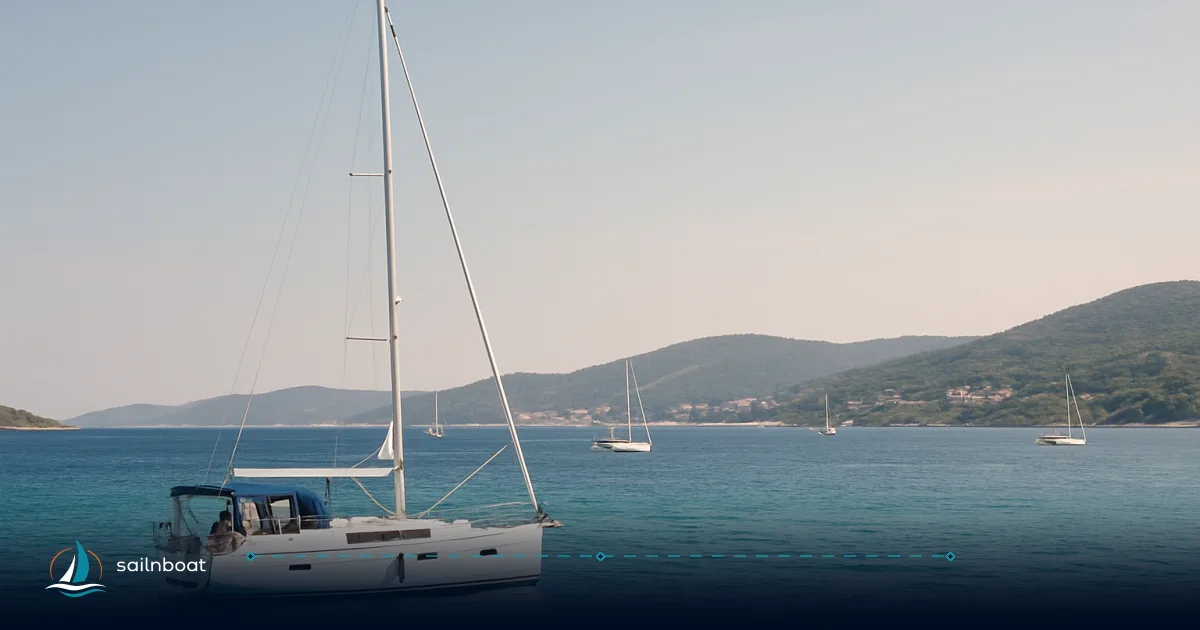
Charter in Croatia works best when you accept three trade-offs: season (crowds vs wind), yacht type (space vs draft vs speed), and itinerary (short hops vs a long transit). Yacht charter Croatia is most practical from late April through late October, with week charters commonly running Saturday–Saturday from bases such as Split, Dubrovnik, Zadar, Pula and Trogir — plan accordingly for check‑in, deposits and extra operating costs.
Optimal Sailing Seasons and Weather Patterns in Croatia
Croatia’s effective charter season runs late April to late October; July and August are the peak months for heat and crowds, while May–June and September give steadier thermal winds and fewer berthing headaches. Many charter operators advertise the full season as April–October and recommend May/June or September for the best balance of wind and lower marina occupancy.
- Peak season: July–August — hot, busy harbours, higher prices and full marina manifests.
- Sweet spot: May–June and September — reliable maestral (afternoon sea breeze), pleasant temperatures, better availability.
- Off‑season: late October–April — limited fleet, many bases closed, and winter winds (bura) can be strong and persistent.
Winds to plan for
- Maestral (NW sea breeze): builds in the afternoon in summer; reliable for pleasant day‑sailing.
- Bura/Bora (NE katabatic): gusty and cold in cool months; when it blows, expect rapid strong gusts near the coast and fjord-like channels.
- Jugo (S/SE, related to sirocco): brings wet weather and longer fetch; stronger in specific synoptic setups.
Weather planning tips
- Check local forecasts daily and plan anchorages with lee options; the Dinaric coastline funnels wind in predictable corridors. Use the afternoon maestral for planned sails and treat any bura forecast as a route‑changer rather than a minor annoyance.
Popular Yacht Charter Bases and Departure Ports
The right base reduces transfer time, expands itinerary choices and gives better access to provisioning and technical support.
Top bases and why they matter
- Split (Kaštela/ACI Split): the largest charter hub with the biggest fleet, direct flights and fast provisioning; ideal for central Dalmatia itineraries (Hvar, Vis, Brač).
- Dubrovnik: best for southern Dalmatia / Elaphiti and Mljet routes; smaller fleet than Split but uniquely positioned for a southbound week.
- Zadar / Biograd (Marina Kornati): gateway to the Kornati National Park and northern/central island circuits.
- Pula (Istria): covers the northern Adriatic and Istrian coast — choose this for a different coastline, food and shorter hop distances to Slovenia/Italy.
- Trogir: an easy alternative to Split for crews seeking a quieter handover and fast access to central Dalmatia.
Practical base details
- Flight and transfer: Split, Zadar, Pula and Dubrovnik all have international links; split your arrival time so you reach the base the day before check‑in if possible.
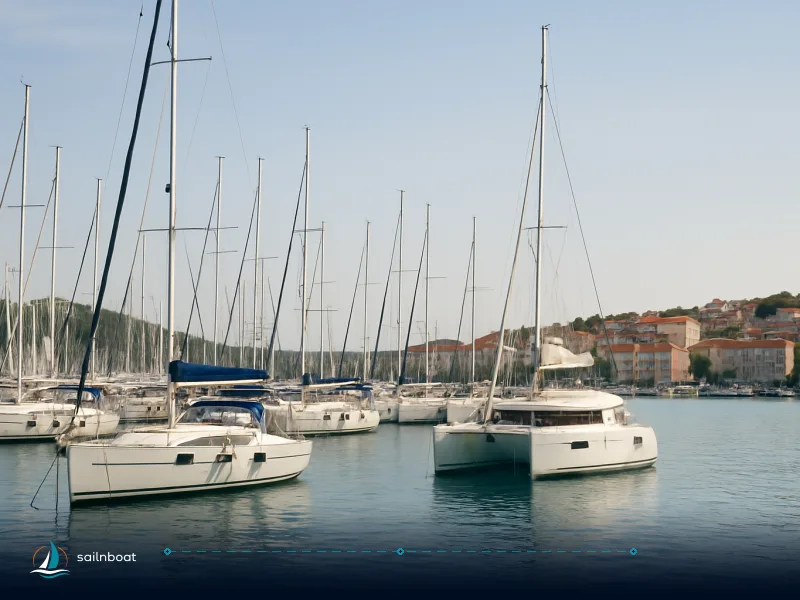
- Fleet density: Split handles the majority of bareboat volume — useful if you want lots of yacht options or a quick replacement if a boat becomes unavailable.
Check-in/check-out window
- Most Croatian bases use a Saturday‑to‑Saturday rotation: check‑in usually from ~17:00 on Saturday, check‑out typically by ~08:00–09:00 the following Saturday; operators may offer paid early boarding or late return options. Plan your flights and transfers around these windows.
Typical Sailing Routes and Itineraries Along the Dalmatian Coast
The classic Split→Dubrovnik run is the canonical Dalmatian circuit but distances and route totals depend on how many islands you include. Use realistic leg planning: 20–35 NM per day is often a comfortable average for mixed‑ability crews, though actual preferences and abilities vary.
Sample one‑week Split→Dubrovnik (practical legs and distances)
- Split → Hvar Town: ≈ 20–25 NM (2–4 hours depending on boat and wind).
- Hvar → Vis: ≈ 15–20 NM (a shorter passage to an island with protected anchorages).
- Vis → Korčula: ≈ 25–35 NM (the longest hop on most week circuits).
- Korčula → Mljet (or Pelješac): ≈ 12–20 NM depending on exact stops.
- Mljet → Dubrovnik: ≈ 20–30 NM (final approach, allow time for customs/harbour procedures if arriving from non‑EU points).
Total distance
- Expect a practical total from Split to Dubrovnik of roughly 100–150 NM for a typical 7‑day island‑hopping itinerary — the exact number depends on directness and whether you include detours to the Kornati or Lastovo. Different routing calculators show direct sea distances from Split to Dubrovnik of ~90–110 NM, while coastal day‑hopping adds mileage.
Average sailing times
- Under sail: 5–8 knots cruising for a typical cruising monohull (longer time on upwind legs).
- Typical day hops are 3–6 hours; build in slack time for lunch, swimming and provisioning. (Use the boat’s cruising speed to compute estimated hours for each leg; weather affects everything.)
Kornati and northern loops
- If your base is Zadar or Biograd, plan for shorter daily hops inside the Kornati group — navigation is more complex (shallow channels and protected anchorages) but rewarding.
Types of Yachts Available for Charter and Their Suitability
Choose the platform that matches your intended itinerary, crew size and tolerance for marina nights vs anchoring.
Comparative table — yacht categories at a glance
| Type | Typical draft (m) | Typical cruise speed (kn) | Best for | Typical weekly cost (bareboat, shoulder→peak) |
|---|---|---|---|---|
| Monohull sailing yacht | typically around 2.0–2.5 m | ~6–8 kn | Traditional sailing experience, better upwind; smaller berths in salon. | Commonly from ~€1,500–€6,000 (shoulder→peak) depending on size and season. |
| Catamaran | typically around 1.2–1.7 m (shallower) | ~8–12 kn (under power) | More space, stable at anchor, better for families and shallow bays. | Bareboat catamarans often start higher: rates vary by size and season and are generally higher than monohulls. |
| Motor yacht | variable (shallow to deep) | ~18–25+ kn | Fast transfers and luxury; higher fuel burn. | Substantially more expensive: mid‑range private motor yachts typically cost several thousand to tens of thousands per week. |
| Gulet (crewed wooden yacht) | shallow to moderate | ~7–10 kn | Crewed cruising, traditional style, large deck space; good for groups wanting full service. | Crewed gulets typically priced as crewed charters — cost varies widely with services included. |
Trade-offs (straight talk)
- Draft vs anchoring: catamarans let you access some shallower anchorages and offer private anchor nights that save marina fees; monohulls generally need deeper water and more frequent marina nights.
- Speed vs cost: motor yachts cut passage time but add fuel and often higher marina fees; if you plan long repositioning legs, factor fuel and time savings into a cost comparison.
Included equipment and charter packs
- Charter base packages usually include safety gear, basic linens and a dinghy; a charter pack or “comfort pack” (inventory, final cleaning, bed linen, sometimes transit log) is commonly billed separately and often falls in the low‑hundreds of euros. Expect to see these charges itemised on your quote.
Licensing Requirements and Practical Considerations for Chartering
Legal baseline vs operator practice
- Croatian authorities require a valid navigational licence for the person in command; in practice, charter companies accept recognised international certificates (ICC, RYA Day Skipper with evidence of practical experience, IYT/ASA equivalents) but they also perform a competence check and may refuse a bareboat handover if they judge the skipper’s practical experience insufficient. Many operators also require a VHF operator certificate (SRC).
What you should bring to check‑in
- Originals or clear scans of your licence/certificates and VHF certificate; a CV of recent sailing experience (logbook summary or description of the boats/years sailed); passport/ID; payment method for the deposit (credit‑card pre‑authorisation is standard). Many bases will ask to see the skipper on board for a short handover sail if conditions allow.
If you don’t have the right papers
- Hire a local skipper for the week — most companies offer a professional skipper for a daily fee (benchmarks vary widely) and a small daily supplement for provisioning of the skipper’s berths and food. Treat a skipper as insurance for tricky navigation, local approach knowledge and harbour etiquette.
Practical handover checks (what the base will inspect)
- Safety equipment, engine hours, fuel level, heads (toilets) function, sails and rigging, electrics and navigation gear, inventory list and damage chart. Expect a practical walkthrough that can take 30–60 minutes.
Additional Costs to Anticipate
Know these line items so your budget is accurate — these regularly change with boat size, operator and season, so treat ranges as realistic planning figures rather than fixed invoices.
Typical cost lines (ranges)
- Security deposit / damage deposit: commonly €1,500–€3,000 for many 40–50 ft yachts; larger or newer yachts can be higher and some operators store a card pre‑authorisation while others take cash. Expect variation by fleet and size.
- Charter pack / end cleaning and tourist tax: combined charges frequently fall in the €150–€300 band for a standard week, though luxury or larger yachts will see higher line items.
- Fuel: typically €100–€300 for a sailing yacht week with moderate motoring; motor yachts burn considerably more and can push fuel costs into several hundreds or thousands depending on itinerary and speed. Use the yacht’s litres‑per‑hour and planned engine hours to estimate.
- Marina fees: expect about €40–€150 per night depending on marina, yacht length and season; premium marinas (Split, Dubrovnik main marinas) sit at the upper end of the range in high season. Don’t assume every night can be anchored — some nights in Dubrovnik and popular marinas require reservations and fees.
- APA / Provisioning for crewed charters: for crewed yachts an APA (advance provisioning allowance) is commonly requested (often 20–30% of charter fee) to cover food, fuel, port fees and other operational costs — practices vary by company and yacht.
Money‑saving notes
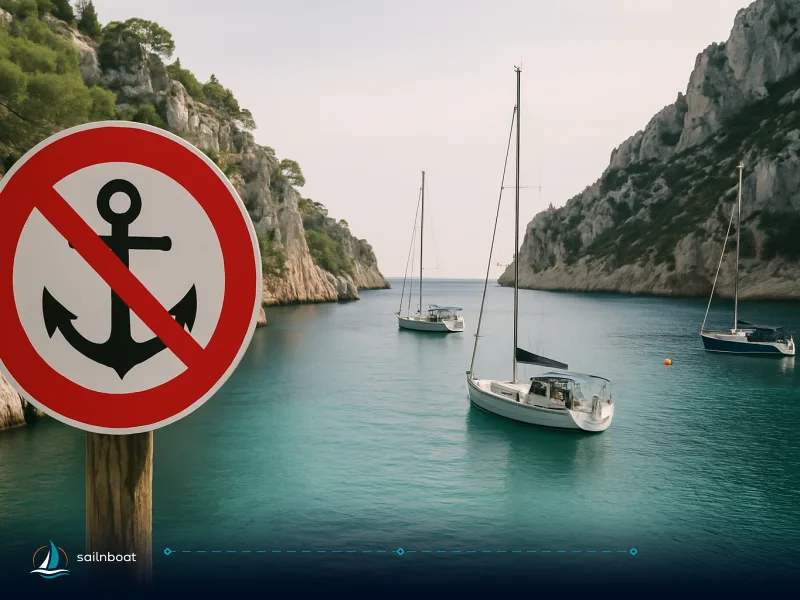
- Anchor whenever safely possible to avoid marina fees; shallow‑draft catamarans make this easier. Use national park mooring buoys where available (they usually carry a small charge). Book marinas in advance for July–August.
Final Practical Checklist (what you must sort before arrival)
- Papers: licence(s), VHF certificate, passports/IDs, health insurance card and printed booking confirmation.
- Money: card for deposit pre‑authorisation and wallet cash for small marina/restaurant charges and park fees.
- Flights & transfers: arrive at least one day before check‑in when possible; Saturday check‑in is common — plan flights to avoid late‑night scrambling.
- Routing: build a day buffer for weather; plan no more than 20–35 NM on an “active” day and keep at least two quieter anchor days if you want time ashore.
If something goes wrong
- Your charter company is the first call for mechanical problems, damage disputes or harbour paperwork; if you suspect a large claim will arise, the company’s insurance and base staff handle formalities — your contract will say how deposits and liability are handled. Expect operators to deduct repair costs from the deposit where appropriate.
Plan your yacht charter in Croatia today and set sail with a realistic itinerary, the correct paperwork and a clear budget — the Dalmatian coast rewards careful planning with reliable winds, great anchorages and short, satisfying day hops.
Frequently Asked Questions
The sailing season typically runs from late April to late October; the busiest months are July and August, while May, June and September are often the best compromise of steady winds, warm water and fewer crowds.
Major charter bases are Split (Kaštela/ACI Split), Dubrovnik (ACI/Dubrovnik area), Zadar (Biograd/Marina Kornati region), Pula (Istria) and Trogir (near Split); these bases have the largest fleets, provisioning and airport transfers.
Common legs run 20–35 NM: Split→Hvar ≈ 20–25 NM, Hvar→Vis ≈ 15–20 NM, Vis→Korčula ≈ 25–35 NM; a full Split→Dubrovnik cruise usually totals about 100–150 NM depending on stops and routing.
You’ll find monohull sailing yachts (efficient upwind, deeper draft), catamarans (more space, shallower draft), motor yachts (speed, higher fuel) and traditional gulets (crewed, spacious but slower); choose by crew ability, comfort needs and anchorage plans.
Most charter companies require a recognised sailing licence (ICC, RYA Day Skipper or equivalent) and a VHF/SRC radio certificate; an operator may also ask for a résumé of recent experience.
Expect a refundable security deposit (commonly in the €1,500–€3,000 range for typical 40–50ft yachts), a charter pack / end-cleaning and tourist tax (€150–€300 combined is a common baseline), fuel (€100–€300 depending on type/usage) and marina fees that typically average €40–€150 per night depending on location and season.
Written by
Sailnboat Editorial
The Sailnboat editorial desk covers yacht and boat chartering worldwide — routes, bases, seasons, boat types, paperwork and the practical costs that decide a trip. We are a charter marketplace, not a boat owner or a local agency: what we sell is judgement and support, so our guides are written to help you make a decision, not to sell you a specific boat. Every guide is checked against live operator and marina data before it goes out.
Fact-checked against live operator and marina data, and published under our editorial standards. Last reviewed: .