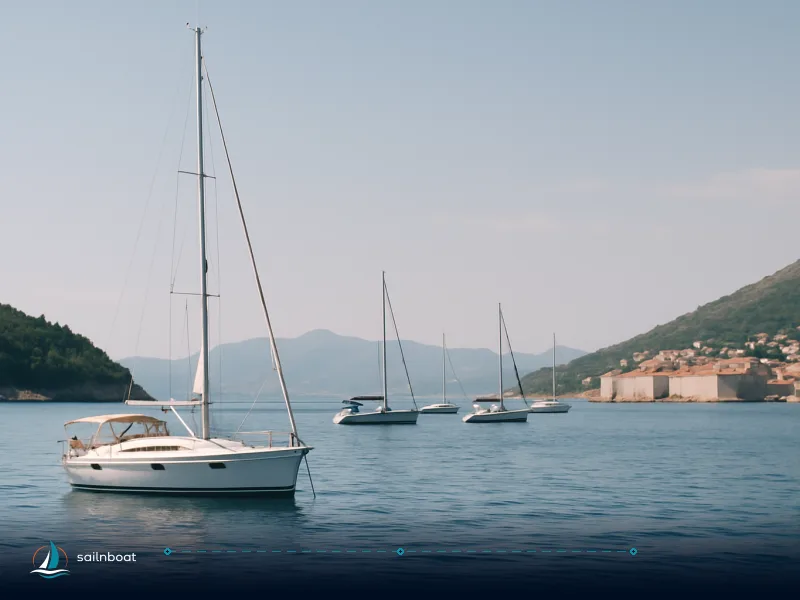
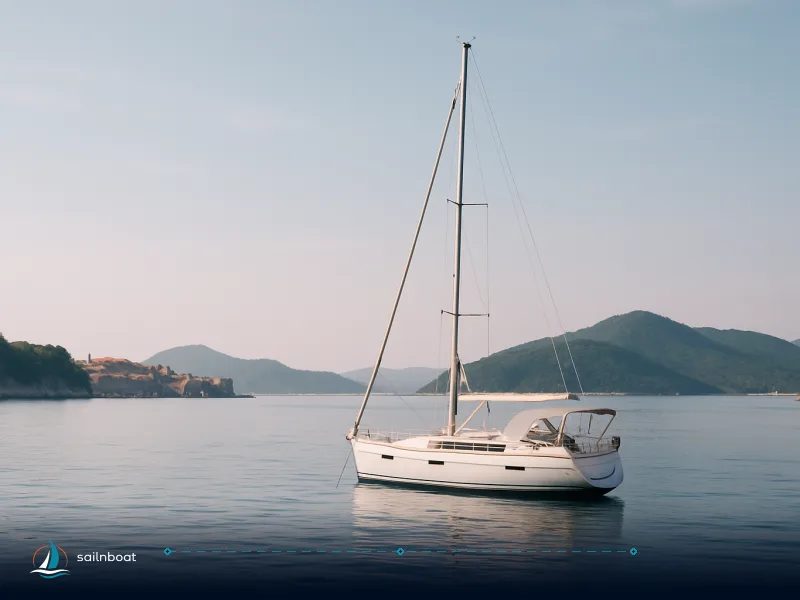
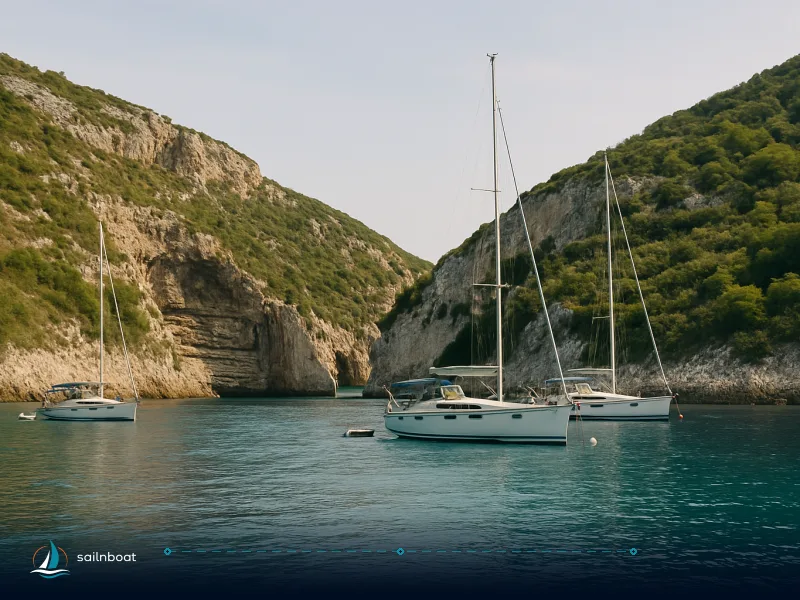
Pelješac Sailing: A Week of Oysters and Windy Channels
A practical, day-by-day bareboat week along the Pelješac peninsula that ends with a late moor at Mali Ston for oysters, with concrete anchoring, wind and permit advice.


You can run a full, satisfying bareboat week on the Pelješac peninsula and finish with a late moor at Mali Ston for oysters — but plan your anchoring, wind strategy and paperwork in advance. Mali Ston’s inner channel gives reliable mud holding in roughly 3–4 m of water; the area is a protected oyster cultivation bay (Mali Ston oysters carry EU PDO status) and the Pelješac channels are dominated by a daily Maestral and the occasional fierce Bura, both of which shape where you should anchor and when you should move.
Navigating Mali Ston Bay: Anchoring Insights
A week that prioritises oysters ends up being, in practice, an exercise in finding sheltered water and respecting cultivation zones. Here’s what you must know before you set that hook.
Anchoring Depths and Bottom Composition
- Typical depths: close to the Mali Ston waterfront and inner channel you will most commonly find about 3–4 m; moving into the larger inner bay depths increase to 4–8 m in places. These are the ranges charter skippers encounter.
- Bottom: mud is the predominant bottom type in the anchoring areas referenced for small yachts — mud gives excellent holding for modern anchors if set properly. Expect good initial set but monitor for debris around the shallows.
- Practical anchor notes: set a rode ratio typically around 5:1 in calm conditions and increase to 7:1 or more in gusty wind, following standard seamanship practice; all‑chain can reduce that requirement. Use a snubber on chain to cut shock loads during the night watch. Adjust scope as needed for local conditions.
Anchorage options at a glance
| Anchorage option | Typical depth | Bottom / holding | Shelter & notes |
|---|---|---|---|
| Inner Mali Ston (near quay) | ~3–4 m | Mud — very good holding | Convenient for restaurants; exposed to any NE Bura; lines and farms nearby—avoid farm lines. |
| Middle bay anchorage | 4–8 m | Mud — very good holding | More space to swing; better shelter from short fetch but still subject to channel winds. |
| Stern‑to quay moor | N/A (along wall) | No anchor; stern lines | Limited berths; local permission needed; convenient for late‑night meals but check harbourmaster and expect limited services. |
Wind Challenges: Bura and (Maestral / Mistral)
- Maestral (often called maestral/“mistral” in casual guides) is the dominant summer thermal on Pelješac — a NW sea breeze that reliably builds in the afternoon in the Pelješac–Korčula channel and can reach 15–25+ kt through the Venturi effect in the narrow parts (Viganj/Kučište). Use it for a downwind leg or plan to be sheltered by the peninsula’s north shore as it builds.
- Bura (bora) is a cold, gusty NE katabatic wind that can arrive quickly and punch through channels; it is the wind you plan around in autumn, winter and transitional days — when Bura is forecast, Mali Ston’s inner anchorage gives only limited protection from wind aligned with the channel axis, so move to more sheltered bays on the peninsula’s lee if necessary.
- What this means for you: schedule Mali Ston overnight stays on days with low Bura risk; for afternoon Maestral expect lively sailing and be ready to reef or shorten sail in the Venturi sections.
Oyster Farming Traditions in Mali Ston
If food is your reason to sail Pelješac, understanding how the bay is farmed makes the trip better — and keeps you out of trouble with local producers.
European Flat Oyster: A Protected Treasure
- The local oyster is the European flat oyster (Ostrea edulis), farmed in long‑line systems in Mali Ston Bay and awarded EU Protected Designation of Origin (PDO) status in 2020 — the label brings official rules for how the oysters are produced, harvested and sold, and is part of why Mali Ston oysters command attention in Croatia.
- Taste and timing: producers and local chefs often highlight late winter to early spring as a period of good oyster meat quality, though oysters are served year‑round; buy and eat from farm‑linked restaurants for the freshest taste and traceability.
Regulations for Anchoring Near Farms
- Mali Ston Bay is a protected area for mariculture; oyster farms are run in concession/cultivation zones and are marked on charts. Anchoring over cultivation lines risks fouling your anchor and damaging racks—it’s also subject to regulation and harbourmaster enforcement. Many guides and berth notes explicitly warn of farm lines in the bay.
- Practical rule: do not anchor where you see cultivation ropes, buoys or long lines, and avoid any area marked as a concession on your official chart. If you want to approach farms for a tour or tasting by dinghy, ask the farmer or harbourmaster first — most producers welcome visitors but control access tightly to avoid contamination and damage.
Daily Sailing Log: Experiences Along Pelješac
(An example, decision‑ready week from an Orebić base — adapt to your start/finish.)
Day 1: Check‑in, systems, and first leg to Viganj
- Handover: expect the usual checks — engine run, sails, safety gear and box inventory; your charter base will ask for skipper qualifications and a VHF certificate (see preparations). Leave with a full tank and a plan for an afternoon Maestral.
- Sail to Viganj for a relaxed first night; the channel is a predictable playground for the Maestral. Plenty of stern‑to spots and marinas; book ahead in high season.
Day 2: Viganj → Podobuče / south coast hideaway
- Use the morning calm to cruise the southern coves; reef before the Venturi kicks in if you want a quiet run. Anchor in a pebble bay for swimming and a sunset dinner on deck.
Day 3: Cross channel early to Korčula (or skirt Pelješac) and back into the Pelješac Channel
- A short open crossing rewards you with afternoon wind; keep an eye on forecasted sea state as the Maestral builds quickly between islands.
Day 4: Work your way north toward Ston — vineyards, wine tastings, then Mali Ston approach
- The day’s prize is Mali Ston. Enter the channel mid‑afternoon or early evening to avoid the Maestral peak if you prefer a calm arrival. Moor stern‑to at the quay if there’s permission and space, or anchor north of the harbour in ~4 m mud and dinghy ashore for a late tasting. Quay space is limited — call ahead.
Day 5: Late morning oyster farm visit and a slow afternoon around the walls of Ston
- Book a farm tour or oyster picnic with a producer (many run short boat transfers). This is a commercial, regulated activity tied to PDO rules — organisers monitor water quality and harvest windows.
Day 6: East/west option — shelter for a predicted Bura, or a long coastal day toward Žuljana
- If a Bura is forecast from the NE, head for lee anchorages on the peninsula’s south side; exposed anchorages in the canal will be unpleasant and potentially risky. If calm, use the day for longer coastal hops and a night in a quiet bay.
Day 7: Return to base, fuel and handback
- Allow enough time for refuelling, washing down, and the base’s check‑out — many bases expect the boat back mid‑morning to mid‑afternoon depending on their schedule. Final tips: leave the cockpit tidy, report any issues immediately, and collect contact details for future local provisioning. (Handover times vary by operator.)
Top Restaurants for Oyster Lovers
Kapetanova Kuća
- What to expect: a family‑run, straightforward seafood house on Mali Ston’s waterfront with oysters offered fresh from the bay; casual, dependable and local. Reserving a quay spot or asking the harbourmaster about stern‑to availability helps if you plan to come by boat.
Bota‑Šare Ostrea
- What to expect: a long‑established family operation that combines a restaurant with oyster farm experiences and boat pickups; they run oyster tastings and can arrange short trips to the racks for groups. Book ahead in season.
Practical dining note: Mali Ston restaurants sell oysters by weight or piece and commonly pair them with chilled sparkling wine or local whites (Pošip/Grk/Plavac Mali are nearby wine choices). Waterfront tables fill early in summer evenings — plan for a later moor if you want to dine ashore.
Essential Preparations for Your Sailing Trip
Obtaining your Croatian eNautička (e‑Nautics) arrival notice
- Croatia uses the e‑Nautics system to register vessel arrivals and collect the navigation safety fee (the e‑vignette). First‑time arrivals historically require an in‑person visit to a harbourmaster to register the vessel; subsequent yearly renewals may be completed online once registered. Expect to carry the printed or electronic confirmation on board as evidence.
Qualifications, VHF and charter paperwork
- Many Croatian charter bases will require a recognised skipper qualification and a VHF radio operator certificate (SRC or equivalent). The exact documents accepted vary by harbourmaster and charter company — present certificates and a concise sailing résumé at check‑in and confirm acceptance in writing before final payment.
Weather and timing
- Check both synoptic forecasts and local channel forecasts: the Maestral is a reliable afternoon sea‑breeze in summer but can increase markedly in channels; Bura forecasts call for immediate actions (seek lee shelter). Allow extra time in your schedule for weather‑forced moves — the best oyster visits happen when you can linger.
On‑boat checks specific to the area
- Carry adequate rode length for 3–8 m anchorages plus bow height: calculate your scope (5:1 min, 7:1 for overnight in variable wind). Carry a secondary anchor and a trip line if you plan tight anchorages near farms or the quay. Keep fenders and strong lines ready for stern‑to mooring.
Final practical tips and trade‑offs
- Trade‑off: Quay (stern‑to) mooring vs anchoring — quay gives immediate restaurant access but is limited, often noisy and may offer poorer shelter from Bura; anchoring gives space and better overnight shelter if you pick the right lee, but requires dinghy trips ashore and careful attention to farm lines.
- Night navigation: avoid transiting the narrow Ston–Mali Ston channel at night unless you have local knowledge and good charts; the channel is shallow in places and marked navigation aids are limited.
- Local contacts: the harbourmaster in Ston/Mali Ston and the Mali Ston oyster association run organised visits — use them for a farm tour or to confirm permissible mooring options.
Plan your week so your “oyster night” lands before any forecast Bura and after a looser, safe day of sailing — that way you get the late‑moored dinner ashore, a quiet swim and a confident overnight at anchor in Mali Ston’s secure mud. Book restaurants and quay moorings early, submit your e‑Nautics arrival and carry the expected skipper and VHF documents at hand; with those details handled, Pelješac rewards you with reliable wind, short hops and one of Europe’s last authentic flat‑oyster cultures.
Plan your bareboat trip to Pelješac with a margin for weather and the e‑Nautics paperwork — then savour Mali Ston oysters at sunset and sleep soundly over good mud holding.
Frequently Asked Questions
Anchoring in the inner Mali Ston channel is typically in the 3–4 m range close to the quay, with good holding in mud; in the wider bay you’ll commonly find 4–8 m with the same mud bottom—expect excellent holding but watch for cultivation lines.
Maestral is the common summer thermal: a predictable NW sea‑breeze that builds in the afternoon and strengthens in the channel; Bura (bora) is a cold, katabatic NE gust that can arrive suddenly and be very strong, especially in exposed passages—plan for sheltered anchorages when Bura is forecast.
Yes—Mali Ston Bay is a protected mariculture area with marked cultivation/concession zones; anchoring in or over farm lines risks fouling and may be prohibited by harbourmaster rules, so use designated anchorages or seek harbourmaster guidance.
The Mali Ston oyster is the local European flat oyster (Ostrea edulis) and received EU Protected Designation of Origin status in 2020, making it Croatia’s first PDO seafood product and tying quality controls to the bay’s waters and farming methods.
Two established choices on the waterfront are Kapetanova Kuća (traditional, family-run) and Bota‑Šare Ostrea (family farm + tasting experiences); both source oysters directly from Mali Ston farms and offer on-site tastings and tours.
Written by
Sailnboat Editorial
The Sailnboat editorial desk covers yacht and boat chartering worldwide — routes, bases, seasons, boat types, paperwork and the practical costs that decide a trip. We are a charter marketplace, not a boat owner or a local agency: what we sell is judgement and support, so our guides are written to help you make a decision, not to sell you a specific boat. Every guide is checked against live operator and marina data before it goes out.
Fact-checked against live operator and marina data, and published under our editorial standards. Last reviewed: .