Navigating the Wonders of Croatia's Istria Peninsula: A Charter Week Experience
A practical, day-by-day plan for a one-week bareboat or skippered charter around Istria, with distances, marina options, local rules, weather windows and food-and-wine stops.

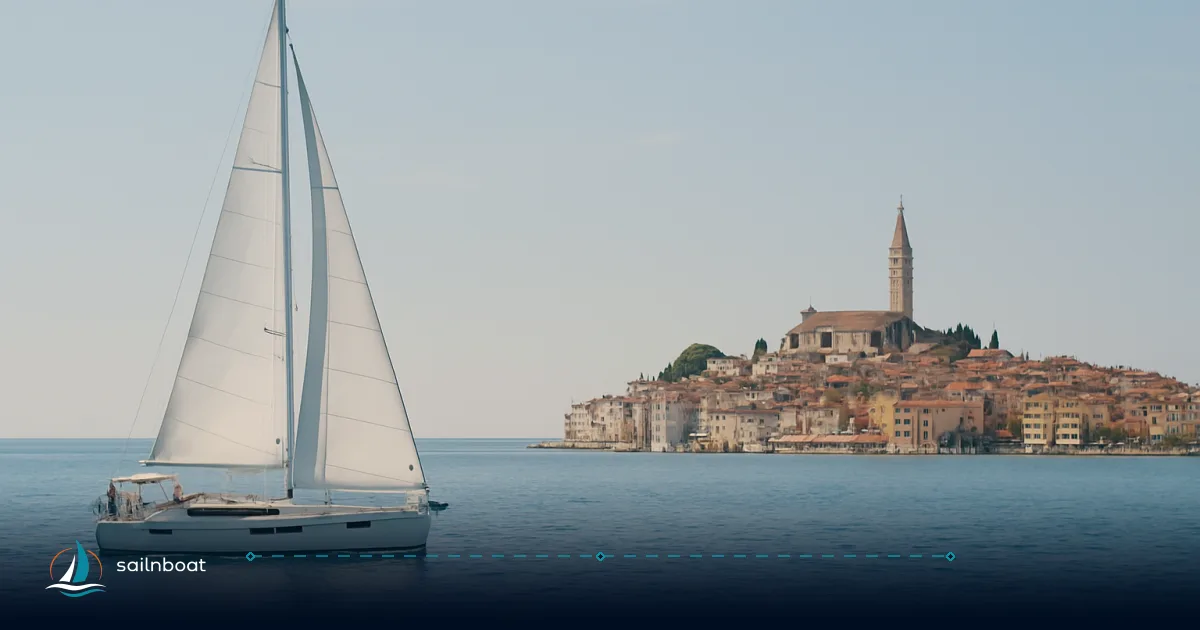
A week sailing the Istria Peninsula typically logs about 100–140 nautical miles, enough to visit Pula and the Brijuni Islands, work north along the west coast to Rovinj and Poreč and swing up toward Novigrad/Umag — plan on 3–5 hours of sailing per day at typical charter cruising speeds.
Best Sailing Routes for a Week-Long Charter
Choose your base depending on whether you prioritise southern access (Brijuni, Kamenjak) or the picture‑postcard towns of the west coast.
Suggested 7‑day loop (logical, compact, flexible)
- Day 1: Pula → Brijuni (day trip) or short hop to Marina Pomer/Marina Veruda to pick up the boat and do checks.
- Day 2: Pula → Rovinj (coastal beat; spend evening in old town).
- Day 3: Rovinj → Vrsar or Lim Bay → Poreč (explore Lim fjord in afternoon).
- Day 4: Poreč → Novigrad / Umag (northern Istria shore; wine/olive stops possible inland).
- Day 5: Novigrad/Umag → Susak/Ilovik day trip or relax at anchor (option to head offshore to the Kvarner islands if time allows).
- Day 6: Return south toward Poreč or Rovinj for provisioning and a fine-dining evening.
- Day 7: Back to Pula (allow time for check‑in/inspection).
At-a-glance legs (distances and estimated times)
| Leg | Distance (NM) | Typical time (hrs) at 6–7 kn |
|---|---|---|
| Pula — Rovinj | ~15–25 NM (common published values ~18 NM) | 3–5 hours. |
| Rovinj — Poreč (via Lim) | ~10–15 NM (coastline route shorter) | 2–3 hours. |
| Poreč — Vrsar | ~5–7 NM | 1–1.5 hours. |
| Pula — Brijuni (Fažana) | short hop: ~3–8 NM depending on start point / channel | 0.5–2 hours — Brijuni is a short day sail from Pula/Fažana. |
Notes on pace and fuel
- Expect total week mileage of roughly 100–140 NM on common one‑week loops; charter operators often design itineraries in the 100–120 NM band so you’re not racing each day.
- Plan fuel for motoring legs plus generator usage; motoring at displacement speeds for a 45ft yacht often falls in the 6–8 L/nm range, but actual consumption depends on the specific vessel, engine, and load — check your yacht’s consumption at handover.
Key Marinas and Mooring Options
Where you berth affects provisioning, technical support and town access. Below are principal marinas and what they actually offer.
Marina summary (capacity, practical services)
| Marina | Approx. berths | Notable services / notes |
|---|---|---|
| ACI Marina Pula | 215 berths | City marina adjacent to the Arena; fuel nearby, WC/showers and customs/harbourmaster close by. |
| Marina Veruda (Tehnomont) | ~630 berths | Large sheltered marina with shipyard, repair services and extensive technical facilities (dry berths, 250 dry places). Good for technical support. |
| ACI Marina Pomer | ~294 berths + dry | In Medulin Bay near Cape Kamenjak; crane, maintenance and pool facilities; recommended for southern starts. |
| ACI Marina Rovinj | ~416 berths | City marina with immediate town access, fuel 0.5 NM; excellent for evenings ashore and fine dining. |
| Marina Vrsar | ~200 berths | Good central west‑coast option with repair/crane facilities and easy access to Poreč/Rovinj. |
| Marina Poreč (Marina Marina Poreč) | ~129 wet berths | Serviceable marina with provisioning and town link; useful mid‑week stop. |
| Novigrad (Marina Nautica / Marina Nautica Novigrad) | ~225–365 berths (various sources list 225–365) | Northern Istria hub with year‑round facilities and provision options. |
Practical notes
- Booking: July–August fills fast; book marina berths in advance if you want a waterfront spot in Rovinj or Pula’s city marina. Many ACI marinas accept online reservations and publish seasonal price lists.
- Technical support: Marina Veruda and ACI Pomer have on‑site repair yards and lifting gear—choose these if you expect to need engineering support.
- Mooring format: city marinas have fixed pontoons; many smaller towns operate municipal piers for short stays — check maximum length and depth before committing.
Local Regulations and Mooring Fees
Know the two levels: legal rules (port authority / national parks) and charter practice (what companies require at handover).
Brijuni National Park and anchoring
- Brijuni National Park controls navigation inside park boundaries: anchoring or mooring is limited to designated moorings or the park’s marina and requires a visitor/vessel permit; entering without required tickets/permits can attract fines. Plan a booked visit — don’t assume you can drop anchor spontaneously.
- Park moorings and buoys are regulated seasonally; some charter guides and the park emphasise reservations for overnight stays and that free anchoring is not permitted.
Documentation and skipper qualifications
- Charter operators commonly ask to see a recognised skipper qualification (ICC, RYA Day Skipper or equivalent) and a VHF radio operator certificate (SRC or similar); requirements vary by operator and yacht — if in doubt, send scanned docs before arrival. Having a professional skipper is a straightforward alternative.
- You must register arrivals and pay navigation/port fees where applicable (eNautika system and port authority processes for vessel arrival/crew lists are used in Croatia). Expect to pay a navigation safety fee or port dues as required.
Mooring and berth fees — what to expect
- Fees vary strongly by marina, boat length and season. Published ACI 2026 price lists show berth rates for 10–14m boats commonly in the ~€100–€130/night band for peak periods in major ACI marinas; smaller marinas and off‑season rates can be much lower. Harbour app and marina price lists are the authoritative source for exact daily rates.
- Buoy moorings in popular bays or in national park concession areas (outside the big marinas) frequently charge ~€25–€75/night depending on location and services; again, these are seasonal and can be booked through park or marina desks.
- Tourist tax (visitor tax) is charged per person, per night in Istria; for 2026 the common coastal rate around Istria was €1.60 per person per night in high season (local authorities set exact values). Add this to your onshore overnight budgeting.
Operational checklist for arrival / departure
- Handover: expect the check‑out/check‑in to include fuel level, inventory check, engine and safety equipment demonstration and a handover form — allow at least 2 hours (and more in peak season).
- Payment: marinas accept cards and cash; some mooring buoys or smaller ports may be cash‑oriented — keep a small float of EUR cash for remote fees.
Weather Patterns and Optimal Sailing Seasons
When you go matters for wind, sea state and marina availability.
Season window
- Best months: May–June and September offer warm water, fewer crowds and reliable sea breeze patterns; July–August is warm with consistent maestral days but is busiest. Many charters run May–September as the operational season.
Winds and what they mean for your trip
- Maestral (NW sea breeze): the everyday summer wind that builds midday, typically 8–20 knots — ideal for comfortable reaching along the west coast.
- Bura (bora): a cold, gusty NE katabatic wind that can produce strong gusts and short‑lived rough conditions — respect forecasts and shelter early if bura is forecast.
- Jugo (southeasterly/sirocco): humid and occasionally heavy rain; can make the sea short and choppy from the SE.
Practical weather planning
- Check official forecasts (harbour‑master/DHMZ) and local marina weather pages before departure and each evening; many marinas list recommended approach channels and provided local meteo links. Avoid long exposed transits if a bura warning is in force.
Culinary Experiences in Istria
Istria is compact — you can combine a sea day with inland food and wine for a full experience.
Seafood and restaurants (book ahead)
- Konoba Batelina (Banjole, near Pula): renowned for day‑boat seafood served simply and carefully — small and often fully booked; reserve early for evenings. Bib Gourmand recognition and frequent recommendation among seafood specialists.
- Monte (Rovinj): the region’s Michelin‑starred restaurant; reserve well in advance if you plan a fine‑dining evening ashore. Ideal for a special‑occasion night in Rovinj.
Wineries and local specialities
- Kozlović (Momjan): one of Istria’s most recognisable producers; book a tasting to try Malvazija Istarska and Teran and arrange vineyard views or cellar tours. Allow 1–2 hours for a proper tasting and to buy bottles to take home.
- Matošević (Motovun / Central Istria): modern, terroir‑driven Malvazija and other expressive Istrian wines; the tasting programmes are visitor‑oriented but often require reservations.
- Gastronomy: central Istria is truffle country (white and black truffles) and produces excellent extra virgin olive oil — markets and inland konobas around Motovun and Grožnjan are the places to taste truffle dishes and buy local oil.
Practical tips for dining & wine
- Inland winery visits require a car or pre-arranged transfer from the marina; allow 1.5–3 hours for travel + tasting. Many wineries will accept small groups but ask for reservations (weekends fill quickly in high season).
- If you plan to bring wine home, check your country’s import limits and pack corked bottles securely for transit.
Cultural and Historical Highlights
Combine anchoring with short onshore visits—many inland highlights need a short taxi or transfer.
Must-see ashore
- Pula: the Roman Arena (the Arena) sits adjacent to the harbour — a quick walk from ACI Pula and an efficient first or last‑day stop.
- Rovinj: climb to St Euphemia’s church tower for the best town view; the old town lanes are compact and excellent for evening exploration and dining.
- Motovun, Grožnjan, Hum: classic hilltop towns in central Istria — rich for wine, truffles and distinctive stone villages; factor in 1–2 hours inland travel when you plan these visits.
- Brijuni Islands: archaeological sites, small safari park and Tito’s historic residences — plan a pre‑booked excursion and expect limitations on where private yachts may anchor or moor.
Safety & navigation priorities
- Use up‑to‑date official navigational charts (HHI charts referenced by local marinas) for approaches near Pula, Pomer and the channel to Brijuni; marinas publish recommended approach notes and local buoys to avoid. Don’t rely solely on a mobile app for shoal locations.
Final practical checklist (pre-departure)
- Documents: skipper qualification, VHF certificate, passports, crew list and credit card for deposits. Scan and email them to your charter company before arrival.
- Park & marina bookings: reserve Brijuni permits and ACI marina berths if traveling in July–August.
- Money: budget for marina berths (plan for higher ACI peak rates for 10–14m boats), buoy charges, tourist tax (~€1.60 p.p./night in many Istrian towns in 2026) and dining/winery visits.
- Weather & winds: check harbour master forecasts and plan sheltered alternatives for bura or strong jugo warnings; June and September give the best tradeoff of wind and crowd levels.
Plan your sailing charter in Istria today — base in the area that matches your priorities (Pula for Brijuni and technical support; Rovinj for fine dining and evenings ashore) and use this itinerary and checklist as your operational backbone.
Frequently Asked Questions
A practical week loops from Pula north to Rovinj, then Poreč/Vrsar and Novigrad/Umag before returning—expect 100–140 NM total, with individual legs of roughly 10–30 NM and daily sailing of 3–5 hours at 5–7 knots.
Primary choices are ACI Pula (city berth next to the Arena; ~215 berths), Marina Veruda/Tehnomont (large sheltered marina ~630 berths) and ACI Pomer (~294 berths) near Cape Kamenjak; ACI Rovinj (~195 berths), Marina Vrsar (~200 berths), Marina Poreč (~129 berths) and Novigrad’s Marina Nautica (~225–365 berths) cover the west coast.
Mooring fees vary by marina, vessel length and season (in ACI marinas 2026 price lists show mid‑season berth tariffs for 10–14m boats often around €100–€130/night in high season); Brijuni National Park requires a permit/visitor ticket and mooring only at designated buoys or the park marina.
May–September is the sailing season; the daytime summer maestral/sea breeze typically 8–20 knots offers pleasant reaching conditions, while bura (cold NE gusts) and jugo (humid southerly) are possible—June and September give a good balance of wind and fewer crowds.
Konoba Batelina (Banjole) is the reference for fresh seafood; Monte in Rovinj holds a Michelin star; wineries to book include Kozlović (Momjan) for Malvazija and Teran and Matošević (Motovun/Central Istria) for terroir-driven Malvazija and reds.
Written by
Sailnboat Editorial
The Sailnboat editorial desk covers yacht and boat chartering worldwide — routes, bases, seasons, boat types, paperwork and the practical costs that decide a trip. We are a charter marketplace, not a boat owner or a local agency: what we sell is judgement and support, so our guides are written to help you make a decision, not to sell you a specific boat. Every guide is checked against live operator and marina data before it goes out.
Fact-checked against live operator and marina data, and published under our editorial standards. Last reviewed: .