Vis Island Sailing Guide: Bases, Routes & Practical Tips
Practical, decision-ready advice for charterers: where to base on Vis, safe coastal routes (including Biševo/Blue Cave), anchoring rules for protected coves, and provisioning options.

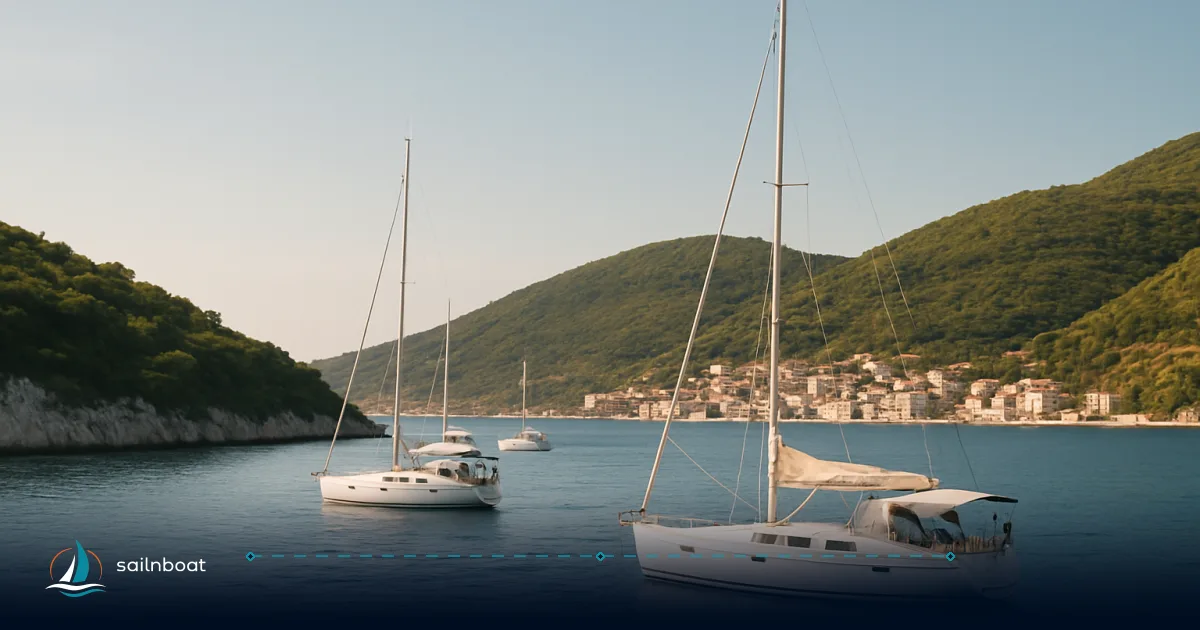
Vis island sailing is best planned around two choices: base in Vis Town (the main marina) if you want full-service berths and calmer nights, or base in Komiža if you prioritise immediate access to Biševo and the Blue Cave—each option carries a clear trade-off in exposure, provisioning and access.
Marinas and Mooring Options on Vis Island
Marina Vis
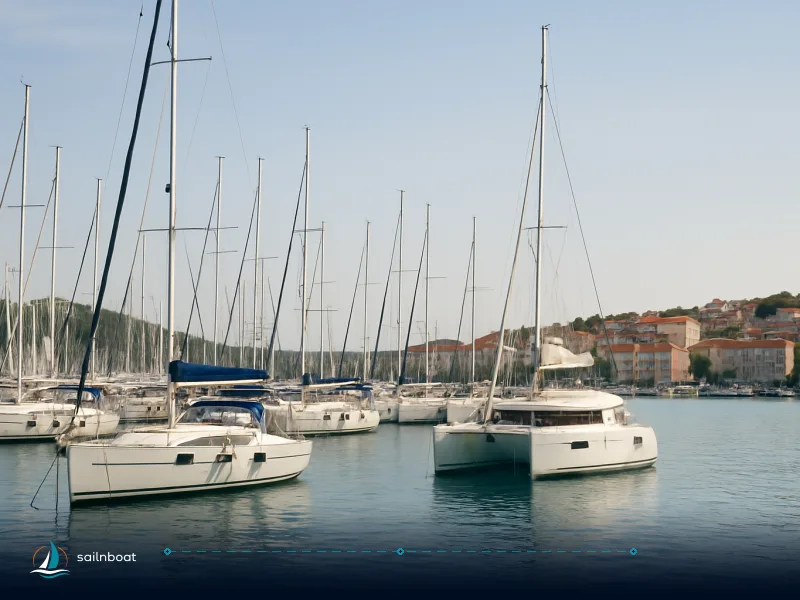
Marina Vis (Vis Town) is the island’s primary full-service berth area with pontoons and alongside berthing close to town. Expect shore power and water at berths, a fuel point on the waterfront, basic technical/repair support and waste disposal — but space is limited in July–August so book in advance for boats longer than about 12–15 m. Marina berths are generally on sand/mud bottoms with good holding nearby for anchoring if the marina is full; the quay does feel the afternoon maestral (NW) so stern lines and snubbers reduce strain overnight.
What to expect at handover
- Metered water and electricity (often charged separately) and separate service fees for pump-out or laundry.
- Fuel available at or next to the marina but opening hours reduce outside high summer — top up before long crossings.
- Harbourmaster will allocate berths on arrival; marina staff commonly assist with mooring lines. Advance booking is strongly advised in peak season.
Komiža Harbor
Komiža is a working fishing harbour with a long protective breakwater and a mix of quay berths and mooring buoys in the bay. It is not a large marina in the chain sense but provides practical services: quay power/water in the port area, mooring buoys during summer and several restaurants and facilities that will accept a stern-to or buoy mooring for a fee. Komiža’s bay is open to W/SW winds and can build uncomfortable chop in a southern or south-westerly blow—if you arrive in an onshore wind be prepared to move to a more sheltered spot.
Practical note
- In high season the buoy field and quay fill quickly: arrive early to find a buoy/quay slot and have a second choice for overnighting. Mooring fees for buoys and quay berths are commonly charged by local harbour concessionaires; what’s included varies (some quays include water/electricity, others do not).
Quick comparison: Marina Vis vs Komiža
| Feature | Marina Vis (Vis Town) | Komiža harbour |
|---|---|---|
| Berth type | Floating pontoons / alongside & town quay | Quay berths, stern-to; seasonal mooring buoys |
| Utilities | Water & shore power; pump-out; fuel nearby | Water & electricity at quay in places; many restaurants provide mooring |
| Exposure | Sheltered from most directions but exposed to W/maestral swell | More exposed to W/SW winds; sheltered behind the breakwater in calm weather |
| Best for | Full-service base, provisioning, calmer nights | Fast access to west-side anchorages and Biševo/Blue Cave |
| Booking advice | Reserve early for >12–15 m in July/August | Arrive early; buoys and quay fill by midday in peak season |
| Sources: local port information and anchorage guides. |
Safe Sailing Routes to and Around Vis Island
Navigating to Vis Island
Distance and timing
- From Split to Vis Town the distance is typically around 28 nautical miles by the main ferry route; sailing time will vary depending on your vessel and conditions. Fast passenger catamarans usually make the run in about 1h 30m, though times can vary by operator and schedule; a cruising yacht will usually take longer depending on conditions.
Route considerations
- Keep clear of the main ferry/catamaran approaches to Vis and Komiža. Ferries operate on fixed routes and their wash can unsettle a vessel alongside a quay. Harbour approaches are controlled by the harbourmaster — initial contact on VHF is standard practice (many skippers call on VHF Channel 16 then switch to a working channel). Always keep the ferry approach channels clear.
- Wind patterns: in summer the daytime maestral (NW) builds in the afternoon and can create a swell on west-facing quays and anchorages; southerly or southeasterly jugo events bring longer-period swell and often poor visibility. Plan landings and overnight anchorages to avoid the expected afternoon wind on exposed shores.
Suggested approach from Split
- Offshore track: a straight offshore run to Vis town gives better sea-room to avoid local traffic and allows you to make or break passage depending on conditions. If forecast shows strong NW maestral, plan to arrive before it peaks or choose an eastern lee anchorage for the night.
Coastal Routes Around Vis
Day-trip options and safe legs
- Komiža → Biševo (Blue Cave) → Porat anchorage on Biševo: Komiža is the usual departure point for Blue Cave visits; the cave entrance is close to Biševo’s Balun bay and the run from Komiža is short (roughly 4–5 NM). Time the visit to the Blue Cave’s best lighting (mid/late morning window for optimal blue reflection) and follow the cave operators’ rules for approach.
- Clockwise circumnavigation of Vis: from Vis Town head east for sheltered coves, then round the south coast to the deeper anchorages on the west side (Komiza, Porat, Stiniva). Note the western side is more exposed to NW winds and can be uncomfortable in maestral.
- Stiniva Cove: approach early in the morning when the swell is smallest; the cove is narrow and sees heavy day-boat traffic in peak season — treat the entrance cautiously and avoid crowding the mooring area.
Safety tips for local waters
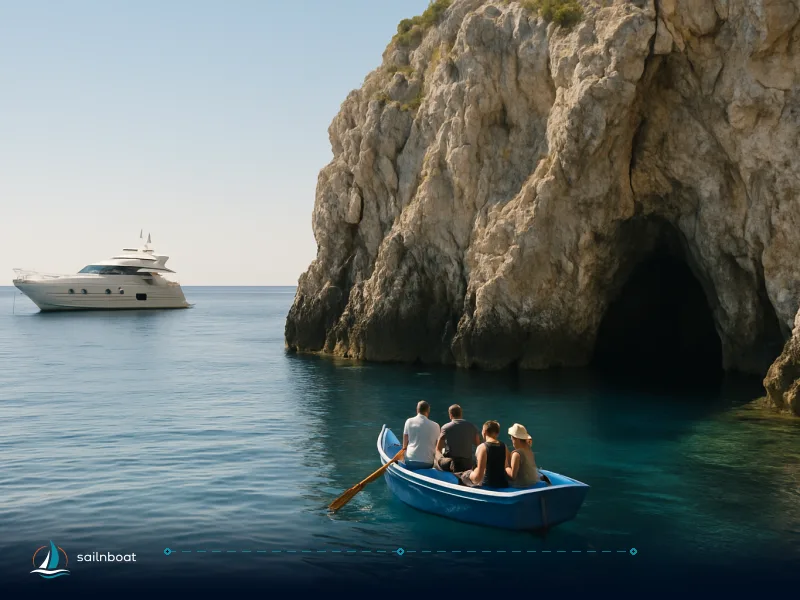
- Avoid transiting close to the Blue Cave approach channel during cave operating hours; do not enter the cave with a yacht. Use a small RIB or join licensed local operators for cave visits. Respect boat lanes used by commercial excursion craft.
- Anchor in sand or mud where holding is good; avoid posidonia meadows and marked marine reserves. Carry a snubber for stern-to quay berths in maestral and check fenders for chafe from ferry wash.
Anchoring Regulations Near Protected Areas
Croatia has a growing list of protected marine areas and local rules that affect where you may anchor; Vis and nearby islets are included in some of these protections.
Stiniva Cove
- The area around Stiniva has been identified in official hydrographic notices as part of a designated coastal/sea reserve in the Vis–Stupišće sector; that means local anchoring and access rules can be in force, and enforcement by port authorities or reserve wardens is possible. Treat Stiniva as a sensitive site: avoid anchoring on seagrass, keep distance from the narrow entrance when day boats are operating, and expect seasonal rules that limit overnighting.
Best practice at Stiniva
- Use designated moorings if available; if you anchor, choose sand/mud well away from the narrow entrance, set ample scope and check the swing circle for other boats and dive traffic. Consider an early-morning visit to avoid midday crowds.
Biševo / Blue Cave
- The Blue Cave area on Biševo is managed, with an official code of conduct for visitors; operators and authorities regulate small-craft entries, and there are explicit restrictions on mooring and anchoring in the immediate approach and within the cave’s bay during visiting hours. The cave should be visited only on licensed excursions or by authorised small craft; do not attempt to bring a yacht into the cave channel.
Permits and fees
- Some protected zones apply buffer distances or temporary seasonal exclusions (for example, beach/shoreline buffers in peak months) and fines are possible for transgressions. The Hydrographic Institute publishes Notices to Mariners and local maps that insert temporary or permanent no-anchoring zones — consult the latest notices before leaving the marina.
Provisioning Options in Vis Town and Komiža
Supermarkets and local markets
- Both Vis Town and Komiža have small supermarkets, bakeries and fishmongers suitable for a week’s provisioning: expect national chains (Tommy, Konzum in Dalmatia and local independent shops), daily bakeries for fresh bread and a central market (tržnica) where local produce and fish appear in the mornings. For large-volume shopping or specialised items (large quantities of bottled water, specific spare parts, refrigeration supplies) plan a stop in Split before crossing.
Practical provisioning timetable
- Early-morning markets and bakeries are best for fresh produce and fish; many shops reduce hours outside peak summer months, so if you need something specific check seasonal opening times. In high season the town shops will be open longer but expect crowding and shorter stock on popular items late in the day.
Marine supplies
- On-island marine services exist (basic repairs, engine or electrical technicians and small spares), but major chandlery and specialised parts are best sourced in Split where full-service chandlers and fast parts delivery are available. Plan to carry essential spare parts and tools on any charter that intends to cruise away from the mainland for a week.
Quick provisioning checklist for a week-long charter based on Vis
- Fresh bread and produce (daily) — visit early market stalls.
- Fuel: top up in Vis town before heading to remote anchorages; filling in Split avoids reduced seasonal opening hours.
- Critical spares: impeller, fuel/water filters, spare anodes, fuses and extra lines; source major replacements in Split.
Local Maritime Regulations for Charterers
Anchoring restrictions (general)
- Croatia enforces no-anchor and buffer zones in marine reserves, around some archaeological sites and near beaches during higher-tourist months. Harbourmasters and the Hydrographic Institute publish Notices to Mariners and updated charts that may add or change restricted zones; check the current Notices (local Peljar/Adriatic Sea Pilot updates) before each leg. Avoid anchoring on seagrass (Posidonia) — damage to seagrass beds is prohibited and often policed.
Required permits and certificates
- Legal/regulatory: national rules require that skippers have appropriate competence; in practice charter operators require a recognised skipper’s certificate plus a VHF Short Range Certificate (SRC) or equivalent. The safest route for non-EU skippers is to carry an ICC or recognised RYA/IYT/ASA/NauticEd qualification plus a VHF radio certificate — charter desks will check documentation at handover. Rules and operator checks vary, so confirm the operator’s paperwork list before travel.
How to obtain documentation
- VHF/SRC certificates are available via recognised providers and, for some national equivalents (e.g., the US FCC marine radio documents), are accepted by several charter companies; the ICC is commonly recommended because many Croatian operators accept it without additional verification. Ask your charter company for a definitive list well before departure.
Practical formalities and contact points
- Harbourmasters enforce local rules, allocate berths and can issue instructions on approaching a quay or mooring field; contact the harbourmaster on VHF when approaching a port (standard practice is to call on Channel 16 then move to a local working channel). If you plan to clear customs or travel from a non-EU port, ensure you use an official Port of Entry.
Final practical checklist (what you must do before you cast off)
- Documentation: have the skipper certificate and a VHF/SRC radio certificate ready to show at check-in. Copies are useful but keep originals on board.
- Booking and berth plan: reserve Marina Vis berths or confirm Komiža options for the first night, and identify 1–2 alternative anchorages if the weather changes. Book Blue Cave excursions in advance when visiting in July–August — midday slots fill quickly.
- Fuel & spares: top up fuel/water in Vis town or Split before long runs; carry key spares and chafe gear.
- Weather & traffic: check the latest meteograms for maestral/bora trends and monitor commercial ferry movements when arriving at Komiža or Vis; avoid manoeuvres in close quarters during ferry peak times.
Plan your Vis week with confidence: pick the base that fits your priorities (service vs. direct Blue Cave access), respect protected-area rules and local harbourmaster instructions, provision for at least three days from island shops and top up technical spares in Split.
Frequently Asked Questions
Marina Vis (Vis Town) provides alongside berths/pontoons with water and electricity, fuel nearby and basic technical support; space is limited in high season so reserve early and expect metered utilities and separate charges.
From Split expect about 30 NM to Vis; approach channels keep clear of commercial ferry lanes, avoid exposed anchorages during afternoon maestral and favour leeward bays for overnighting.
Stiniva's adjacent coastal and sea area is designated a special maritime reserve and subject to local anchoring restrictions; treat it as a no-anchor/limited-anchor zone and follow harbourmaster guidance.
Vis Town and Komiža offer small supermarkets (national chains and local shops), bakeries, fish markets and limited marine services; for larger items and technical spares plan to stop in Split.
In addition to national rules, expect protected-area limits (no-anchoring or buffer zones), harbourmaster authority, and charter-company checks for a recognised skipper certificate and a VHF/SRC radio certificate.
Written by
Sailnboat Editorial
The Sailnboat editorial desk covers yacht and boat chartering worldwide — routes, bases, seasons, boat types, paperwork and the practical costs that decide a trip. We are a charter marketplace, not a boat owner or a local agency: what we sell is judgement and support, so our guides are written to help you make a decision, not to sell you a specific boat. Every guide is checked against live operator and marina data before it goes out.
Fact-checked against live operator and marina data, and published under our editorial standards. Last reviewed: .