How to Become a Yacht Charter: A Practical Guide
A practical, step‑by‑step blueprint for private owners who want to convert a yacht to commercial charter: regulatory route, crew and safety upgrades, insurance and marketing.

If you want to know how to become a yacht charter, the essential answer is practical: change the vessel’s legal status to commercial (or an approved limited‑charter scheme), bring the boat and crew up to the charter code for your size and flag, add a charter insurance programme, and build a bookings and maintenance plan that preserves availability and margins.
Understanding Regulatory Requirements
Converting a private yacht into a commercial charter begins with the flag‑state rules and the commercial yacht code that applies to your vessel’s size and intended use. For many flags there are three practical outcomes: (a) the yacht stays private but operates only under tightly limited “private‑use” charters (very restricted), (b) you register the yacht as a commercial vessel and meet the full commercial code, or (c) you enrol in a recognised limited charter programme (where available) that allows some commercial activity without full commercial re‑registration. The path you choose determines surveys, certificates, and ongoing audits.
Key Regulations to Follow
- Know which commercial code applies: several flags adopt Large Yacht Codes for bigger yachts and small commercial vessel codes for smaller craft. The UK Large Yacht Code (LY3) is the common reference for yachts 24 m and over in load‑line length; yachts at or above that threshold are looked at differently by surveyors and insurers.
- Understand flag‑state statutory certificates required (safety construction, safety equipment, radio, loadline, tonnage, MARPOL, etc.) — these depend on tonnage and whether the yacht carries fare‑paying passengers.
- Expect a flag‑approved survey and a Certificate of Compliance to be issued before you commercially offer charters.
Licenses and Certifications
- The vessel’s owner/operator normally must form a legal operating entity (company) to accept charter bookings, hold the commercial certificates and maintain payroll/crew contracts where required.
- Your skipper and officers will need the competence and endorsements the flag/country requires for carrying fare‑paying passengers — see the crew section below for the common requirements and short courses.
- Many flags require evidence of a safety management system (an SMS) scaled to the yacht’s size; full ISM audits apply to larger tonnage (see the ISM section later). For yachts between private and large commercial categories, expect a Code‑driven inspection and Certificate of Compliance.
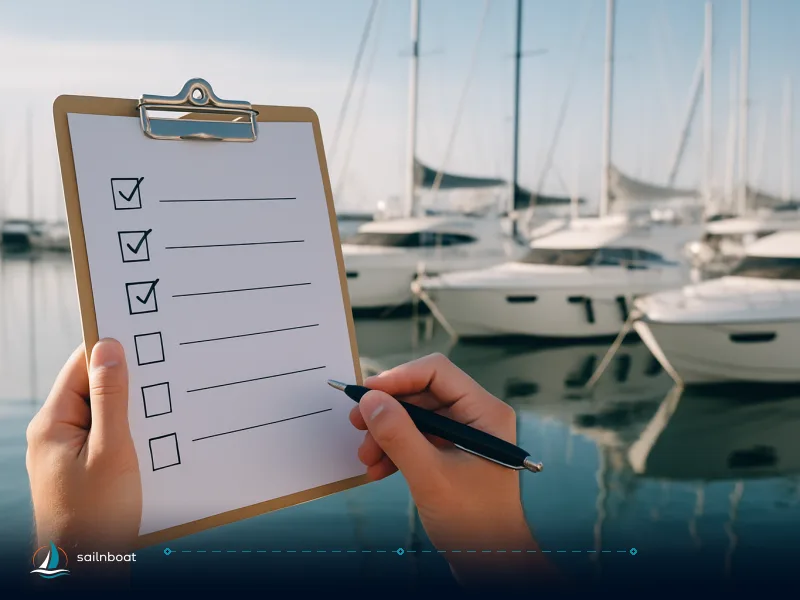
Practical checklist (regulatory)
- Confirm exactly which code applies to your yacht by flag and length.
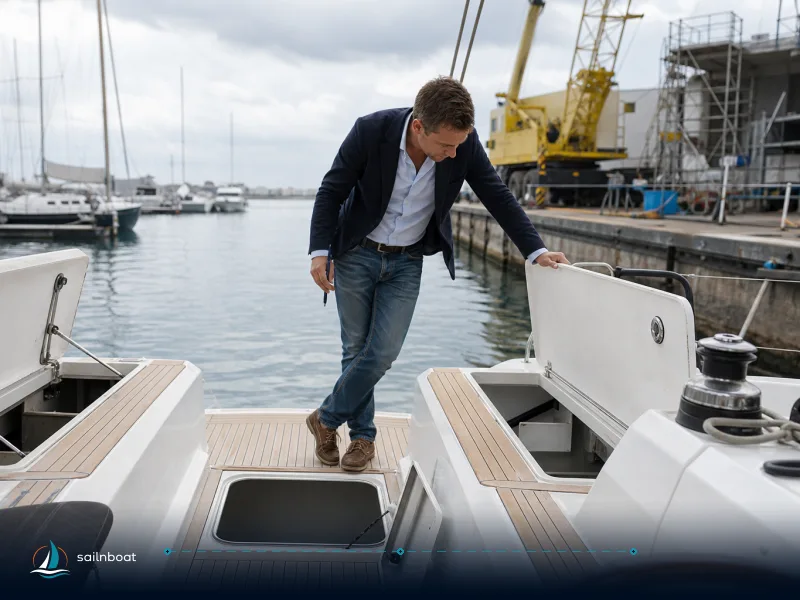
- Book a marine surveyor familiar with commercial conversion.
- Budget for statutory surveys, safety equipment upgrades and any classification work the surveyor recommends.
Crew Qualifications and Safety Upgrades
Charter operation shifts your liability and the level of professional oversight authorities expect. Crew qualifications and basic safety training are not optional in most jurisdictions when you carry paying guests.
Required Crew Certifications
- All crew engaged on a commercial vessel are commonly required to complete the STCW basic safety elements: Personal Survival Techniques, Fire Prevention & Firefighting (basic), Elementary First Aid, and Personal Safety & Social Responsibilities. Many flag administrations explicitly require these as a minimum for commercial service.
- Captains/skippers usually need a certificate of competency with a commercial endorsement appropriate to the vessel and area of operation — examples include RYA Yachtmaster with a commercial endorsement in the UK system (the RYA offers routes and guidance for skippers working commercially). The commercial endorsement makes the certificate valid for paid work and is commonly requested at check‑in by charter brokers and authorities.
- Additional practical or statutory tickets (e.g., VHF operator certificate, ENG1/medical fitness) are frequently required; the exact set depends on flag state and the yacht’s tonnage.
Safety Equipment Upgrades
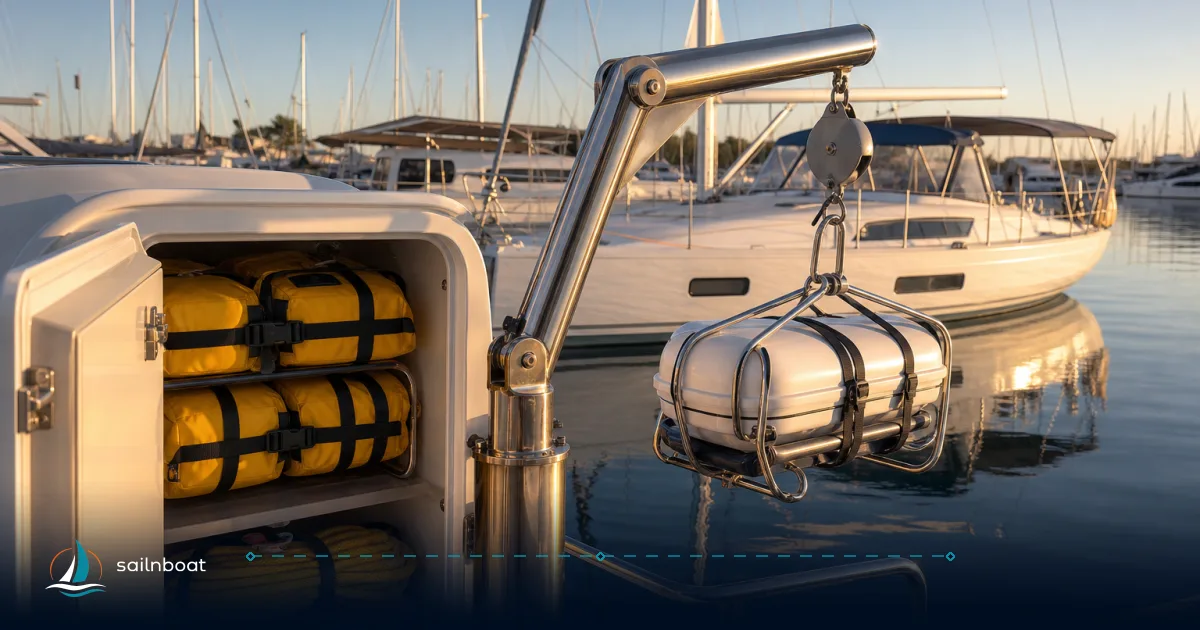
- A charter surveyor or flag authority will list required LSA (life‑saving appliances), firefighting appliances and communications equipment. Expect to fit SOLAS‑ or flag‑approved life‑rafts and an EPIRB, service or add fixed fire suppression in engine spaces where required, and ensure MMSI and radio systems meet commercial requirements.
- Safety‑critical details (which extinguishers, which life‑raft capacity, which fire boundaries) depend on the code and are specified on the surveyor’s checklist; a single‑sentence rule of thumb is not safe here — use the surveyor’s list as your conversion spec.
- Record keeping matters: maintain crew training records, safety drills logs, service and inspection certificates and the ship’s safety management documentation—inspectors ask for these first.
Insurance Considerations for Charter Operations
Insurance is one of the areas where “private” and “charter” diverge most sharply. A private policy commonly excludes commercial hire; switching to charter can materially change cover, premiums and underwriting conditions.
Types of Insurance Needed
- Hull & Machinery (H&M) — covers physical damage to the vessel, its machinery and equipment. For charter use, insurers will often impose specific exclusions or require enhanced survey evidence and maintenance regimes.
- Protection & Indemnity (P&I) — third‑party liability for injury to passengers, collision damage to other vessels and property, pollution liabilities and repatriation costs. When you carry fare‑paying guests a P&I extension or P&I club membership is commonly required.
- Charter‑specific liability covers — e.g., charterers’ liability, passenger personal accident liabilities, and legal expenses — are common policy add‑ons for commercial operation.
- Note: crew medical, employer’s liability and accident cover should be organised through the operating company if you employ crew.
Consulting with Insurance Brokers
- Talk to an experienced marine insurance broker before you accept bookings — charter underwriting varies by flag, cruising area, vessel age, construction, and whether you intend bareboat, skippered or crewed charters.
- Expect premiums and deductibles to increase; insurers may require additional surveys, a maintenance regime, and operational limits (navigational limits/seasonal restrictions).
- Keep a written record of all policy endorsements and operational exclusions; failing to tell your insurer about charter activity can jeopardise cover in a claim.
Insurance comparison (at a glance)
| Policy | Purpose | Charter‑specific notes |
|---|---|---|
| Hull & Machinery (H&M) | Physical damage to hull/engines | Underwriting often requires commercial survey and may limit wear‑and‑tear cover |
| Protection & Indemnity (P&I) | Third‑party liability, injuries, pollution | P&I or equivalent liability is standard for fare‑paying passengers |
| Charter liability / passenger accident | Covers passenger injury, medical evacuation | Often required by brokers/charter managers and by some flag rules |
Marketing Strategies for Your Charter Business
Marketing is how you turn compliance into bookings. The right mix depends on your market (Mediterranean, Caribbean, local day‑charters) and the product (bareboat, skippered, crewed).
Digital Marketing Approaches
- Build a slim, fast website with a clear booking calendar, professional photos, a detailed inventory, and transparent pricing (base fee vs what’s included). Use high‑quality interior and exterior shots and a short deck walkthrough video.
- List on established charter marketplaces and with brokerages to tap immediate demand; many bookings for crewed and superyacht charters still flow through brokers.
- Keep your availability calendar accurate and use short‑term promotions in shoulder seasons — responsiveness to enquiries is a major conversion factor.
Collaborating with Charter Management Companies
- Charter managers handle bookings, guest relations, provisioning, local tax and regulatory compliance and often supply a revenue split or management fee. They accelerate market entry but take a portion of gross revenue.
- If you want control over owner use and local operation, a hybrid approach (you handle bookings and a manager handles check‑ins and provisioning) can work; if you prefer hands‑off ownership, a full management agreement is worth the cost.
Practical marketing checklist
- Invest in a two‑day professional photo + video shoot.
- Prepare a one‑page specifications sheet including recent survey/inspection dates and insurance status.
- Pre‑set standard itineraries for your cruising area and price them by season.
Planning Availability and Maintenance
Operating as a charter requires an availability strategy that balances owner use, charter income, and mandatory maintenance.
Maximizing Charter Bookings
- Plan availability around the local high season and block owner weeks early. For shorter popular windows (school holidays) take fewer owner weeks and place maintenance in shoulder months.
- If you operate plus‑expenses (crewed) charters, use an Advance Provisioning Allowance (APA) to cover running costs. APA is commonly calculated as a percentage of the base charter fee and typically sits between about 20–35% depending on yacht type, region and itinerary. Budget your expected APA needs during route planning so you don’t interrupt a charter to request additional funds.
Routine Maintenance Considerations
- Schedule a predictable annual maintenance window (haul‑out, antifoul, major engine servicing) outside peak charter season. Heavy service items and classification surveys should be booked months in advance.
- Keep a maintenance log and receipts; inspectors, surveyors and insurers will expect evidence of an organised maintenance regime.
- Consider a small dedicated reserve fund for unscheduled repairs; charter guests expect minimal disruption and you should too.
Maintenance timeline example (annual)
- Off‑season: haul‑out, antifoul, engine servicing, rigging checks.
- Pre‑season: safety equipment service, liferaft servicing, radio and navigation updates.
- Mid‑season: minor works, oil/filters, through‑hull checks.
Key Questions Before Accepting Charters
Ask these questions and get written answers before you advertise the boat.
Financial and Operational Risks
- Will charter income cover the upgrades, higher insurance, extra maintenance and management fees? Model a conservative scenario that assumes lower utilisation and higher than expected maintenance.
- Where will you pay VAT and corporate tax on charter income? VAT on yacht charters is complex in the EU and member‑state practice varies: the taxable place of supply can depend on where the yacht is delivered to the charterer and how the charter is structured; many owners restructure ownership or use local fiscal representation to manage VAT, and tax authorities increasingly audit charters. Consult a specialist tax adviser for the jurisdictions you expect to operate in.
- Who will be contractually liable for guest injury or damage? Your operating agreement and insurance should align so liability does not fall into a gap.
Long‑term Commitment
- How often will you want personal use? Frequent owner use reduces available charter weeks and can make management agreements less attractive.
- Are you ready to handle guest logistics, complaints and occasional damage? Charter guest expectations differ from private use and the crew bears responsibility for guest experience as well as safety.
Decision‑grade checklist before first booking
- Written confirmation from insurer that charter use is covered.
- Signed commercial registration/certificate of compliance for the flag/code.
- Captain/crew certificates and STCW records onboard.
- Maintenance and safety certificates current and logged.
- Clear charter contract (MYBA or local equivalent) and payment/APA terms.
Final practical steps (one‑page action plan)
- Engage a marine surveyor experienced in commercial conversions; get a conversion specification and budget.
- Speak to an experienced marine insurance broker to obtain charter‑appropriate terms and confirm premiums.
- Confirm the exact crew qualifications the flag requires and schedule necessary courses.
- Prepare a maintenance calendar and reserve fund sized for increased operating tempo.
- Decide whether to self‑manage or sign with a charter manager; get written fee schedules.
- Prepare marketing assets (photos, spec sheet, calendar) and list the yacht once the regulatory items and insurance are in place.
Start your conversion with the compliance basics and the commercial insurance confirmed — once those core items are in order, marketing and bookings scale predictably. If you would like, we can help connect you with surveyors, insurers and local managers experienced in commercial conversions for your cruising area.
Begin converting your yacht to compliant charter operation now.
Frequently Asked Questions
You must register or re‑register the vessel as a commercial yacht (or operate under a recognised charter scheme), complete the statutory surveys and safety inspections required by your flag state and the applicable commercial yacht code for your size, and secure the licenses/certificates the flag authority requires for commercial operation.
Skippers and officers usually need certificates of competency with a commercial endorsement plus short STCW basic safety courses for all crew (personal survival, firefighting, first aid, social responsibilities); the vessel must carry life‑saving appliances, firefighting systems and radios to the standard the flag/charter code prescribes.
Charter use normally needs a bespoke programme: Hull & Machinery (H&M) for physical loss, Protection & Indemnity (P&I) for third‑party liability, and specific charter liability extensions; premiums and exclusions change when commercial income is earned and some private policies exclude charter use.
A professional website plus photo shoot, listings on established charter marketplaces and broker networks, targeted social media, and partnerships with local charter managers or brokers produce the fastest bookings; pricing, availability and strong guest reviews drive repeat business.
Block out planned maintenance windows at least once per year (haul‑out, antifoul, engine service) during shoulder season, use a calendar that shows owner‑use vs charter weeks, and budget an APA (typically 20–35% for plus‑expenses charters) to avoid operational cash shortfalls.
Expect higher insurance premiums, added wear and tear, potential VAT/tax liabilities depending on where charters start, and the administrative burden of contracts and crew management; weigh likely annual charter income against conversion and ongoing running costs before committing.
Written by
Sailnboat Editorial
The Sailnboat editorial desk covers yacht and boat chartering worldwide — routes, bases, seasons, boat types, paperwork and the practical costs that decide a trip. We are a charter marketplace, not a boat owner or a local agency: what we sell is judgement and support, so our guides are written to help you make a decision, not to sell you a specific boat. Every guide is checked against live operator and marina data before it goes out.
Fact-checked against live operator and marina data, and published under our editorial standards. Last reviewed: .