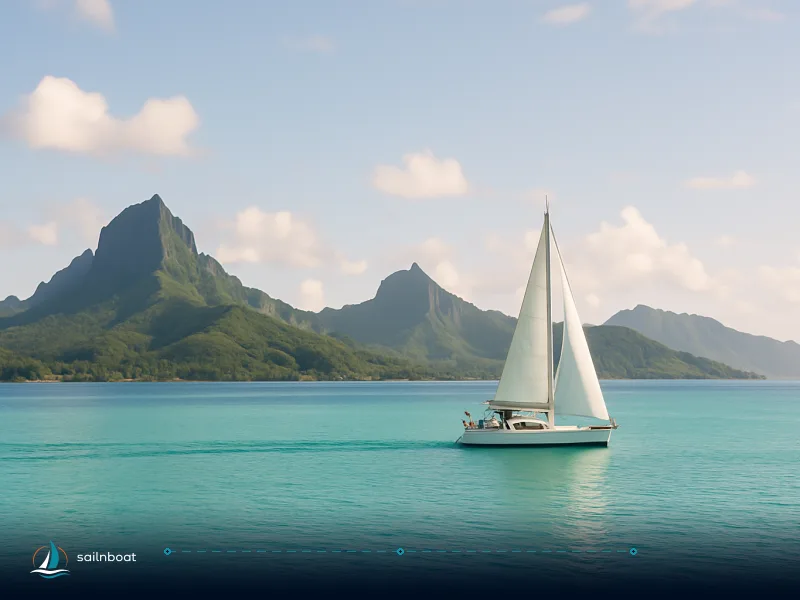
Navigating the Best Time to Sail the South Pacific: A Seasonal Guide
Choose May–October for the clearest sailing window and steady southeast trade winds; avoid November–April when cyclone risk rises. This guide explains seasons, regional differences, ENSO effects and practical planning steps.

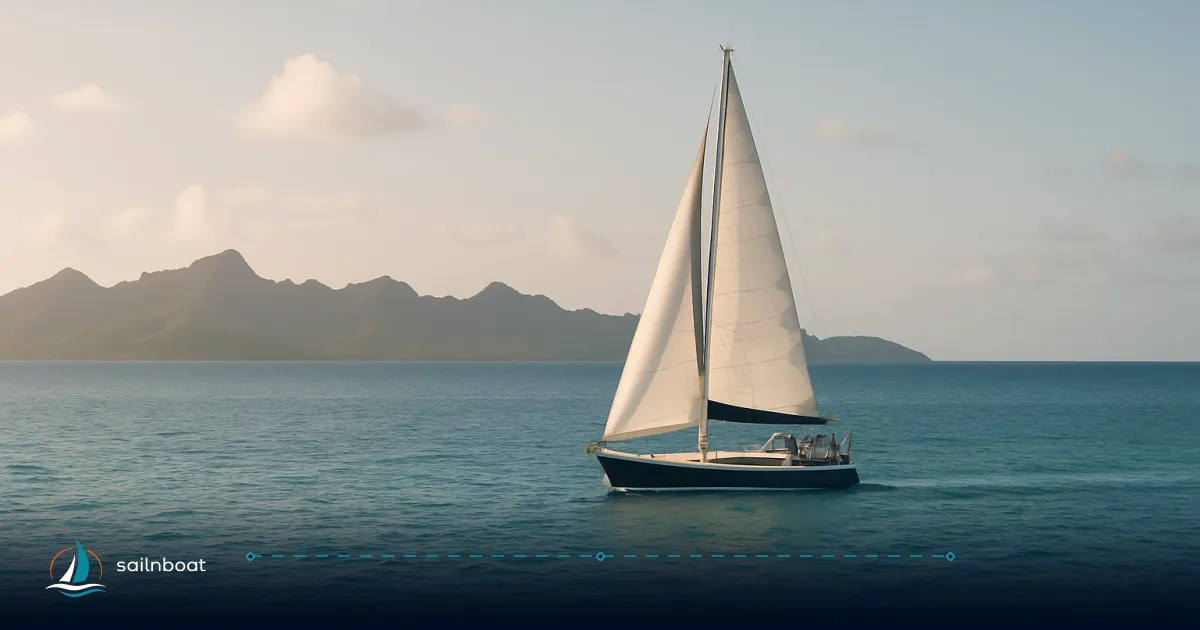
Choose May–October if you want the best balance of steady southeast trade winds, lower rainfall and the smallest chance of tropical cyclones for south pacific sailing; avoid the November–April wet/cyclone season unless your route and schedule specifically require it.
Seasonal Overview of South Pacific Sailing
Sailing Seasons Breakdown
- Dry season (typical): May–October — the southeast trade winds establish themselves, humidity drops and long-period swells subside in many island groups, producing the most consistent cruising conditions.
- Wet / cyclone season (typical): November 1–April 30 — convection and the South Pacific Convergence Zone shift south; rainfall increases and the basin is susceptible to tropical cyclone genesis, with January–March as the climatological peak in many areas. National agencies define the cyclone season as roughly Nov–Apr.
These start/end months are the accepted regional climatology used by regional meteorological services and shipping agencies, but exact timing and local risk vary year-to-year with climate drivers such as ENSO.
Weather Patterns Throughout the Year
Trade Winds and Their Impact
- Timing: Southeast trades typically build from late April/May and persist through October; they are the dominant steering wind for many routes in the southwest Pacific during those months.
- Strength: Trades commonly sit in the low-to-mid teens in knots on average (many climatologies give ~15 kt as a typical value), with gusts and local enhancement around reefs and island gaps. Expect variability by location and synoptic systems.
- Practical effect: steady easterly–southeasterly winds make downwind or broad reach passages predictable, but they also produce long-period swells that can affect anchorages on exposed windward coasts. Plan anchoring on leeward sides or in reef-protected lagoons where available.
Cyclone Season Considerations
- Basin definition: regional agencies and the WMO mark the South Pacific tropical cyclone season as approximately November 1–April 30; cyclones can still form outside these dates occasionally. January–March are statistically the busiest months.
- Spatial shifts: ENSO phases change where cyclones form — El Niño tends to shift activity eastward, La Niña shifts it westward — so which islands are at highest risk can change year to year (see Planning tips for how to use seasonal outlooks).
- Operational note: during Nov–Apr you must treat long passages between islands as higher risk; schedule flexibility, fuel reserve and a pre-agreed storm plan with your marina/charter company are essential.
Optimal Sailing Conditions by Month
Recommended Months for Sailing
- Core window: May–September gives the most consistent, cooler and drier conditions for most South Pacific island groups; trades are established but not yet at their absolute strongest, and cyclone risk is generally low. September is often a sweet spot for long circuits before the southern spring transition.
- Full dry season: May–October remains the broadly recommended operating window for cruising and charter operations across the south and southwest Pacific; October is transitional — fine in many places, but the risk of convective activity starts to climb.
Table — Seasonal quick-reference (practical planning)
| Month group | Typical winds | Rain / humidity | Cyclone risk | Practical planning note |
|---|---|---|---|---|
| May–July | SE trades established; commonly ~10–18 kt | Low to moderate | Very low | Often favorable for longer passages and reef-side anchorages, though local and seasonal variation applies. |
| Aug–Sep | Trades steady; often similar to May–July | Low | Very low | Peak of the dry window; provisioning easier, marina services fully available. |
| Oct | Trades weakening/transitioning | Increasing variability | Low → rising | Shorter hops recommended; watch forecasts closely early in month. |
| Nov–Apr | Variable (monsoon influence, convective) | High humidity, heavy showers | Medium → high (peak Jan–Mar) | Avoid long open passages; have a clear storm plan if transiting. |
(Values are regional averages and typical ranges — local conditions and year-to-year climate variability alter the pattern.)
Regional Variations in Weather Patterns
Northern vs. Southern Pacific Islands
- Polynesia (Fiji, Tonga, Samoa, French Polynesia): follows the canonical dry/wet split — May–Oct drier with SE trades; Nov–Apr wetter with cyclone exposure especially near Fiji, Tonga and parts of the southern Cook Islands.
- Melanesia (Vanuatu, Solomon Islands, PNG): generally wetter year-round and closer to typical cyclogenesis regions; passages here during Nov–Apr are higher risk and often avoided by leisure charters.
- Micronesia and equatorial atolls (Kiribati, Marshall Islands, Nauru): their weather is governed more by the ITCZ and monsoon timing rather than the simple south‑hemisphere dry/wet split — some atolls can suffer drought in El Niño years and unusual rainfall in La Niña. Plan on local forecasts and island-specific climatologies.
Local detail that matters to your itinerary
- Lagoon vs. outer-reef anchorages: many lagoons are calm during trades but suffer surge and wind funneling; reef passes and anchoring depth limits are location-specific — check local pilot books and notices to mariners before planning.
- Passage-making and provisioning hubs: bases in Fiji, Tahiti and New Caledonia act as logistical hubs during the dry season; connectivity and services contract significantly during the wet season.
Planning Your Voyage: Practical Tips
Preparing for Seasonal Changes
- Use official seasonal outlooks: before you commit, review the seasonal outlooks issued by regional services (Fiji Meteorological Service / RSMC Nadi, Australian BoM, New Zealand NIWA/MetService) — they state expected cyclone risk and likely rainfall anomalies. ENSO forecasts dramatically shift the expected pattern and should feed your route choice.
- Flexible scheduling: build windows, not fixed dates — allow extra days for weather windows, especially for passages that cross synoptic-scale features or run near typical cyclone genesis zones.
- Shorten passages in transition months: if sailing in April or October, favour shorter hops and anchor within sheltered lagoons overnight so you can react if the trades collapse or the ITCZ moves.
Safety Measures for Cyclone Season
- Written storm plan: decide in advance where you will shelter (named marina/piers, inside a lee reef, or a designated cyclone mooring) and how many redundant anchor/line systems you will use. Share that plan with your charter company or base.
- Gear and provisioning: double-check ground tackle, have storm-length lines and chain, extra chafe protection, multiple anchors, and secure loose deck gear and canvas well before conditions worsen. Carry at least several days of extra fuel and water if your itinerary could be interrupted by a system.
- Insurance & charter contract: many charters change cancellation or transit rules during cyclone season and some insurers restrict coverage if you knowingly head into a named system; check policy wording and the charter company’s policy on forced returns and repositioning. (These practices vary by operator and country.)
Monitoring and Decision Points
- Daily briefings: run a morning and evening weather check (synoptic charts, satellite loops, and local marine warnings) and set crew triggers for action (for example: when a gale warning is issued within X nm of your route, enact the storm plan). Use RSMC Nadi, BoM marine products, and local port authority warnings as authoritative inputs.
- When to divert or delay: if a seasonal outlook indicates elevated basin-wide cyclone activity (analogue years, strong ENSO signals), postpone long ocean legs or choose routes further from typical genesis zones (e.g., avoid passing between Vanuatu and Fiji during a westward-shifted season). NIWA and regional bulletins publish analogues that show which island groups are favoured for cyclone genesis in different ENSO states.
Final checklist before you cast off
- Confirm the seasonal outlook for your specific island group (not just “South Pacific” broadly).
- Review your charter’s storm policy and ensure insurance covers weather disruptions typical for the basin.
- Rig a storm anchor plan, check ground tackle and have extra line and chafe gear aboard.
- Build extra fuel/water margins and a simple written crew responsibilities matrix for heavy-weather actions.
- Schedule passages to take advantage of the SE trades inside the dry window, and keep plans flexible in April and October.
Start planning your South Pacific sailing dates around the May–October window when possible; when your schedule forces travel in the wet season, treat passages as conditional and let objective meteorological outlooks drive the go/no‑go decision.
(Note: the seasonal months, wind regimes and cyclone definitions used here reflect regional meteorological practice and climatology; year-to-year variability driven by ENSO or other modes can shift where rain and cyclone risk are highest — consult the latest RSMC/NIWA/BoM outlooks for the season you intend to sail.)
Frequently Asked Questions
Broadly two seasons: a dry season from about May to October with stable southeast trade winds, and a wet/cyclone season from November through April when rainfall and storm risk increase.
May–October brings southeast trades and lower rainfall; November–April shifts the ITCZ south, increases convection and opens the region to tropical cyclones (peak Jan–Mar). ENSO phases shift where rain and cyclones occur.
For most itineraries the best window is May–October — trades are steady and cyclone risk is minimal; September is often especially reliable.
Polynesia (Fiji, Tonga, Samoa, French Polynesia) follows the classic dry/wet split; Melanesia (Vanuatu, Solomon Is, PNG) is wetter and more cyclone-exposed; equatorial Micronesia and atolls have different ITCZ/monsoon influences and can be drought-prone during certain ENSO phases.
Use seasonal outlooks from regional meteorological services, avoid major passages during Nov–Apr where possible, prepare a written storm plan, secure insurance that covers natural hazards, and select sheltered anchorages and extra gear for heavy weather.
Written by
Sailnboat Editorial
The Sailnboat editorial desk covers yacht and boat chartering worldwide — routes, bases, seasons, boat types, paperwork and the practical costs that decide a trip. We are a charter marketplace, not a boat owner or a local agency: what we sell is judgement and support, so our guides are written to help you make a decision, not to sell you a specific boat. Every guide is checked against live operator and marina data before it goes out.
Fact-checked against live operator and marina data, and published under our editorial standards. Last reviewed: .