Recognizing Yacht Charter Scams: Key Red Flags to Watch For
A focused, practical guide to the common yacht charter scams, how professional brokers block them, and the checklist you should run through before you pay.

The single most important sign of a yacht charter scam is a demand for fast, irreversible payment — especially a wire or transfer into a personal bank account — before you hold a signed MYBA or CYBA charter agreement. If someone asks you to bypass a broker, pay into an unfamiliar personal account, or refuses to sign a standard contract, treat the booking as high-risk and stop the process. This guide walks through the common scam patterns, the protections reputable brokers use, the documentation you must see before paying, safe payment choices, and the exact first steps if fraud is suspected.
Common Red Flags of Yacht Charter Scams
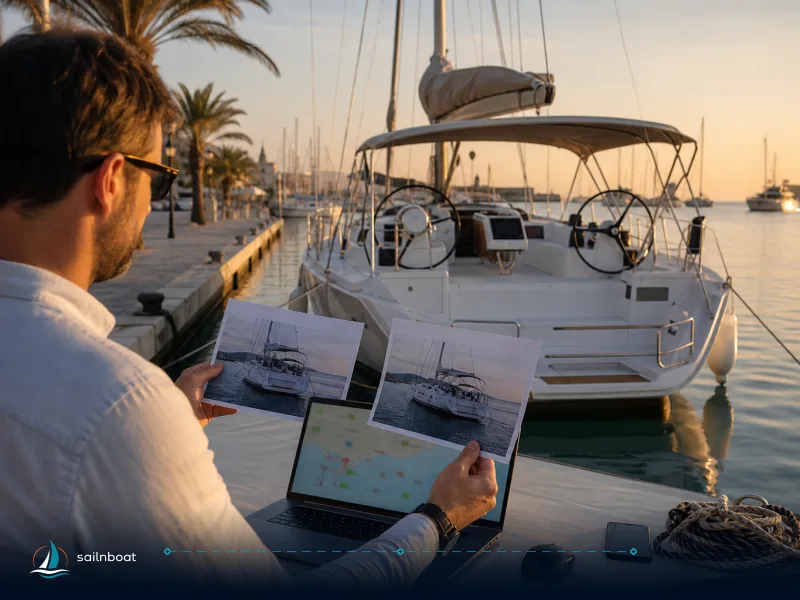
A short checklist first: fast, pressured payment requests; price that looks “too good to be true”; communications that avoid written, traceable documentation; invoices that ask you to pay a person rather than a stakeholder/broker account; and listings that are copies of genuine boats posted elsewhere. These are what to watch for.
Advance Payment Requests
What to watch for
- Any demand to pay a deposit or balance into a private or personal bank account, a personal PayPal/Venmo/Zelle account, or by gift card/crypto before you have a signed, completed charter agreement and a clear stakeholder instruction.
- High-pressure language: “owner travelling — pay now to secure” or threats of “others waiting” to force urgency.
Why this matters
- Scammers prefer irreversible transfers (bank wires, cryptocurrencies, gift cards). The FTC explicitly warns that travel fraudsters often insist on wire transfers, gift cards, payment apps or crypto because those routes are hard to reverse.
Unusually Low Pricing
What to watch for
- A daily or weekly price well below comparable listings for the same season and region, without a credible explanation (owner emergency, maintenance issue, short-notice repositioning). If the broker can’t explain why the price is far below market, pause.
Why this matters
- Low price is a classic lure used to get a prospective charterer emotionally committed before the fraud becomes apparent. Consumer-advice sites and scam-alert services repeatedly flag “too-cheap” listings as a primary indicator of fraudulent ads.
Lack of Transparency
What to watch for
- Avoids a written charter contract (MYBA/CYBA), refuses to provide registration/official number, gives inconsistent vessel details across messages, or insists on communicating only by WhatsApp/DMs and not by email or formal invoice.
Why this matters
- Professional brokers and owners rely on formal contracts and documented banking instructions (stakeholder, broker client account or escrow). A refusal to use those channels is a significant red flag. MYBA and CYBA are the industry templates that standardise this process.
Broker Measures to Prevent Yacht Charter Scams
Professional brokers have both contractual tools and operational checks designed to stop fraud before a client pays.
Using Standard Agreements
What they do
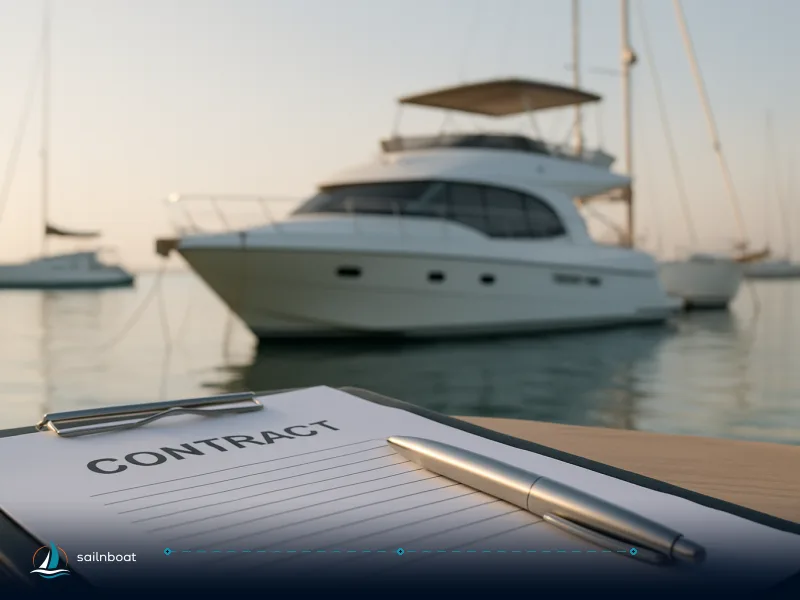
- Reputable brokers use the MYBA or CYBA standard charter agreements (or a documented equivalent). Those forms lay out deposit schedules, stakeholder arrangements and the obligations of owner, broker and charterer — and are widely accepted in Mediterranean and Caribbean markets respectively. Insist on a copy signed by all parties before sending money.
How that protects you
- The contract typically names the stakeholder (broker or third‑party escrow) and the bank account into which deposits should be paid; funds are only released according to the contract’s schedule and conditions. MYBA forms explicitly anticipate stakeholder-held deposits and make clear when funds may be disbursed.
Verification Processes
What they do
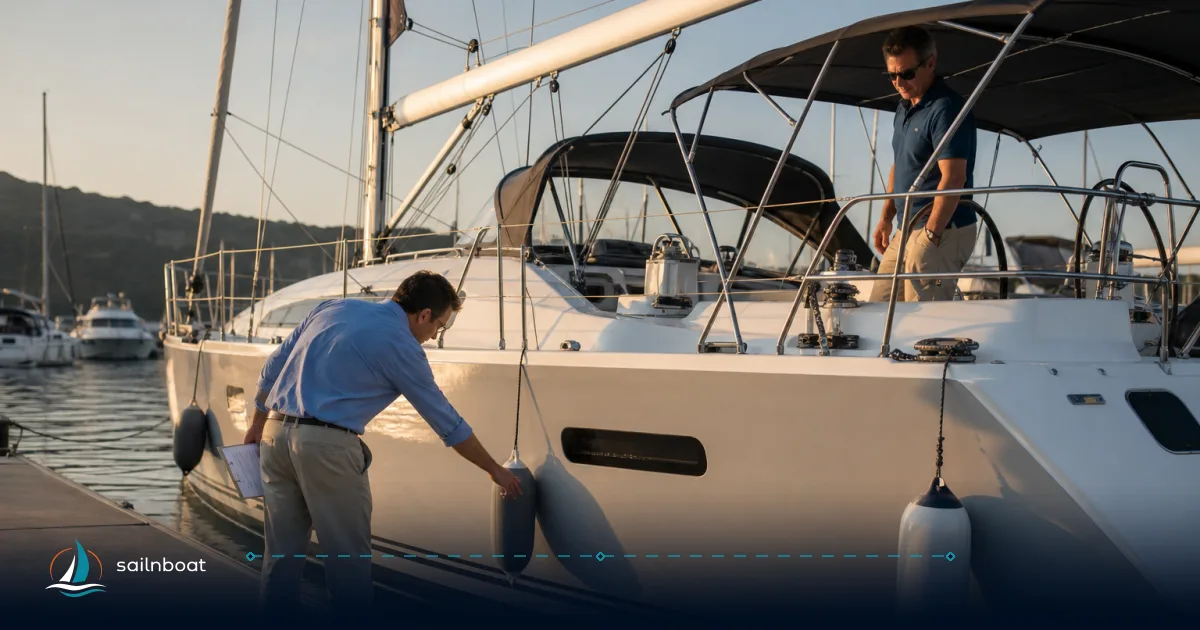
- Good brokers verify vessel identity and management, check that the owner or managing company is the correct counterparty, confirm crew and insurance, and validate the vessel’s listed equipment and charter status.
How you benefit
- Brokers will check registry entries, AIS history and the owner/management trail. For larger commercial or commercially‑operated yachts this often includes checking public registries or specialist databases to ensure the official number/registry matches the advertised boat. If a broker declines to share how they verified the yacht, treat that as a weak sign.
Risk-Assessment Checklist for Clients
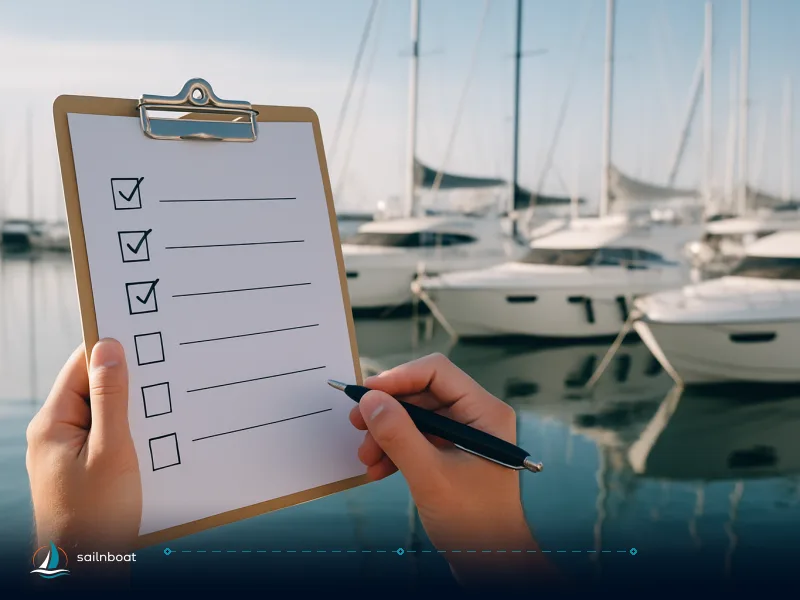
Before you pay anything, run this checklist with your broker or the listing contact. If any item is missing or resisted, stop.
Documentation to Request
- A fully completed and signed charter agreement (MYBA or CYBA where appropriate) showing the stakeholder/broker account.
- Proof of vessel registration (official number, flag state) and contact details of the management company or registered owner. Use registries or reputable databases to confirm the official number matches the boat.
- Broker identity and credentials: company registration, membership of recognised broker bodies (CYBA or equivalent), and a business bank account in the broker’s name. CYBA make membership and standing rules public; look for those signs.
- An invoice that itemises the payment schedule, shows the stakeholder account (or escrow instructions) and references the charter agreement clause that governs deposit and release.
Payment Practices
- Never move the deposit unless it is into the stakeholder/broker client account or an independently-managed escrow as specified in the signed contract. Many MYBA/CYBA forms expect deposits to be held by a stakeholder rather than an individual owner.
- Ask the broker for an explanation of the deposit schedule (how much and when). In many markets deposits are split (partial on signature, balance before embarkation) but timing varies by region and operator — take the schedule from the signed contract.
Safe Payment Practices When Booking
Below is a simple comparison you can use at a glance when deciding how to pay.
| Payment method | What it protects against | Practical downside | Risk level (typical) |
|---|---|---|---|
| Escrow (third‑party/client account/stakeholder) | Protects against non-delivery and unauthorized payouts when contract conditions are unmet | Requires correctly documented escrow instruction on the contract; may add fees | Low. Preferred where available. |
| Credit card (card issuer protection, chargeback) | Reversible charge in many dispute cases; gives you a dispute path | Merchant may refuse cards for high-value bookings; issuer timescales vary | Low–Medium. Use when issuer protections apply. |
| Bank wire to named stakeholder/broker business account | Fast, contract‑specified transfer to a business account | Irreversible if sent to wrong account; insist on written stakeholder details in the signed contract | Medium if stakeholder is named and verified; High if account is personal or unverified. |
| Direct payment to owner’s personal account | None — often the scam vector | No protections; funds are usually unrecoverable | High. Avoid. |
| Payment apps / gift cards / crypto | Often requested by scammers for irreversibility | Little/no recovery option; not appropriate for high-value charters | High. Avoid. |
| Cash | Usable onboard for APA or incidental costs, not for initial deposit | Untraceable and risky for large sums | High for deposits; limited use for small onboard payments. |
Recommended practical rules
- Prefer escrow or the stakeholder/broker client account named in a signed charter agreement. If a card payment is accepted, use it for at least part of the deposit to retain issuer protections. If a wire is necessary, verify the account name and bank details independently (phone the broker on a number you obtained from their corporate website, not the one in the payment instruction alone).
Recognizing Unsafe Practices
- Any request to change payment details mid-process (new account number in a reply to an old thread) without a formal, signed amendment is a common business‑email‑compromise trick. Treat any sudden instruction changes as suspect and call the broker on their published business number to confirm. Cyber‑fraud teams recommend a callback to a verified number whenever payment details change.
Immediate Steps If Fraud is Suspected
If you believe you are being scammed, act fast and document everything.
Reporting the Scam
- Notify your bank or card issuer immediately and ask them to block further payments and advise on chargeback or recall options. For card payments, file the dispute with your issuer; for wires, ask the bank to attempt a recall right away (speed matters). The CFPB and financial regulators emphasise contacting your financial institution as the first financial recovery step.
- File a report with the FBI’s Internet Crime Complaint Center (IC3) if in the United States, and with the national consumer authority (the FTC’s consumer complaint portal). If you are outside the US, report to your local police and national fraud reporting service. The IC3 receives internet‑enabled fraud complaints and is the central US reporting portal.
Ceasing Payments and Preserving Evidence
- Stop any ongoing scheduled payments immediately. If a transfer is in progress, notify your bank and request immediate intervention. Keep copies/screenshots of every message, invoice, bank transfer receipt and the original listing or advertisement. Record dates, times and the names of people you spoke to.
Work with Your Broker or Platform
- If you booked through a platform or third‑party broker, alert them immediately — reputable platforms have dispute channels and may be able to freeze a booking or block payouts. If the booking came via an independent contact, supply the documentation you’ve preserved to the authorities and your bank.
Final note on recovery expectations
- Recovery after a wire to a fraudulent account is challenging; success depends on speed, the receiving bank’s cooperation and whether funds are still traceable. Reporting to authorities and alerting your bank without delay gives you the best chance. Consumer agencies routinely emphasise acting immediately and documenting everything.
CTA
Review your booking process now: require a signed MYBA/CYBA contract with a named stakeholder, insist on escrow or card payment where possible, and run the short checklist in this article before you send any funds.
Frequently Asked Questions
The most common red flags are requests to pay into personal bank accounts or unfamiliar accounts, pricing far below market, vague or inconsistent broker communications, listings copied from legitimate sources, and pressure to pay quickly before you have a signed MYBA/CYBA contract.
Reputable brokers prevent scams by using standard MYBA or CYBA charter agreements with stakeholder clauses, verifying ownership and management with registries, keeping funds in broker client/escrow accounts, and maintaining transparent, documented communications.
Ask for a signed charter agreement (MYBA/CYBA), proof of yacht registration/official number, the owner or management company’s contact details, broker membership or licence credentials, and written invoicing showing the stakeholder/escrow bank account.
Prefer escrow services or card payments (issuer protections); use the stakeholder/broker’s client account mandated by the charter contract; avoid cash, gift cards, and payments to personal accounts or unknown bank details.
Immediately cease further payments, notify your bank/card issuer and request a stop or dispute, preserve all messages and receipts, notify the broker platform (if used), and report the incident to IC3/FTC (or local policing agency) while keeping detailed records.
Written by
Sailnboat Editorial
The Sailnboat editorial desk covers yacht and boat chartering worldwide — routes, bases, seasons, boat types, paperwork and the practical costs that decide a trip. We are a charter marketplace, not a boat owner or a local agency: what we sell is judgement and support, so our guides are written to help you make a decision, not to sell you a specific boat. Every guide is checked against live operator and marina data before it goes out.
Fact-checked against live operator and marina data, and published under our editorial standards. Last reviewed: .