Understanding Yacht Insurance: Essential Guide for Charterers
Clear, practical guidance on yacht insurance for charterers: what H&M and P&I cover, charterer liability, optional add‑ons, how premiums are set and ways to lower costs.

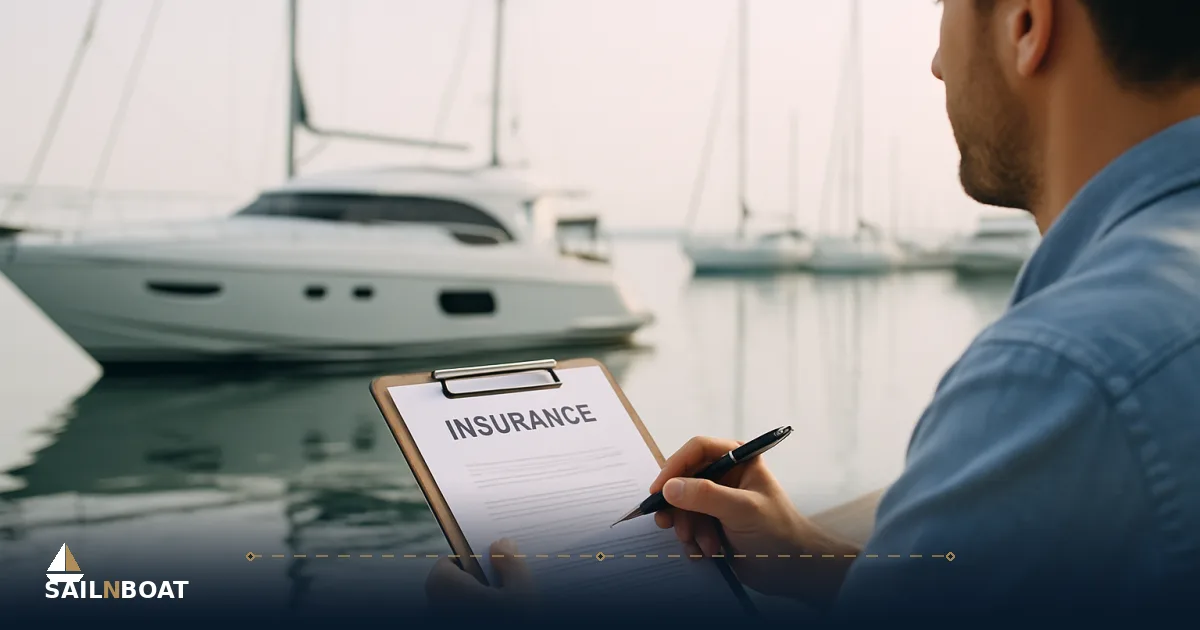
Yacht insurance is the two‑part safety net every charterer should understand: Hull & Machinery (H&M) protects the boat itself, while Protection & Indemnity (P&I) covers third‑party liabilities such as injury, collision and pollution.
Types of Yacht Insurance Policies
Common Policy Types
-
Hull & Machinery (H&M): the policy that pays for physical damage to the yacht—hull, machinery, engines, navigation equipment and scheduled items—normally on an agreed‑value basis and subject to stated perils and exclusions. H&M is the foundation of any yacht programme.
-
Protection & Indemnity (P&I): marine liability cover that handles third‑party claims (bodily injury to guests or crew, damage to other craft, pollution costs and related legal defence). P&I historically sits with P&I clubs for merchant shipping but is provided either via clubs or insurer wording for yachts.
-
Charter liability endorsements / Charterers’ Liability: when a yacht is offered for commercial use (skippered or bareboat charter), owners or charter platforms typically require endorsements that explicitly insure liabilities the charterer or operator accepts—this can be supplied as a charterers’ liability policy or an endorsement to the owner’s policy. These products address care, custody & control (CCC) exposures and passenger liabilities that a pleasure policy may not include.
How these layers are packaged varies by vessel value and use: private pleasure yachts often combine H&M + P&I in one policy; commercial/charter risks are underwritten with specific terms, higher limits and different deductibles.
Understanding Hull and Machinery Coverage
Coverage Components
-
What H&M pays for: sudden, accidental physical loss or damage to the insured vessel and specified gear (collision, grounding, fire, storm, machinery failure from an insured peril). Policies commonly include salvage and wreck removal up to stated limits and may respond for general average contributions when applicable.
-
Valuation: many yacht policies use an agreed value (the insured and insurer agree a hull value) rather than actual cash value; agreed value avoids depreciation adjustments in the event of a total loss. Confirm which valuation method your policy uses.
-
Deductible / excess: every H&M policy has an excess you pay for each loss. Deductibles vary widely by insurer and hull value; raising the excess reduces premium but increases your out‑of‑pocket cost if something happens. Underwriters also apply named‑storm or hurricane excesses in exposed regions.
Typical exclusions and limitations
- Wear-and-tear, corrosion, gradual deterioration, latent defects, mechanical breakdown caused by lack of maintenance and routine servicing are typically excluded from H&M cover. Racing and unauthorised commercial use are frequently excluded unless specifically endorsed. Exclusions and defined navigation limits are underwriting critical items—breaching them can affect a claim.
Importance of Protection and Indemnity (P&I) Insurance
Key Benefits
-
Third‑party bodily injury and passenger claims: P&I pays claims from guests or crew injured aboard the yacht and legal defence costs; for crewed commercial charters, P&I often includes Jones Act or equivalent exposures where applicable.
-
Property damage to other vessels and port infrastructure: collisions and contact claims are generally P&I territory. These liabilities can exceed hull repair bills and attract legal costs, so limits matter.
-
Pollution and environmental response: P&I provides cover or endorsements for pollution clean‑up and regulatory fines where permitted by law or policy wording; many policies include separate pollution limits or extensions. Pollution costs can be substantial compared with hull repairs.
Why charterers should care: when you charter a vessel, the allocation of liability between owner and charterer is defined in the charter party—commercial charters commonly require P&I cover for passenger and pollution liabilities and may require the charterer to produce evidence of cover. Insurers treat chartered yachts as higher exposure than private use, so underwriting and required limits differ.
Additional Coverage Options for Charterers
Optional Coverages
-
Medical payments (MedPay): first‑party payment for medical treatment of injured persons aboard, often with fixed per‑person limits; useful for immediate care regardless of fault.
-
Personal effects coverage: protects guests’ clothing, cameras, phones and personal gear while aboard—limits and depreciation rules apply. Useful for charterers who frequently carry guests’ belongings.
-
Emergency towing, assistance and wreck removal: policies typically offer emergency towing and salvage assistance; wreck removal is often explicitly covered up to policy limits and in many jurisdictions removal is a legal obligation.
-
Pollution/environmental liability: available as an endorsement or within P&I; covers cleanup costs, fines where permissible and third‑party claims arising from fuel or oil discharge. Many standard hull policies exclude pollution unless added.
-
Crew cover, wage/repatriation and medical for paid crew: crewed charters need specific wage, repatriation and medical provisions to meet flag and local law — these are standard items on commercial programmes.
Trade‑off: optional covers add premium but close real risks that commonly arise on charters. Match limits to passenger numbers and the charter contract’s indemnities.
Selecting the Right Yacht Insurance Policy
Factors to Consider
-
Assess your chartering needs and risks: number of passengers, whether the yacht is crewed, planned cruising ground (coastal, offshore, hurricane zones), and anticipated frequency of charters. Underwriters quote by risk profile—be honest; inaccurate declarations can jeopardise a claim.
-
Compare quotes from specialist marine insurers: specialist yacht underwriters understand marine risks and usually offer broader, clearer wordings than generalist carriers. Obtain sample policy wordings and compare limits (pollution, wreck removal, legal defence) not just price.
-
Understand key policy terms: agreed value vs actual cash value; named perils vs all‑risks; navigation limits; excesses (including storm/named perils); and what constitutes an excluded activity (racing, illegal carriage, commercial day‑charter without endorsement). Ask for the clauses in plain language and get written confirmation for any oral promises.
Cost Considerations and Premium Variability
Factors Influencing Premiums
-
Yacht size, type and insured hull value: hull value is the primary driver — premiums are typically expressed as a percentage of that value. Sail, motor and catamaran hulls price differently due to construction, complexity and claims history.
-
Charter usage and frequency: commercial/charter exposure draws loading; daily passenger turnover, paid crew and professional operations raise the premium.
-
Navigation area: operating in hurricane zones, remote expedition areas or high‑risk piracy zones attracts extra premium or exclusions; staying inside well‑defined coastal limits generally lowers cost.
-
Claims history and operator profile: your personal or the owner’s claims record, operator qualifications and safety equipment set underwriting terms. A clean claims history and demonstrable safety measures can reduce renewal pricing.
Typical cost ranges (planning figures)
- As a planning figure, yacht premiums commonly range from roughly 0.5% to several percent of the agreed hull value annually, with pleasure sailboats often at the lower end and commercial/charter or high‑value motor yachts toward the higher end; exact pricing depends on underwriting factors above. Expect charter loadings compared with private pleasure use. (Market analyses and broker guides present ranges rather than a single industry number because underwriting appetite varies by vessel, region and insurer.)
Cost trade‑offs: higher limits for pollution or passenger liability add relatively little to the total premium in many cases, but specialist extensions (expedition cover, fine art onboard, cyber risks) can be expensive and should be selected deliberately.
Common Exclusions in Yacht Insurance Policies
Exclusion Examples
-
Negligence, lack of maintenance or wear & tear: routine deterioration and claims resulting from inadequate maintenance are generally excluded and can void cover if cited as a proximate cause.
-
Use for illegal activities or unauthorised commercial operations: using a vessel outside declared use (e.g, carrying fare‑paying passengers without a charter endorsement) frequently voids the policy. Underwriters require declared use; do not assume a pleasure policy covers commercial charters.
-
Damage during off‑hire or in lay‑up without agreed lay‑up cover: hull policies often limit or exclude losses when the vessel is ashore or laid up unless specific lay‑up insurance is purchased.
-
Pollution carve‑outs: pollution and environmental fines may be excluded or limited unless P&I or a specific pollution endorsement is in place. Cleanup costs can be larger than hull losses.
-
Racing, reckless operation or exceeding navigation limits: these are standard exclusions unless a racing endorsement is purchased or the policy specifically permits certain activities.
Practical step: read the exclusions section word for word and raise any ambiguous term with the broker before you sign the charter party or policy.
Final checklist for charterers (practical, step‑by‑step)
- Ask the owner/operator for the policy certificate and a short policy summary that shows H&M limits, P&I/charter liability limits, navigation area and excesses. If you’ll be named on the charter party as taking on liabilities, request written proof that charterer’s liability cover is in force.
- Confirm optional covers you need: medical payments for guests, personal effects, pollution and emergency towing — buy what matches your cruise profile.
- Check operator qualifications and local licence needs; document skipper experience and training if this helps underwriting. Many underwriters favour experienced operators and may offer better terms.
- Keep a copy of incident procedures and present prompt, accurate statements if something happens—delayed or inaccurate reporting can harm a claim.
- If you organise a bareboat or commercial charter, work with a broker experienced in charter programmes to secure correct endorsements and appropriate limits.
You do not need to accept the first figure you’re quoted: comparison of specialist marine wordings will often find material differences in what looks like a similar price.
CTA Review the owner’s policy certificate before you sign the charter party and discuss any gaps (passenger limits, pollution, personal effects, medical cover) with a specialist marine broker so you charter withconfidence and appropriate cover.
Keep both physical and digital copies of the policy certificate and emergency numbers in your skipper pack; make sure the insurer’s 24/7 claims line and your broker’s contact are easy to access ashore and at sea. During handover, document the state of safety equipment (EPIRB, lifejackets, fire extinguishers) and log fuel and engine hours—insurers treat good paperwork as part of loss prevention.
If you will carry paying passengers or run a commercial schedule, obtain charterer’s liability and passenger‑risk endorsements before departure; arranging these after an incident is often difficult and can be expensive. Many underwriters also ask for crew contracts, wage/repatriation cover and proof of medical arrangements for paid crew on commercial charters.
Treat the policy wording as an operational tool: use navigation limits, excluded activities and equipment warranties to shape your cruise plan and guest briefings. Doing so reduces the chance of disputes and helps keep renewal terms and premiums reasonable.
If you want a second opinion, Sailnboat regularly reviews charter certificates and can point out gaps that matter at claim time (passenger limits, pollution exposure, personal effects and medical cover). Bring the policy to your broker or to us before you sign the charter party so you leave the marina with clear responsibilities and the insurance you actually need.
Frequently Asked Questions
The main layers are Hull & Machinery (H&M) for physical damage, Protection & Indemnity (P&I) for third‑party liability, and specific charterer’s liability endorsements that cover liabilities a charterer may assume. Commercial/charter use is underwritten differently from private pleasure use.
H&M covers sudden, accidental physical damage to the vessel and its machinery—hull, engines, propulsion, navigation equipment—and usually includes salvage, wreck removal and general average where specified, but not gradual wear, maintenance failures or design defects.
P&I covers legal liabilities to third parties—injury to guests or crew, damage to other vessels, pollution clean‑up, and legal costs—which are the largest financial risks in a passenger or crewed charter scenario.
Typical add‑ons useful for charters include medical payments, personal effects coverage, emergency towing/salvage, pollution/environmental liability and, for crewed vessels, crew protection and wage/repatriation cover.
Sizing premium risk: keep realistic navigation limits, declare true use, maintain a clean claims record, install security and safety equipment, demonstrate operator experience or qualifications, and compare specialist marine insurers rather than generalist policies.
Written by
Sailnboat Editorial
The Sailnboat editorial desk covers yacht and boat chartering worldwide — routes, bases, seasons, boat types, paperwork and the practical costs that decide a trip. We are a charter marketplace, not a boat owner or a local agency: what we sell is judgement and support, so our guides are written to help you make a decision, not to sell you a specific boat. Every guide is checked against live operator and marina data before it goes out.
Fact-checked against live operator and marina data, and published under our editorial standards. Last reviewed: .