Top Tips for Chartering a Yacht for the First Time: Avoiding Common Pitfalls
Practical, step-by-step advice to plan your first time yacht charter: choose the right boat and destination, budget for APA and gratuity, pack light, and keep your crew safe.

First-time yacht charterers make the same avoidable mistakes: choosing a boat too large for their skills, under-budgeting for on-the-water costs, overpacking, and not assigning responsibility onboard. For a first time yacht charter, start by picking a boat and itinerary that match your seamanship and social needs, budget for an APA float (commonly 25–35% of the charter fee) and a gratuity for the crew (many operators suggest around 15–20%), then plan packing, safety and communication so the week runs smoothly.
Choosing the Right Yacht and Destination
The single best decision on day one is matching boat complexity to your crew’s experience.
Selecting the Right Yacht Size
- Group size vs cabins: plan one cabin or private sleeping space per couple or two people; if your party includes single travellers, plan cabin-sharing or rent an extra cabin. For social charters (friends who want separate space) pick a layout with ensuite cabins for privacy.
- Complexity matters more than length: a 40–45 ft yacht with simple systems is easier to run than a 60 ft yacht with complex engine, systems and tender operations. If you and your crew have limited experience, prefer a smaller boat or hire a captain.
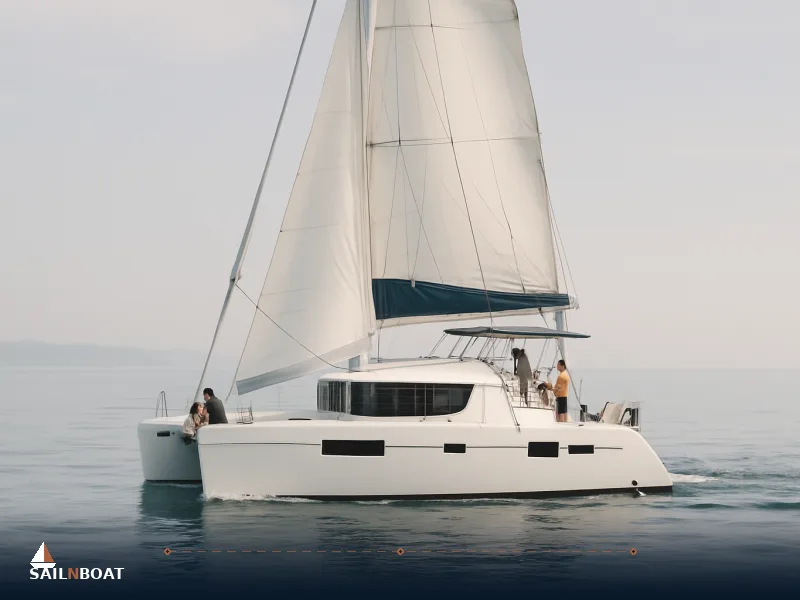
- Catamarans vs monohulls: catamarans give more social deck and stable ride at anchor; monohulls typically point higher into wind and heel under sail. Choose by the mix of comfort, sailing style and marina space required.
- Ask the operator these specific questions before you book: number of berths vs cabins, draught (important for shallow anchorages), generator size (if you plan to run air-con extensively), and whether the yacht carries your planned toys (SUPs, dive kit).
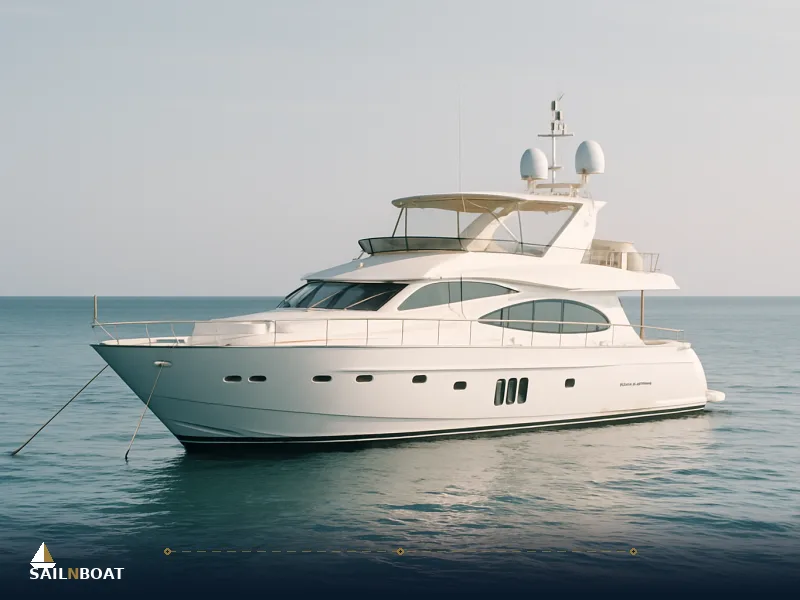
- Trade-offs: larger yachts offer more space and amenities but increase costs (higher APA, more crew) and usually require a professional crew; smaller yachts are cheaper to run but have less privacy and fewer comforts.
Picking the Ideal Destination
- Short hops for a first charter: stay inside a compact cruising ground so you can return to base quickly if conditions change; Mediterranean bays and island chains are commonly chosen for this reason.
- Consider access and travel time: factor in flight schedules, airport transfer time to the marina, and local entry/exit formalities (some countries require additional paperwork).
- Local season and prevailing winds: research typical seasonal wind patterns for your window — these will determine daily mileage and suitable anchorages. If you prefer gentle cruising with short hops, pick regions and months known for lighter prevailing winds.
- Local regulations: some regions require specific certificates or have marine-protected areas with anchoring restrictions; ask your broker or the charter base for destination-specific rules.
Understanding and Managing Costs
Budgeting correctly prevents the biggest surprise on day seven: a large APA shortfall or an unexpected marina bill.
Base Charter Fee and Additional Costs
- What the base fee covers: typically the boat hire, crew wages and the yacht’s insurance and base equipment. It generally does not include fuel for passage or long generator use, food and drink you consume, berthing away from the home base, VAT where applicable, or crew gratuity.
- Common additional costs to forecast:
- Fuel for the yacht and tender (can be a significant line item, especially on motor yachts).
- Berthing and marina fees outside the home base.
- Local taxes/VAT and customs clearance charges where applicable.
- Special services: private chefs ashore, excursions, or extra crew like dive masters.
- Check-in/check-out logistics: in many Mediterranean bases, embarkation and disembarkation times are set by the operator and can vary widely; bases often require the yacht to return to home port the evening before final disembarkation to allow check-out. Always confirm exact times with your charter operator as they differ by company and region.
Advance Provisioning Allowance (APA) and Gratuity
- APA explained: most crewed charters ask for an APA — a cash float to cover provisioning, fuel, port fees and other running costs during your charter. As a working rule, expect APA to commonly be set at roughly 25–35% of the base charter fee, though it varies by yacht type, itinerary and operator; motor yachts and long repositioning passages often require a higher APA. Treat the APA as a working bank account: the captain keeps receipts and returns unspent funds at the end.
- Payment timing: operators commonly request APA along with the final charter balance, often around 30 days before embarkation — check your contract for exact timing and acceptable payment methods.
- Crew gratuity: tipping the crew is customary and separate from APA. Many charter contracts suggest a gratuity in the region of 15–20% of the charter fee as a standard benchmark; the final amount should reflect service level and your satisfaction. Gratuity is usually handed to the captain in cash at the end of the charter unless otherwise arranged.
- How to budget: add base fee + APA (25–35% typically) + expected fuel/berthing extras + a gratuity line (15–20% suggestion) and a contingency of 5–10% for unexpected items. Discuss anticipated hotspots (long fuel legs, popular marinas, special provisioning requests) with your broker so the APA is set appropriately.
Packing Essentials and Onboard Etiquette
Good packing and clear onboard rules make a big difference in comfort and storage.
Essential Packing Items
- Bags: use soft duffel bags (no hard suitcases) — they pack into lockers and under berths far more easily.
- Footwear: non-marking deck shoes for sailing and a pair of lightweight trainers for shore; a pair of slip-on sandals for docks is useful.
- Clothing: layers, a waterproof shell, and one smarter outfit if you plan to dine ashore.
- Protection and health: reef-safe sunscreen, sunglasses with a strap, hat, personal seasickness medicine if you are prone to motion sickness, and a small personal first-aid pack. The yacht will carry a full medical kit but bring any prescription meds in original packaging.
- Documents and cash: passport copies, emergency contacts, boarding paperwork and some local currency for small marina fees and tips.
- Electronics: small powerbank, waterproof phone pouch, and chargers; some yachts charge for heavy generator use (air-conditioning) so minimise needless power draw.
Onboard Etiquette
- Stowage discipline: assign each guest a locker and keep common areas uncluttered — less clutter equals fewer tripping hazards and easier housekeeping for the crew.
- Respect ship’s systems: don’t move lifejackets, safety kit, or tools; let crew handle maintenance and linework unless they ask you to assist.
- Noise and schedules: observe quiet hours in the marina and follow the captain’s call on late-night manoeuvres and tender runs.
- Meals and provisioning: if you have dietary constraints, notify the crew well in advance and add special items to provisioning lists rather than expecting last-minute purchases.
- Clean as you go: small shared tasks (clear your plates, rinse swimwear) keep the crew focused on safety and hospitality rather than constant cleaning.
Safety Precautions and Weather Considerations
You cannot control the weather, but you can prepare for it.
Monitoring Weather Conditions
- Forecast routine: agree with the captain to review marine forecasts at least twice daily — morning for the day and evening for the next 24–36 hours — and update the plan if conditions shift.
- Build flexibility: plan shorter hops and identify safe harbours or alternative anchorages near your route so you can seek shelter quickly if wind or swell increases.
- Understand local patterns: some regions have predictable daily sea breezes or stronger seasonal winds; factor these into your daily mileage targets.
- Safety windows: if a passage requires leaving before dawn or sailing long offshore legs, confirm that the crew and boat experience match the forecasted sea state; avoid ambitious mileage on a first charter.
Safety Equipment and Procedures
- Walk-through on embarkation: insist on a full safety briefing that covers lifejackets, man-overboard procedures, fire extinguisher locations, VHF channels, and the location of the medical kit.
- Know the chain of command: the captain is the final authority for navigation and safety — delegating tasks is fine, but decisions about routes and weather responses rest with them.
- Emergency contacts and medevac plan: confirm local emergency numbers, nearest hospital locations and any medevac procedures for your cruising area.
- Fuel and range planning: for motor legs, plan fuel reserves and ask the captain how much fuel is considered “buffer” for the yacht — fuel shortfalls are a common, costly mistake.
Crew Selection and Communication
Good interpersonal organisation onboard reduces friction and keeps operations efficient.
Selecting Your Crew
- Experience match: for a first time yacht charter, consider hiring a professional captain (and chef if you want fuss-free provisioning) rather than relying on a novice at the helm.
- Compatibility: if you hire additional crew (hostess, deckhand), aim to match personalities and service expectations — discuss service level (formal vs relaxed) with your broker.
- Team size: a larger yacht needs more crew and increases costs (more wages, larger APA); decide if the extra space and service justify the additional expense.
Maintaining Open Communication
- Role assignments: before departure, assign clear responsibilities — provisioning lead, tender/skipper for shore rides, watch leader for overnight legs, head medic — and ensure everyone accepts their remit.
- Daily briefings: run a short planning meeting each morning that covers the day’s route, weather, meals, responsibilities and any medical or admin items.
- Keep lines short and formal where safety is concerned: use clear commands for linework and docking; unnecessary debate during critical manoeuvres increases risk.
- Resolve issues early: if a guest has a complaint about provisioning, cleanliness or schedule, raise it calmly with the captain — they can usually fix it quickly and will do so more willingly if informed respectfully.
Start the week with clear expectations — about meals, guest involvement, evening plans and tipping — and most interpersonal issues disappear.
Start planning your first yacht charter with confidence: pick the right-sized boat, budget APA and gratuity into your total, pack light, respect onboard routines and keep the weather and safety plan simple and flexible. If you want, we can review your intended itinerary and produce a one‑page checklist (budget, check-in/out times, provisioning list and safety briefing points) tailored to your chosen destination.
Frequently Asked Questions
Choose a yacht sized to your group's needs and seamanship: allow one cabin or private space per couple or two people, keep the guest count within the yacht's designed sleeping capacity, and prefer a smaller, simpler layout if your crew is inexperienced. Discuss your intended itinerary and comfort needs with your broker or base — they will advise an appropriate model and layout.
The base charter fee normally covers the hire of the yacht, crew wages and the yacht’s insurance; it does not usually cover fuel, provisioning, berthing away from base, APA items or crew gratuity, which are paid separately.
Pack soft duffel bags (hard suitcases are hard to stow), non-marking deck shoes, layered clothing, reef-safe sunscreen, seasickness tablets if you are prone to motion sickness, a small personal first-aid kit and copies of travel documents.
Check professional marine forecasts at least twice daily, discuss expected windows with your captain, and plan a flexible route that allows quick sheltering in nearby ports or bays when conditions change.
Assign roles before departure (provisioning lead, watch leader, tender driver, medic), run a short safety briefing on embarkation, hold daily planning/check-in meetings, and keep communications simple and task-focused while respecting the captain’s authority on navigation and safety.
Written by
Sailnboat Editorial
The Sailnboat editorial desk covers yacht and boat chartering worldwide — routes, bases, seasons, boat types, paperwork and the practical costs that decide a trip. We are a charter marketplace, not a boat owner or a local agency: what we sell is judgement and support, so our guides are written to help you make a decision, not to sell you a specific boat. Every guide is checked against live operator and marina data before it goes out.
Fact-checked against live operator and marina data, and published under our editorial standards. Last reviewed: .