Our First Bareboat Week: What We Learned
A candid, operational account of our first bareboat charter week: why boat choice and crew roles made the trip, how weather rewrote our route, and the provisioning system that kept the galley working.

Our bareboat charter experience taught us immediately that the trip hinges on three decisions made before you step aboard: the right boat for your crew, a realistic provisioning plan, and a simple, enforced watch/role schedule.
Planning and Preparation: Selecting the Right Destination and Boat
We chose the British Virgin Islands (BVI) for our first bareboat week because the ground rules are forgiving: short passages, many sheltered anchorages and line‑of‑sight navigation that makes route planning straightforward. The BVI’s reliable trade winds during the high season typically sit in the mid-teens (knots) and offer predictable sailing conditions — that predictability is why many charterers pick the islands for a first bareboat cruise.
Things to decide before you book
- Crew skill vs. boat size: a larger boat gives more space but requires more systems knowledge (diesel, genset, waste systems). For a crew who has done coastal daysails but not multiday passages, plan for a 34–47 ft monohull rather than a 50+ footer.
- Keel and draft: shoal keels and lifting keels let you access more shallow anchorages; deep keels sail better upwind. If your destination has shallow anchorages or reefs, prefer shoal or lifting‑keel options.
- Base facilities and logistics: pick a base with easy provisioning delivery, a sensible check‑in window and clear guidance about security deposits and insurance.
Choosing Your Destination
- Why the BVI: short hops between islands, little tidal swing, and many marked anchorages make it forgiving for a first multiday bareboat. If you prefer less wind and longer passages, look elsewhere — each destination brings trade‑offs (wind, crowding, provisioning options).
- Season and weather: avoid the hurricane season (officially June–November) for your first trip; peak charter windows (December–April in the BVI) deliver steadier trade winds but also higher charter rates and busier anchorages.
Selecting the Right Vessel
- Example models we evaluated: the Jeanneau Sun Odyssey 350 and Sun Odyssey 479 are common in charter fleets and represent different trade-offs. The Sun Odyssey 350 is a compact, well‑balanced cruiser with a standard draft near 1.98 m (6′6″) and light displacement suited to nimble handling; the Sun Odyssey 479 steps up to more interior volume and a deep‑keel option (standard draft roughly 2.24 m / 7′4″, with shoal options available). Match cabin count and galley layout to how you will live aboard.
- Practical trade-offs: choose a boat with an electric windlass and a reliable chartplotter at a minimum. A bow thruster helps docking but is not a substitute for practiced crew coordination.
Onboard Experience: Daily Operations and Crew Coordination
What made our week better than good was how we organised the crew on day one. Routine removes stress.
Establishing Crew Roles
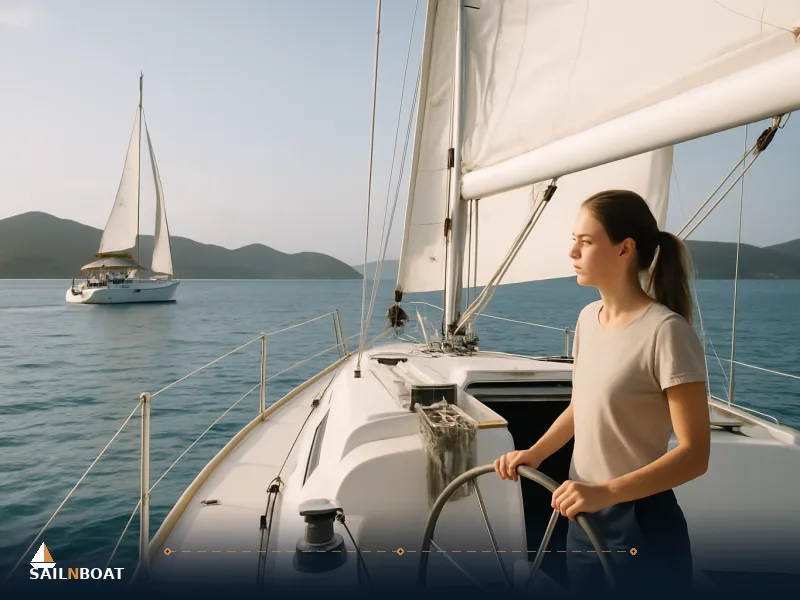
- Assign named roles on day one: Skipper (overall decisions), Helm (steering), Bow (lines and fenders during docking), Navigator (charts, watches), Galley (meals). Keep roles short and explicit; rotate them across days so less experienced crew get time at helming and bow work.
- Simple written checklist: we kept a laminated page in the cockpit with: morning briefing time; where the charts and paper log are; how to start the engine; VHF channels; and where spare engine oil and fuses are. This reduces repeated questions and speeds handover.
Daily Sailing Routines
- Morning briefing: 10–15 minutes before casting off to state the intended route, forecast for the day, fuel/state of charge, and provisioning needs. Name the decision point — a waypoint or time after which you’ll decide to continue or alter course.
- Watch system: for night or longer passages, use short, practical watches (two people for four‑hour shifts works). For coastal day sailing in busy anchorages daytime is single‑watch but keep one person responsible for navigational lookouts.
- Handover and inventory: at handover the base will normally run through safety equipment and inventory — take time to cross‑check the inventory list and photograph any existing damage; this saves disputes at check‑out.
Check‑in, security deposit and expectations
- Typical charter check‑in is late afternoon and check‑out mid‑morning (many bases use 16:00/09:00). A refundable security deposit (credit‑card hold or cash) is standard at check‑in to cover excesses and damage; policies and amounts vary by operator and location. Plan to leave the hold on a primary card during the charter.
Navigational Challenges: Weather Considerations and Route Planning
Weather impacted our plans more than any other single factor. The ability to pivot quickly is the defining operational quality of a good crew.
Understanding Weather Patterns
- Local averages matter: for the BVI expect easterly or north‑east trade winds that commonly sit in the mid‑teens (knots) during the main season, with stronger gusts possible in the peak winter months. That steady wind makes planning sail legs easy but also concentrates boats in lee anchorages; plan to arrive early at popular spots.
- Forecast sources and redundancy: run a minimum of two forecast sources (a GRIB/wind app plus an official meteorological service) and reconcile them in the morning briefing.### Route Planning Tips
Balance curiosity with conservative daily distances: aim for short hops of 5–25 nm rather than marathon legs. Shorter legs give you time to sort provisioning, make a midday engine check, and arrive at anchorages while there's still daylight to choose your spot. Name at least two safe harbours or anchorages for each leg — primary and contingency — and identify a decision point (time or waypoint) in your morning briefing when you will either commit or divert.
Practical knobs to set:
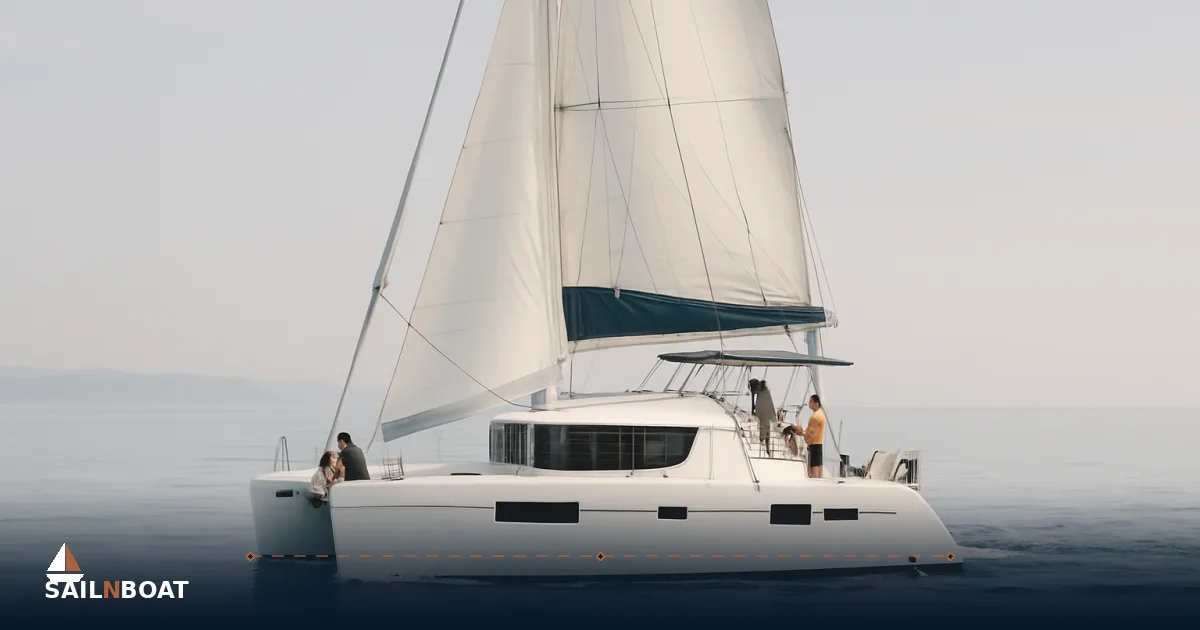
- Average speeds: plan on a working average of roughly 6–8 knots for a 34–48 ft monohull under mixed sail/motor conditions; catamarans typically cruise a few knots faster. Use the lower end of the range when planning arrival times in tight anchorages.
- Fuel and engine time: check the charter inventory for remaining fuel at handover and ask the base how many engine hours are usual between fills for your model; if you intend long motor passages or motoring into wind, budget extra fuel and allow time to refuel ashore.
- Arrival timing: plan to arrive at popular anchorages or marinas by mid‑afternoon (around 15:00) when space is still available and before winds typically increase in the evening.
- Night passages: avoid them for your first week unless you have logged night hours and a clear watch plan; if you must, restrict to short, well‑lit channels and two‑person watches.
Docking and Mooring: Techniques and Common Mistakes to Avoid
Docking and mooring caused more anxiety than any other single task until we enforced simple discipline. Our rule: one person in charge, one person on the bow, one person on the stern, and the skipper able to take immediate control of the engine.
Step-by-Step Docking Procedures
- Prepare before approach: fenders out on the side you will hit, lines coiled and handed to bow and stern crew, engine warm and in gear, cockpit clear of loose gear.
- Communicate the plan: name who will handle bow and stern lines and who will step off with the cleat; confirm which cleats you will use on the dock.
- Approach slowly: come in at an angle of roughly 30° to the dock, driven by steerage rather than speed, so you can pivot to parallel once the bow or stern contact is made.
- Use engine and rudder together: keep gentle forward or reverse thrust available to control momentum — avoid neutral coasting into a berth.
- Take spring lines early: a stern or bow spring line allows you to use the engine to pull the hull in, then ease onto shore lines; this controls forward/backward movement while you adjust fenders.
- Finalise with two forward and two aft lines and a centre stern or bow line if available; adjust chafe points and check cleats are set.
Anchoring basics (when using anchor rather than a marina)
- Choose a clean holding ground and check depth and bottom type on the chart. Set your anchor with a slow reverse until the boat is snug and the rode is tensioned.
- Scope: start with a scope of around 5:1 under calm conditions and increase toward 7:1 in stronger winds or when swell is present; more scope increases holding.
- Back‑down test: after setting, apply gentle reverse throttle to test holding for at least two minutes before committing.
Common Mistakes and Fixes
- Rushing the approach: slow down earlier; a slow correction is easier than a fast, last‑second one.
- Fenders in the wrong place: place fenders where the hull will touch and adjust them on approach rather than after you hit the piling.
- Confused communications: use short, clear commands and repeat critical instructions once — “Bow line, ready” / “Bow take the line.”
- Overreliance on engines: plan berthing so you use the engine for fine control only; practice handlining a stern or bow tie to learn rope feel.
- Insufficient scope when anchoring: always add scope if the wind forecast strengthens or swell increases.
Provisioning: Managing Supplies and Budgeting for the Trip
Provisioning was the background task that determined our comfort level. A little organisation upfront changes a week from chaotic to smooth.
Budgeting for Supplies
- Per‑person food budget: depending on tastes and alcohol consumption, expect provisioning costs per person per day to vary widely depending on location, dietary preferences, and whether you eat ashore frequently; confirm typical costs with your charter operator or recent travelers. Alcohol raises costs quickly — plan an extra allowance if you like beer or wine with meals.
- Incidentals and fuel: set aside a separate contingency fund for marina fees, fuel, and unexpected items; the amount needed will depend on your itinerary, region, and how many nights you plan to spend in marinas—confirm typical costs with your charter operator.
- Provision delivery: many bases accept supermarket deliveries to the dock or will do a provisioning run for you; use that service for bulk items (water, large packs of meat, beer) to save time.
Meal planning and shopping
- Seven‑day meal plan: make a simple plan of breakfasts, lunches and dinners that minimises fresh produce waste (e.g, use salad leaves early, citrus later). Write meals on a whiteboard or printed list and tick ingredients off as you pack.
- Cooking and stove use: plan simple one‑pot suppers and grilled fish where possible; galley space and ventilation are limited, so avoid complex baking projects.
- List essentials: long‑life staples (pasta, rice, tinned tomatoes), spices, olive oil, coffee, tea, sugar, condiments, biscuits and snacks. Include emergency rations (ready meals, energy bars) and a basic first‑aid kit with seasickness remedies.
Efficient Storage Management
- Remove excess packaging: transfer bulk items into stackable, airtight boxes or resealable bags; this frees locker space and keeps moisture and pests out.
- Cold‑store strategy: use the freezer for proteins you’ll eat later in the week and keep dairy for early consumption. Defrosted items should be eaten within a day or two.
- Weight distribution: heavy and dense items (water, canned goods) belong low in the hull near the centreline to preserve stability.
- Label and rotate: label containers with contents and intended day; rotate food forward in the locker so the items for the next day are accessible without rummaging.
Waste and water management
- Waste reduction: compress packaging and store wet waste separately; many marinas will accept sorted rubbish but rules vary by country and season.
- Water rationing: check freshwater capacity on the inventory. Conservative use of showers and dishwater extends reserves; topping up at marinas or arranging delivery is straightforward in most charter areas.
What we would do differently next time
We would pick a slightly smaller boat for tighter crew numbers, leave more margin in our daily plans, and pre‑order heavy provisions for delivery to the base. We would also schedule an extra half‑day at the start solely for systems familiarisation: winches, navigation displays, and a full engine‑and‑systems walk‑through with the base technician.
Final practical checklist before you go
- Confirm certification and logged experience requirements with the base and bring originals and scanned copies.
- Print or download paper charts for your intended area and mark primary/contingency anchorages.
- Make a laminated cockpit checklist with crew roles and VHF channels.
- Order bulky provisions to be delivered to the base and bring a modest contingency fund for unforeseen costs.
- Agree a simple dispute resolution: photograph the inventory and any existing damage on handover and keep a dated log.
Apply these lessons and your first bareboat charter experience will be defined by time at the wheel and time at anchor, not by avoidable mistakes. Plan conservatively, assign and rotate roles, provision deliberately, and build simple weather contingencies into every day — that is the formula that turned our first week from a stress test into an effective learning cruise, and it will do the same for you. Plan your own bareboat charter and apply these lessons for a successful experience.
Frequently Asked Questions
Many charter companies accept proven practical certificates such as NauticEd’s Bareboat Charter Master, the RYA Day Skipper, or ASA 104 (Bareboat Cruising); demand varies by operator and country and some bases ask for logged experience in addition to a certificate.
Start with realistic daily distances (short hops), name at least two safe harbours per leg, protect against weather by pencilling in anchorages with good wind shadow, and allow reserve time for provisioning or repairs.
Make a seven-day meal plan, order heavy or bulky items to be delivered to the base before boarding, use airtight containers, and budget per person per day for food and drink to avoid mid-week surprises.
Call the base if the forecast deteriorates; alter the route to sheltered anchorages, reduce sail early, and be prepared to motor to a safe harbour — flexibility and early decisions keep risk low.
Underestimating provisioning effort, unclear crew roles, rushing docking, and not building a simple weather contingency plan are the mistakes most likely to spoil a week.
Written by
Sailnboat Editorial
The Sailnboat editorial desk covers yacht and boat chartering worldwide — routes, bases, seasons, boat types, paperwork and the practical costs that decide a trip. We are a charter marketplace, not a boat owner or a local agency: what we sell is judgement and support, so our guides are written to help you make a decision, not to sell you a specific boat. Every guide is checked against live operator and marina data before it goes out.
Fact-checked against live operator and marina data, and published under our editorial standards. Last reviewed: .