Soper's Hole Itinerary: Provisioning, Moorings, and Rum Bars
A practical one‑week sailing plan from Soper's Hole to Marina Cay that focuses on provisioning at Harbour Market, mooring choices (FCFS vs BoatyBall reservations) and where the late‑night rum bars are.

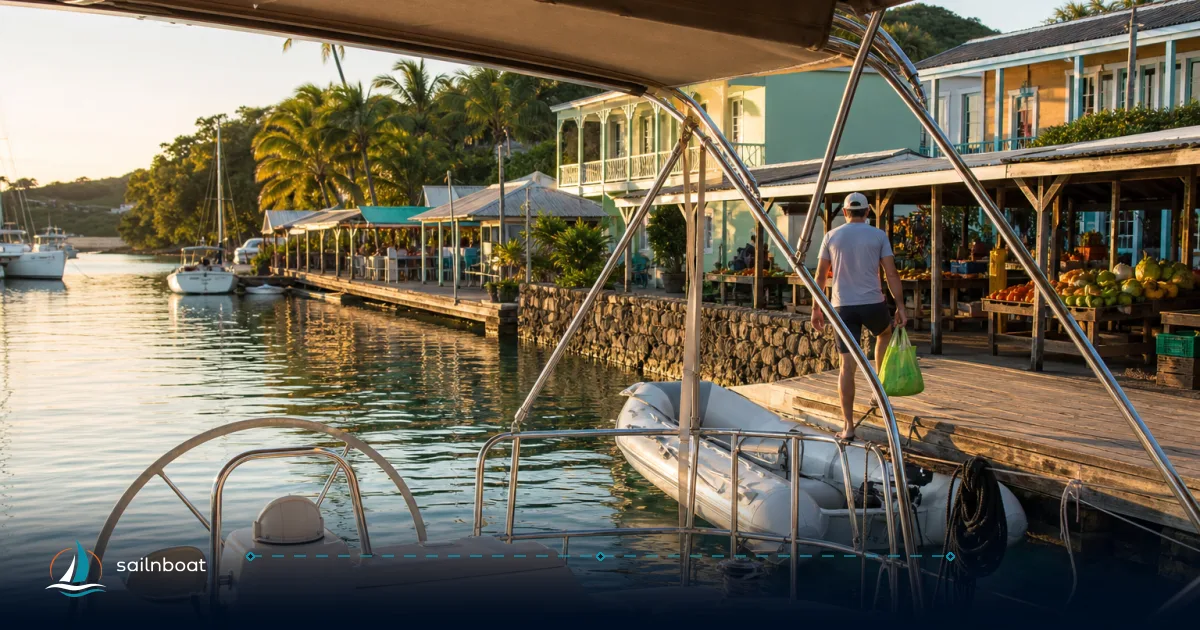
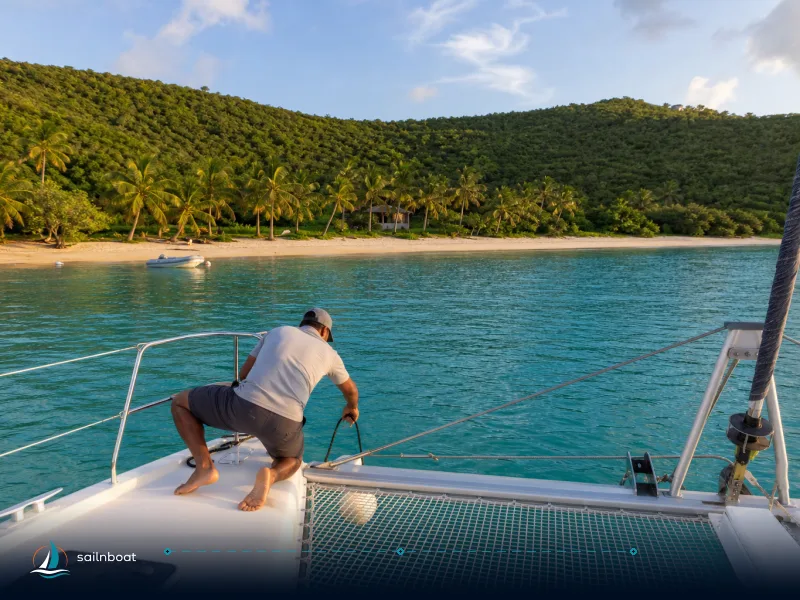
Start the week by stocking the boat at Harbour Market, pick up a mooring in the Soper’s Hole field (you’ll see both FCFS balls and reservable BoatyBalls) and plan a short coastal hop of roughly 14 nm to Marina Cay with snorkel stops en route — that layout gives you time to provision, test the boats systems, and still sample the late‑night rum bars along the boardwalk. The rest of this itinerary shows exactly where to shop, how moorings work, how to land the dinghy at Pusser’s, and how late‑night noise affects where you sleep aboard.
Provisioning at Soper's Hole
You’ll find limited but reliable provisioning on Frenchman's Cay; treat Harbour Market as the same‑day lifeline and use Road Town or pre‑ordered deliveries for anything beyond basics.
Harbour Market Overview
- What it stocks: Harbour Market is the main grocery at Soper’s Hole and typically carries fresh produce, breads, dairy, canned goods and basic beer/wine — enough for same‑day top‑ups and immediate needs. Many charterers plan their major grocery run in Road Town but leave day‑to‑day items to Harbour Market.
- Timing and practicality: Harbour Market usually services yachties arriving or departing from Soper’s Hole; do your biggest shopping first thing after arrival so you can stow perishables below. If you need specialty items, order in advance from mainland Tortola supermarkets and schedule delivery to the marina or the charter base.
- Quick checklist for boarding day:
- Fresh bread, breakfast items and fruit for day one.
- Ice and bottled water (if your boat lacks a watermaker plan extra).
- Charcoal/grill fuel if you intend to use a cockpit grill ashore.
- A small cash float for local purchases and collectors (see mooring notes below).
Other Local Provisioning Options
- Road Town supermarkets: For a full‑service shop (specialty cheeses, larger booze runs, bulk items) arrange a taxi to Road Town or a delivery from Bobby’s Marketplace / Riteway; it’s commonly a 20–40 minute land transfer depending on traffic and taxi availability. Many charterers have provisions delivered to the base the morning they board.
- Specialty items & booze: If you need premium wines, specialty meats or larger alcohol orders, use an online provisioning service tied to Tortola suppliers and schedule delivery to Soper’s Hole — most vendors will confirm the exact delivery window when you place the order.
- Sourcing local delicacies: If you want fresh local fish or rum tastings, ask the marina office or your base operator where the small‑scale local sellers and Callwood rum distillery tours run; these are good late‑afternoon shore activities and usually require cash.
Mooring Options and Fees
Plan your nights around mooring type and availability; the difference between a first‑come ball and a reserved BoatyBall is both price and certainty.
Mooring Fees at Soper's Hole Wharf & Marina
- Two common types you will encounter:
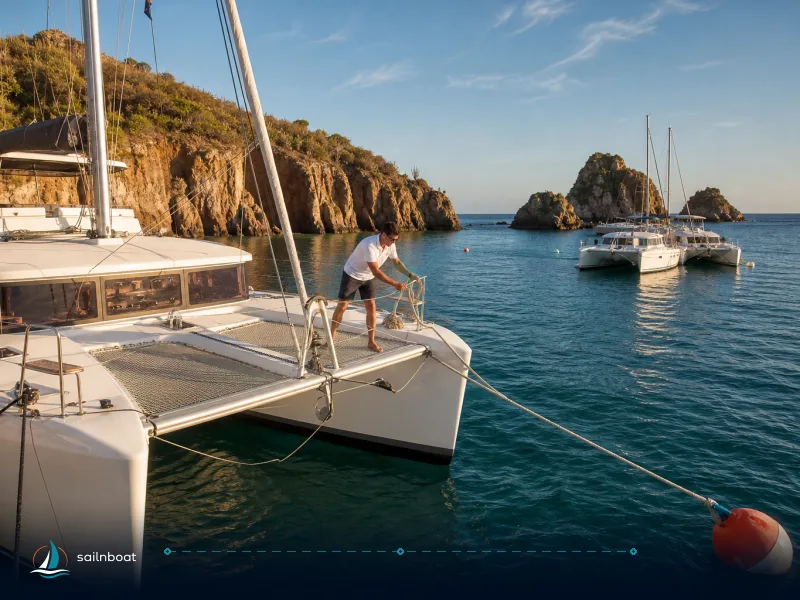
- First‑come, first‑served moorings (white balls): typically charged around $30–40 per night; a roving warden or concessionaire will collect fees in the evening.
- Reservable BoatyBalls (orange/reservable): can be booked in advance via the BoatyBall app for roughly $55 per night; useful in high season or if you need a guaranteed spot.
- Payment and practicalities: BoatyBall accepts card payments through the app; FCFS collectors often expect cash but many now accept app payments too — still carry a modest cash float for convenience.
Comparing Mooring Costs
Use the table below to compare the practical differences when deciding where to spend the night:
| Mooring type | Typical cost (per night) | Pros | Cons |
|---|---|---|---|
| FCFS mooring ball (white) | $30–40 | Cheapest on the day; plentiful in many anchorages | No guarantee; someone may be on it when you arrive; evening collectors |
| Reservable BoatyBall (via app) | ~$55 | Book ahead, guaranteed pick up in busy spots | Premium price; you pay even if plans change |
| Marina slip/dock | ~$2.50–4.00 per ft (varies) | Shore power, dock services, quieter night ashore | Often billed per foot; more expensive for larger boats |
Sources show this price spread is typical across the BVI; Soper’s Hole uses the same BoatyBall network as other popular anchorages. If you’ll be in peak season, reserve in advance for The Baths, Cooper Island or Soper’s Hole to avoid circling for a ball.
Practical mooring tips:
- When you pick up a ball, expect a local to offer to help; agree any tips or fees up front.
- If your crew wants to be ashore late, consider a marina slip for shore access and security (if available) or stern‑tie in a less noisy corner of the mooring field.
- Keep one set of lines, a stern‑tie kit and chafe protection ready for busy evenings.
Dinghy Access to Pusser's Landing
The Soper’s Hole boardwalk and Pusser’s Landing are designed around dinghy access; a short, well‑lit walk puts you at bars, restaurants and the marina shops.
Navigating to Pusser's Landing
- Where to land: Pusser’s Landing sits on the Soper’s Hole boardwalk and provides a dinghy dock specifically for restaurant patrons — it’s the obvious place to step ashore for a meal or a Painkiller. Approach slowly, pick an available dinghy side and follow local signage and staff directions.
- Dinghy docking procedure: Tie parallel to the dinghy dock cleats stern‑to or alongside as instructed; if you leave the dinghy overnight, secure it with a secondary painter and a light. At busy times the restaurant or marina staff will direct you where to place the dinghy.
- Nighttime returns: Carry a bright handheld torch, navigation lights on the dinghy and at least one charged phone or handheld VHF. If seas are choppy, wait for the tide and reduce weight in the dinghy to make landings safer.
Other Nearby Bars
- Marina Cay Bar & Grill: Marina Cay has dinghy sides and limited dinghy landing space; note that the on‑site Marina Cay Bar & Grill has operated seasonally and can close for maintenance or other reasons — if the bar is your main objective check current opening dates before you sail.
- Pusser’s & Omar’s: Both are dockside at Soper’s Hole and accept dinghies during staffed hours; they are the principal late‑evening draws on the boardwalk.
Nightlife Atmosphere at Soper's Hole and Marina Cay
If late‑night rum and live music are part of your charter plan, choose your overnight mooring with noise in mind.
Noise Levels and Crew Experiences
- Soper’s Hole: The boardwalk (Pusser’s, Omar’s and a few bars) becomes the social hub after sunset. Expect live music, conversation and chairs on the dock — the noise is lively but generally localized along the waterfront. Many crews find that moorings nearest the boardwalk are noisier from roughly early evening until late; if you want sleep, take a ball a little farther out in the field or consider a marina slip.
- Marina Cay: Typically quieter than the West End boardwalk, although seasonal events and tourist ferry schedules can change the atmosphere. Note: Marina Cay’s own restaurant has closed for specific dates in 2026, so its nightlife footprint may be reduced on those dates. Plan around seasonal openings.
- Crew recommendations:
- If you plan a late night, nominate one sober crew member for the dinghy ride back.
- Use stern‑ties and extra fenders if you expect to be stern‑tied in a busy harbour — a restless dinghy or wake can cause chafe.
- If noise is a concern for your group, pick a ball in the outer field or an opposite side of the harbour.
Safety Considerations for Nighttime Activities
- Always carry a VHF, a charged phone and a dedicated flashlight for dinghy landings.
- Agree a check‑in time with the skipper and keep a clearly painted painter or boarding ladder on the dinghy for fast recovery.
- Avoid leaving valuables in the dinghy; lock them in a watertight locker under the helm or take them ashore.
- If you’re on a charter, ask the base if they have local night advisories — some marinas provide guidance on where to tie and who to call after hours.
Navigational Tips and Weather Considerations
This route is short but exposed to the trades; check forecasts each morning and pick your channel for the day's wind.
Typical Weather Patterns
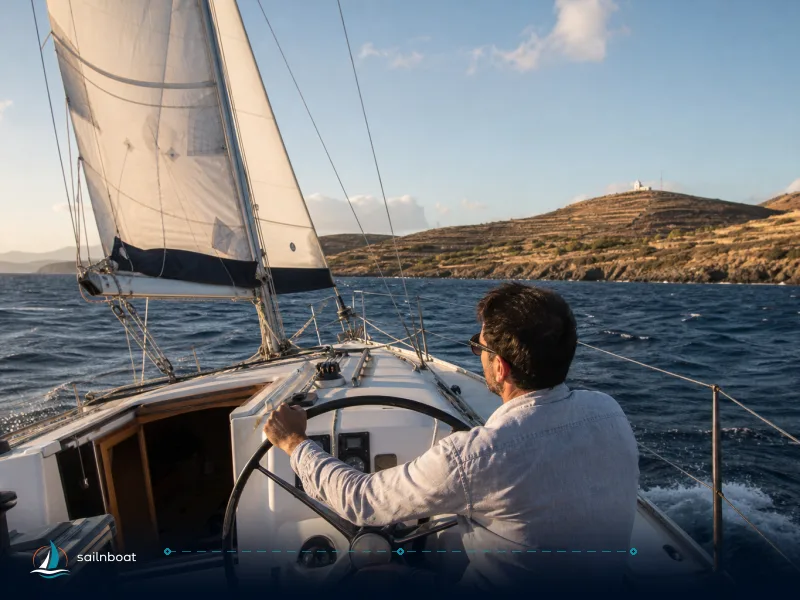
- Trade winds and seasonality: The BVI generally enjoys steady easterly to northeasterly trade winds; during the peak winter season, winds are often steady from the east or northeast and are frequently reported in the low to mid-teens, sometimes reaching 15–20 knots — ideal for predictable sailing but brisk for exposed passages. In summer the wind can be more variable and tropical activity is possible. Always check the NOAA/region marine forecast and local VHF weather bulletins before you cast off.
- Hurricane season: The official Atlantic hurricane season runs June–November. If you sail during that window, build contingency days into your plan and monitor tropical advisories closely.
Navigational Tips
- Route: A typical, direct passage from Soper’s Hole to Marina Cay is about 14 nm via the coastal channels — that makes it a flexible day leg that allows for snorkel stops at Sandy Cay, Green Cay or near Guana Island if time permits. Use official charts and local guidance for the exact channels.
- Sheltering and seas: The islands provide many lee options; if the trades are on the nose, run inshore and use sheltered anchorages or moorings on the lee side of larger islands to reduce rolling. When the wind builds into the high teens, consider shortening sail and timing transits for the calmer hours around dawn or late afternoon, depending on the sea state.
- Hazards and charts: Watch for reef edges and shallow cuts near Frenchman’s Cay and the North Tortola shore; confirm depths with your electronic chartplotter and paper chart before transits. Where reefs or reefs with moorings exist (national parks), use the moorings rather than anchoring over coral.
Sample 7‑day plan (operationally focused)
Day 1 — Embark at Wickhams Cay II Marina (Road Town): transit to Soper’s Hole, provision at Harbour Market, set up lines, test dinghy and outboard, pick up a nearby ball.
Day 2 — Short hop to The Bight / Norman Island for snorkeling and beach time.
Day 3 — Sail to Jost Van Dyke (Great Harbour) — check mooring availability early.
Day 4 — Return to Soper’s Hole for reprovisioning, laundry, and a night on the boardwalk (Pusser’s, Omar’s).
Day 5 — Head to Marina Cay and land dinghy for lunch; note Marina Cay opening status for your dates.
Day 6 — Quiet day: snorkel the North Tortola coast or make a short sail to Cane Garden Bay.
Day 7 — Return to Wickhams Cay II Marina (Road Town) for disembarkation and formalities.
Plan the week so that your heaviest provisioning is done before larger open‑water legs, keep the BoatyBall app loaded with payment details, and leave flexibility for weather changes.
Frequently Asked Questions
Harbour Market on Frenchman's Cay is the go‑to for same‑day groceries at Soper's Hole; for a wider range order from larger Road Town supermarkets (or use pre‑order delivery services).
Soper's Hole follows the common BVI pattern: first‑come moorings typically cost about $30–40/night while reservable BoatyBalls are around $55/night — similar to popular spots across the islands.
Pusser's Landing has a dedicated dinghy dock on the Soper's Hole boardwalk; dinghy access is straightforward during daylight but use caution and lights when returning after dark.
Soper's Hole can be lively after sunset with bars and restaurants on the boardwalk — expect music and chatter; Marina Cay is usually quieter but check seasonal openings (the Marina Cay Bar & Grill has closed temporarily during some 2026 dates).
The BVI sees reliable easterly/northeasterly trade winds — commonly mid‑teens to about 15–20 knots in the peak season (winter months); hurricane season runs June–November and requires active weather checking.
Written by
Sailnboat Editorial
The Sailnboat editorial desk covers yacht and boat chartering worldwide — routes, bases, seasons, boat types, paperwork and the practical costs that decide a trip. We are a charter marketplace, not a boat owner or a local agency: what we sell is judgement and support, so our guides are written to help you make a decision, not to sell you a specific boat. Every guide is checked against live operator and marina data before it goes out.
Fact-checked against live operator and marina data, and published under our editorial standards. Last reviewed: .