Zadar to Dugi Otok: A Seven-Day Sailing Itinerary
A practical seven-day Zadar → Dugi Otok sailing week that prioritises short hops, empty anchorages, Sakarun and a day inside Telašćica Nature Park; includes distances, berth options and weather guidance.

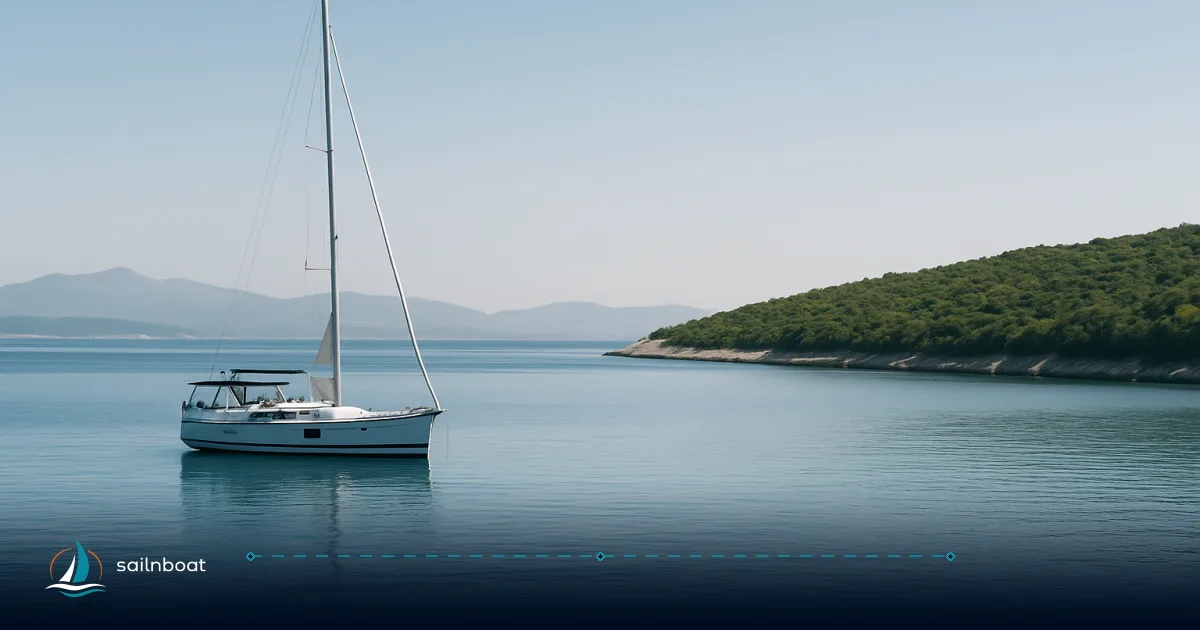
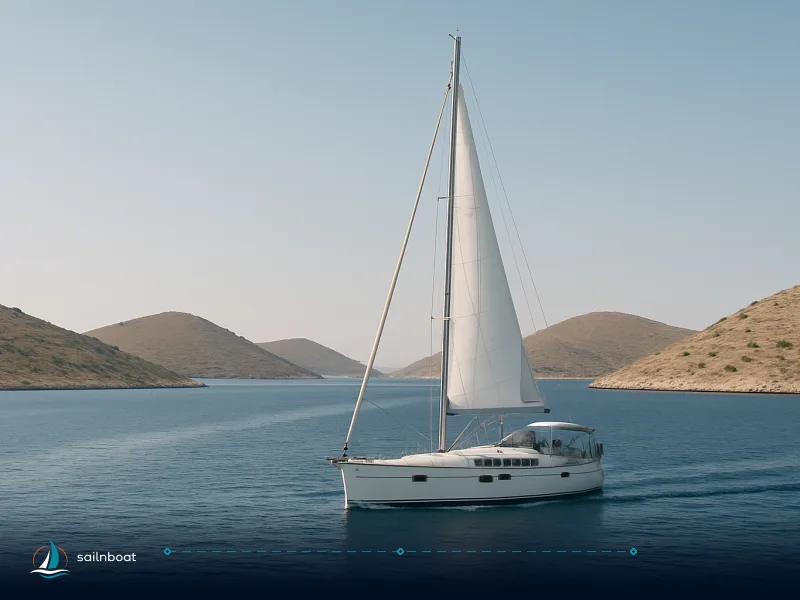
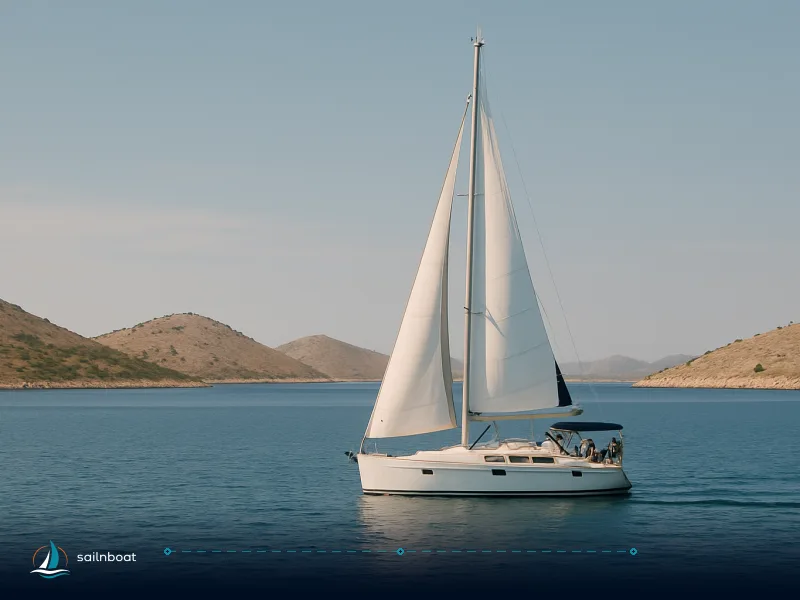
A seven‑day Zadar–Dugi Otok sailing week works best as a slow, short‑hop circuit: plan mostly 1–4 hour sails so you spend days ashore, at salt lakes and in empty coves rather than on passage. Below is a day‑by‑day plan that prioritises safe approaches, realistic times, mooring choices and the Telašćica day (salt lake, cliffs and protected buoys) so you and your crew can make decisions at each turn.
Day-by-Day Itinerary: Zadar to Dugi Otok and Return
This itinerary assumes you collect the boat in Zadar (city or nearby charter base), cruise a conservative average boat speed (typical cruising for a charter monohull ~5–6 kt; catamarans often 7–9 kt) and allow that actual sailing distance is commonly 10–30% longer than straight-line figures because of channels and kept distances from shoals.
| Day | Route (typical) | Approx. straight‑line distance (nm) | Estimated sailing time (hrs) | Mooring / note |
|---|---|---|---|---|
| Day 1 | Zadar → Ugljan (Preko / Sutomišćica) | ~3–12 nm (shortest crossing ~3 nm) | 0.5–3 hrs (depends on destination on Ugljan) | Marina or town quay; good provisioning options in Preko / Sutomišćica. |
| Day 2 | Ugljan → Kali (Ugljan) | ~4–6 nm | 1–2 hrs | Kali has two harbours and local quays; evening fish tavern option. |
| Day 3 | Kali → Rivanj (anchorage) | ~8–10 nm | 1.5–3 hrs | Quiet overnight anchorage off Rivanj; no marina services. |
| Day 4 | Rivanj → Molat | ~6–9 nm | 1–2.5 hrs | Molat harbour has quays and small services; sheltered in moderate wind. |
| Day 5 | Molat → Brbinj (Dugi Otok) | ~4–7 nm | 1–1.5 hrs | Brbinj harbour / quay for groceries and fuel (local ferry link). |
| Day 6 | Brbinj → Telašćica (Mir Bay) | ~12–16 nm | 2.5–4 hrs | Protected bay with designated park mooring buoys; park day recommended (salt lake, cliffs). |
| Day 7 | Telašćica → Marina Zadar (via Sali or direct) | ~14–18 nm | 3–4.5 hrs | Return to Marina Zadar for handback; allows time for topping up fuel and cleaning. |
Notes on the distances and times
- The Zadar → Preko ferry crossing is very short (about 3 nm) but your overnight spot on Ugljan can be further around the island — that’s why Day 1 has a broader distance band. Ferries and local schedules prove the short crossing exists; you choose where to stop on Ugljan.
- The Brbinj → Telašćica leg is one of the longer single days on this loop; experienced crews will use an early start to reach Telašćica in calm conditions. Approaches into Telašćica are well described in pilot guides.
- The final leg from Telašćica back to Marina Zadar requires an early start if your handback is before noon. Most operators require the boat back at the base by mid-morning, so plan your last night in Telašćica or nearby (such as Sali) and allow margin for fuel, cleaning, and formalities on return.
Mooring Options and Fees
General rule: a mix of marina/harbour quays, paid concession buoys (especially in nature parks) and free anchorages. Fees vary by operator, by season (high season June–Sept), and by boat length; treat the figures below as typical 2020s ranges rather than fixed tariffs.
Marinas, quays and anchorages — what to expect
- Preko / Olive Island Marina (Ugljan): full marina services in season; daily wet‑berth prices for small/medium yachts in northern Dalmatia commonly fall into a modest range — small boats often €20–€60/night in high season depending on length and amenities. Port-authority and marina published tariffs apply.
- Kali harbour: town quay or small marina; expect local quay charges or a friendly harbourmaster — commonly at the lower end of marina tariffs.
- Rivanj and many Zadar‑archipelago anchorages: typically free to anchor but with no services; use good holding ground and check for seasonal restrictions.
- Molat and Brbinj: small harbours with seasonal service; quay berths are inexpensive compared with larger ACI/D‑Marin marinas but check for fuel availability.
- Telašćica Nature Park: mooring buoys are in designated locations and a park admission / vessel ticket is required; buoy charges and park tariffs are published and can be billed by metre or by length band — expect that park ticket and buoy fees are separate. A desk or operator at the park sells or validates tickets.
Example fee guidance (typical ranges, high season)
- Small town quay / municipal harbour (10–13 m): ~€20–€50/night.
- Marina (full service, per night, 10–13 m): ~€40–€120/night depending on services and operator.
- Park buoys / concession buoys: often billed per metre or length bands — directories and recent guides show examples from ~€3/m to higher values per night or flat bands, and park admission per person or vessel is charged separately. Anchorages: usually free but the national/regional rules about anchor bans in parks apply. Use these ranges to budget; always check the marina or park operator for the current tariff.
Why Telašćica is different
- Telašćica is a protected Nature Park: anchoring is limited to marked places and buoys are actively managed; non‑designated anchoring is prohibited in parts of the park. The park enforces admission tickets for visitors and separate mooring fees; arriving without pre-purchased tickets can mean paying higher on‑arrival prices in busy season. Plan the Telašćica day with cash or card and expect an on‑arrival checkpoint for boat tickets.
Weather Patterns and Optimal Sailing Conditions
What you’ll commonly see
- Summer pattern (May–Sept): a thermal sea breeze (maestral) fills in late morning and peaks in the afternoon, typically in the 10–20 kt band — ideal for relaxed coastal sailing. Expect heat and predictable afternoon wind in settled weather.
- Bura (bora): a cold, gusty NE wind that can turn a pleasant day into a short‑notice sheltering decision; the Velebit channel area near Zadar sees strong bura gusts at times. Bura events are often short but intense and are the day‑stopper you must plan around.
- Jugo (sirocco): a sustained SE wind that can bring cloud and swell for one to several days, more common in spring/autumn.
Planning and forecasts
- Use the Croatian DHMZ marine forecast as your primary source each morning, and listen to the coastal radio / Navtex broadcasts while underway; they publish area warnings and colour‑coded alerts for the Adriatic. Cross‑check with two other models/apps for short passages but trust DHMZ for local warnings. Always read the gust figures in the forecast rather than the averaged wind only.
Practical weather windows for this route
- Best months: May–June and September for fewer crowds and good winds; July–August are warm with reliable maestral but far busier in marinas and park sites. Build a day in reserve in case of a jugo/bura spell that forces an extra night in a sheltered port.
Highlights of Telašćica Nature Park
What you’ll see and how to access it
- Mir (the salt lake): Mir is the park’s salt lake and a definite stop — its maximum depth is commonly reported at about 6 m, and the lake warms significantly in summer; there are shore paths and short walks from the quay. Walking to the lake early or late avoids day‑boat crowds.
- Sea cliffs (‘stene’): The western edge of Telašćica drops in dramatic carbonate cliffs up to roughly 160 m above sea level; the cliffs are visible from inside the bay and make the anchorage unusually sheltered from swell.
- Mooring and visitor flow: most visiting yachts use the park’s designated buoys inside the bay; these hold well and keep sensitive Posidonia meadows intact. Plan time to walk the short trails, collect water ashore if available, and return before late‑afternoon wind picks up. Buoys and park tickets are handled on arrival.
Suggested Telašćica timing
- Arrive early morning from the north or before lunch from Sali to secure a buoy in high season. Shore visits (Mir walk, cliff viewpoints) take 1.5–3 hours if you move briskly; a day and a calm evening are ideal.
Safety Considerations for Your Voyage
Navigational challenges
- Local tides/currents are modest but channels between islands can have stronger flows in a strong wind; approach unfamiliar anchorages during daylight and consult local pilot books or the harbourmaster where available. Use up‑to‑date charts and an ECDIS/plotter overlay.
Storm‑watching and wind safety
- Adopt a daily routine: read DHMZ and local VHF/naval weather bulletins each morning, check the gust warnings and choose your night harbour for the strongest forecast gust, not the average. If DHMZ issues an orange/red warning for Central Dalmatia, delay or shelter. Use reefing early if a squall line develops.
Anchoring rules and park restrictions
- Telašćica enforces mooring in designated spots; many park zones restrict anchoring to protect Posidonia and heritage sites. Anchoring in forbidden places can result in fines and environmental damage — use buoys where provided. For open‑bay anchorages outside parks, assess swell and set a scope appropriate to conditions (7:1 in calm, 5:1 in moderate, more if unsure) and test holding before leaving the boat.
Emergency contacts and local procedures
- MRCC / sea rescue and emergency numbers (112 and the national sea‑rescue contact) are the primary lines; check local harbourmaster VHF channels before arrival. Use channel 16 for hailing and local harbourmaster channels when in range; Zadar harbour authority publishes local port tariffs and contact points for assistance.
Practical Tips for a Successful Sailing Week
Provisioning and water
- Fill fresh water and provisioning in Zadar or Preko: after that, services become patchy. Telašćica has minimal services; carry extra drinking water and fuel margin before a park day. Many beach bars sell light snacks but do not rely on them for a full provisioning run.
Crew comfort and safety kit
- Pack binoculars, a hand‑held VHF, charged phone powerbank and a paper chart of the Zadar archipelago. Bring sun protection, basic first aid, and a personal lifejacket for every crew member (and a safety harness if you plan night watches). On boats with children, brief the crew on man‑overboard procedure and avoid exposed anchorages when the forecast shows building wind.
Communications and booking
- In high season, pre‑book ACI or larger marinas if you need shore power or a guaranteed berth; smaller quays are first‑come. For Telašćica buoys, arrive early or ask your base/skipper to reserve buoys via the park’s recommended channel if that is an option — some concessionaires accept reservations. Use eNautika or the local harbourmaster for up‑to‑date berth info.
Fuel and range planning
- Fuel is widely available in Zadar and some larger islands; smaller harbours (Rivanj, Brbinj) may not have fuel. If you are planning longer motoring legs, top up in Zadar or Sali and keep a 10–20% contingency for headwinds or detours.
Final checklist before cast off
- Check insurance and the charter inventory, confirm the boat’s serviceable windlass and shore power leads, note the base’s required handback time (most bases want the boat back by mid‑morning on the last day, commonly ~09:00), and leave a simple passage plan with a contact ashore. Plan one spare day into your itinerary for weather delays — that single buffer removes most stress from a seven‑day loop.
Plan your sailing week from Zadar to Dugi Otok and back to base.
- Which size/type of boat will you be chartering (monohull 10–13 m, catamaran, or motor yacht)?
Frequently Asked Questions
A practical loop: Zadar → Ugljan (Preko/Olive Is.) → Kali (Ugljan) → Rivanj (anchorage) → Molat → Brbinj (Dugi Otok) → Telašćica → finish in Sali or a Dugi Otok marina; legs are short so you can stop for swims and provisioning.
Expect a mix: small harbours or quays €20–€50/night for a 10–13 m yacht; park buoys and marina berths in high season can be billed per metre (examples €3–6/m or flat daily bands); anchorages are often free. Prices vary by operator and season.
May–September offers the calmest sea and reliable summer maestral breezes; July–August are busiest and warmest. Shoulder months give fewer crowds but more variable weather.
Telašćica's key features are the 160 m sea cliffs, the warm, saline Mir Lake (max depth ~6 m) and the protected bay with marked mooring buoys — all accessed easily from sheltered anchor positions in the bay.
Monitor DHMZ marine forecasts and VHF/Navtex, avoid exposed anchorages in a rising bura, use designated park buoys where anchoring is restricted, and check local harbour-master notices before nightfall.
Written by
Sailnboat Editorial
The Sailnboat editorial desk covers yacht and boat chartering worldwide — routes, bases, seasons, boat types, paperwork and the practical costs that decide a trip. We are a charter marketplace, not a boat owner or a local agency: what we sell is judgement and support, so our guides are written to help you make a decision, not to sell you a specific boat. Every guide is checked against live operator and marina data before it goes out.
Fact-checked against live operator and marina data, and published under our editorial standards. Last reviewed: .