Navigating the Kornati Archipelago: A Yacht Charterer's Guide
A practical, decision-ready plan for a kornati archipelago yacht charter: when to go, which anchorages to pick, permit and mooring costs, and how to navigate safely through narrow channels.

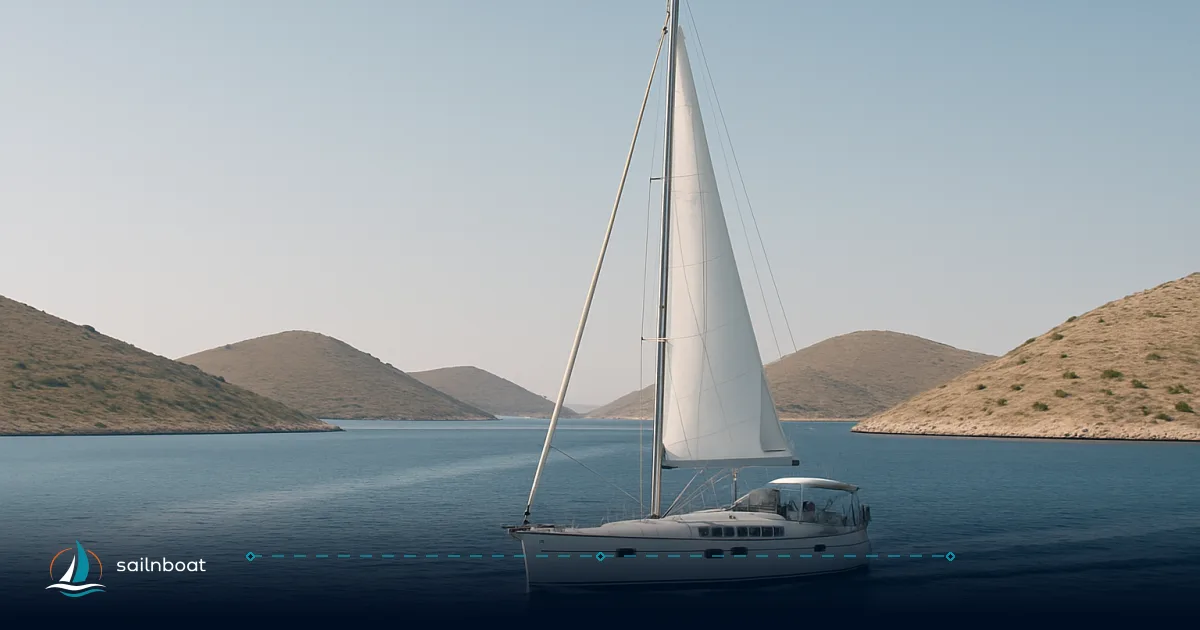
If you want to avoid the highest crowds and secure a mooring without stress, plan your Kornati Archipelago yacht charter for late May to mid-June or September. These periods offer the reliable Maestral breeze, fewer boats, and better odds at a buoy or marina berth, especially at ACI Piškera. Purchase your Kornati National Park ticket online before arrival, expect most practical day-legs between 10 and 20 nautical miles, and always have a sheltered bay in mind for overnighting if Bura or southerly winds are forecast.
Optimal Times to Visit the Kornati Archipelago
Late May through mid-June and September are consistently the least stressful months for a Kornati yacht cruise. You get steady weather, less congestion at marinas and buoy fields, and water temperatures that are comfortable for swimming. July and August bring the highest density of charter traffic, with the Maestral peaking reliably most afternoons.
- Late May–mid June: Mornings are usually calm, with the Maestral building later in the day. Finding a buoy or berth is simpler, and the pace is more relaxed.
- September: Both air and sea remain warm, the Maestral persists, but crowds decline quickly after the first week. Charter rates drop as well. Be mindful of the occasional autumn frontal system and leave yourself a weather buffer.
Timing tip: In July and August, expect buoy fields in popular bays to fill by early afternoon. Arrive before midday if you need a mooring or want a spot at a konoba ashore.
Charter Base Options and Approach Routes
Most crews start from Šibenik, Biograd, or Zadar—each within a practical day’s sail of the Kornati. Here’s how they compare:
| Base | Distance to Kornati (NM) | Typical Route | Notes |
|---|---|---|---|
| Šibenik | ~12–18 | Šibenik → Kaprije → Kornat | Easiest provisioning, direct via Kaprije or Zlarin |
| Biograd | ~15–20 | Biograd → Pašman/Žut → Kornat | Fastest for Žut, large modern marina, good for one-ways |
| Zadar | ~17–22 | Zadar → Ugljan/Pašman → Kornat | More open fetch, best for longer charters and north loop |
All three offer full-service marinas with provisioning, fuel, and technical support. Šibenik is closest to the southern Kornati, while Biograd and Zadar are best if you want to include Žut or prefer a clockwise loop.
Sample 4-Day Kornati Itinerary
Assuming a Šibenik start, but easily adapted from Biograd or Zadar:
| Day | Route & Leg (NM) | Anchor/Marina Options | Notes |
|---|---|---|---|
| 1 | Šibenik → Kaprije (~10) | Kaprije town quay, anchorage | Stock up in Šibenik, easy first day hop |
| 2 | Kaprije → Levrnaka (~18) | Buoys at Lojena, anchor | Buy park ticket online before entering Kornati |
| 3 | Levrnaka → Piškera (~6) | ACI Piškera marina | Fuel, water, shore power for marina guests |
| 4 | Piškera → Šipnate/Kornat (~10) | Buoys/anchor, Kornat | Quiet overnight; plan for early arrival |
Variations: From Biograd, swap Kaprije for Žut on the first or last night. Add a fifth day for a loop around Ravni Žakan or an overnight at Kravljačica for Bura shelter.
Key Islands and Anchorages to Include
You won’t cover all 89 islands, but a handful of well-chosen stops will show you the best of the Kornati.
Notable Islands
- Kornat: The largest, with anchorages at Šipnate, Kravljačica, Strižnja, Vrulje, and Tomasovac.
- Levrnaka: Known for Lojena beach and reliable holding. Several konobas offer mooring buoys, but provisioning is minimal.
- Žut: Well-serviced with moorings and limited provisions in high season; a logical waypoint for longer itineraries.
Recommended Bays for Mooring
| Anchorage / Marina | Typical depth (m) | Shelter notes | Buoys / Marina | Overnight use |
|---|---|---|---|---|
| Piškera (ACI Piškera) | 3–6 | Good all‑round shelter | Marina berths, some buoys | Best for provisioning, fuel, reliable berth |
| Šipnate (Kornat) | 4–10 | Very sheltered, good holding | Mooring buoys (park) | Preferred in variable weather |
| Tomasovac / Suha Punta | 3–8 | Official anchorage | Buoys / anchoring | Quiet overnight stop |
| Kravljačica | 3–8 | Excellent Bura shelter | Buoys / anchoring | Reliable refuge from northerlies |
| Vrulje / Strižnja | 5–12 | Narrow, limited space | Mostly anchoring | Careful approach, check wind |
Mooring reservations: Restaurant/concession buoys and most anchorages are first-come, first-served. In high season, plan to arrive by early afternoon. ACI Piškera accepts advance reservations for marina berths—recommended if you need fuel, water, or shore power.
Provisioning and Fuel
Where to Buy Groceries
- Šibenik, Biograd, Zadar: All have major supermarkets (Konzum, Tommy, Lidl), bakeries, and fresh markets within walking distance of the marinas.
- Žut (ACI Marina Žut): Small market operates in high season, but expect only basic supplies.
- Piškera: Only a small kiosk in peak season; no true supermarket.
- Levrnaka, Kornat: Some konobas may sell bread or eggs but don't rely on these for full provisioning.
Recommendation: Provision for your full trip before leaving the charter base. Bring enough water, fresh food, and dry goods for at least 3–4 days.
Fuel and Water
- ACI Piškera: Fuel, water, and shore power available for marina guests. Opening hours may vary—confirm with the marina before arrival, especially outside peak season.
- Žut: Fuel station operates in high season, but hours are limited and queues are common.
- Outside Kornati: Šibenik, Biograd, and Zadar marinas all have fuel docks, typically open daily.
Tip: Top up before entering Kornati. Do not rely solely on Piškera or Žut for refueling, especially in rough weather or busy periods.
Mooring Fees and Park Entrance (2024)
Marina and Buoy Fees
- ACI Piškera (marina): For a 45-foot (13–14 m) yacht, expect around €135–€153 per night in high season (based on €10.40–€10.91 per metre). This includes water and shore power for marina guests. The park entrance fee is included in the berth price for overnight stays.
- Concession/restaurant buoys: Fees vary; many operators charge between €25 and €60 per night for yachts in the 10–15 m range, but always check with the individual concession or restaurant. Payment is often in cash; some now accept cards.
- National Park buoys: In 2024, park entrance tickets include the use of official park buoys in certain bays: Šipnate, Tomasovac/Suha Punta, and Levrnaka. Not all buoys are included—check the current buoy map when planning your route.
Park Entrance Fees (2024)
- For 11–17.99 m yachts: €95 per day, whether purchased online in advance or on entry, during June–September. No discount for advance online purchase in 2024.
- Multi-day tickets: Available at a discount if staying 3 or more nights.
- Proof: Keep a digital or printed confirmation onboard; rangers will check tickets and collect the difference if necessary.
Buy your ticket before arrival to avoid delays and ensure compliance.
Sailing Conditions and Weather Patterns
Wind Patterns
- Maestral (NW): Predictable thermal breeze, builds by late morning, peaks mid-afternoon (typically 12–22 knots), then fades by sunset.
- Bura (NE): Gusty and cold, can exceed 30 knots, especially in channels. Move early to a well-sheltered bay if Bura is forecast.
- Jugo (SE/Sirocco): Brings cloud and humidity, sometimes multi-day unsettled weather and swell.
Operational rule: Plan exposed channel crossings before the Maestral builds, especially with less experienced crew. Use inner channels for shelter, but always check depths and hazards on your chart.
Temperatures
- Air: Mid-20s °C in late spring and September, up to 30°C or higher in July–August.
- Sea: 22–26°C at peak; cooler in May and late September.
Navigating the Narrow Channels and Reefs Safely
Essential Navigation Tips
- Charts: Use up-to-date Croatian Hydrographic Institute (HHI) paper charts and a reliable chartplotter. Many anchorages and channels have specific local hazards—read all notes.
- Depths: Most anchorages are 3–12 m. Always check with your depthsounder and avoid rocks near the shoreline.
- Daylight transits: Handle narrow passes and reef-strewn channels in daylight and good visibility.
Hazards and Local Rules
- Reefs/rocks: Common and sometimes unmarked. Reduce speed in shallow sectors and keep a sharp lookout.
- Bura: If forecast, seek a north-facing, well-sheltered bay (Kravljačica, Strižnja).
- Mooring skills: Med-mooring is standard at marinas and some buoys. If unsure, consider hiring a local skipper for the first day.
Checklist Before Each Overnight
- Park ticket valid for your vessel and date.
- Confirm buoy/berth availability; always have a backup anchorage.
- Check the latest weather and brief your crew on mooring/anchoring procedures.
Waste Disposal, Fishing, and Environmental Rules
- Waste: There is no refuse collection in the park. Retain all rubbish on board until you reach a marina with disposal facilities. Pump-out and waste disposal are available at Šibenik, Biograd, Zadar, and ACI Piškera (for marina guests).
- Fishing: Prohibited in most of the park without a special permit. Strictly observe posted restrictions—rangers enforce rules and fines apply.
- Toilets: Discharge of black water is prohibited inside the park. Use holding tanks and empty only at designated pump-out stations outside the Kornati boundaries (Šibenik, Biograd, Zadar).
- Drones: Permission required from the park. Noise and privacy rules are enforced.
Communications and Emergencies
- Mobile coverage: Good at ACI Piškera, Žut, and the larger islands. Coverage is patchy in deeper inlets. Croatia’s main networks (A1, T-Mobile, Telemach) cover most of the park, but not every bay.
- Wi-Fi: Available at ACI Piškera and Žut marinas for guests. Most konobas and restaurants do not offer reliable Wi-Fi.
- VHF: Channel 16 for emergencies. ACI marinas monitor VHF 17 or 9.
- Harbourmaster/Rescue: MRCC Rijeka (Maritime Rescue Coordination Centre) on VHF 16 and 10, phone +385 51 214 111.
Final Practical Plan (What to Book/Bring)
- Purchase your Kornati National Park entrance ticket online before arrival.
- Reserve an ACI Piškera berth if you need guaranteed fuel, water, or shore power.
- Budget €135–€153/night for a 45-foot yacht at ACI Piškera in high season; €25–€60/night for most concession buoys (10–15 m range).
- Provision for the full charter before leaving your base. Bring enough cash for buoys and restaurants, as card acceptance is not universal.
- Load updated charts, set anchor alarms, and brief your crew on Bura contingencies.
- Plan to be moored by early afternoon in July–August.
- Always have a backup anchorage in mind.
A Kornati yacht charter rewards early planning and daily flexibility. Lock in your park tickets, focus on a handful of sheltered anchorages, and keep your options open. With the right preparation, you and your crew can make the most of this unique Adriatic archipelago—on your own terms, and with fewer surprises.
Meta description: Plan your Kornati yacht charter with up-to-date 2024 details on mooring fees, park tickets, provisioning, and route options. Practical, decision-grade advice from charter experts.
Frequently Asked Questions
Aim for late May–mid June or September for the best balance of settled weather, reliable Maestral sea breezes and noticeably fewer charter crowds than July–August. Peak season (July–August) is busier and windier in afternoons.
Include Kornat (central island with sheltered bays), Levrnaka (Lojena beach area) and Žut (good moorings). Popular overnight bays include Tomasovac (Suha Punta), Šipnate, Anica, Kravljačica, Strižnja and Vrulje; Piškera has the ACI marina and services.
Kornati National Park requires an entrance ticket priced by vessel length; fees depend on where and how you buy them (online in advance is cheaper). Mooring buoys and marina berths are charged separately—typical buoy or concession rates commonly fall in the EUR 20–50/day band for many charter-size sailboats, while ACI Piškera quotes per-metre marina rates.
From May to September expect a diurnal Maestral (NW thermal) that builds late morning to mid‑afternoon (often 10–18 kt), with the southerly Jugo and northeasterly Bura possible; summer air temps typically sit in the mid‑20s °C and sea temps in the mid‑20s °C.
Rely on up‑to‑date nautical charts and GPS, use your depthsounder, plan routes through officially listed anchorages and channels, keep a watch for submerged rocks and reefs, and consider hiring a local skipper or pilot if you are unfamiliar with the area.
Written by
Sailnboat Editorial
The Sailnboat editorial desk covers yacht and boat chartering worldwide — routes, bases, seasons, boat types, paperwork and the practical costs that decide a trip. We are a charter marketplace, not a boat owner or a local agency: what we sell is judgement and support, so our guides are written to help you make a decision, not to sell you a specific boat. Every guide is checked against live operator and marina data before it goes out.
Fact-checked against live operator and marina data, and published under our editorial standards. Last reviewed: .