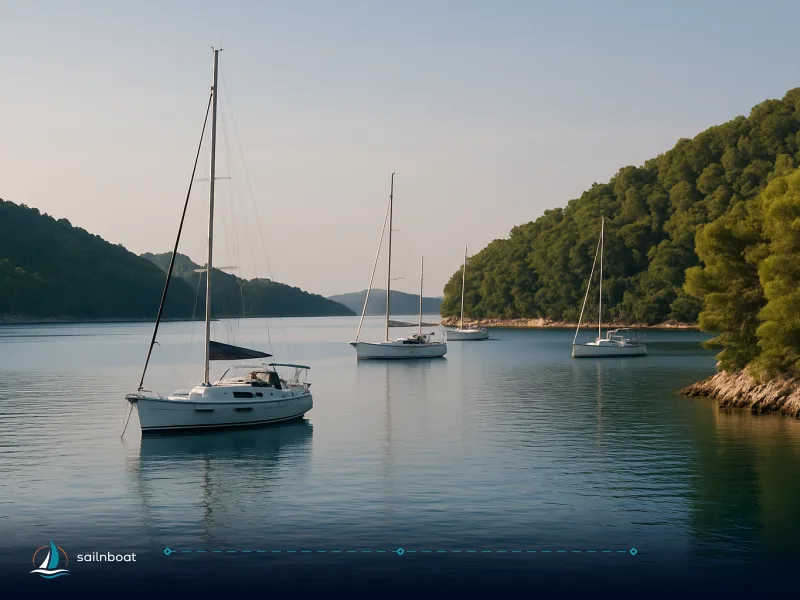
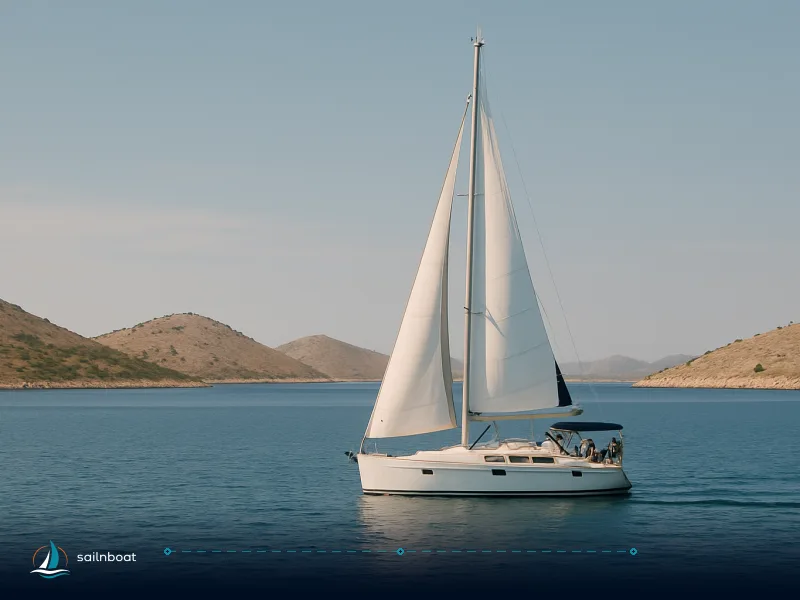
14 Dalmatian Bay Anchorages Worth an Overnight Stay
A practical, crew-ready list of 14 Dalmatian bay anchorages suitable for overnighting, with depth ranges, seabed, wind protection, buoy availability and nearby konobas.

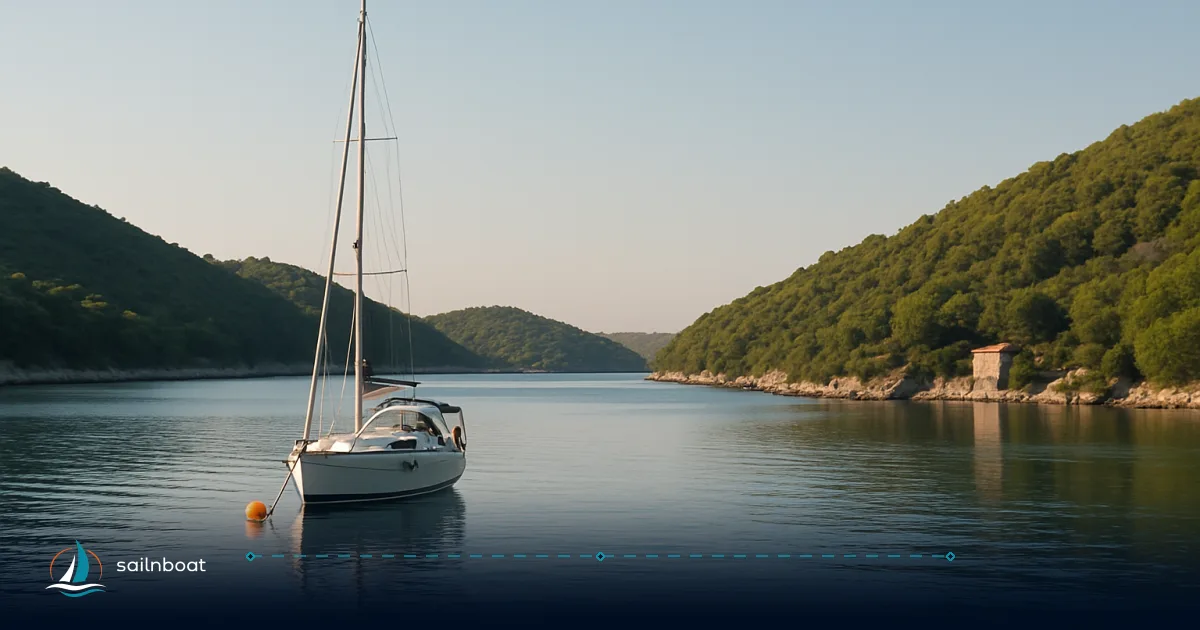
Use the table below for a quick comparison, then read the expanded notes for local rules and practical tips for each anchorage.
Overview of Dalmatian Bay Anchorages
Why Choose Dalmatian Bay Anchorages?
- A wide selection of overnight anchorages from shallow turquoise lagoons to deep limestone slots that shelter from most wind directions.
- Easy onshore options: most have at least one konoba or short beach walk within a tender ride or a 10–30 minute walk.
Detailed Guide to 14 Anchorages
Below you’ll find a compact comparison table, then a practical, actionable note for each bay: what depths to expect, what holds, what winds the bay protects from, whether buoys are present and which konoba or walk is worth knowing. Depths and seabed are given as typical ranges — check your chart and sounder on approach.
| Bay | Typical depth (m) | Seabed / holding | Main shelter (winds) | Buoys / fees | Konoba & walk |
|---|---|---|---|---|---|
| Krknjaši (Drvenik Veli) | ~5–12 m (shelves quickly; shallower inshore) | sand with Posidonia patches — good in sand | Sheltered from open W/sea swell; best picked from south approach | Day buoys for beach/konoba; free anchoring in adjacent parts | Konoba Krknjaši onshore; short beach walk to the lagoon. |
| Drvenik Veliki (main inlet) | ~2.5–7 m | sandy bottom, good holding | Good lee from SE/maestral when tucked behind quay | Guest moorings at quay; small quay berths | Konoba Jere / village quay; easy walk to village. |
| Stari Trogir Bay (Sevid area) | ~3–14 m (varies by sector) | sand and Posidonia in places | Sheltered from NE–SE sectors; lee of islands | Some shore lines and guest buoys at quay; busy in summer | Beach walks to old Trogir coastline and local beach bars. |
| Polače (Mljet) | ~3–15 m (wide range) | sand/mud — excellent holding in main spots | Very sheltered (all-round in inner arms) | Park moorings and buoys; park entrance/boat fee applies | Small konoba on quay; marked walking trails into Mljet NP. |
| Okuklje (Mljet, SE coast) | ~2–10 m | sand/mud; excellent holding | Near-complete enclosure — shelter from almost all winds | Some moorings; seasonal buoys at konoba quays | Konoba Lampalo waterfront; short hill walk to viewpoint. |
| Sobra (Mljet, ferry harbour) | ~3–6 m at quay; deeper outer bay | mixed muddy/deep in places; quay 3–4 m | Good lee from prevailing NW/bora when anchored NW sector | Quay moorings and restaurant buoys; anchoring limited near quay | Several konobas on the waterfront; short walks and shops. |
| Vrulje (Kornati / Kornat island) | ~5–12 m | sand; fair holding | Good shelter from N–SE; exposed to W/SW | Buoys possible in NP — check availability; NP rules apply | Dramatic cliff scenery; short rocky walks nearby. |
| Opat (Kornat island) | ~4–10 m | sand/mud — excellent holding | Strong protection from N–SE sectors; open to W/SW | Buoys and restaurant moorings in summer; NP fees apply | Small seasonal konoba at bay head; short shore access. |
| Šipnate (Kornat island) | ~4–10 m | mud/sand — very good holding | Sheltered from N–SE; exposed to W/SW | Official NP mooring berths; anchoring often restricted in meadows | Walking around the island and small konoba options. |
| Stiniva (Vis island) | Outer approach 6–12 m; interior shallower | sand/pebble — mixed holding over rock | Very sheltered from N–W; exposed to S/SW swell | Mooring buoys only inside cove in season; anchoring inside often prohibited | Short steep path to pebble beach; very popular — expect crowds. |
| Telašćica (Dugi Otok NP) | ~6–18 m in main bay | sand/mud with Posidonia; excellent holding | One of the safest natural ports — all-round protection | Park buoys mandatory/managed; park entry/berth fees apply | Several konobas at park entrances; marked trails to cliffs and Mir lake. |
| Zaton Bay (near Dubrovnik) | ~3–12 m depending on inlet | sand; good holding in northerly part | Sheltered from most directions except W/SW | Shore moorings and guest buoys; quiet overnight option near Dubrovnik | Waterfront konobas and long coastal walk into village. |
| Lovište (Pelješac tip) | ~3–7 m (best holding 5–7 m) | sand/mud — reliable holding | Sheltered by low hills; lee from NW/maestral | Town quay and some guest buoys; anchoring off head of bay | Konoba Barsa / Konoba Mirče; short coastal walks and beaches. |
| Kornati National Park (general) | 4–15 m (varies widely) | sand, mud, Posidonia pockets | Many sheltered slots and narrow inlets (excellent lee) | NP mooring buoys; entrance/berthing ticket required in high season | Multiple konobas (Piškera, Lavsa, Opat) and short island walks; strict NP rules. |
Notes on the table: depth ranges are typical anchoring depths reported in nautical guides and local NP guidance; bottom types are the commonly reported seabed in the anchorage zone — local charts and a sounder must confirm the spot you pick. Where NP buoys exist, the park usually sells or collects the fee on arrival or as part of an entrance ticket.
Krknjaši (Drvenik Veli)
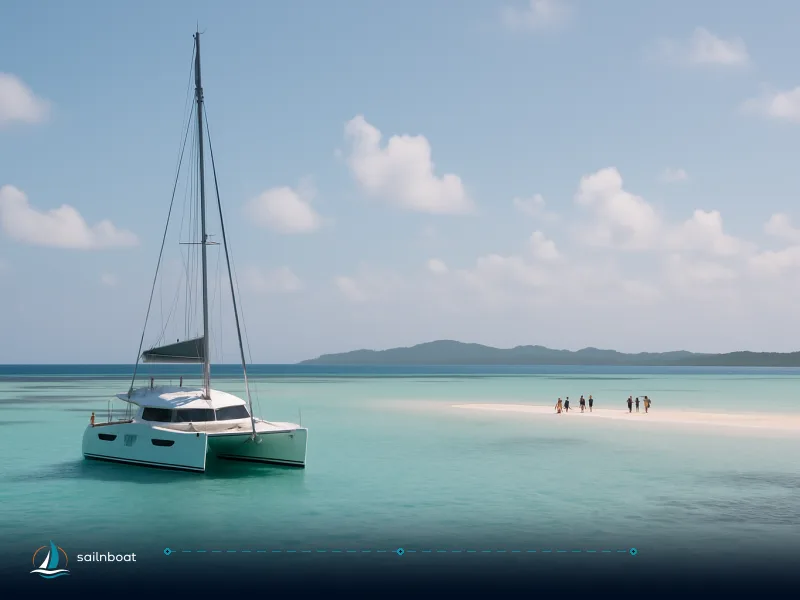
Expect a shallow, turquoise lagoon between Drvenik Veli and the Krknjaši islets — typical anchoring depths are often 5–12 m in the main anchoring area, with some very shallow patches (below 1 m) closer inshore; sandy bottom and Posidonia meadows are common near the shallows. The lagoon is geometrically sheltered; enter from the deeper west side if you have draft. The small onshore konoba runs guest buoys for diners; tender-in for the beach walk is 2–5 minutes. Use the sand patches for best holding and avoid Posidonia beds.
Drvenik Veliki
The village inlet and nearby coves give a few reliable spots in 2.5–7 m on sand; the quay offers short-term guest berthing and small restaurant moorings. For overnight you’ll usually anchor behind the breakwater or in the village’s NE corner where holding is sandy. Konoba Jere and village waterfront options give a short walk ashore; provisioning is basic but available.
Stari Trogir Bay
A large bay with variable depths (shallow near islets, deeper NE arms for larger yachts). Sand and Posidonia patches are common; pick sandy patches at 3–14 m depending on where you enter. The bay offers beach-walk options along the Čiovo/Trogir coast and beach bars; shore buoys and quay lines exist in parts but expect busy summer traffic. Plan for possible swing room if the bay fills with day-boats.
Polače (Mljet)
Polače is inside Mljet National Park and functions as the park’s principal harbour/anchorage. Depths span shallow quay depths (3–5 m) out to deeper anchor spots (up to ~15–35 m in specific holding areas), but the parts recommended for yachts are typically 3–8 m with sand/mud bottom and excellent holding. The park enforces entrance and boat fees and places buoys in the main bay; if you take a buoy expect rangers to check tickets. Konoba(s) on the quay serve local seafood; marked walking trails lead into the park.
Okuklje (Mljet)
Okuklje is a near-circular bay with a narrow entrance that filters swell — one of the safest small anchorages on Mljet. Typical depths are 2–10 m on sand/mud and the bay often stays glassy when the surrounding sea is rough. Facilities are minimal but a well-known konoba operates a small jetty and seasonal buoys. The hill trail above the bay provides a short viewpoint walk.
Sobra (Mljet)
Sobra is the island’s main ferry harbour with quay depths around 3–4 m and usable anchoring in the NW part of the bay at roughly 4–6 m. Several restaurants operate moorings for guests at the town quay; anchoring too close to the ferry berth or shallow quays is unwise. The village has shops and short coastal walks. Use the NW lee in a bora and avoid the harbour mouth when ferries operate.
Vrulje Bay (Kornati)
Vrulje is a dramatic slot between limestone cliffs in the Kornati cluster; expect deeper water (5–12 m) with sandy bottom. It shelters well from northerly through southerly winds but is exposed to strong westerlies and southwest gales. NP buoys and rules apply — the bay is a popular, scenic overnight and offers rocky shore walks and photo opportunities.
Opat Bay (Kornat)
Opat is a deep inlet with sand/mud seabed (commonly 4–10 m where yachts anchor) and excellent holding. It’s a quieter Kornati pick with a small seasonal konoba and restaurant moorings; expect NP buoy management and park ticket rules. Enter from the recommended approach to avoid shallow patches near the head.
Šipnate Bay (Kornat)
A classic Kornati all-weather anchorage: a narrow inlet that gives shelter from nearly every wind except W and SW. Typical anchoring depths 4–10 m on mud/sand and the NP has designated berths and mooring plans for yachts — follow NP instructions and prefer moorings over free anchoring where provided.
Stiniva Bay (Vis)
Stiniva’s iconic narrow-slot cove means most yachts anchor outside the pinch at 6–12 m on sand/pebble; inside the cove mooring buoys are installed seasonally and anchoring inside is commonly restricted — use buoys when present. The pebble beach is reached by a short steep path; expect heavy day-boat traffic in July–August and limited room to swing.
Telašćica Bay (Dugi Otok)
Telašćica is a large, protected nature-park bay with sand/mud bottom and mooring buoys managed by the park. Typical depths in the bay for yachts run 6–18 m; park rules require use of designated bays/buoys and collection of park entry/berthing fees — buoy use is often the only legal option in the main coves. Trails to the 160 m cliffs and Mir salt lake are an easy shore activity.
Zaton Bay (near Dubrovnik)
Zaton is a convenient overnight pick close to Dubrovnik with sandy seabed and good holding in the northern part of the inlet (3–12 m depending on where you anchor). It’s quieter than nearby tourist harbours, has waterfront konobas and coastal walks, and is a practical plan-B when Dubrovnik itself is full.
Lovište (Pelješac)
Lovište sits at the northwest tip of Pelješac: dependable holding on sand/mud in 5–7 m in its preferred anchorages and protected by surrounding low hills from common summer winds. Town quay moorings and a couple of konobas make it easy to go ashore; beaches and short vineyard walks are within tender or a short walk.
Kornati National Park (general guidance)
Kornati’s anchorages cover many of the best natural harbours in northern Dalmatia; typical anchoring depths across the park run roughly 4–15 m with sand and mud bottoms and Posidonia pockets. The park operates an expanding network of official mooring buoys and enforces limits on free anchoring in sensitive areas — buy a park ticket and use buoys where provided. Konobas on Piškera, Lavsa and Opat provide season-only services and guest moorings.
Local Regulations and Fees
Anchoring Fees and Permits
- National/ nature parks (Kornati, Telašćica, Mljet) require park entry and/or berth fees; in many cases the park buoy fee is included in or collected with the entrance ticket. Budget for per-person park entry plus a boat/berth charge in high season.
- Croatian authorities and park wardens enforce rules and can issue on-the-spot fines for breaches (including damage to Posidonia or anchoring outside designated areas). Fines and enforcement are active in protected zones.
Exclusion Zones and Restrictions
- Many NP bay interiors use mooring buoys to protect Posidonia meadows; free anchoring inside those designated bays may be prohibited or discouraged. If a park places buoys, use them; if no buoys remain, plan to move outside park boundaries rather than anchor on seagrass.
- Local ordinances set speed limits and other harbour rules inside parks or near beaches (Telašćica lists 5–10 knot zones in specific bays). Obey posted speed/anchoring signs.
Practical compliance tip: carry an up-to-date chart (paper or electronic), the park entry procedure information, and screenshots of any pre-booked buoy receipts — park staff sometimes board to check.
Dining and Amenities Near Anchorages
Recommended Konobas
- Krknjaši: Konoba Krknjaši — beachside, seasonal; small buoys for diners.
- Drvenik Veliki: Konoba Jere and local waterfront eateries; quay moorings for diners.
- Polače/ Mljet: village konobas at the quay — seafood specialties, plus walking trails into the park. Expect seasonal hours.
- Kornati anchorages (Opat, Lavsa, Piškera): small seasonal konobas serving catch-of-the-day; they commonly offer mooring lines/buoys for guests.
Konobas change hours and occasionally open only for dinner or by booking — call ahead if you depend on a buoy for the night.
Nearby Activities
- Short beach or viewpoint walks: Krknjaši lagoon walk, Stiniva cliff path, Telašćica cliff trail and Mir lake path, Lovište coastal walks. Most are under 30–60 minutes from the main dinghy landing.
- Snorkelling off sandy patches is excellent in shallow bays; avoid seagrass meadows when anchoring or swimming from your tender.
Best Times to Visit Dalmatian Anchorages
Peak and Off-Peak Seasons
- Peak: June–August (highest traffic, many day-boat crowds and fully-occupied NP buoys). Expect busy anchorages and limited buoy availability.
- Quieter windows: May–early June and late September–early October — you’ll have more choice of bays and buoys while still enjoying warm water. Calibrate to local festival dates and school holidays if avoiding crowds is a priority.
Weather Considerations
- Two winds matter most: the NE bora (strong, cold, can come with little warning) and the NW maestral / afternoon sea-breeze. Kornati slots and Telašćica give the best shelter from sudden bura if entered correctly; Okuklje on Mljet works as a 360° refuge in rough conditions. Always check the official forecast and local wind apps before committing to overnight.
Plan your chain scope for the maximum depth you expect to use and be ready to move if a frontal wind shift develops overnight.
Final operational checklist before you drop the hook
- Check your chart and sounder for sand patches and Posidonia locations; prefer sand/mud for best holding.
- If the bay is inside a national or nature park, expect buoy rules and an entrance/berthing fee; have cash or a screenshot of your e-ticket.
- If taking a restaurant buoy: confirm whether the buoy is for diners only and whether the konoba collects a fee or expects a minimum spend.
Plan your itinerary and reserve your park/buoy slots where possible — Dalmatia’s best bays reward the extra planning.
Frequently Asked Questions
Depths vary by bay: expect shallow lagoons like Krknjaši (approx. 1–5 m, sandy) and deeper slots in Kornati or Telašćica (commonly 4–18 m, sand/mud with Posidonia pockets). See the table in the article for ranges per bay; always check your chart and sounder on approach.
Most listed bays give reliable shelter from the local prevailing summer breeze (NW/maestral) and the NE bora when entered correctly; Kornati slots and Telašćica offer the best all-round protection. Each bay note flags specific exposures — use those to choose where to run if a bura or jugo is forecast.
Kornati, Telašćica and Mljet operate buoy systems; buoys are often included in park admission or charged by berth length. Many konobas and small harbours provide private buoys for diners (expect seasonal rules). Confirm buoy availability and current fees before arrival.
Protected areas enforce rules: in national/nature parks you must use designated bays/buoys and pay park entrance/berthing fees; anchoring in Posidonia meadows is forbidden or discouraged and can attract fines. Port authorities and park wardens have the power to fine non-compliance.
Most anchorages have at least one waterfront konoba — Krknjaši and Drvenik Veliki have Konoba Krknjaši/Jere; Opat and Lavsa in Kornati have seasonal konobas; Polače and Okuklje on Mljet have nearby konobas and marked walking trails. Operating hours vary seasonally.
Peak season is June–September (crowded); May–early June and late September–early October give quieter anchorages and still-warm water while avoiding the busiest weeks.
Written by
Sailnboat Editorial
The Sailnboat editorial desk covers yacht and boat chartering worldwide — routes, bases, seasons, boat types, paperwork and the practical costs that decide a trip. We are a charter marketplace, not a boat owner or a local agency: what we sell is judgement and support, so our guides are written to help you make a decision, not to sell you a specific boat. Every guide is checked against live operator and marina data before it goes out.
Fact-checked against live operator and marina data, and published under our editorial standards. Last reviewed: .