Raiatea Taha'a Sailing: The Classic Loop and Best Anchor Stops
A practical seven-day Raiatea Taha'a sailing loop with precise anchorages, snorkel sites (Motu Tautau Coral Garden), pearl‑farm and vanilla stops, plus distances and anchoring notes.

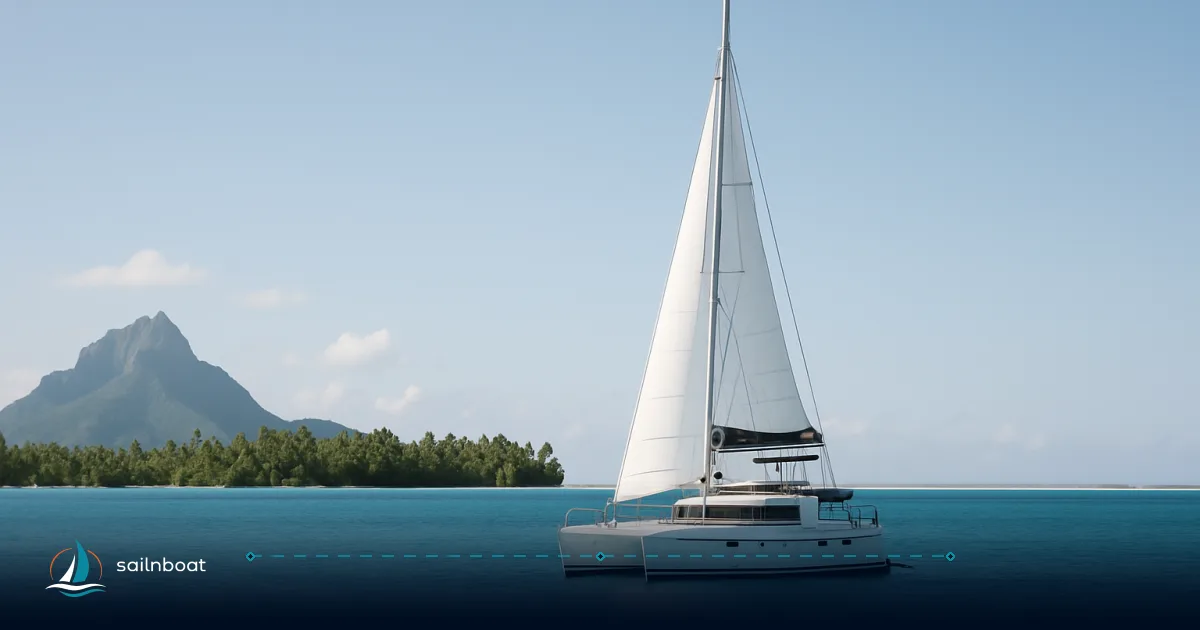
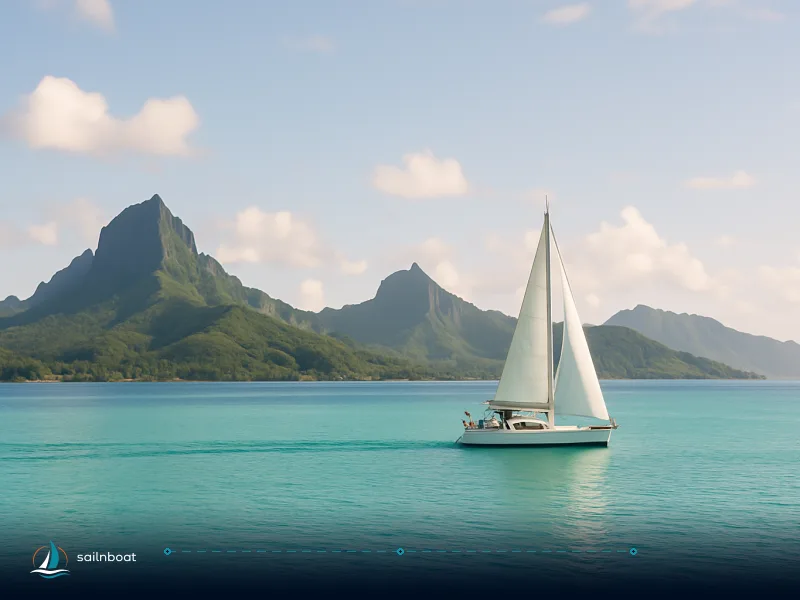
Raiatea–Taha'a sailing gives you short, sheltered legs inside a single, shared barrier reef—so most days are measured in hours, not overnight passages. A practical seven‑day Raiatea Taha'a sailing loop will let you combine the Coral Garden drift at Motu Tautau, pearl‑farm and vanilla‑plantation visits, a couple of calm overnight anchorages (Apu Bay, Haamene), and an optional downwind hop to Bora Bora without long, exposed passages.
Overview of the Raiatea Taha'a Loop
The islands of Raiatea and Taha’a share one large barrier reef and lagoon; that geography creates many sheltered anchorages and short inter‑island hops. Most charter‑friendly one‑week itineraries use Raiatea (Marina Apoiti / Uturoa) as base and work a clockwise or anti‑clockwise loop that includes Taha’a’s east side, Motu Tautau (the Coral Garden), Haamene and Apu Bay, and often a downwind run to Bora Bora as the week’s centerpiece. The Moorings / charter cruising guides used for standard itineraries show the initial lagoon leg from Raiatea to Taha’a as roughly 10 nautical miles—so expect many short 1–4 hour sails, with one longer downwind leg to Bora Bora (~20–25 nm).
Practical timing and trade‑offs
- Typical duration: 7 days / 6–8 sailing legs fits the highlights.
- Rough total distance for a tight Raiatea–Taha’a–Bora Bora week: varies depending on which motus and detours you include; aggregate distances are typically estimated from individual legs.
- Trade‑off: a strict 7‑day loop keeps you in sheltered water but limits time ashore; add 1–2 days to linger at Haamene or Bora Bora.
Top Anchorages in Raiatea and Taha'a
The reef‑lined lagoon gives many anchor options; pick sandy ground, keep swing room clear of bommies (coral heads) and respect private motus. Table below compares the anchorages you’ll most commonly use on the classic loop.
| Anchorage | Typical depth (m) | Bottom & holding | Facilities / notes |
|---|---|---|---|
| Apu Bay (Taha'a, north coast) | 4–12 m | Sand — good holding | No fuel/water on site; excellent panoramic view of Bora Bora; free anchoring; nearest provisioning Uturoa ~10 nm. |
| Haamene Bay (Taha'a) | 5–18 m (deep in parts) | Mud/sand — good holding | Mooring buoys at Hibiscus restaurant; village services (market, pharmacy); a recognised sheltered 'hurricane hole' in lee conditions. |
| Motu Tautau (Coral Garden, Taha'a) | 2–8 m (shallow sand shelf) | Sand/shelf with coral bommies — careful swing required | Snorkelling on tender; some motus private—anchoring immediately on some motus is restricted; pick sandy shelf away from coral. |
| Motu Mahea / Mahaea (Taha'a) | ~4–5 m in anchoring areas | Sand — good protection | Stable moorings and small resort presence; meals by arrangement on some motus; reserve moorings if planning to tie up. |
| Marina Apoiti / Uturoa (Raiatea) | 3–15 m (varied) | Marina moorings & town quay | Full provisioning, fuel, water, laundry, spare parts; standard charter base facilities. |
Anchoring practice
- Never anchor on live coral; choose clean sand shelves. Locally posted guidance and Yellow Flag/port documents show permitted zones and many restaurant/resort moorings—use them if offered.
- In reefs with isolated bommies, favour sand flats with a clear swing radius (set long scope; 2:1–5:1 depending on conditions and depth). Local charts and the charter briefing will point to best sand patches.
Snorkeling Spots and Coral Gardens
This lagoon hosts a few world‑class shallow snorkel experiences that are easy to reach from anchor:
-
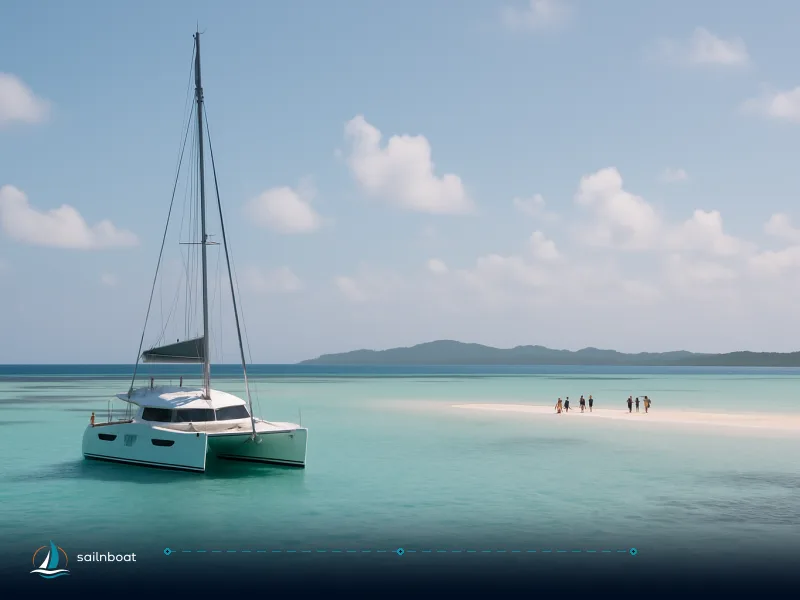
Coral Garden (Motu Tautau): the classic drift snorkel—snorkelers step off a motu, enter a narrow channel between two motus and drift across highly productive coral at shallow depths. Expect dense schools of reef fish and giant clams; the drift ends on a sandbar beach. Snorkelling is typically done from the tender; many charter captains time the drift with the incoming tide.
-
Motu Mahaea / Mahea stops: operators and cruise itineraries stop here for shallow‑water snorkels and short swims; currents can be variable so operators caution that swimmers be comfortable with occasional stronger flows.
-
Shallow motus and sand shelves around Raiatea: north of Uturoa and around small motus there are protective sand flats for sheltered snorkel sessions—good for beginners and evening snorkels. Mooring notes and local guides identify the best small motus for easy shore access.
Snorkel safety and gear
- Bring reef shoes (many gardens require a short walk over coral), a snorkel vest for drift sections, and an experienced tender driver who times the drift against the current. Local operators usually provide masks/fins and brief swimmers before entry.
Cultural Experiences: Pearl Farms and Vanilla Plantations
Taha’a’s lagoon tours standardly combine the coral garden with visits ashore.
Pearl farms
- Champon Pearl Farm (Apu Bay area) runs visitor stops and demonstrations of pearl cultivation—most lagoon tours include Champon as a standard stop; visits often last under two hours and offer direct purchase of pearls. Many farms have a small jetty for tender access.
Other local pearl farms (Love Here, Ia Orana, etc.) also welcome visitors as part of organised excursions. Expect a short presentation on seeding and grading, and a shop. If you want a private buying appointment, tell your base in advance.
Vanilla plantations
- Taha’a is widely marketed as the “Vanilla Island.” Fare Vanira (often listed together with La Maison de la Vanille and other small vanilleraies) offers guided walks explaining pollination, curing and product tasting. Typical visits are brief and are commonly packaged into half‑day lagoon tours that pair the vanilla stop with a pearl farm and a motu lunch. Expect to sample vanilla products and to be shown the hand‑pollination process.
Visitor tips
- Tours operate from tender or local boats—book through your charter base or a local operator in Uturoa; many excursions pick up directly from anchorages like Haamene or near Motu Mahea. Local tour durations and opening hours vary by operator and season; many farms sell pods, pastes and infused products onboard or at their small shops.
Calm Bays for Overnight Stays
Where to stop for the night depends on forecast trades and your planned next‑day leg. These are steady favourites:
-
Haamene Bay (Taha’a) — deep, well sheltered in many directions, village services available and mooring buoys at the Hibiscus restaurant; good choice if you want provisioning or a restaurant ashore. Note: exposed to easterlies and strong SEs can funnel through; use the village moorings where available.
-
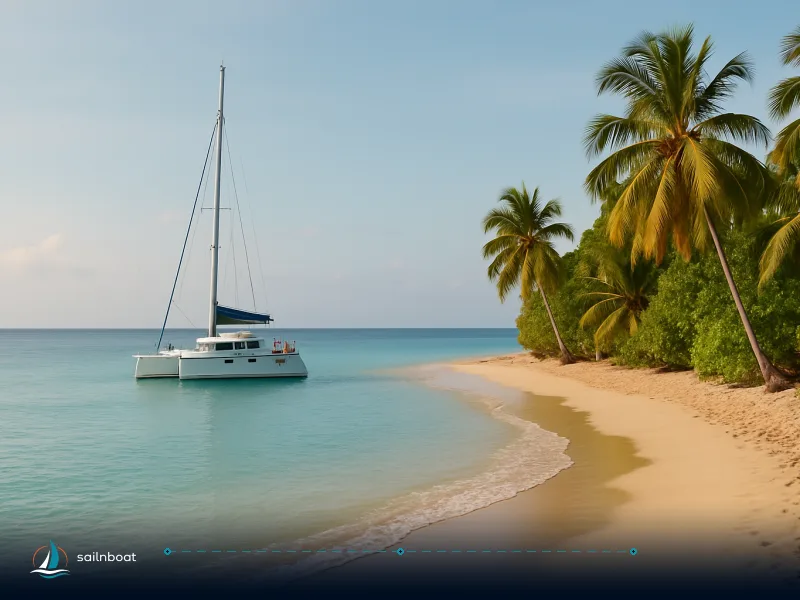
Apu Bay (Taha’a) — quiet lagoon anchorage with sand bottom and 4–12 m depths; good holding and a calm first or last night stop if trades are settled. No services on the bay itself, so top up in Uturoa first.
-
Motu Tautau sand shelves — snug, shallow sand banks suitable for overnight on calm nights after snorkeling; be vigilant for swell directions and keep clear of coral bommies. Many charter crews anchor a short distance off the motu on the sand shelves (2–8 m).
Anchoring checklist for overnight
- Check wind direction + swell 24–36 hours ahead (southeast trades are typical in dry season).
- Prefer sand/mud over coral; use anchor alarm and at least 2:1–4:1 scope (more in variable conditions).
- Use local mooring buoys when offered—many restaurants and resorts provide moorings in exchange for dining.
Sailing Distances and Times Between Key Locations
Charter planning is about conservative legs and realistic speeds. Use vessel‑type cruise speeds as a guide and add margin for currents and channel work.
Typical cruise speeds (practical ranges)
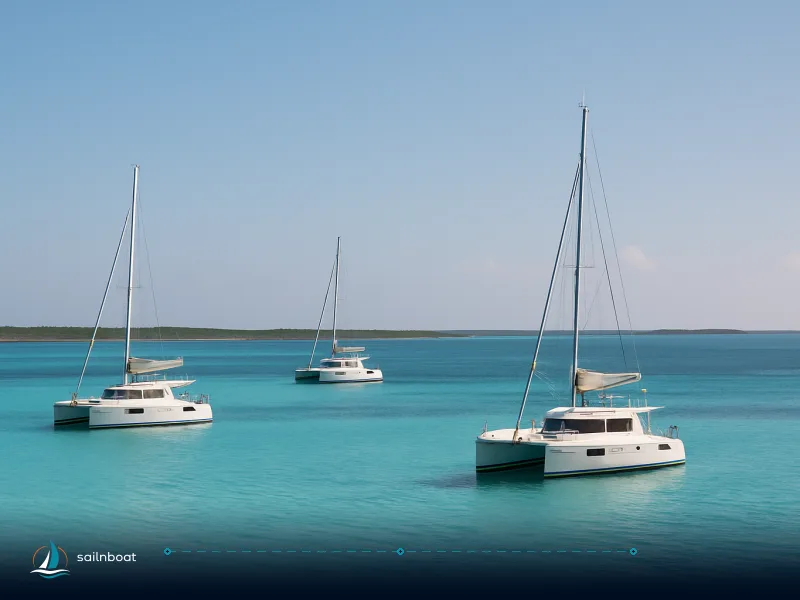
- Charter catamarans: cruise speeds vary by vessel and conditions; confirm your boat's typical speed with your operator.
- Monohulls: typically 6–8 knots depending on load and sea state. These are typical industry values used to estimate passage times; your boat's confirmed cruising speed should be used for final planning. (Adjust times for tide through passes and the need to wait for daylight entry.)
Estimated legs (examples and timing)
- Raiatea (Marina Apoiti / Uturoa) → Taha’a (east side / Motu Mahea area): ~8–12 nm; allow 1–3 hours depending on start point and speed. Moorings and marina facilities are at Uturoa before departure.
- Taha’a (Motu Tautau / Coral Garden) → Apu Bay (Taha’a): short lagoon repositioning — typically under 5–10 nm and under 2 hours.
- Taha’a → Bora Bora (open water): ~20–25 nm (one of the week’s longer passages), typical sailing time 3–5 hours depending on boat and wind (downwind in the trades makes this leg straightforward).
Plan a realistic day
- For a 10 nm leg on a catamaran cruising 8 kn, expect ~1.5 hours underway plus time for passes/pilotage. For the longer 20–25 nm passages, plan for 3–5 hours and leave early to arrive with daylight. Always factor 30–60 minutes for pass transits and slower manoeuvring in tight channels.
Practical Logistics and Charter Base Notes
Check‑in and provisioning
- Uturoa / Marina Apoiti (Raiatea) is the main charter base: water, fuel, provisioning, laundry and basic repairs are available here—this is your last significant provisioning point before the quieter Taha’a anchorages. Charter bases also send a local pilot to assist entering the marina.
Moorings, fees and local rules
- Many bays have restaurant or TN ISLV mooring buoys—these are commonly free if you patronise the establishment; port documents and Yellow Flag guidance list authorised moorings and some overnight rules. Some motus and resort beaches are private and restrict access—respect signage and owners.
Health & safety
- Coral bommies can be invisible at night and anchor damage is a risk: choose marked sandy shelves, use a depth/fishfinder and run an anchor watch/alarm. Use tender/shore etiquette: many private motus are privately owned—ask before landing.
Crew briefing essentials at handover
- Your charter briefing should include: passes to use (Teavapiti is the main all‑weather pass for Uturoa), recommended anchor spots, location of moorings, local VHF channels (many operators use VHF 68 for transfer/restaurant moorings), and the preferred refuelling point in Uturoa. Expect the base to highlight coral restriction zones and local no‑anchor areas.
Final day‑by‑day sample 7‑day loop (tight classic)
Day 1 — Embark Uturoa (Raiatea), brief, short sail into shared lagoon to Motu Mahea / east Taha’a anchorage; snorkel and settle. Day 2 — Move north to Motu Tautau, drift‑snorkel Coral Garden, afternoon beach and overnight on sand shelf. Day 3 — Haamene Bay for village visit, provisioning, Hibiscus or Tahaa Maitai dinner; moor or anchor. Day 4 — Short reposition in Taha’a, vanilla plantation visit (Fare Vanira / La Maison de la Vanille) then pearl‑farm stop (Champon). Afternoon sail toward Bora Bora. Day 5 — Bora Bora day (lagoonarium, Yacht Club moorings). Day 6 — Leisure in Bora Bora or early sail back to the Raiatea/Taha’a lagoon and anchor at Motu MiriMiri. Day 7 — Short reposition to Marina Apoiti / Uturoa and check‑out.
Plan some flexibility into this schedule for weather windows and to allow a relaxed pearl/vanilla tour.
Closing practical checklist before you go
- Provision fully in Uturoa (supermarket + base delivery if arranged).
- Pack reef shoes, a snorkel vest for drifts, a small first‑aid kit for coral cuts, and cash for small purchases on motus.
- Confirm mooring availability for Hibiscus / resort moorings if you want restaurant access; many require you to eat there to use the mooring.
Enjoy the loop with conservative planning: the lagoon gives you the luxury of short sails, so trade speed for time ashore and relaxed snorkeling.
Frequently Asked Questions
Start from Marina Apooiti/Uturoa (Raiatea), cross the shared lagoon to Taha’a (east side/Motu Mahea), work north to Motu Tautau (Coral Garden), circle via Haamene and Apu Bay, then sail to Bora Bora and return to Raiatea—this fits a seven‑day rhythm with short sheltered legs and a couple of open‑water hops.
Haamene Bay (mooring buoys, village services), Apu Bay (sandy bottom 4–12 m, good holding), and Motu Mahea (shallow sand 4–5 m, sheltered) are top choices; many restaurant/resort moorings are available but private motus may have restrictions.
The Coral Garden between Motu Tautau and its neighbour (drift snorkel, very shallow 1–4 m), Motu Mahaea (shallow reef stops from cruise/snorkel operators), and many sand‑shelf motus around the lagoon for easy snorkels.
Visits are usually arranged from a tender or local tour operator: Champon Pearl Farm in Apu Bay accepts visitors, and vanilla sites such as Fare Vanira / 'La Maison de la Vanille' are typical stops on half‑day tours; tours commonly last 1–2 hours and include demonstrations and sales.
Haamene Bay, Apu Bay, and the sheltered sand shelves off Motu Tautau and Motu Mahea are the usual overnight anchorages—choose sandy ground and avoid reefheads; many bays have mooring buoys you can use if offered.
Written by
Sailnboat Editorial
The Sailnboat editorial desk covers yacht and boat chartering worldwide — routes, bases, seasons, boat types, paperwork and the practical costs that decide a trip. We are a charter marketplace, not a boat owner or a local agency: what we sell is judgement and support, so our guides are written to help you make a decision, not to sell you a specific boat. Every guide is checked against live operator and marina data before it goes out.
Fact-checked against live operator and marina data, and published under our editorial standards. Last reviewed: .