4–7 Day Phuket to Phi Phi Sailing Itinerary: Ao Po to Phi Phi
A practical 4–7 day sailing plan from Ao Po Grand Marina to the Phi‑Phi archipelago with daily legs, distances in nautical miles, realistic sail times and sheltered anchorage options.

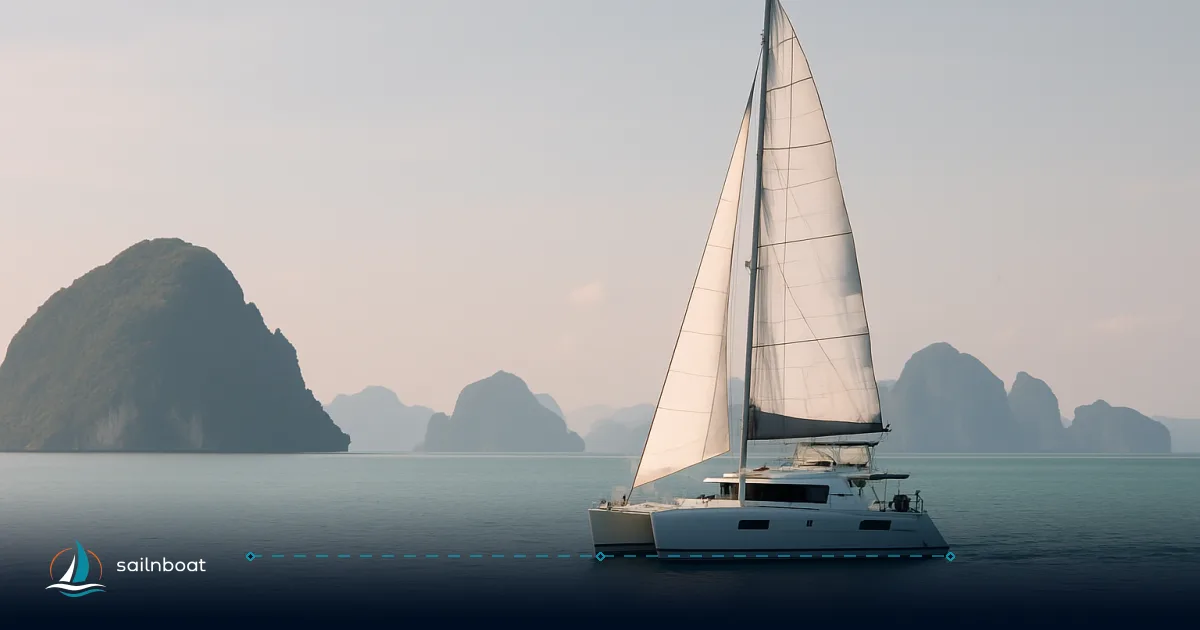
Plan for a short, practical cruise: if you pick the direct Racha route you’ll cover roughly 65–70 nautical miles from Ao Po Grand Marina to the Phi‑Phi islands; if you coastal‑hop via Koh Yao you’ll add mileage but shorten each day’s sailing.
Day-by-Day Sailing Legs Overview
Below are two workable approaches you can use for a 4–7 day cruise: a direct, fewer‑stop 4‑day plan that keeps total mileage lower, and a 7‑day hop that shortens daily runs and gives more time for diving and sheltering. Distances are straight‑line estimates between the named anchorages (nautical miles). Expected sail times are calibrated to typical charter cruising speeds: monohull often 6–7 knots and cruising catamaran typically 8–9 knots — pick the column that matches your boat and use weather to adjust.
Key sources used to calculate positions: Ao Po Grand Marina coordinates, Koh Yao Noi coordinates, Ko Racha (Racha Yai) coordinates and Phi Phi Don coordinates.
Table — typical legs and timings
| Day / Leg | Distance (nm) | Time — monohull (6–7 kn) | Time — cat (8–9 kn) | Recommended arrival |
|---|---|---|---|---|
| Ao Po → Koh Yao Noi (coastal hop option) | ~13–14 nm | 2.0–2.5 h | 1.5–1.8 h | Early–mid afternoon (shore access, markets) |
| Ao Po → Ko Racha (direct option) | ~18 nm | 2.5–3.5 h | 2–2.5 h | Late afternoon to reach a calm bay |
| Koh Yao Noi → Ko Racha Yai (if you choose the hop) | ~18 nm (route dependent) | 2.5–3.5 h | 2–2.5 h | Late afternoon — expect a full day under power/sail |
| Ko Racha Yai → Phi Phi Don | ~16 nm | 2–3 h | 1.5–2 h | Mid‑morning to early afternoon (see arrival timing below) |
| Short hops around Phi Phi Don/Leh | 2–8 nm | 0.5–2 h | 0.3–1 h | Aim for dawn or before 10:00 at popular stops |
Notes on the table and choice of legs
- Distances above are measured between central anchor points using public coordinates and rounded to the nearest nautical mile; actual sailing distance will vary with your exact track and whether you skirt reefs or follow a more sheltered inside route.
- Use the monohull or cat column as a planning baseline; motoring into light winds will slow you, strong following winds can speed you up — always budget extra time for tidal currents and unexpected detours. Typical cruising speeds used here are consistent with industry averages for charter craft.
- If you want shorter day runs and more flexibility to avoid afternoon swell, choose the coastal hop (Ao Po → Koh Yao → Naka/Racha → Phi Phi) and allow the extra mileage across the week. For fewer passages pick the direct Racha line and plan longer single‑day transits.
Suggested sample itineraries (decision‑grade)
-
4‑day (faster, fewer stops): Day 1 Ao Po → Ko Racha (overnight at Batok/Bungalow Bay) — Day 2 Racha → Phi Phi Don (Ton Sai) — Day 3 Explore Phi Phi Leh (Pileh Lagoon, Maya Bay early) — Day 4 Return to Ao Po or cruise back to Phuket marinas. Expect two full passages of 3.5–5.5 hours each.
-
5‑day (balanced): Day 1 Ao Po → Koh Yao Noi — Day 2 Koh Yao → Naka or Racha for snorkel/dives — Day 3 Racha → Phi Phi Don — Day 4 Full day at Phi Phi Leh (early Pileh, afternoon snorkels) — Day 5 Transit back or night at Phi Phi Don and morning return. This eases the day lengths to mostly 2–5 hours.
-
7‑day (island‑hop, dive‑focused): Ao Po → Koh Yao → Koh Naka → Koh Racha → Bamboo Island (Koh Mai Phai) / snorkels → Phi Phi Don → Phi Phi Leh/possible overnight in a calm lee. Use several short hops (1–4 hours) and two full days for diving/snorkelling.
Optimal Arrival Times at Phi Phi Don/Lee
Beat day‑trip crowds and get the best water clarity by timing your arrival properly.
Phi Phi Don anchorages
- Best window: arrive before 09:30–10:00 where possible. The bulk of excursion boats from Phuket and Krabi tend to converge between about 11:00 and 15:00; if you anchor early you can pick a quieter spot, get a dinghy ashore and secure a mooring buoy if available. Early arrivals also give you time for a quiet afternoon snorkel.
Phi Phi Leh (Maya Bay / Pileh Lagoon)
- Best window at Phi Phi Leh: be in Pileh Lagoon or at Maya Bay at first light or very early morning. Pileh’s visibility is best before boat traffic stirs sediment and most tour groups arrive after 10:30. If your plan includes a dawn visit, consider spending the night on a mooring buoy in the archipelago (where permitted) so you can motor in at first light.
Tactical tips
- Private charters and longtails often reorder stops to avoid crowds — the captain should change the sequence on the day to favour empty windows. Weekdays, shoulder months (late‑October, May) and early mornings are your friends for quieter anchorages.
Sheltered Anchorage Options During Monsoon Season
Understanding shelter vs exposure is the practical core of safety here. The Andaman (west) coast faces the southwest monsoon roughly mid‑May to mid‑October and is at its calmest and most predictable from November to April. Plan your itinerary around that seasonality and be ready to shelter when a swell builds.
Koh Yao Noi — reliable lee and mud bottoms
- Why use it: multiple bays with mud/sand holding, easy dinghy access, resupply options and protection from southerly and westerly swell when you anchor in the inner bays. Recommended anchor depths here are often in the 4–10 m band depending on which cove you pick; confirm with your operator or pilot book. The Southeast Asia Pilot and cruising guides list specific protected anchorages on the northwest and east sides. Monitor tidal range; some beaches dry out.
Koh Racha Yai — good day‑stop, selected sheltered corners
- Why use it: the west‑facing bays around Racha offer sandy holding and calm water in northeasterly conditions; several sheltered coves are commonly used as overnight anchorages by charters. Depths for safe anchoring are typically 8–15 m in the bay centres — confirm with local advice or pilot book, and approach with caution because reefs rise quickly near shore and currents can be localised outside the bay.
Phi Phi Don — Ton Sai Bay and lee options
- Why use it: Ton Sai Bay (Ao Tonsai) is the island’s main sheltered anchorage with a sandy bottom and holding often from about 4–18 m in the bay centre; confirm depths locally or with a pilot book. It is protected from the northeast monsoon but can feel ground swell from the south/southwest. The bay is busy — day‑traffic and ferries are constant — so anchor well clear of channels and consider the quieter north/east anchorages if the swell is from the south. Pay attention to mooring buoys and national‑park zones.
Fees and moorings (practical calibration)
- National‑park fees apply at Phi Phi Leh and several snorkel sites — amounts and payment systems vary and are enforced by rangers at the piers or buoy fields; expect per‑person park fees and separate mooring fees where buoys are managed. Many local operators and marinas collect payments on arrival. Do not assume buoys are free in high season.
Top Dive and Snorkel Spots Along the Route
Plan your dive/snorkel schedule around morning slack water and minimal wash from day boats. Here are the high‑value sites you can realistically visit from this route.
Maya Bay (Phi Phi Leh)
- What to expect: a famous beach inside a shallow, sheltered bay. Since reopening there are strict visitor controls, time slots and park rules that limit numbers — early morning visits give the clearest experience and smallest crowds. The beach and surrounding shallows are scenic but can be busy; diving is outside the bay. Check current access rules before you go.
Pileh Lagoon (Phi Phi Leh)
- What to expect: a wide, enclosed lagoon ringed by sheer limestone cliffs with calm water and excellent early‑morning snorkel visibility; nearby Pileh Wall is a recognized dive site with depth to ~20 m and good marine life. Plan a dawn visit or before 10:00 to avoid tour‑boat clusters. Park entry rules apply.
Koh Mai Phai / Bamboo Island
- What to expect: shallow, clear reefs and white sand beaches; great as a midday snorkel stop on the way between Racha and Phi Phi. Visibility is best in the dry season (Nov–Apr) but the site is frequently used year‑round in calm spells. Moorings and swim platforms are common on day‑trip routes.
Racha reefs and Hin Dot (near Racha)
- What to expect: the Racha group has numerous sheltered dive sites and pinnacles outside the main bays; these are prime spots for deeper dives and wall drops. Be mindful of currents on open ocean sites and plan with a local dive operator for boat support and briefings.
Scheduling dives and snorkels
- Do your reef dives/snorkel first thing in the morning when visibility and seas are clearest; avoid busy midday windows at Pileh and Maya Bay; if you want solitude schedule an overnight in the archipelago to reach Pileh at first light. Park entry tickets and dive‑site permit rules are commonly enforced.
Navigational Considerations and Safety Tips
Weather patterns and currents
- Seasonality: the Andaman side is dominated by the southwest monsoon from about mid‑May to mid‑October; the reliable sailing window runs from November through April when winds are more predictable and seas calmer. Expect heavier rain and larger southerly swell in the monsoon months; plan to avoid exposed anchorages then.
Hazards to plan for
- Shallow fringing reefs and fast‑rising seabeds around the Phi‑Phi islets and Racha; charts and depth sounder are mandatory — reefs can go from 20 m to under 2 m in a short distance. Use the western entry into Ton Sai Bay and keep a sharp lookout for coral heads.
- Strong local currents: outside bays (especially near Racha and some passes around Phi Phi) the current can be significant; plan fuel and timing accordingly and avoid pushing for an exposed anchorage if conditions are not favourable.
Checklists and pre‑departure checks
- Brief the crew on the planned day’s leg and alternative anchorages. Verify fuel and water margins for the longest scheduled transit (allow 20–30% reserve). Log the expected ETA and filing plan with the charter base or marina. Confirm national‑park rules and dinghy/shore arrangements before you depart. (These are standard charter‑practice items — check each at handover.)
Navigation aids and local help
- Use up‑to‑date charts (electronic + paper backup), AIS and local pilotage advice; local cruising guides list GPS anchor points for the islands cited here — carry them and cross‑check with your chart plotter and depth sounder. For safety‑critical navigation decisions (entrances, reef clearances), rely on your chartplotter and up‑to‑date pilot‑book notes.
Final Tips for Your Phuket to Phi Phi Journey
Provisioning and logistics
- Stock fully at Ao Po Grand Marina before you depart — fuel, bottled water, fresh produce and any dive tanks you plan to refill. Ao Po and northern Phuket bases have full provisioning services; smaller islands have limited shops and may close early. If you plan to rely on island supplies, check opening days and times.
Check‑in and paperwork
- Expect national park fees at Phi Phi sites and proof of identity for charter check‑in. Many charter companies will brief you on local rules and show required safety equipment during handover — pay attention to those items (lifejackets, flares, marine radio). Park fees and buoy fees are managed locally and change, so budget for them as part of the trip cost.
Communication and connectivity
- Mobile coverage is generally good around Phuket and Phi Phi but can be patchy in some inner bays and hongs; a local prepaid SIM gives reliable data for weather apps and charts ashore. VHF is mandatory for on‑water communication and for coordinating with local boats and marinas.
If the weather turns
- Move early: if swell or wind is forecast to increase, move into a protected anchorage before conditions worsen. Use Koh Yao, Racha or lee anchorages on Phi Phi as described above — they are geographically favoured to shelter certain wind directions but none are universally protected from every swell direction.
Plan your visit, not just your chart
- The practical pleasure of a Phuket→Phi‑Phi cruise is pacing: the faster schedules reduce flexibility; a 4‑day plan is efficient but offers less margin for weather or extended dives. If your priority is calm mornings, good snorkel visibility and getting the prime slots at Pileh and Maya, add days and aim to be in the archipelago overnight. Early arrival at key sites is the single most effective tactic to avoid crowds and get clearer water.
Plan your sailing adventure from Phuket to the Phi‑Phi Islands today — pick the pace that matches your crew’s appetite for time on the water, and leave the longer rests for the anchorages with good shelter and easy dinghy access.
Plan your sailing adventure from Phuket to the Phi Phi Islands today.
Frequently Asked Questions
Two practical options: a 'direct' route via the Racha islands (shorter total mileage, fewer stops) or a 'coastal hop' via Koh Yao and smaller islands (longer total mileage but shorter day legs and more sheltered stops).
Use your boat’s cruising speed: plan 6–7 kn for a typical monohull and 8–9 kn for a cruising cat; multiply by the leg distance (nm) to get realistic hours — most legs fall in the 2–6 hour band.
Aim to arrive at Phi Phi Don or Phi Phi Lee before 09:30–10:00 to avoid the main day‑trip rush (which peaks roughly 11:00–15:00).
Koh Yao Noi (several protected bays), sheltered coves on Koh Racha Yai and the deeper parts of Ton Sai Bay on Phi Phi Don are the reliable fallbacks; suitability depends on wind direction and swell.
Pileh Lagoon (snorkel + swim), Maya Bay (park rules and visitor caps apply), and Koh Mai Phai (Bamboo Island) are the standouts; Hin Dot/Hin Muang and the Racha reefs are top dives near Phuket.
Written by
Sailnboat Editorial
The Sailnboat editorial desk covers yacht and boat chartering worldwide — routes, bases, seasons, boat types, paperwork and the practical costs that decide a trip. We are a charter marketplace, not a boat owner or a local agency: what we sell is judgement and support, so our guides are written to help you make a decision, not to sell you a specific boat. Every guide is checked against live operator and marina data before it goes out.
Fact-checked against live operator and marina data, and published under our editorial standards. Last reviewed: .