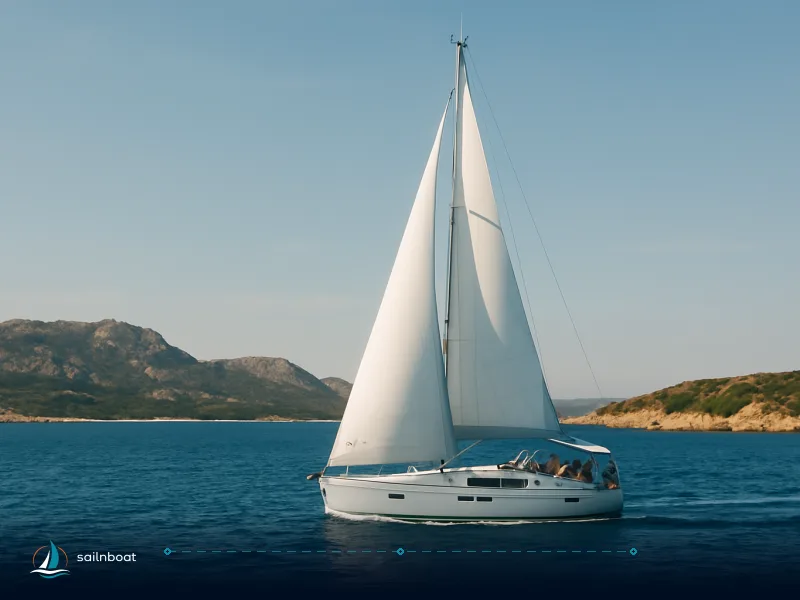
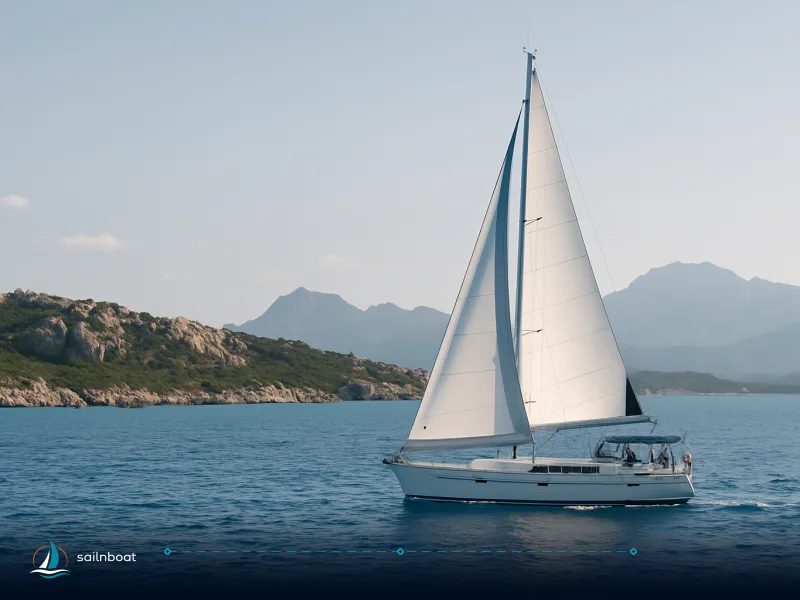
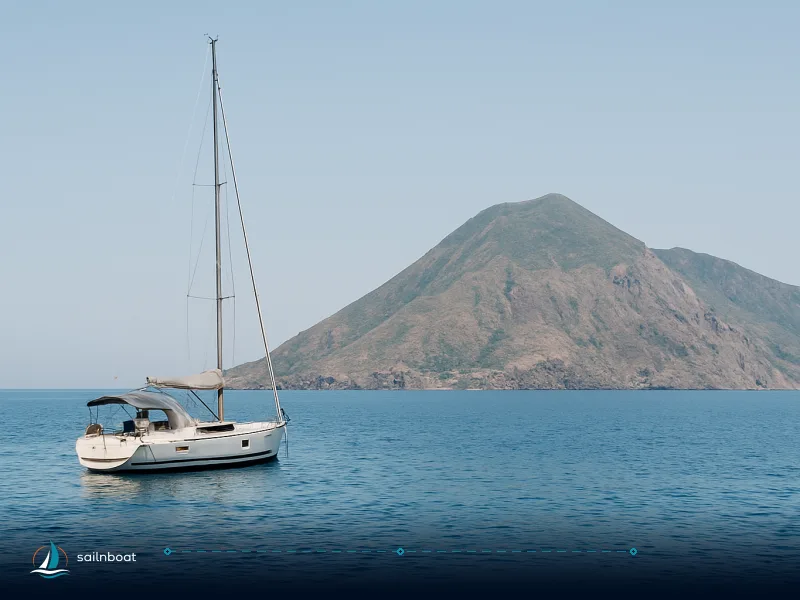
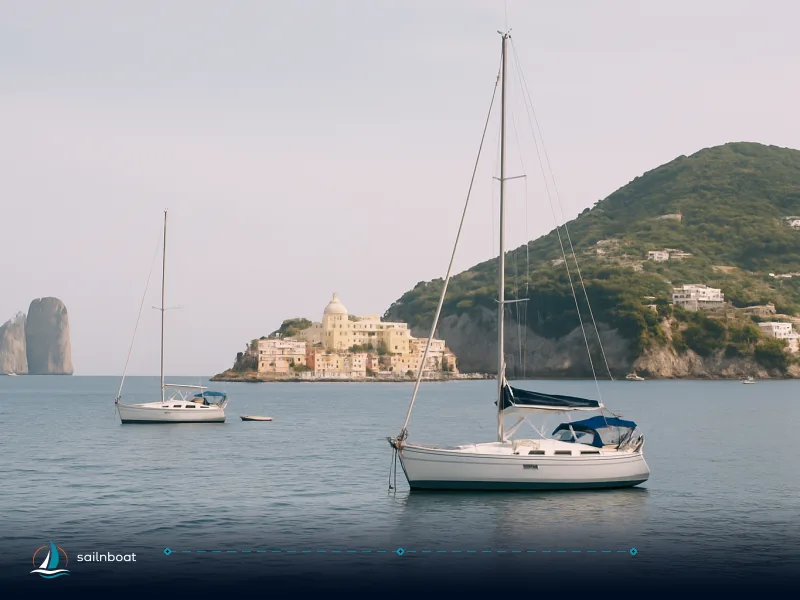
7-Day La Maddalena Sailing Itinerary: Palau, Caprera, Spargi & Budelli
A tightly‑paced, skipper‑friendly 7‑day La Maddalena itinerary that puts Palau, Caprera, Spargi and Budelli into a single week with daily legs, moorings, park rules and sheltered alternatives for northerly winds.

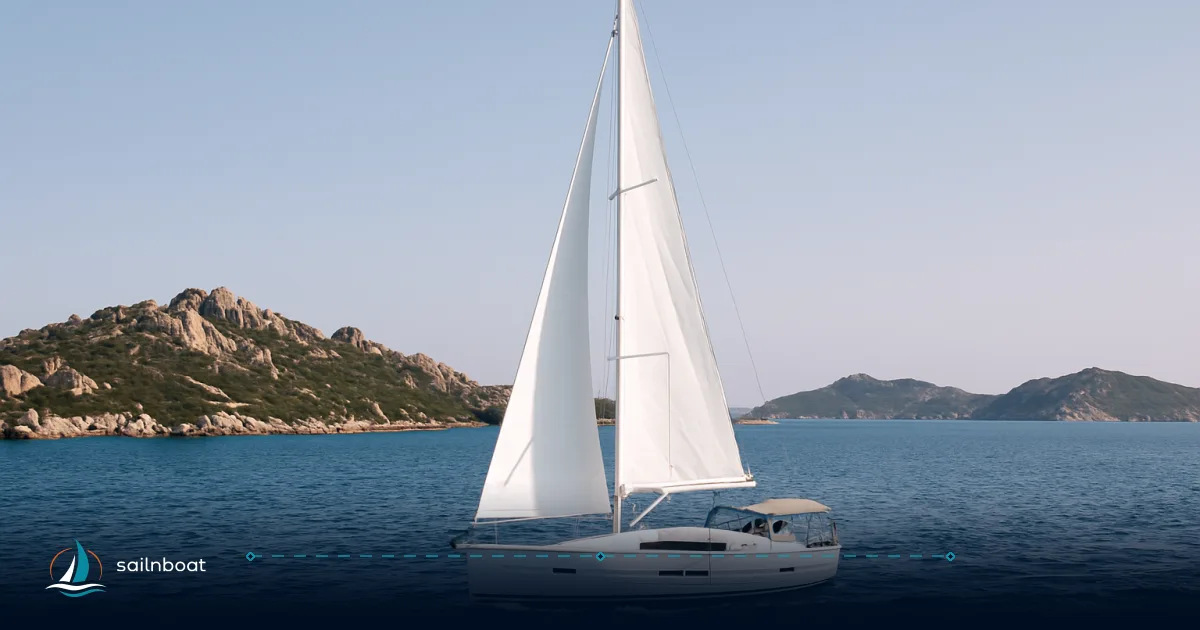
La Maddalena itinerary in one line: a seven‑day clockwise loop from Palau that lets you sleep most nights on park buoys or in small marinas while keeping daily sails short (typically 5–15 nm). This plan gets you Caprera’s Cala Coticcio, Spargi’s Cala Corsara, a controlled visit to Budelli’s Spiaggia Rosa (from the water), then La Maddalena town and a transit to Porto Cervo before returning to Palau — with alternatives for northerlies and the park’s mooring rules integrated into each day.
What to know before you go
- Park rules matter: La Maddalena Archipelago National Park runs buoy fields and access limits at sensitive sites (Cala Coticcio, Spiaggia Rosa). Expect mandatory use of mooring buoys in many coves and restrictions on landing or night anchoring in protected zones.
- Timing: plan to arrive anchorages in the early–mid afternoon (13:00–16:00) so you can claim a park buoy or a sheltered slot before winds rise. Many charter itineraries use the afternoon arrival window as a rule of thumb.
- Wind and shelter: the northern‑quadrant summer winds (Maestrale / the region’s strong northerlies) make lee anchorages on the eastern sides of islands the safest option; Cala Corsara and Caprera’s inner inlets are known maestrale boltholes.
- Fees and permits: the park charges small access/entry or mooring fees and marinas charge transients; prices change annually and by operator—budget a range rather than a single figure. The park publishes ordinances and seasonal rules online.
Below is a practical day‑by‑day plan tuned for a bareboat or skippered charter out of Palau with a 7‑day time window. Distances are approximate sailing miles for the most direct practical route between stops and will vary slightly with harbour positions and your chosen track — treat the numbers as planning figures and run them against your chartplotter before you commit.
| Day | Route | Approx. NM | Suggested arrival | Difficulty (skipper judgement) | Main mooring/anchorage |
|---|---|---|---|---|---|
| Day 1 | Palau → Caprera (Cala Garibaldi / Porto Palma / Cala Coticcio approach) | ~10 nm | 14:00 | Moderate | Park buoys at Cala Coticcio or Porto Palma (book early) |
| Day 2 | Caprera → Spargi (Cala Corsara) | ~8 nm | 15:00 | Easy | Park buoys in Cala Corsara (day and overnight buoy fields in season) |
| Day 3 | Spargi → Budelli (viewing; anchor or buoy outside restricted zone) | ~5 nm | 13:00 | Easy | Buoys/anchorage outside Budelli; Pink Beach strictly no‑land/no‑anchor zone |
| Day 4 | Full day around Budelli (snorkel, dinghy trips, restricted shore options) | 0–5 nm local | flexible | Easy | Day moorings; do not land on Spiaggia Rosa (Budelli) |
| Day 5 | Budelli → La Maddalena town (Cala Gavetta) | ~6 nm | 14:00 | Easy | Cala Gavetta marina / town pontoons for provisioning |
| Day 6 | La Maddalena → Porto Cervo (Costa Smeralda) | ~12 nm | 15:00 | Moderate (open exposure) | Porto Cervo marina (book ahead) or nearby sheltered anchorages |
| Day 7 | Porto Cervo → Palau (return to base) | ~10 nm | 12:00 (check‑out) | Easy | Palau marina / base check‑out |
Sources that follow a similar short‑hop pattern and buoy‑centric plan are common in local charter guides and recent itineraries. Use them to cross‑check daily plan timing and distances.
Day 1: Palau to Caprera
Sailing Details
- Distance: ~10 nm (planning figure — depends on where you clear Palau marina and which Caprera inlet you pick). Many one‑week itineraries use a short first day to let the crew work out systems and reach Caprera before afternoon winds.
- Suggested arrival: 14:00–16:00 — early enough to secure a park buoy or a sheltered berth.
- Difficulty: Moderate — short transit but watch for local ferry traffic in the Bocche di Bonifacio approaches and tidal/wind funneling near Punta Sardegna.
Recommended Moorings
- Cala Garibaldi / Cala Coticcio (Caprera): Cala Coticcio is the iconic cove; the Park keeps a buoy field and enforces access rules — drop on a park buoy if available. Cala Garibaldi is another sheltered option on Caprera’s lee side. Buoys fill early in high season.
- Porto Palma: a small working inlet used as a sheltered alternative when buoys are full; availability varies and you should call ahead if you need a pontoon. Local charts and the Port Authority note depth and berthing limits.
Practical notes
- If you want to land for a short walk to Cala Coticcio, check the Park’s landing limits and book the allowed shore accesses or a guided visit — the Park restricts visitor numbers on certain footpaths.
- If NW winds build, shift to the lee on the eastern side of Caprera (Porto Palma / Cala Portese) where shelter and deeper water make handling simpler.
Day 2: Caprera to Spargi
Sailing Details
- Distance: ~8 nm between Caprera and Spargi (direct routes inside the archipelago).
- Suggested arrival: 15:00 — Cala Corsara is famous and fills fast; arrive early afternoon.
- Difficulty: Easy — short coastal hop, but exposed to SW winds; check local conditions.
Recommended Moorings
- Cala Corsara (Spargi): park‑managed buoy field; reach early and take a buoy rather than anchoring if the buoys are present — buoy use is commonly required and enforced in the bay. Cala Corsara is renowned for calm water in a NW wind but can be exposed to Scirocco/Libeccio.
Practical notes
- Take the mooring ball rather than anchoring where the park has laid buoys; chains and blocks are maintained by the Park or concessionaires and you avoid damaging Posidonia meadows.
- If a southerly sets in (Libeccio / Scirocco) move to the northern coves of Spargi or return to the La Maddalena side for lee protection.
Day 3: Spargi to Budelli
Sailing Details
- Distance: ~5 nm — a short hop from Spargi into the Budelli / Razzoli group.
- Suggested arrival: early afternoon (13:00–14:00).
- Difficulty: Easy — short and sheltered in settled weather; note shallow ledges around Budelli approaches.
Recommended Moorings
- Cala Gavetta (if transiting via La Maddalena) or park buoys outside Budelli: Budelli itself is largely uninhabited and fragile; you’ll use buoys or anchor outside the strictly protected zones and visit by dinghy where permitted.
Practical notes
- Spiaggia Rosa (Cala di Roto) on Budelli is protected — transit and landing restrictions are enforced and anchoring/landing inside the marked boundary is prohibited; you can only view it from the water at a respectful distance. Plan your photo stop outside the protected buoys.
- Look for shallow shelves and charted hazards on approach; use official charts and local pilot notes for the Passo dei Monaci and nearby shallows.
Day 4: Exploring Budelli and the northern islets
Activities
- Snorkelling: excellent visibility near granite shelves; avoid seagrass meadows and use mooring buoys.
- Dinghy shore trips: limited—Budelli landing is mostly forbidden; seek local guidance on permitted shorelines and official paths.
Mooring Regulations
- Park fees and timed access: the Park may require small entry fees for certain protected trails or accesses (these are low, often a few euros per person for beach access or guided visits) and buoys may carry a daily charge under permit systems. Rules change seasonally and the Park publishes ordinances and maps.
Practical notes
- Use this day to give the crew a rest day: short snorkel sessions, dinghy to permitted beaches, provisioning if you head back toward La Maddalena town in the late afternoon.
Day 5: Budelli to La Maddalena Town
Sailing Details
- Distance: ~6 nm into the main harbour at Cala Gavetta.
- Suggested arrival: 14:00 for provisioning and a marina berth if you want shore time.
- Difficulty: Easy — the approaches to Cala Gavetta are well charted but busy with ferry traffic.
Mooring Options
- Marina / Cala Gavetta: the main town harbour with fuel, provisioning, chandlery and land transport. The port lists pontoons and a number of tourist berths; treat the marina as your provisioning stop.
- Alternative: anchor in nearby protected bays if you prefer quieter evenings; be wary of ferry lanes and local speed restrictions.
Practical notes
- Expect higher transient fees in the town marina in high season — berthing prices vary by vessel size and season; check the marina tariff on arrival or call ahead.
Day 6: La Maddalena to Porto Cervo
Sailing Details
- Distance: ~12 nm (coastal transit along the Costa Smeralda to Porto Cervo).
- Suggested arrival: 15:00 to pick a berth before afternoon winds or to anchor in a nearby lee.
- Difficulty: Moderate — more open water exposure; routing should keep you inside islands where possible but expect a sea on a stronger wind.
Mooring Options
- Porto Cervo Marina: full services, high comfort and commensurate pricing — a good choice for refuelling, laundry or high‑end provisioning; book well in advance in peak season.
- Alternatives: quieter anchorages exist nearby for sheltered shelter, but many are exposed to southerly or westerly winds — choose based on forecast.
Practical notes
- Porto Cervo prices are higher than the La Maddalena marinas; some marinas price by vessel footprint (m × beam). Allow extra budget for a night at Porto Cervo, especially in peak months.
Day 7: Porto Cervo to Palau — return and check‑out
Sailing Details
- Distance: ~10 nm returning to Palau marina/base.
- Suggested arrival: aim to be back by late morning (around 11:00–12:00) for a smooth check‑out, fuel return and final walk‑through.
Final Mooring
- Palau marina / base: confirm your checkout time with your charter operator — many bases expect the boat back mid‑morning, and topping up fuel and cleaning takes time. Palau harbour is the archipelago gateway and has good services for disembarkation.
Practical check‑out tips
- Allow 2–3 hours for engine checks, washdown, final meter reads and paperwork; the base will usually inspect fuel, general inventory and the hire inventory list. Typical check‑out practices are similar across Mediterranean charter bases: expect a mid‑morning return unless your contract states otherwise.
How to assess difficulty for each leg (short checklist)
- Exposure: is the leg exposed to the open sea or inside the archipelago? Open legs are one step harder.
- Distance: longer legs use more fuel and reduce margin for weather changes. Keep daily hops under 15 nm for relaxed timings.
- Traffic: narrow channels, ferry lanes and the Bocche of Bonifacio require extra attention.
- Wind forecast: if a steady northerly is predicted, favour eastern lee anchorages early in your day plan. Safety Anchor Alarm and local pilot notes are good weather + harbour references.
Park moorings, night‑anchoring rules and permits (operational summary)
- Buoy fields and Zone rules: the Park operates buoy fields in signature coves (Cala Coticcio, Cala Corsara, Porto Madonna, etc.). Where a park buoy field is present, using those buoys is expected and often mandatory to protect Posidonia and sensitive bottoms.
- Night anchoring: the Park has tightened night‑anchoring rules in sensitive zones; in practice many charter routes rely on park buoys for overnighting rather than free anchoring. Recent ordinances and seasonal measures are published by the Park and the Harbour Office.
- Spiaggia Rosa (Budelli): landing, anchoring and swimming inside the marked Spiaggia Rosa boundary are prohibited — view from the boat at distance.
- Cala Coticcio: access is regulated; visitor numbers and shore access may be limited and the Park sometimes requires pre‑booked visits or guided entry. Mooring buoys exist on the seaward side.
Always carry the Park‑issued chart or the latest local ordinance map on board and brief your crew on which coves are Zone A (strict protection) versus Zone B/C (more permissive). The Park’s official notices and the Harbour Office issue seasonal ordinances that can change permitted behaviours.
Sheltered alternatives when the northerly (Maestrale / meltemi) comes up
- Caprera eastern inlets: Porto Palma, Cala Portese — dependable lee for NW winds.
- Inner La Maddalena bays: Cala Gavetta and inner harbours give shelter from northerlies and offer marina services.
- Move south to Santo Stefano’s lee or back toward Palau if the forecast predicts a strong, prolonged northerly — a conservative move keeps crew and vessel comfortable. Safety Anchor Alarm and local pilot guides list the shelter sectors for each bay.
Fees, reservations and provisioning — practical rules
- Mooring / buoy fees: small park buoy fees and marina transient rates both exist; park buoy fees are typically modest but vary by season and concessionaire. Marina transits at Cala Gavetta and Porto Cervo vary widely by vessel size and season — expect higher rates in Porto Cervo. Confirm the tariff lists before arrival; marinas publish seasonal price lists.
- Reservations: in high season (July–August) reserve marina berths (Porto Cervo, Cala Gavetta) ahead. Park buoys cannot always be reserved by private skippers; early arrival is often the practical reservation.
- Park permits & visitor fees: certain beach trails and protected landings require small entrance or guided‑visit fees; Cala Coticcio and similar trails may restrict visitor numbers. Carry ID and the Park ticket receipts when ashore.
Quick contingency checklist (if weather goes offshore)
- Make lee: move to Porto Palma / Cala Gavetta / Palau inner harbor before the wind builds.
- Fuel: top up at La Maddalena town if you plan a longer sheltering motor time.
- Communications: VHF 16 for initial call; local marinas list working channels (Cala Gavetta often VHF 74).
Short comparison table: anchor/buoy vs marina
| Option | Pros | Cons | Typical use |
|---|---|---|---|
| Park mooring buoy | Protects seabed, easy to pick up, common in main coves | No shore services, buoy availability first‑come | Overnight in high season at Cala Coticcio, Cala Corsara |
| Free anchoring (where permitted) | Quiet, cheaper | Risk of damaging Posidonia, sometimes legally restricted | Early/late season or less sensitive bays |
| Marina berth | Water, power, provisioning, easier landing ashore | Costly in high season, needs booking | Town stops, provisioning, laundry, check‑in/out |
Final practical notes for the skipper
- Navigation & charts: use up‑to‑date official charts for the archipelago; many shallow ledges and military relics are charted and must be avoided. The Harbour Office and Park publish ordinances and hazard notices.
- Local traffic: ferries from Palau to La Maddalena run frequently; the crossing is short (typically under 2 nautical miles) and a useful indicator of local lanes and wash. Plan your movements around ferry schedules if you’re entering Cala Gavetta.
- Environmental best practice: never anchor on Posidonia meadows; take a buoy wherever provided and keep engine off while guests swim near the boat. Park rules and conservation goals make this both legal and practical.
Plan your exact day miles and berth bookings against your chartplotter and the charter base’s local advice on arrival.
Frequently Asked Questions
A compact loop that starts in Palau, then Caprera (Cala Coticcio/Porto Palma), Spargi (Cala Corsara), Budelli (viewing Spiaggia Rosa), La Maddalena town (Cala Gavetta), Porto Cervo and back to Palau—planned as short daily hops so you can use afternoon arrival windows and park buoys.
Use park mooring buoys at Cala Coticcio (Caprera) and Cala Corsara (Spargi), Cala Gavetta (La Maddalena) for town services; Porto Palma and Porto Cervo are the main sheltered/dock options; Budelli is for viewing only (no landing at the Pink Beach).
Plan 5–15 nm per day with afternoon arrivals: typically 13:00–16:00 to secure a buoy or berth before seas/wind pick up.
Assess legs by distance, exposure and likely wind: inside-archipelago short hops (easy); open-water transits or legs exposed to the Bonifacio funnel (moderate); anything sailed in strong Maestrale/meltemi conditions is challenging and needs a conservative plan.
The National Park enforces zoning: many coves use park mooring buoys and night anchoring outside buoys is broadly restricted in sensitive zones; Cala Coticcio and Spiaggia Rosa have special access/landing rules and Buoy fields. Check the park's current ordinance before you go.
Leeward options for northerlies include the eastern side of Caprera (Porto Palma, Cala Portese), the inner bays around La Maddalena (Cala Gavetta) and, for a higher‑comfort stop, Porto Cervo on the east coast of the Costa Smeralda.
Written by
Sailnboat Editorial
The Sailnboat editorial desk covers yacht and boat chartering worldwide — routes, bases, seasons, boat types, paperwork and the practical costs that decide a trip. We are a charter marketplace, not a boat owner or a local agency: what we sell is judgement and support, so our guides are written to help you make a decision, not to sell you a specific boat. Every guide is checked against live operator and marina data before it goes out.
Fact-checked against live operator and marina data, and published under our editorial standards. Last reviewed: .