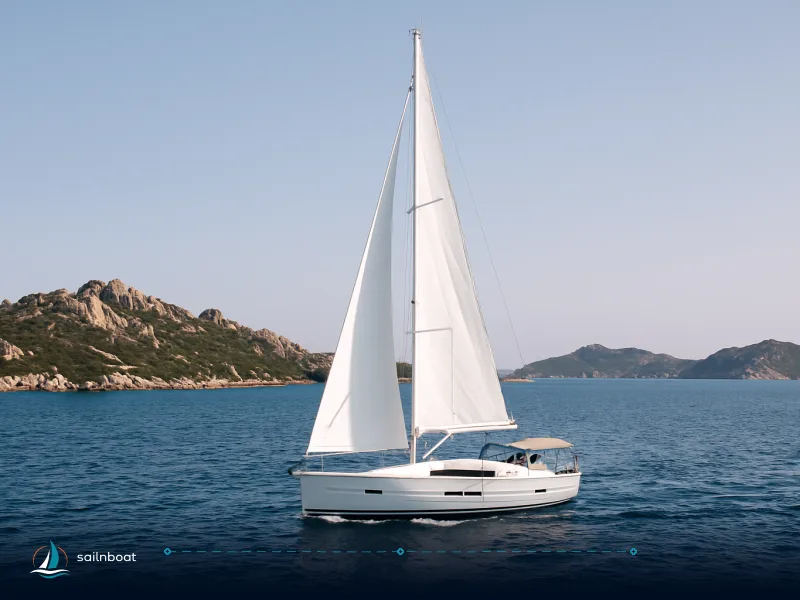
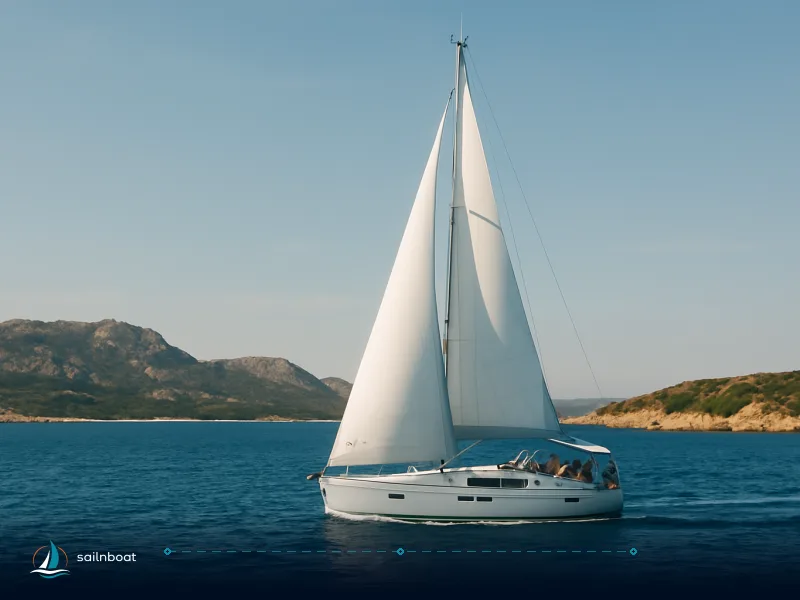
Exploring the Enchantment of Sardinia: A Week of Sailing
A practical 7‑day plan for sailing Sardinia: two focused route options (Costa Smeralda & La Maddalena; Gulf of Orosei), daily legs with distances and times, costs, and the marine‑park rules you need to know.

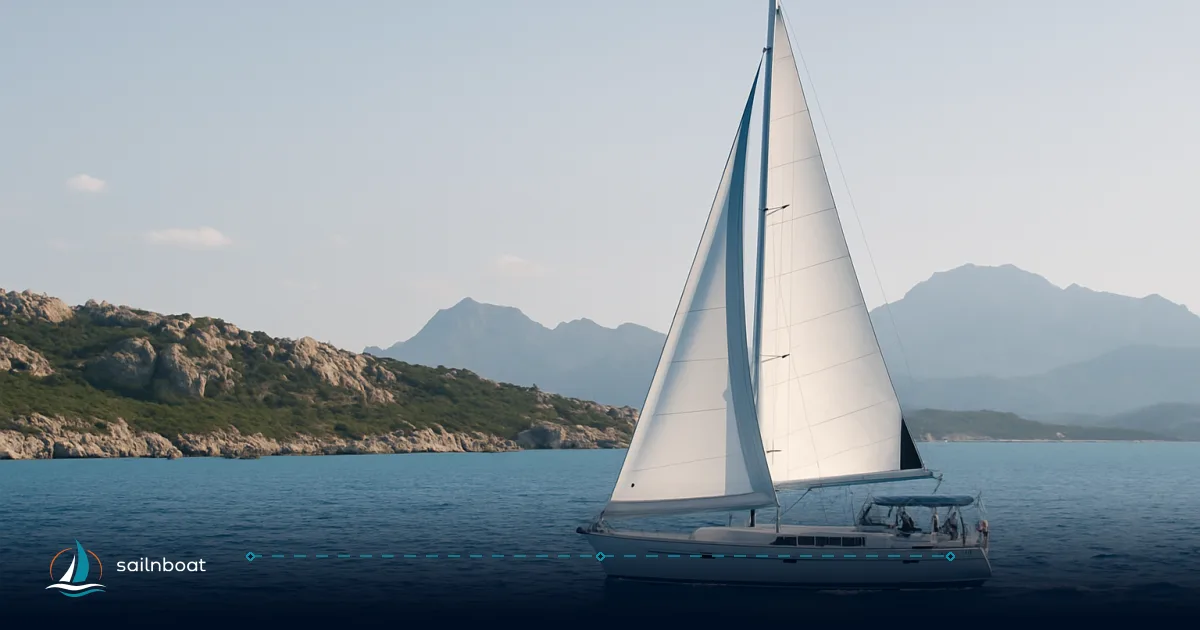
Sailing Sardinia is about matching your crew’s expectations to a practical, achievable route and getting the details right on provisioning, paperwork, and park rules. Sardinia divides into two workable circuits for a week-long charter: the protected, short-hop Costa Smeralda and La Maddalena loop—ideal if you want easy anchorages and regular marina nights—or a more committed run down the east coast into the Gulf of Orosei, which suits crews looking for remote anchorages and longer sailing legs. With seven days, focus on one region. Trying to combine both leads to rushed passages and missed opportunities ashore.
Optimal Sailing Routes Around Sardinia
Below are two realistic, decision-focused itineraries for a week of sailing Sardinia. Both suit a 38–46 ft cruising yacht. Adjust stops and distances for your base, weather, and crew.
Key Routes and Distances
Route A: Costa Smeralda & La Maddalena Loop Base: Olbia or Porto Cervo
- Typical total distance: 60–80 NM, depending on detours and anchorage choices.
- Typical daily legs: 8–20 NM, with no single leg over 35 NM; manageable for most crews.
- Main stops: Tavolara and Capo Coda Cavallo, Cala di Volpe/Porto Cervo, Caprera, Spargi, and Budelli in La Maddalena National Park.
Route B: Gulf of Orosei (East Coast Run) Base: Olbia, Arbatax, or one-way to Cala Gonone
- Typical total distance: The run from Olbia down to Arbatax or Cala Gonone and around the main coves is commonly between 60 and 90 NM, depending on your start and end points and any detours. Actual distance will depend on your exact route—plan with up-to-date charts.
- Typical daily legs: 12–30 NM; some days require longer passages with limited marina options.
- Main stops: Cala Mariolu, Cala Goloritzé, Cala Luna, and the cliff-backed coves only accessible by boat.
Table: Route Comparison
| Route | Typical total NM | Longest leg (typical) | Daily avg (NM) | Best for |
|---|---|---|---|---|
| Costa Smeralda + La Maddalena | 60–80 | 18–35 | 10–15 | Short hops, many anchorages, marinas |
| Gulf of Orosei (east coast) | 60–90 | 25–30+ | 15–25 | Dramatic coves, longer days, remote |
Sample 7-Day Itineraries
Costa Smeralda + La Maddalena Loop
- Day 1: Olbia – Tavolara (anchor off Spalmatore di Terra; dinner aboard or dinghy to beach bar)
- Day 2: Tavolara – Capo Coda Cavallo – Cala di Volpe (option for Porto Rotondo marina, restaurants and supplies nearby)
- Day 3: Cala di Volpe – Porto Cervo (overnight in marina, full services, high-end provisioning, restaurants)
- Day 4: Porto Cervo – Caprera (anchor at Cala Garibaldi or Porto Palma, visit Garibaldi museum, nature trails)
- Day 5: Caprera – Spargi/Budelli (moor in La Maddalena park, swim and hike; limited shore services)
- Day 6: Budelli – La Maddalena town (marina with shops, market, fuel, and casual dining)
- Day 7: La Maddalena – Olbia (stop at Cannigione or Porto San Paolo for lunch/supplies, return to base)
Gulf of Orosei Route
- Day 1: Olbia – Cala Gonone (marina or buoy, stock up at local market, shore dinner options)
- Day 2: Cala Gonone – Cala Luna (anchor or buoy, cave visits, basic beach café in season)
- Day 3: Cala Luna – Cala Mariolu (anchor off, swim or dinghy ashore, no supplies here)
- Day 4: Cala Mariolu – Cala Goloritzé (anchoring is restricted; use buoys if available, swim ashore, visit the arch)
- Day 5: Cala Goloritzé – Santa Maria Navarrese (marina, fuel, groceries, restaurants)
- Day 6: Santa Maria Navarrese – Arbatax (full marina, provisioning, restaurants, refuel if needed)
- Day 7: Arbatax – Olbia (long return leg, possible lunch stop at Porto Ottiolu, end at base)
Provisioning Logistics: Where and How to Stock Up
Provisioning in Sardinia is straightforward if you plan ahead, but expect price and selection differences between major ports and small anchorages.
- Best provisioning bases: Olbia, Porto Cervo, and La Maddalena town all have supermarkets within a short taxi or walk of the marina. Olbia’s Auchan or Conad supermarkets are popular with charter crews for large shops. In the south, Arbatax marina is close to local grocers and markets.
- Typical costs: For a crew of 4–6, expect €120–€200 for a week’s basic groceries (excluding alcohol and luxury items). Fresh produce, dairy, and bread are widely available; imported or specialty items cost more.
- Delivery options: Many marinas work with local provisioning companies that deliver directly to your yacht for a fee (commonly €20–€40 per delivery). Some larger supermarkets offer online ordering in English or Italian.
- On-route resupply: La Maddalena town and Porto Cervo offer smaller supermarkets and daily markets; Cala Gonone and Santa Maria Navarrese have reliable bakeries and mini-markets. Stock up before heading into the remote coves of the Gulf of Orosei, as there are no shops or water at anchorages like Cala Luna or Cala Mariolu.
Restaurant and shore services: Porto Cervo and La Maddalena have a range of restaurants, from pizza and seafood to high-end dining. Smaller ports like Santa Maria Navarrese and Porto Rotondo offer casual trattorias and basic supplies. In the Gulf of Orosei anchorages, expect no shore services—bring what you need.
Freshwater and Waste Management
Water Refill Points
- Marinas: Olbia, Porto Cervo, Porto Rotondo, La Maddalena town, Santa Maria Navarrese, and Arbatax all offer freshwater refills on the dock. Plan to top up tanks at every marina stop—water is not available at anchorages.
- Anchorages: No water refills. Bring extra jerry cans if your yacht’s tankage is limited.
Waste Disposal and Pump-Out
- Black water: Italian law prohibits discharge of black water (toilet waste) in port or within 3 NM of the coast. Most marinas have pump-out facilities—ask at check-in.
- Rubbish: All marinas provide bins for sorted waste. In remote areas, you must store rubbish on board until your next marina stop.
- Grey water: There are no facilities for grey water disposal; use eco-friendly soaps and minimize discharge in sensitive areas.
Tip: Monitor water levels daily. Showers and washing up will drain tanks faster than you expect, especially with a full crew.
Charter Paperwork, Insurance, and Check-in
Charter paperwork in Sardinia is routine but detailed. Be ready with:
- Skipper licence: Most charter companies require an internationally recognised skipper’s certificate (ICC or RYA Day Skipper equivalent). Some accept ASA 104 or similar. The ICC is widely accepted in Italy, but always check with your charter provider.
- VHF certificate: Many operators require a VHF operator certificate (SRC or equivalent) for the skipper or a crew member.
- Insurance: Standard hull and liability insurance is included in the charter fee. A refundable security deposit (often €2,000–€5,000, held on card) is standard, or you can opt for a damage waiver (reducing your liability for a non-refundable fee, typically €150–€400).
- Check-in process: At handover, expect a walkthrough of the yacht’s systems, inventory check, and documentation review. Bring passports/ID for all crew, skipper’s licence, VHF certificate, and payment card for the deposit.
- Paperwork timing: Allow 60–90 minutes for check-in and briefing, especially at busy bases in high season.
Fuel Range, Refueling, and Engine Use
Typical Fuel Consumption
- Monohull (38–46 ft): Fuel consumption varies by model and conditions but is often in the range of 3–6 L/hr at cruising speeds around 6–8 knots. Confirm with your charter base for your specific yacht.
- Catamaran (40–45 ft): Typically 5–9 L/hr at 8–10 knots, but always check your vessel’s manual or ask at check-in.
- Daily use: Depending on motoring and generator hours, plan for 20–60 L per day.
Refueling Points
- Costa Smeralda/La Maddalena circuit: Fuel is available at Olbia, Porto Cervo, Cannigione, and La Maddalena town. In high season, queues at fuel docks are common—refuel early or late in the day to avoid waits.
- Gulf of Orosei: Fuel up at Olbia before heading south. Santa Maria Navarrese and Arbatax both have marina fuel stations; smaller anchorages do not. Plan your tank range carefully—running out of fuel in remote coves will require a tow and is costly.
Tip: Always check your yacht’s tank capacity and range at check-in. Refill before a long open-water leg, especially on the east coast route.
Accessing Sardinia's Coves: Mooring, Anchoring, and Park Rules
The Gulf of Orosei and parts of La Maddalena are only accessible by boat or a long coastal hike. Anchoring discipline is essential for safety and compliance with marine park regulations.
Cala Mariolu and Cala Goloritzé
- Cala Mariolu: Reachable primarily by boat or a strenuous hike. Anchor outside buoyed zones in sand, not seagrass. In high season, a mooring corridor or buoy field is often in place. Dinghy landings are typical; the beach is managed and visitor numbers may be capped.
- Cala Goloritzé: Strictly regulated—anchoring is not permitted close to the beach. Use designated buoys where available, or stay outside the exclusion zone and swim in. Direct beach landings by dinghy are often prohibited. Confirm current rules before arrival.
Landing tips:
- Use a stern anchor or bow/stern line if holding off a small cove.
- Where mooring buoys are installed, use them—anchoring in Posidonia is forbidden and fines are enforced.
- In all park areas, follow signage and ranger instructions.
Navigational and Mooring Guidance
- Charts: Carry updated electronic charts and a paper backup. Many reefs and shoals are unmarked until close approach.
- Posidonia protection: Never anchor in seagrass meadows; look for sandy patches or use park buoys.
- Ground tackle: For yachts in the 38–46 ft range, 50–60 m of chain is recommended for exposed anchorages.
- Park rules: La Maddalena and other MPAs have active enforcement. Overnight anchoring and buoy fields are regulated, with fines for violations.
- Visitor caps: Both La Maddalena and Baunei/Gulf of Orosei areas have introduced visitor limits and seasonal access restrictions. These rules can change annually—confirm the latest ordinances with your charter base or the local harbormaster before departure.
Booking Marina and Mooring Field Nights
- Advance reservation: In July and August, reserve marina berths and buoy fields in advance. Many marinas accept online bookings or use apps (such as Navily or Dockwa); some require phone or email.
- On arrival: For public mooring fields, a park ranger or harbor staff will assist with buoy assignment and collect fees.
- Anchorage etiquette: Arrive early to secure a spot, especially in the popular coves. Always respect exclusion zones.
Charter Fees and Additional Costs
Expect significant variation by boat size, season, and route. Below are current ranges; confirm for your dates.
Typical Charter Fees
- Bareboat monohull (36–42 ft): €2,000–€6,500 per week (higher in July–August).
- Catamarans (40–45 ft): €4,000–€12,000+ per week in peak season.
- Skipper fee: €150–€250 per day, or €1,200–€1,800 per week (plus food).
- Security deposit: €2,000–€5,000 (refundable), or a non-refundable waiver fee (€150–€400).
Additional Costs
- Fuel: Marine diesel in Sardinia ranges from €1.50–€2.00 per litre at marinas. Prices spike in remote locations or during summer peaks.
- Marina/visitor mooring: €50–€150 per night for a 40–45 ft berth. Premium marinas like Porto Cervo can cost more, especially in July–August.
- Provisioning, cleaning, extras: Budget €200–€400 for the week for food, cleaning, towels/linen, outboard fuel, and park fees.
- Park and buoy fees: Expect daily or seasonal charges in La Maddalena and Gulf of Orosei buoy fields; rates vary, so check with your charter base.
Cost Comparison Table: Marina vs. Anchorage
| Night Type | Typical Cost/Night (40–45 ft) | Water/Electric | Shore Access | Reservation Needed? | Notes |
|---|---|---|---|---|---|
| Marina | €60–€150+ | Yes | Easy | Recommended | Higher in July/August |
| Visitor Mooring | €30–€80 | No | Dinghy | Often | Fees vary by park/zone |
| Anchorage | Free (park fees may apply) | No | Dinghy | No | No services, bring supplies |
Sample cost planner for a 7-day self-charter, 4–6 persons:
- Boat (bareboat, high season): €3,500–€6,500
- Marina nights (4 at €80/night): €320
- Fuel + generator: €200–€400
- Skipper (optional): €1,200–€1,750 + food
- Damage waiver/deposit: €150–€400 or €2,000–€5,000 held
- Total: €4,000–€10,000+ depending on boat class and choices
Best Times to Sail in Sardinia
- Season: May–October is the main window. June and September balance good weather with lighter crowds.
- Weather: Summer brings daytime highs in the mid-20s to low-30s °C. Sea breezes of 8–18 knots are typical; the Maestrale (NW wind) can reach 25–35 knots, especially in the Strait of Bonifacio. Avoid open-water crossings in a Maestrale forecast.
- Tip: Schedule longer legs early in the day, when winds are building but before afternoon gusts peak. In unsettled forecasts, stick to sheltered routes or delay departure.
Safety, Regulations, and Local Rules
Sardinia’s marine parks enforce rules actively. Non-compliance brings fines and can affect your insurance coverage.
Key Safety and Compliance Measures
- Emergency numbers:
- Guardia Costiera (maritime emergency): 1530
- EU emergency: 112
- Monitor VHF Channel 16
- Lifejackets & safety kit: Provided by the charter company. Confirm inventory at check-in.
- Qualifications: Bring all skipper and VHF certificates. Missing documents can prevent handover.
- Anchoring rules:
- Never anchor in Posidonia (seagrass) zones—use mooring buoys.
- Use only marked moorings inside marine protected areas.
- Fines are enforced for violations, especially in La Maddalena and Baunei.
- Park ordinances:
- La Maddalena: Anchoring, overnight stays, and buoy use strictly regulated.
- Gulf of Orosei: Visitor limits, access controls, and buoy-only mooring in some coves.
- Annual changes: Park rules, buoys, and visitor caps change year by year. Always confirm with your base or the local harbormaster before sailing.
Compliance checklist:
- Download the latest park maps and ordinances.
- Confirm with your charter company what paperwork is required.
- Use only authorised moorings in protected areas.
- Visually check the seabed before anchoring outside parks—avoid seagrass.
Medical/Emergency Services and Procedures
- Onboard first aid: All charter yachts come with a basic first aid kit. Check its contents at handover and bring any personal medications.
- Pharmacies and clinics: Major ports (Olbia, Porto Cervo, La Maddalena, Arbatax) have pharmacies and clinics. Staff often speak some English.
- Serious emergencies: For medical evacuation at sea, contact the Guardia Costiera on VHF Channel 16 or call 1530. Helicopter evacuation is available for serious incidents.
- Local customs: In case of minor injuries, local marinas can often arrange a taxi to the nearest clinic.
Final Logistics and Packing Checklist
- Booking: Reserve popular weeks 3–9 months ahead. June and September offer the best mix of conditions.
- Apps and charts: Bring Navionics or official charts, and weather apps (Windy, PredictWind). Download park notices or the La Maddalena app if available.
- Packing essentials:
- VHF radio (plus handheld backup)
- Lifejackets for all
- Charged phone and powerbank
- Foul weather kit
- Paper chart of your cruising area
- Anchor light and adequate chain/rode
- Passports and skipper documents
- Cash for small marina/park fees
Plan Your Sailing Sardinia Week
Decide early: do you want the convenience and services of Costa Smeralda and La Maddalena, or the wild isolation of the Gulf of Orosei? Both demand respect for marine-park rules, careful provisioning, and weather planning. Confirm rules and prices before you go, and your seven days of sailing Sardinia will be efficient, safe, and memorable for the right reasons.
Frequently Asked Questions
Two practical week options: a Costa Smeralda + La Maddalena loop (≈70–80 NM total, short daily hops) or a southbound Gulf of Orosei route (≈80–90 NM) that focuses on the limestone coves; choose one—doing both in seven days makes long passages.
Most coves (Cala Mariolu, Cala Goloritzé) are reached by anchoring outside their protected buoys and using a dinghy to land; some beaches have visitor caps or restricted landing areas enforced by park authorities.
Bareboat sailing yachts commonly range from about €2,000–€6,500/week depending on size and season; catamarans and premium boats are higher. Add skipper €150–€250/day, marina berths typically €50–€150/night, fuel and deposits.
Main season runs May–October; June–September are warmest and busiest, while May and October offer fewer crowds and slightly milder winds.
Mind marine‑park rules (La Maddalena and Gulf of Orosei), avoid anchoring on Posidonia meadows, carry required documents and a VHF certificate if your charter asks, and use local mooring buoys or permitted anchor zones.
Written by
Sailnboat Editorial
The Sailnboat editorial desk covers yacht and boat chartering worldwide — routes, bases, seasons, boat types, paperwork and the practical costs that decide a trip. We are a charter marketplace, not a boat owner or a local agency: what we sell is judgement and support, so our guides are written to help you make a decision, not to sell you a specific boat. Every guide is checked against live operator and marina data before it goes out.
Fact-checked against live operator and marina data, and published under our editorial standards. Last reviewed: .