Sailing Sardinia: A Complete Yacht Charter Guide
Practical, decision-ready guidance to plan a Sardinia yacht charter: when to go, which routes to pick, marina options, wind hazards and what licences you actually need.

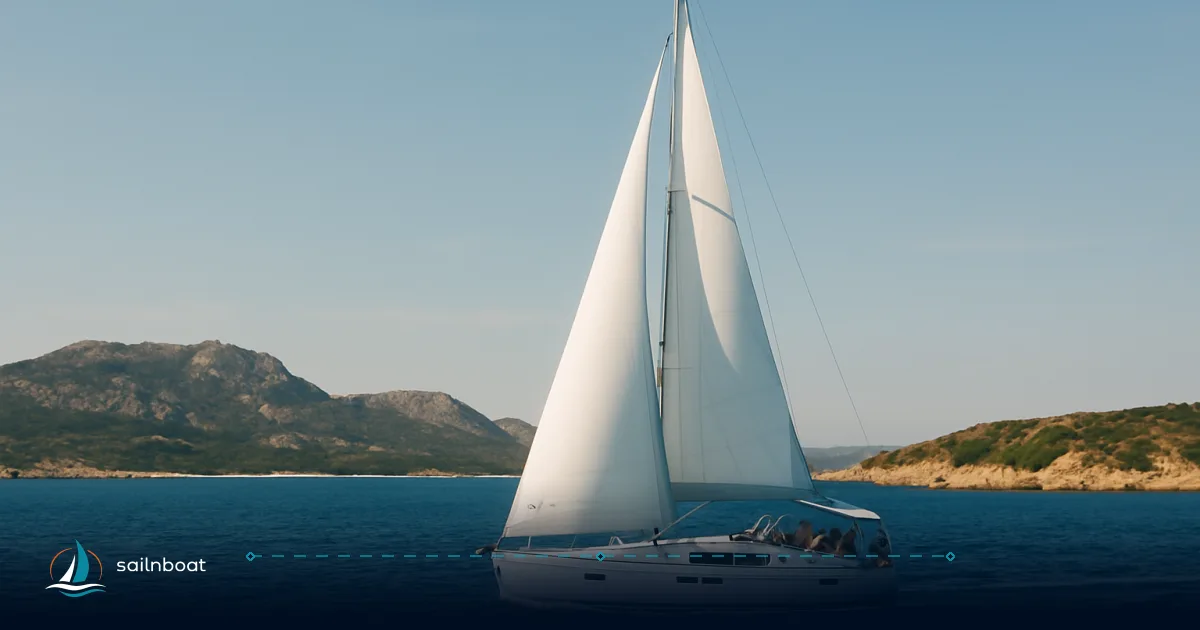
Sardinia yacht charter planning hinges on timing and understanding the north‑west wind: June and September give the best combination of warm water, steady breezes and fewer crowds than peak August. With short daily hops between protected coves, Sardinia rewards crews who choose the right season, the right base and respect for the local marine parks and wind patterns.
Optimal Sailing Seasons in Sardinia
Sardinia gives you a long cruising season, but the experience you get depends on when you go.
-
June and September — the sweet spot. Water is warm, daytime temperatures are reliably pleasant, marinas and restaurants are fully open, and the busiest stretches of August have thinned. These months deliver the best mix of wind and space for a typical 7–10 day cruise.
-
July and August — high summer. Expect the warmest water and the liveliest atmosphere (Porto Cervo and Costa Smeralda become very busy). Thermal winds build in the afternoons and anchorages fill early; dockage and service prices rise accordingly. Plan berths and park permits well in advance if you want to stay overnight in popular harbours.
-
May and October — shoulder bargains. Fewer people and lower prices, but cooler water and occasional unsettled weather. These months suit experienced crews who want quieter anchorages and reduced costs.
Season trade‑offs: if you want calmer, sheltered afternoons and the softest nights, aim for June or September; if nightlife and peak service levels matter, book August but budget extra for berths and plan flexibility for crowded anchorages.
Key Sailing Destinations and Routes
Sardinia’s coast offers several distinct cruising regions; pick the one that fits your time, boat type and crew ambitions.
Must‑visit areas
-
Costa Smeralda & La Maddalena Archipelago (north‑east) — The core charter circuit. Short hops between islands, well‑equipped marinas and protected anchorages in the archipelago make this the go‑to area for most charters. The La Maddalena marine park has specific access rules and a buoy‑field system; book park tickets / permits when required.
-
Alghero & Asinara (north‑west) — Rugged coastlines, good marinas at Alghero and the protected Asinara National Park. Expect zoned marine protected areas and buoy fields; follow park rules on anchoring and approach lines.
-
Cagliari & Villasimius (south) — The south gives long beaches, roomy waters and a different cultural feel. Villasimius is a practical base for southern cruising, with a modern marina and access to Capo Carbonara MPA. Cagliari offers full‑service facilities for provisioning and haulout.
Sample 7‑day route options (typical start: Olbia / Cannigione / Portisco)
- Classic Costa Smeralda loop (Olbia → Porto Rotondo → Porto Cervo → Maddalena → Spargi → return) — short legs, good marinas and anchorages.
- Bonifacio crossing option (adds Corsica): only if the forecast is in your favour — plan crossings for morning before thermals build and avoid Mistral >20 kt at Bonifacio.
Route planning rules:
- Keep daily legs short (8–30 nm) — Sardinia’s best anchorages are close together.
- If you plan a Bonifacio crossing, monitor the forecast closely and prefer early‑morning passages; rescues and incidents happen when crews attempt the strait in strong Mistral conditions.
Marina Facilities and Mooring Options
Pick your base to match the boat and the nights you want ashore. Superyacht hubs behave differently to municipal marinas.
Top marinas at a glance (comparison)
| Marina / Area | Notable facts | Capacity / limits (typical) | Best for |
|---|---|---|---|
| Porto Cervo (Costa Smeralda) | Flagship superyacht hub, full‑service support | ≈700 berths; superyacht berths for very large vessels (marina accepts yachts up to ~160 m). | Superyachts, luxury provisioning, social scene. |
| Cala di Volpe (bay, Costa Smeralda) | Sheltered bay, family beaches and local moorings; more of a sheltered anchorage than a large commercial marina. | Buoy/mooring spots and sandy anchorages nearby; expect busy summer season. | Day stops, sheltered swimming, photogenic bays. |
| La Maddalena Archipelago | Protected anchorages and buoy fields; park permits/tickets apply in many zones. | Plenty of buoys and sheltered anchorages; night stops in park are regulated and sometimes restricted. | Island hopping, nature and short hops. |
| Marina di Sant'Elmo (Alghero) | Officially authorised for large berths with full services. | Berths for yachts up to ~70 m in authorised areas. | North‑west base with haulout/repairs. |
| Marina di Villasimius / Cagliari area | Modern services, boatyard support and good provisioning. | Marinas handle leisure traffic and provide technical support (yard services up to ~20–30 m depending on facility). | Southern cruising and logistics. |
Operational notes:
- Porto Cervo is a high‑demand, high‑cost marina where availability in August is limited even to deep pockets — reserve many months in advance if you need a specific berth. Typical peak‑season dock rates for large yachts can run very high compared with municipal marinas.
- La Maddalena National Park requires permits for entry/anchoring in many zones and recent park ordinances restrict overnight anchoring to authorised buoys or designated parties in some cases; fines apply for breaches. Plan permit registration as part of your booking if you want to stay inside the park.
Prevailing Wind Patterns and Weather Conditions
Understanding the winds changes route choices more than any other single factor.
Understanding the winds
-
The dominant wind is the maestrale (Mistral), a north‑west wind that funnels into the Strait of Bonifacio and northern Sardinia. In normal summer conditions you’ll see thermal seabreezes of about 10–20 kt in the afternoons on the east coast, but Mistral events can push winds into the 25–35+ kt range in exposed areas — the Bonifacio Strait is notorious for accelerating these winds. Treat this as a core navigational hazard rather than an occasional nuisance.
-
Practical reading: expect calmer mornings and stronger afternoon thermals on sheltered coasts; if forecasts show a persistent north‑west flow, avoid long exposed transits and consider sheltered alternatives. In summer, Mistral events typically last several days when they occur.
-
Navigation tips:
-
Cross the Bonifacio Strait in the morning when possible and only with a clear local forecast showing Mistral under ~20 kt at Bonifacio; several operators advise avoiding crossings when Bonifacio registers higher gusts.
-
Reef early and keep sails conservative when forecast gusts exceed 20 kt, particularly on windward approaches to narrow channels or when close to the Corsican cliffs. Practical seamanship here reduces risk far more than speed.
Licensing Requirements for Yacht Charters
You need to separate legal requirements from charter‑company practice.
-
Legal and recognition framework — ICC and national licences: The International Certificate of Competence (ICC) is a widely recognised evidence of competence and is useful when chartering, but it is not an automatic passport that every operator must accept. Italian law allows foreign licence holders to command recreational craft in many cases, but documentation shown at the base must match the operator’s acceptance policies. In practice, many charter companies ask to see an ICC or an equivalent practical certificate and a VHF operator certificate (SRC).
-
Italian specifics — what to expect at check‑in:
-
Charter companies and port police will ask for original licences and identification; how a foreign licence is treated can depend on the boat’s flag, the skipper’s residency and the base. Italian regulations recognise foreign qualifications in many circumstances, but local implementation varies and bases will enforce their own operational standards. Carry original documents and digital copies.
-
VHF/SRC: Many operators require a radio operator certificate (SRC) for skippers in Italian waters — have your VHF licence with you.
-
If you lack a recognised licence: booking a skipper is the standard solution. Charter companies supply professional skippers (and hostesses) for a daily or weekly fee; this removes licence issues and transfers local knowledge to someone who reads the park rules and local pilotage.
Practical Considerations for Your Charter
This is the operational checklist you will use the week before departure.
-
Check‑in and check‑out times: Standard Mediterranean practice at charter bases is Saturday check‑in in the late afternoon (often around 17:00) and Saturday disembarkation by 09:00; you are usually required to return to base the evening before for inspection. Exact times can vary by operator and location, so confirm with your Sardinia charter base when booking. Expect small variations by operator and boat; ask your base for exact times on booking.
-
Park permits & buoys: The La Maddalena Archipelago and several MPAs (Capo Caccia/Isola Piana at Alghero, Capo Carbonara at Villasimius, Asinara) operate buoy fields, zonation and permit systems; some zones prohibit anchoring over Posidonia meadows and overnight stops without authorised buoys. Budget time to register or let your agent handle park tickets. Fines for breaches are meaningful.
-
Berth fees and seasonal pricing: Dockage is highly variable — municipal marinas are comparatively inexpensive, while Porto Cervo and private marinas charge premium rates in August. Superyacht berthing in Porto Cervo can run very high in peak weeks; municipal marina published rate sheets (Portonovi, others) show concrete per‑length categories so use them to compare. Book early for August or major regattas.
-
APA, fuel and extras (for crewed charters): On crewed yachts expect an Advance Provisioning Allowance (APA) to be collected upfront to cover fuel, food, dockages and consumables — the percentage varies by operator and yacht type, but 20–35% of the base charter fee is often cited in the industry (sailing yachts commonly at the lower end, motor yachts higher). Check with your charter provider for the exact percentage applicable to your booking. Receipts are kept and unused APA is refunded after the charter. Factor VAT and crew gratuities into your budget as well.
-
Provisioning and provisioning windows: Olbia/Olbia airport, Porto Cervo and Cagliari have the best supermarket/provisioning options and same‑day provisioning for fresh items. If you want specific wines, specialty food or fresh fish deliveries, arrange these with your broker or base at least 48–72 hours ahead. Larger marinas will accept delivery; smaller coves will not.
-
Technical issues & support: Most main marinas (Porto Cervo, Cagliari, Alghero) offer full technical support and lifting; smaller tourist marinas may be limited to mooring, fuel and basic assistance. If your itinerary relies on days at sea away from harbours, confirm your base’s 24/7 support and breakdown response time.
-
Safety & medical: Distances to hospitals vary — Cagliari and Olbia have full facilities; northern anchorages around La Maddalena are remote. Carry a VHF, local charts and an updated weather router service on passages; organize travel insurance that covers maritime incidents.
Final decisions — choosing your base and boat
-
If you want easy, social nights ashore, boutiques and superyacht moorings: base in the Costa Smeralda (Olbia/Portisco/Porto Cervo). Reserve early and budget for higher berth costs in August.
-
If your priorities are protected anchorages, island hopping and a nature focus: base in Cannigione or La Maddalena and prioritise park permit planning.
-
If you prefer quieter waters and southern beaches: pick Cagliari or Villasimius; these make sense for longer coastal legs and for combining sailing with inland exploration.
Plan your week around the wind forecast — adapt the route if a Mistral event is predicted, and put anchoring in the national parks on your booking checklist.
Start planning your Sardinia yacht charter today!
Frequently Asked Questions
June and September offer the best balance of warm water, reliable breezes and fewer crowds; July–August are warmest but busiest; May and October are quieter and cheaper but cooler.
The Costa Smeralda and La Maddalena Archipelago in the north-east are the premier cruising areas; Alghero and Asinara to the north-west; Cagliari and Villasimius in the south.
Porto Cervo (≈700 berths, superyacht facilities) is the main luxury hub; other well-equipped marinas include Portisco/Porto Rotondo, Marina di Sant'Elmo (Alghero) and Marina di Villasimius.
The maestrale (Mistral) from the north‑west is the defining wind; typical summer thermals give 10–20 kt but the Bonifacio Strait can see 25–35+ kt during Mistral events.
Many charter companies ask for an ICC or an equivalent recognised certificate and a VHF operator certificate; Italian law recognizes foreign qualifications in many cases but acceptance and operator checks vary.
Written by
Sailnboat Editorial
The Sailnboat editorial desk covers yacht and boat chartering worldwide — routes, bases, seasons, boat types, paperwork and the practical costs that decide a trip. We are a charter marketplace, not a boat owner or a local agency: what we sell is judgement and support, so our guides are written to help you make a decision, not to sell you a specific boat. Every guide is checked against live operator and marina data before it goes out.
Fact-checked against live operator and marina data, and published under our editorial standards. Last reviewed: .