Top Croatia Snorkeling Spots for Your Sailing Itinerary
A practical guide to the best Croatia snorkeling spots — Mljet, Vis (Biševo/Blue Cave), the Pakleni Islands and Kornati — with visibility ranges, typical marine life and when to go.

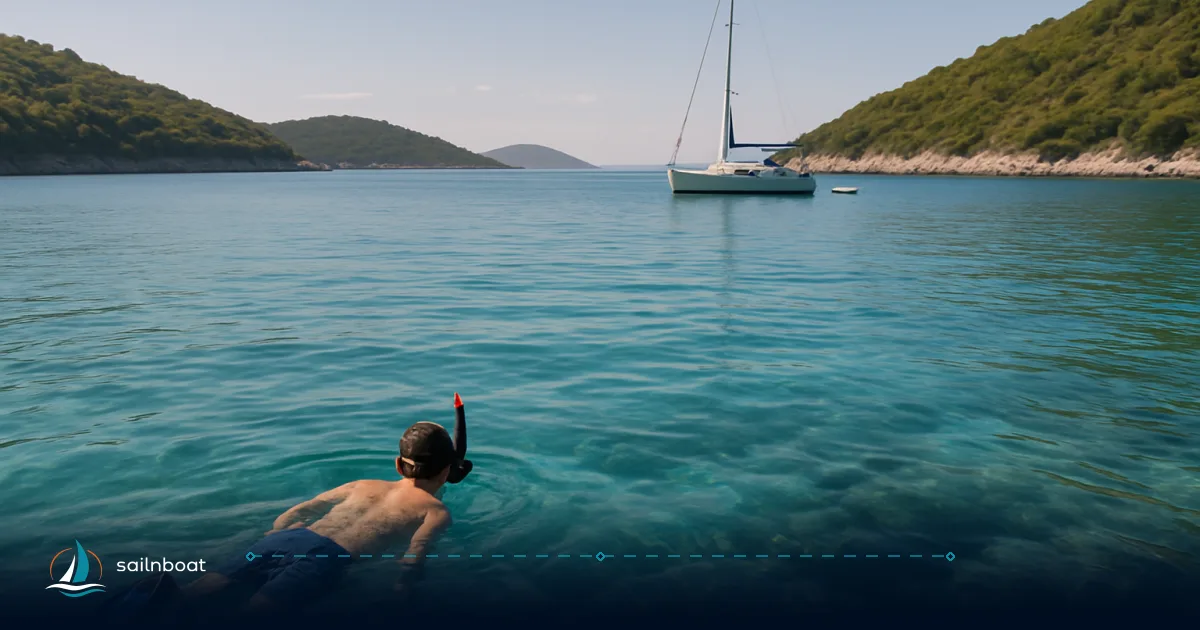
Croatia snorkeling spots for a swim-focused sailing week are concentrated: Mljet and Kornati give protected, biodiverse waters; Vis (Biševo/Blue Cave and Stiniva) and the Pakleni Islands give the clearest, most photogenic water.
Overview of Croatia's Snorkeling Opportunities
The Adriatic is a temperate sea — no tropical coral reefs, but excellent water clarity, limestone cliffs, sea caves and extensive Posidonia oceanica meadows that create diverse snorkeling habitats. Visibility on calm summer days commonly sits between roughly 10–30 metres depending on the site and the wind; sheltered bays and protected parks usually offer the best clarity and marine life. For a charter week, treat snorkeling as a morning activity-first item: do the longest/clearest snorkels before the daily sea breeze (maestral) builds and before day-boat crowds arrive.
Mljet Island: A Snorkeler's Paradise
Mljet’s western coast and the salt lakes inside Mljet National Park are a top pick for charterers who want biodiversity in sheltered water.
Visibility and Conditions
- Typical visibility: general Adriatic reports suggest 10–30 m on calm days, but specific data for Mljet is limited; some dive logs show 15–30 m in protected sectors, though it can be lower in exposed spots or after heavy rain. Use the National Park bays (Veliko and Malo Jezero) for calmer conditions.
- Water temperature: seasonally warm from late spring to early autumn; visibility and surface calm are best May–September. Mljet’s lakes are semi-enclosed and can be glassy in the morning.
Marine Life to Expect
- Typical species: abundant small reef fish (wrasse, damselfish), octopus in crevices, sea urchins, seagrass-associated fauna (Posidonia meadows), and occasional groupers in protected underwater structures. Mljet is a long-established marine protected area with a recorded wide range of benthic species.
Optimal Snorkeling Times
- Best time: early morning when the surface is calm and visibility is at its peak; afternoons can see increased boat movements within the National Park and a developing sea breeze. Plan a pre-breakfast or first-light snorkel for the least disturbed water.
Vis Island: Crystal Clear Waters (Biševo / Blue Cave & Stiniva)
Vis and its satellite Biševo offer the clearest open-water snorkeling and showpiece features such as the Blue Cave's light effects (note the cave itself is regulated).
Visibility and Conditions
- Typical visibility: commonly >20 m on calm summer days around Vis and Biševo; reports regularly note 25–30 m in summer at many sites. Expect the clearest water in sheltered coves and around limestone reefs.
- Blue Cave logistics: the cave is a controlled attraction — swimming inside is not generally allowed; the surrounding exterior bays provide excellent snorkeling when sea state allows. Short tenders and queues can be part of the visit.
Marine Life to Expect
- Common sightings: breams and wrasse around shallows, octopus in crevices, moray eels in cave mouths and crevices, and larger species such as dusky groupers on deeper rocky terraces; loggerhead turtles and dolphins are occasionally seen in the wider area. The island’s relative isolation supports larger specimens.
Optimal Snorkeling Times
- Best time: mid- to late-morning for the Blue Cave light and calm water (many operators aim for the 10:00–12:00 window for best illumination); for general snorkels around Vis, early morning gives the calmest surface and least traffic. Avoid peak afternoon when tour boats and the maestral make the sea busier.
Pakleni Islands: A Snorkeling Gem (off Hvar)
The pine‑topped islets of the Pakleni chain (Sveti Klement and nearby coves) are minutes from Hvar and a reliable, beginner-friendly snorkel area.
Visibility and Conditions
- Typical visibility: generally 8–20 m depending on the cove and season; many guides quote a reliable 10–15 m range in summer inside the coves and up to 20–30 m in clearer, less-trafficked pockets. Shallow reefs and rocky seabeds make for easy, yacht-accessible snorkels.
Marine Life to Expect
- Typical species: small schooling fish, wrasse, bream, sea urchins, occasional octopus and colorful macrofauna on rocky walls; the seagrass patches near sandy pockets attract juvenile fish. Dolphins have been reported in the area though not regularly seen while snorkeling.
Optimal Snorkeling Times
- Best time: morning to late morning before day‑boat density rises; sheltered bays in the chain are often calm until the maestral or charter traffic builds mid‑day. If you plan an afternoon stop, choose a less popular cove to avoid wakes from powerboats.
Kornati National Park: Unique Underwater Landscapes
For snorkelers who want dramatic underwater relief — vertical walls, coraligenic terraces and dense Posidonia meadows — Kornati is the single best choice, but it requires operational planning (park rules, limited anchorages).
Visibility and Conditions
- Typical visibility: Kornati commonly delivers some of the region’s best clarity — visibility of 20–30 m or more is frequently reported in calm conditions, especially on the outer crowns and near vertical cliffs. Be aware that conditions vary rapidly with wind and swell.
- Park rules: snorkeling and diving are allowed but subject to national park rules; only specific bays allow overnighting and anchoring, and some underwater activities are restricted or regulated. Check the National Park’s visitor rules before planning your stop.
Marine Life to Expect
- Typical species: a rich set of species associated with Posidonia meadows and coraligenic habitats — sponges, red algal coralligenous assemblages, gorgonians, varied molluscs, echinoderms and upwards of 180 fish species recorded in the park area; occasional sightings of bottlenose dolphins. Expect the most variety around underwater terraces and cliffs.
Optimal Snorkeling Times
- Best time: early morning and on calm days; the outer crowns are most rewarding when the sea state is glassy (windless). Avoid exposed ledges on a windy day — strong currents and surge can make snorkeling hazardous.
Comparison table: quick operational snapshot
| Spot | Typical visibility (m) | Snorkel depths used (m) | Typical marine life | Best months | Ease of access for a charter |
|---|---|---|---|---|---|
| Pakleni Islands (Hvar) | ~10–15 (can reach 20+) | 1–8 m (shallow reefs) | Wrasse, bream, sea urchins, octopus. | May–Sep | 10–15 min from Hvar town; easy day stop. |
| Vis / Biševo (Blue Cave area) | commonly >20 m on calm days; 25–30m reported. | 1–25 m (caves & walls) | Octopus, moray eels, groupers, occasional turtles. | Jun–Sep | Komiža → Biševo ~15–30 min by local boat; plan a half‑day for Blue Cave visits. |
| Mljet National Park | typically 10–30 m in protected bays based on general Adriatic reports; varies by site. | 1–30 m (lakes, sheltered bays) | Posidonia meadows, octopus, groupers, diverse benthos. | May–Sep | Protected waters; park entry rules apply — quiet anchorages but check permits. |
| Kornati National Park | frequently 20–30 m+ in calm conditions. | 1–50 m (terraces & sheer walls) | Sponges, red algae, gorgonians, diverse fish, occasional dolphins. | Jun–Sep | Park management rules + limited overnight anchorages — plan ahead and buy park ticket. |
Planning Swim-Focused Days Around Snorkeling
A charter can easily fit 2–3 quality snorkel stops in a day without burning crew out — here’s how to structure them and what to watch for.
Itinerary suggestions
- Typical day format for a swim-focused day:
- Cast off early (first light) → sail to first snorkel cove (prime window: 06:30–09:30). Do a full 60–90 minute session including surface reconnaissance and a relaxed boat-based lunch.
- Short reposition to a second snorkel spot (protected bay or wall) for a 45–75 minute session — choose deeper wall sites in the morning for visibility if you want photos.
- Anchor into a protected cove late afternoon for a final short snorkel and evening ashore or on board.
- Trade-offs: long crossings to remote coraligenic reefs (Kornati outer crowns, remote Vis walls) yield the best biodiversity and clarity but cost fuel and time; closer clusters (Pakleni, Mljet) give more frequent shallow options and quicker turnarounds. Plan one “big” snorkel day (longer transit, deeper sites) and leave other days shorter.
Weather and wind considerations
- Daily sea-breeze pattern: the maestral commonly builds from late morning and peaks mid-afternoon (roughly starting ~10–11:00 and strongest mid‑day to mid‑afternoon), so mornings are usually the calmest. If forecasts show a strong bura or jugo, re-evaluate plans — those winds can make low‑angle shore entry and boat anchoring uncomfortable. Use local marine forecasts each morning.
Safety tips and local rules
- Snorkel with a buddy and use a visible surface float when you’re away from the yacht in open water.
- Wear reef shoes when entering rocky coves to avoid urchin injuries.
- Stay above Posidonia meadows — they are protected and anchor damage is a conservation issue; when possible, anchor on sand patches or use a dinghy pick-up to avoid dropping the main anchor on seagrass. Kornati and Mljet have strict rules regarding collection, fishing and anchoring in some places.
- Park tickets/fees & access: buy Kornati and Mljet park tickets where required (you may be asked for proof at entry points or kiosks). Blue Cave entry and the small-boat transfers commonly require a separate cash fee and local queueing — factor the time into your day.
- Gear: bring your own mask and snorkel if possible — many charterers report better fit and visibility. Local rental is possible in hubs like Hvar or Split, typically about €10–15 per day for a set.
How to choose between these spots on a charter
- If you want easy, close stops with rapid turnarounds: Pakleni Islands (Hvar base).
- If you want maximum clarity and cave features for photography: Vis and Biševo (plan half-day or full-day, expect transfer and ticket time).
- If you want biodiverse, protected marine habitats with a conservation focus: Mljet and Kornati (plan for park rules, permit windows and quieter anchorages).
- If your crew size and schedule allow one longer transit day, allocate it to Kornati or remote Vis walls; otherwise keep daily legs short and focus on multiple nearby coves for variety.
Final operational checklist for snorkel-focused charter days
- Pre‑embark: confirm availability of local park tickets and the Blue Cave schedule if that’s on the plan.
- Morning: do your first snorkel before 09:30; check wind forecast and sea state first.
- Equipment: bring masks/fins/snorkel, reef shoes, a safety float and a dry bag for camera/phone. Consider a small handheld float pump if you plan to use towable floats.
- Anchoring & environment: avoid anchoring on Posidonia when possible; use permitted bays in Kornati and Mljet. If you must anchor over seagrass, use a stern mooring or check with the park authority for recommended spots.
- Crew brief: mark pick-up points, appoint a spotter on deck, and confirm signals for “all clear” and “return to boat.” Keep an eye on day-boat traffic and rapid wind shifts after midday.
Plan your snorkel days to start early, pick one “north star” site per day (best clarity or largest marine habitat), and use shorter second stops to keep the crew fresh. The difference between a good and a great snorkeling day in Croatia usually comes down to timing (early), local wind (calm), and carrying quality personal snorkel gear.
Plan your sailing itinerary to include these snorkeling spots.
Frequently Asked Questions
Top spots for charterers are Mljet National Park, Vis (including Biševo/Blue Cave and Stiniva), the Pakleni Islands off Hvar, and Kornati National Park.
Typical summer visibility: Pakleni ~10–15 m, Mljet often 10–30 m depending on site, Vis/Biševo commonly >20 m on calm summer days, Kornati up to ~30 m or more in sheltered sectors.
Expect Mediterranean temperate species: damselfish, wrasse, sea urchins, octopus, moray eels, groupers, Posidonia seagrass beds and occasional dolphins or loggerhead turtles in the southern islands.
Early morning—before local day-boat traffic and before the afternoon maestral sea breeze picks up—is usually calmest and clearest for snorkeling.
Build early starts with 2–3 snorkel stops per day, anchor in protected coves that are close to your base, watch park entry and anchoring rules (Kornati, Mljet), and carry personal gear plus a surface float for safety.
Written by
Sailnboat Editorial
The Sailnboat editorial desk covers yacht and boat chartering worldwide — routes, bases, seasons, boat types, paperwork and the practical costs that decide a trip. We are a charter marketplace, not a boat owner or a local agency: what we sell is judgement and support, so our guides are written to help you make a decision, not to sell you a specific boat. Every guide is checked against live operator and marina data before it goes out.
Fact-checked against live operator and marina data, and published under our editorial standards. Last reviewed: .