A Week in the Kornati: Sailing from Murter to Telašćica
A captain’s log and practical plan for a kornati sailing week: seven days of legs, anchorages, park tickets and local tips from Murter to Telašćica, written for competent bareboat skippers.

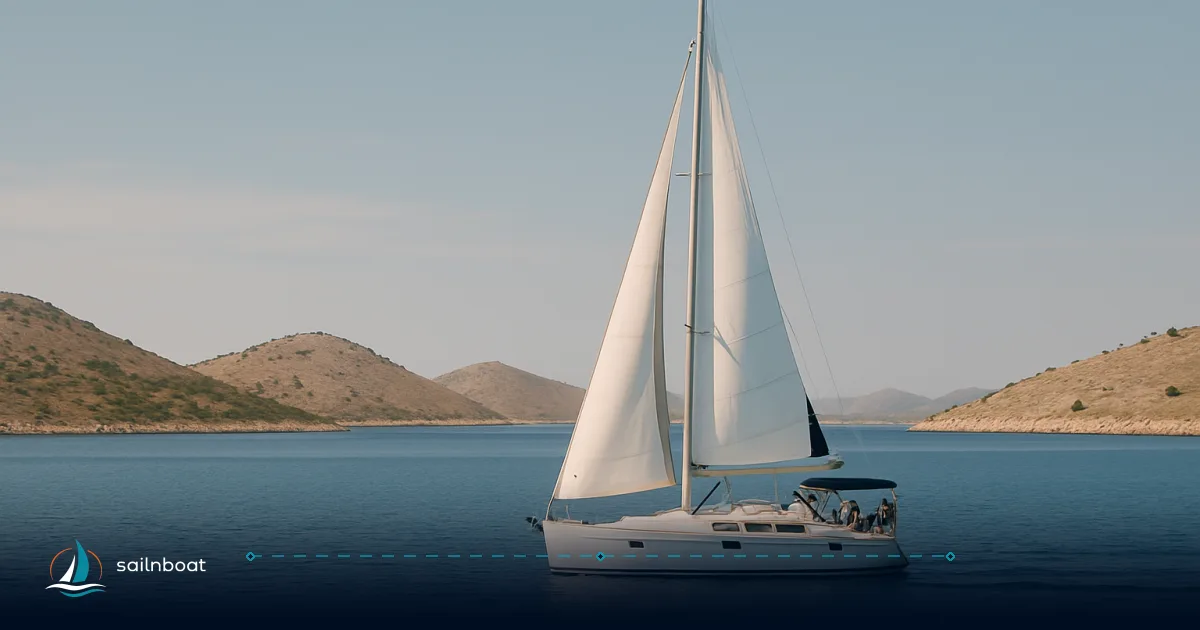
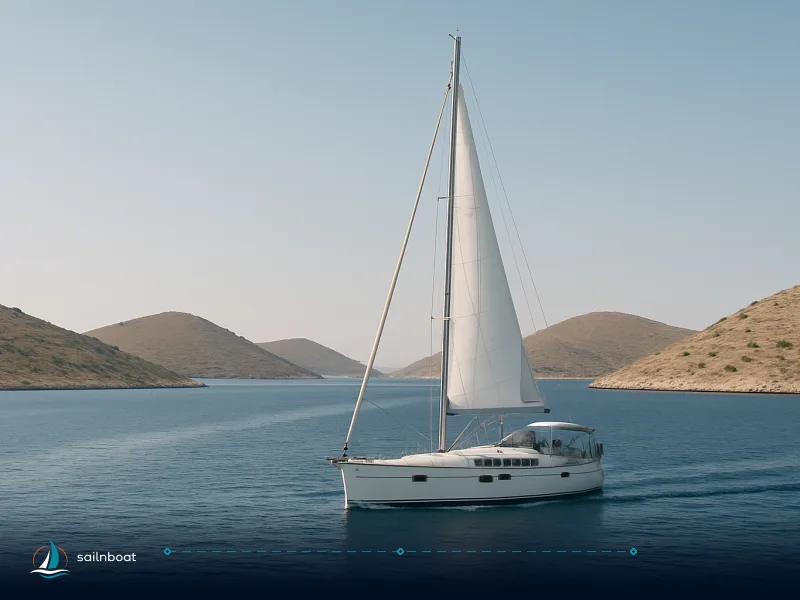
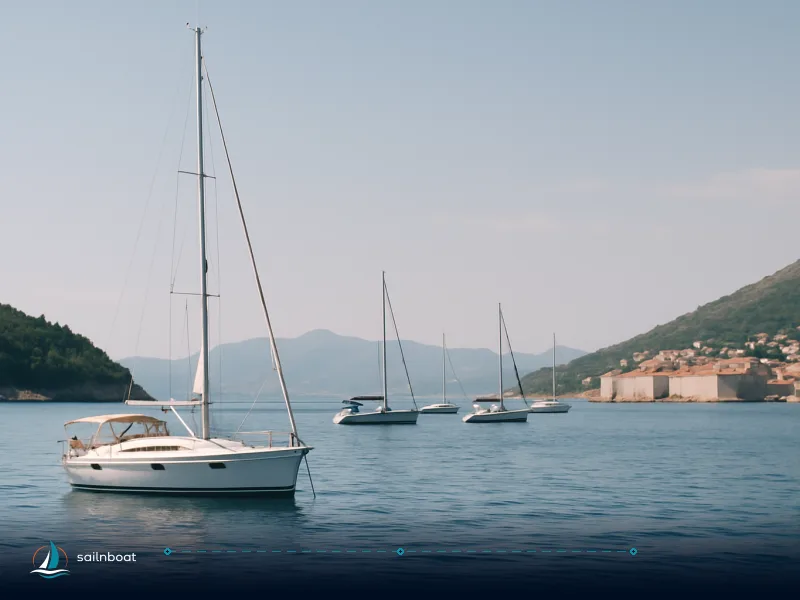
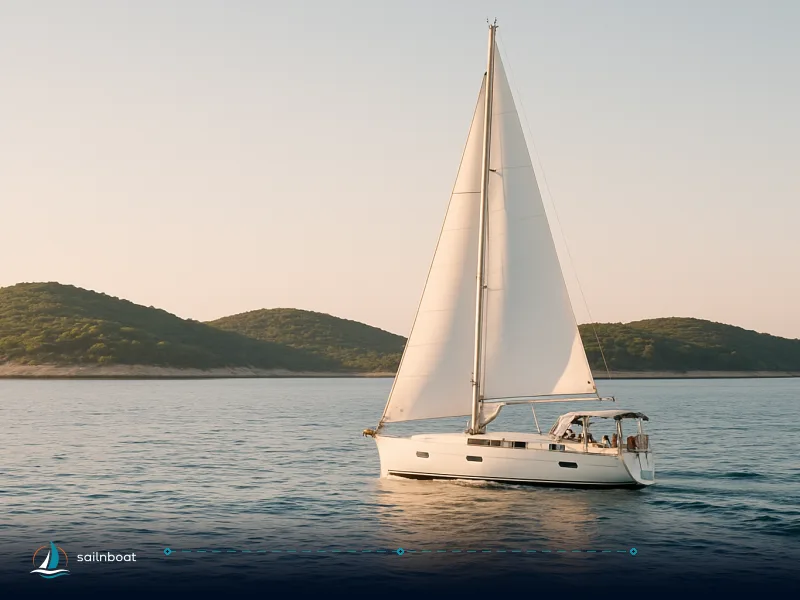
I kept my crew to short legs and early stops: Murter to Levrnaka, slow mornings and late swims, an evening of loud squid-grilling and a day in Telašćica. If you want a Kornati sailing week that balances short, safe hops with time ashore, this is the route I ran—and the practical choices that made it straightforward to skipper.
Planning Your Kornati Sailing Week
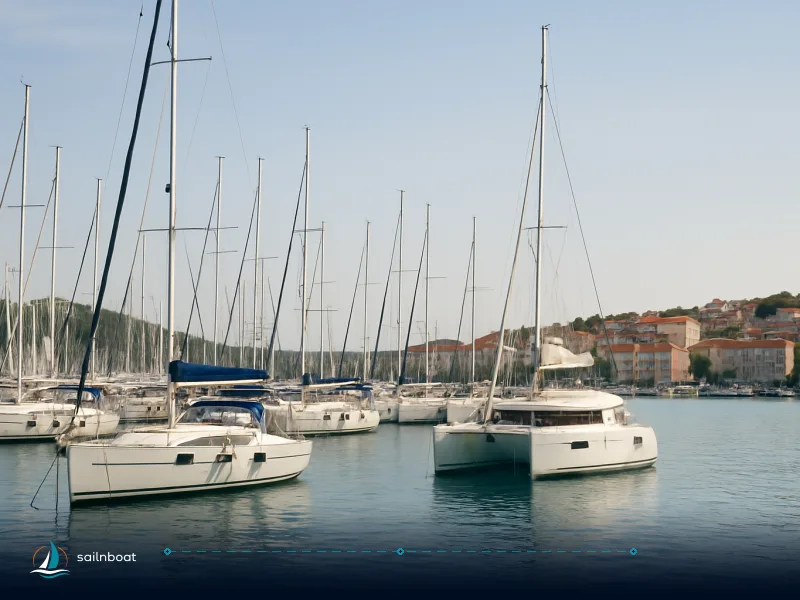
Murter is the logical starting base for a Kornati loop. Marina Hramina is the usual check-in point for most charters, with straightforward access and provisioning. I ran a clockwise week that kept daytime passages under 15 nautical miles, reserving longer exploring for daylight and never risking a late arrival at an anchorage. The itinerary below gives straight-line distances between waypoints; your actual track will be 10–30% longer depending on route, wind, and the inevitable detours through the islands. Always navigate with up-to-date charts and a pilot book—the Kornati are full of reefs and shallows that don’t forgive shortcuts.
Itinerary Overview
-
Typical 7-day loop (example): Murter (Marina Hramina) → Levrnaka (Lojena or Piškera side) → Žut (ACI/Podrešanj or bay) → Dugi Otok (Sali/Sakarun) → Telašćica (buoy field) → return legs via Žut/Piškera → Murter. Distances below are straight-line; add margin for channels and sheltering detours.
-
Why this loop: Short daily hops let you linger in anchorages (swim, hike, dine ashore) and move early if weather turns. Stopping at ACI Piškera gives you a service and park-ticket convenience. Fuel and water are not guaranteed at Piškera; always check with the marina before relying on these services.
Sample Route Table
| Day | From → To | Planned straight-line distance (nm) | Overnight anchorage / mooring | Depth / notes |
|---|---|---|---|---|
| Day 1 | Murter (Marina Hramina) → Levrnaka | ~12.5 | Lojena (Levrnaka) or Piškera (ACI) | Lojena sand at ~4–8 m; Piškera marina 3–6 m (finger pontoons; no fuel station; very limited water/electric). |
| Day 2 | Levrnaka → Žut (via Kornat/Piškera) | 5–12 | ACI Žut or sheltered bay (Podrešanj/Golubovac) | Marina berths typically 2–7 m; buoy fields at Ravni Žakan. Confirm depths with current charts. |
| Day 3 | Žut → Dugi Otok (Sali/Sakarun) | ~7.5–15 | Sali harbour (town quay) or nearby bay | Sali has town quay with water/electricity; provisioning available. |
| Day 4 | Dugi Otok (Sali) → Telašćica | ~8–9 | Telašćica buoy field | Depths in main bay 6–18 m; mooring buoys required inside park; anchoring regulated—confirm latest park rules. |
| Day 5 | Telašćica → Ravni Žakan / Kornat islands | Variable—short hops | Ravni Žakan buoy field (konoba) | Mooring buoys; limited space; konobas collect dinghies. |
| Day 6 | Explore Piškera / Kameni Žakan / Lavsa | Short hops | Piškera marina or sheltered anchor | Piškera marina berths limited; outer bays 4–12 m, sand/mud bottom. |
| Day 7 | Return to Murter (Hramina) | ~12–15 | Murter base—clean/hand back | Handover: hull/engine check, fuel reconciliation, inventory; check-out mid-morning typical, varies by base. |
Permits and Fees
Kornati and Telašćica are both protected areas—entrance is by vessel ticket, charged by boat length and season, and sold primarily via the mySea portal, parks’ official webshop, or at select local offices. The 2026 price list is published by the park authority; as a guide, a 3-day combined ticket (valid for both Kornati NP and Telašćica) for a boat up to 6.99 m typically ranges from around €55–110 depending on the season, with larger vessels paying more. Always check the latest rates; buying online in advance is cheaper than paying at sea.
A practical note: at ACI Piškera, the berth fee often includes the Kornati NP ticket for that day. If you plan to use Piškera as a service stop, this can save time and paperwork—confirm current policy when booking, as inclusion sometimes varies by season or berth type. Berths are limited in high season; call or use VHF to reserve or check availability.
Daily Sailing Itinerary: Murter to Telašćica
Here’s the day-by-day itinerary I ran, with straight-line distances, anchorage notes, and what actually happened on each leg. Treat the distances as planning figures; your actual mileage will depend on routing, weather, and detours.
Notes on the Legs
-
Day 1 (Murter → Levrnaka): The leg from Marina Hramina to Levrnaka is a straightforward coastal passage of roughly 12–13 nm. Depart early: if you’re aiming for Lojena bay on Levrnaka, it fills quickly by mid-afternoon in summer. Piškera marina is a backup, but note it has no fuel station and water/electricity are sometimes rationed—don’t plan to refuel here.
-
Day 2 (Levrnaka → Žut): The direct route is short (~5 nm), but many crews detour via Piškera or explore islets, making it up to 10–12 nm. Choose a route that matches the wind and your crew’s mood. Žut’s ACI marina and bays like Podrešanj or Golubovac offer options—marina depths are typically 2–7 m, but always check current charts or contact the marina.
-
Day 3 (Žut → Sali): Sali is the practical resupply stop before Telašćica—a small harbour with water and electricity; for diesel, plan on the fuel station at nearby Zaglav or fill up before you leave your base, and check opening hours ahead. Town provisioning is straightforward: bakeries, a small supermarket, and local fishermen selling catch on the quay.
-
Day 4 (Sali → Telašćica): Inside Telašćica Nature Park, mooring buoys are required in the main bay; anchoring is regulated and only permitted in certain zones. If the buoys are full, you may have to move outside the park boundary—confirm current anchoring policy and availability before entering. Ashore, the salt lake Mir and the cliff-top walk are worth the visit.
-
Day 5–6 (Kornat anchorages): These days are about short exploratory hops: Ravni Žakan’s buoy field (with its konoba), Piškera marina or outer anchorages, Kameni Žakan, and Lavsa all offer mooring or anchoring options. Space is limited in high season, so arrive early and have a backup plan.
-
Day 7 (Return to Murter): The final leg is typically 12–15 nm, depending on your last night’s anchorage. Allow plenty of time for check-in formalities at the base—expect hull and engine checks, fuel reconciliation, and inventory review. Most bases require return by late morning, but confirm your charter’s exact handover deadline.
Anchoring and Mooring in the Kornati
Key Anchorages
-
ACI Piškera: Practical as a service hub, with marina berths in the 3–6 m range and finger pontoons. There is no fuel station and water/electricity are limited—do not rely on topping up here. The berth fee often includes your Kornati NP ticket for the day; check this when booking. If you can’t get a berth, the inner Piškera channel and adjacent bays have good holding in 2–12 m (sand/mud), but space is scarce.
-
Ravni Žakan: The classic buoy-and-konoba anchorage, with visitor buoys and a popular konoba ashore. If the buoy field is full, you can anchor outside on sand in reasonable depths, but it fills early in summer. Expect a lively evening if you tie up at the konoba.
-
Lojena (Levrnaka): Sandy bottom, excellent holding in ~4–8 m, and easy dinghy access to the beach. This is a favorite for good reason—arrive before midday to get a spot.
-
Telašćica: Mooring buoys are required inside the Nature Park, and anchoring is only allowed in designated zones. Depths in the main bay are ~6–18 m, with sand/mud bottoms and reliable holding. Always follow park instructions, as rules and buoy availability can change.
Safety and Navigation Tips
-
Narrow channels: The Kornati are laced with safe but tight channels, often bordered by drying rocks and reefs. Keep electronic charts updated, maintain a lookout, reduce speed in unfamiliar areas, and avoid night passages where possible. Pilot books and local waypoints are your backup.
-
Posidonia and protected zones: Both parks protect Posidonia meadows, and anchoring outside named anchor bays or on Posidonia is restricted. Use buoys where provided and anchor only on sand in permitted areas. Fines for damaging seagrass are common.
-
Weather windows: The afternoon maestral provides a reliable reach most days, but the bora (bura) can spring up quickly from the northeast and gust hard. If a bora is forecast, aim for sheltered bays or marinas on the lee side (Piškera or bays near Murter). Swell from a jugo (sirocco) can make exposed anchorages uncomfortable even with moderate wind.
Local Culture and Interactions
Trading with Fishermen
-
How to approach: Morning stalls and quay sales in Sali and smaller harbours are the best places to buy fresh fish. Approach politely, ask the price and whether the fish is whole or cleaned. Floating vendors sometimes visit moorings in the morning. Supporting konobas that buy from local fishermen helps sustain the supply chain. A morning dinghy run usually offers the best selection.
-
What to trade/expect: Expect sea bream, sardines, squid, and seasonal pelagics; prices vary by season and size. Informal trades (fuel, ice, or water for a kilo of squid) do happen, especially in smaller communities, but always negotiate clearly and respectfully.
Dining and Local Cuisine
-
Konobas: Kršovica (Telašćica), Larus (Ravni Žakan), and other modest jetties serve simple grilled fish, peka, and Dalmatian stew. Menus often feature “catch of the day.” Book ahead in peak season. Some konobas offer mooring buoys for diners.
-
Etiquette: Order fish simply (grilled or buzara), and note that peka usually requires advance notice. Bring cash for smaller konobas; cards are common in larger places but not universal.
Challenges and Solutions in the Kornati
Weather Variability
-
Typical patterns: Summer brings the reliable afternoon maestral, making most legs pleasant. The main hazard is the sudden NE bora, which can force you to stay in harbour. The jugo brings swell and cloud and can last several days. Always plan a backup anchorage or marina within reach, and check forecasts morning and evening.
-
Forecasting resources: Use a mix of GRIB-based apps (PredictWind, PassageWeather), local Croatian meteorological services, and notices from the marina or harbourmaster. Local staff often have the best sense of how wind behaves in the Velebit channel.
Navigational Challenges
-
Currents and narrow cuts: Small channels reduce wave action but introduce shoals and tidal set. Go slow, use your depth sounder, and keep a sharp lookout. If unsure, delay entry until daylight.
-
Night navigation: Avoid night passages in the Kornati if possible. If you must move after dark, stick to well-charted channels, go slow, and use radar/ARPA if available. Night approaches to buoy fields are possible but risk missing a buoy and ending up in less sheltered anchorages.
Provisioning and Resource Management
Best Practices for Provisioning
-
Water and fuel: Top up water and diesel before entering the park. Murter (Marina Hramina, Jezera) and Sali are the last reliable points for full provisioning. Piškera does not have a fuel station and water/electricity are limited—never rely on it for refueling or full tank top-ups. Carry extra potable water for flexibility (an extra 20–30 liters per person is a good margin for a week).
-
Fresh food: Visit Sali or Murter markets early for bread, fruit, and vegetables. Shops on Dugi Otok and Vrgada can replenish basics, but don’t expect a full supermarket once inside the park. Stock freezer staples and quick-cook ingredients for days when weather keeps you on board.
Managing Resources at Sea
-
Water management: Run showers short, rinse gear in buckets, and use fresh water for drinking/cooking only. Many crews manage on 50–80 liters per person per week with conservative habits. If you have a watermaker, run it during calm hours.
-
Fuel: A typical 40–45 ft monohull under power often burns 2–5 liters per hour at cruising RPM (about 0.3–0.8 liters per nautical mile at 6–7 knots), but actual consumption varies by engine, load, and sea state. Catamarans and motor yachts generally use more. Plan your motoring budget in advance, and top up at Sali or Murter rather than relying on remote islands.
-
Cooking and galley: A pressure cooker, a reliable gas hob, and a stock of vacuum-packed proteins make evening meals easy. For fresh fish, keep a good icebox rotation; ice fish well and use within 24–36 hours unless you have a dependable freezer.
Final Practical Checklist (Captain’s Quick Read)
- Buy park tickets in advance (mySea or official webshop), or plan a Piškera berth that includes the ticket—confirm inclusion with the marina.
- Limit tricky passages to daylight hours; avoid night transits in the Kornati.
- Arrive early (before 14:00) to secure a buoy at Lojena, Ravni Žakan, or Telašćica.
- Respect Posidonia and park zones—use buoys and only anchor in named bays on sand.
- Top up fuel and water at Murter or Sali; Piškera has no fuel and very limited water/electricity.
- Carry spare fresh water for the week; plan for at least 20–30 liters extra per person.
When planning your week, your main decision is which boat type and exact charter base to use—Marina Hramina, Betina, or Jezera. Each offers different fleet options and provisioning convenience. Confirm your base’s check-in and check-out procedures, and always plan your return leg with a generous margin. The Kornati reward careful preparation with more time for the things that matter: a clean anchorage, a good meal, and a quiet night under the stars.
Frequently Asked Questions
A practical 7‑day loop is Murter → Levrnaka → Žut (via Piškera) → Sali (Dugi Otok) → Telašćica, with short daily hops (straight-line legs roughly 12–5–8–9 nm depending on waypoints); plan +10–30% for actual sailing distance and detours.
Top choices for overnighting are Lojena (Levrnaka) and the buoy field at Ravni Žakan, Piškera (marina/inner anchorage) and the designated bays inside Kornati; Telašćica uses mooring buoys — anchoring is only allowed in specified zones.
Purchase Kornati (and combined Kornati+Telašćica) boat tickets via the mySea portal or parks webshops; ACI Piškera’s daily berth fee includes the park ticket for that day.
In summer expect a reliable northwesterly maestral sea breeze (10–20 kt) in the afternoons; watch for sudden NE bora gusts or longer-lived SE jugo/sirocco systems which bring swell and cloud — always check local forecasts before departure.
Approach fishermen respectfully at small quays in Sali, Telašćica or Žut in the early morning — many sell the day’s catch or supply local konobas; buying fresh fish, bread or island produce supports the local economy and is commonly welcomed.
Challenges are rapidly changing winds (bora), crowded popular bays, shallow reefs and protected Posidonia meadows; mitigate by flexible routing, early arrivals to secure buoys, anchor alarms and up-to-date charts plus local notices.
Top up water and fuel in Murter/Sali and at Piškera where available; bring at least a week’s potable water spare, plan engine hours to conserve fuel, and stock basics (olive oil, pasta, tinned fish, coffee) plus freezer items for quick meals.
Written by
Sailnboat Editorial
The Sailnboat editorial desk covers yacht and boat chartering worldwide — routes, bases, seasons, boat types, paperwork and the practical costs that decide a trip. We are a charter marketplace, not a boat owner or a local agency: what we sell is judgement and support, so our guides are written to help you make a decision, not to sell you a specific boat. Every guide is checked against live operator and marina data before it goes out.
Fact-checked against live operator and marina data, and published under our editorial standards. Last reviewed: .