A Week on Jost Van Dyke: Sailing, Mooring, and Local Culture
A compact, decision-ready seven‑day sailing plan that pairs three nights at Great Harbour with two at Dead Chest, plus practical mooring, customs and weather guidance.

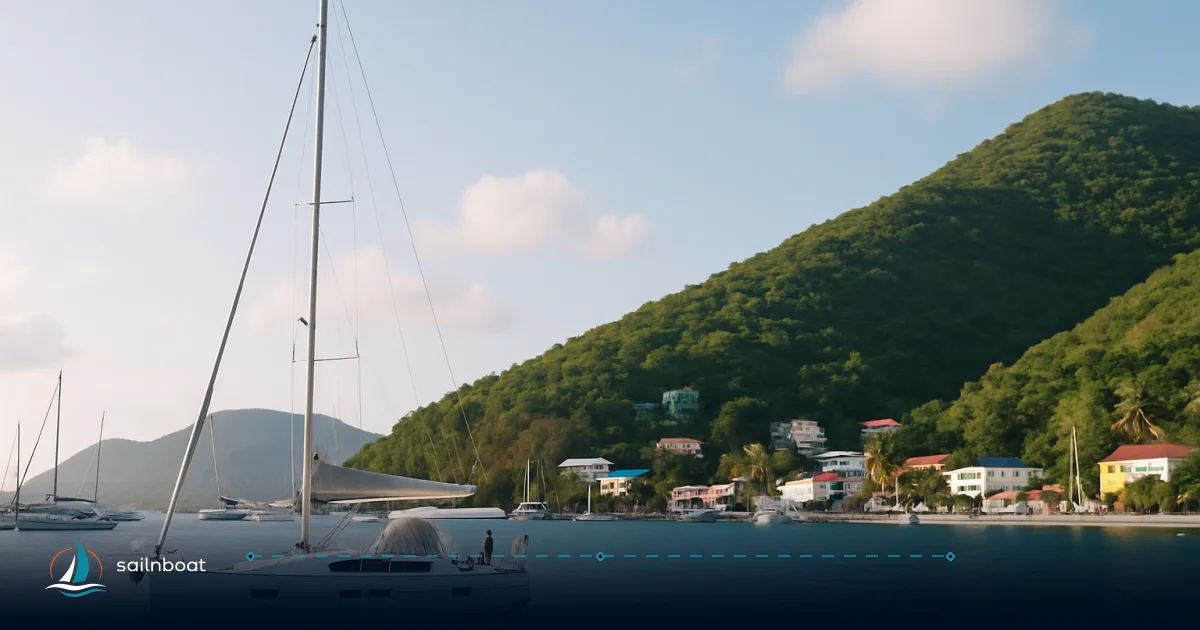
Plan for the week and the single decision you face up front: split your nights between the lively main bay and the quiet park. For a seven-day charter, jost van dyke sailing works best when you treat Great Harbour as your social base (shopping, Foxy’s, clearing-in) and reserve Dead Chest and nearby sand cays for daytime snorkeling and one or two tranquil overnights on NPT or private moorings.
Sailing Itinerary: Tortola to Jost Van Dyke
Practical routing depends on your base on Tortola. From Soper’s Hole (west end) the run to Great Harbour is a short hop; from Road Town or Nanny Cay expect a longer but still easy passage across the Sir Francis Drake Channel. Plan daily legs of 4–10 nautical miles so you spend time ashore, not on passage. Sources below show typical sailing distances used by charter operators and routing tools.
Day 1: Departure from Tortola
- Typical distance: 4–10 nautical miles depending on base — Soper’s Hole ≈ 5 nm; Road Town ≈ 8–10 nm by common routing. Time under way ranges from 20–90 minutes depending on boat speed and whether you motor or sail. Arrive mid‑afternoon to pick a mooring and clear customs if you haven’t done so already.
- Navigation tips:
- Keep to recognised channels and watch for reefs in shallow approaches; local chartplotter waypoints from your charter base are reliable for the runs in the Sir Francis Drake Channel.
- Approach Great Harbour with attention to the mooring fields and traffic—many charter boats will be working the inner and outer BoatyBall numbers as dusk approaches. The harbour offers protection from easterly trades; a fresh easterly will make nearby White Bay roll, so prefer Great Harbour for the night.
- At check‑in (charter handover): expect the base to check boat papers, captain’s qualification, safety gear and fuel/water levels. Most bases want the captain to carry passports and the crew list for customs. Bring a small float of local cash for mooring/park wardens.
Day 2: Exploring Great Harbour
- What to do: dinghy to Foxy’s Tamarind Bar for an afternoon meal or an early evening of live music; walk the short village for provisions and a friendly local atmosphere; snorkel close reefs off Diamond Cay or Little Jost by dinghy. Foxy’s runs regular events and can be busy after 16:00—plan your dinghy timing accordingly.
- Mooring options overview: Great Harbour fields include reservable BoatyBall buoys and first‑come white balls; arrive before mid‑afternoon in high season (Dec–Apr) to secure a first‑come ball, or reserve an orange BoatyBall early if you want certainty. Expect wardens or concessionaires to collect white-ball fees late afternoon.
Table — sample 7‑day loop (distances approximate; choose legs that suit your base and wind)
| Day | Leg | Distance (nm) | Overnight |
|---|---|---|---|
| 1 | Tortola (Soper's Hole) → Great Harbour (Jost Van Dyke) | 4–6 nm | Great Harbour (mooring/park field) |
| 2 | Great Harbour → White Bay (short dinghy hop / day visit) | ~1–2 nm | Great Harbour |
| 3 | Great Harbour → Sandy Cay / Norman Island (snorkel) | 6–10 nm | Norman Island / The Bight (mooring) |
| 4 | Norman Island → Cooper Island / The Indians → Virgin Gorda (The Baths) | 6–12 nm | The Baths / North Sound |
| 5 | Virgin Gorda → Anegada (longer ocean leg — optional) | 15–22 nm | Anegada (anchorage) |
| 6 | Anegada → Dead Chest / Peter Island (back toward Tortola) | variable | Dead Chest / Peter Island mooring (park rules apply) |
| 7 | Dead Chest → Tortola (Soper's Hole / Road Town return) | 8–12 nm | Return to base |
(Use local chartplotter and official charts for exact bearings; the table is an operational plan, not a navigation track.)
Mooring Options and Fees at Great Harbour and Dead Chest Island
Practical reality: mooring options and collection methods vary by field and operator. Expect a mix of reservable BoatyBall buoys (orange) and first‑come white balls; private commercial moorings also exist near bars and resorts. National Parks Trust mooring rules apply inside designated marine parks.
Great Harbour Mooring
- Types: BoatyBall reservable buoys (orange) and first-come white balls in the main fields; some commercial private balls near beach bars or resorts. Many operators show Great Harbour as an all‑reservable field in BoatyBall data, with nearby Diamond Cay and Long Bay offering mixed first‑come + reservable fields.
- Typical fees: first‑come balls commonly range roughly USD $30–40/night; reservable BoatyBall buoys typically list around USD $55/night. These are industry‑standard ranges in 2026 and can be collected by concessionaire dinghies in the late afternoon—have small USD notes handy. If you pick a private commercial ball (resort or restaurant), expect a similar or slightly higher fee but sometimes a food/beverage credit.
- Practical tips:
- Arrive early in high season (Dec–Apr) if you want a white ball; BoatyBall reservations release at a set time each morning for that night and are worth using for certainty.
- If wardens come round to collect, have the correct cash or be prepared to pay your charter operator who may collect at handover.
Dead Chest Island Mooring
- Status and rules: Dead Chest is part of a National Park / marine-protected area; anchoring and fishing inside marine-park boundaries are often restricted and visitors are expected to use NPT mooring buoys when present. The National Parks Trust enforces marine park rules and issues permits for use of park moorings.
- Fees and options: where NPT moorings are provided they are covered by mooring fees or park permits — common practice is that park moorings or day-use buoys require a National Parks permit (week‑based permit in many operator models) and overnight moorings, when allowed, follow the same local fee ranges as other overnight moorings (roughly USD $30–55/night depending on ball type). Again, expect wardens or concessionaires to collect on the water.
- Environmental considerations: avoid anchoring on coral; observe no‑take or restricted activity signage and keep fins up when snorkeling on reefs around Dead Chest. The NPT enforces protection for dive sites and will require mooring usage instead of dropping anchor in sensitive areas.
Weather Patterns and Best Sailing Windows
What matters most to your week is the seasonal stability of the trades and the hurricane risk. For planning purposes, treat December–April as the most reliable sailing window with steady easterly trade winds; June–November is Atlantic hurricane season and requires an operational plan and insurance review. Typical trade-wind strengths commonly felt in the BVI for charters are described as moderate, often in the low-to-mid double digits of knots at sea; exact values vary by month and weather systems.
Typical Weather Conditions
- Wind: steady easterly trade winds are the norm in high season; many skipper reports and guide summaries describe typical everyday trade-wind speeds as moderate, often in the low-to-mid teens (knots), with the occasional stronger front or gusts. Plan sail selection (light sails vs reefed main) for that bracket.
- Rain and swell: the dry season (Dec–Apr) has lower rainfall and smaller squalls; late summer into autumn brings higher storm risk and afternoon convective showers. Swell from the Atlantic side can make exposed beaches like White Bay roll in a strong easterly; Great Harbour stays calmer.
Handling Weather Changes
- Monitor: have at least two forecast sources (PassageWeather, local VHF forecasts, and a trusted weather router for longer legs). On‑board GRIB/GFS/ECMWF downloads or a satellite app are useful if you plan cross‑channel legs such as to Anegada.
- Tactical moves:
- Shorten sail early rather than late; reefing before a squall arrives is faster and safer.
- Move into the more sheltered option early: Great Harbour, Soper’s Hole (Tortola) or North Sound (Virgin Gorda) are the primary protective options for the eastern cruising grounds.
- In a genuine tropical threat, follow your charter company’s storm plan: haul to a designated marina or follow the operator’s refuge procedure—many bases require early return if a system is forecast to approach.
Local Culture and Experiences at Foxy's Tamarind Bar
Foxy’s is the sociable anchor of Jost Van Dyke beach culture — live music, a rum-heavy cocktail list, and communal evening crowds. Expect loud, friendly gatherings after 16:00 and major event nights that draw itinerant charters and locals alike. Foxy’s maintains an active event calendar and details on special nights (including large Old Year’s events and seasonal concerts) on its official site. Plan your dinghy timing to avoid the late‑evening rush if you prefer a quieter arrival.
What to expect ashore:
- Food and drink: casual grilled fish/shellfish, island-style plates and a strong focus on rum cocktails and beers. Menus are simple and priced at a premium for the location—bring cash for peak‑time purchases.
- Music and events: live music most evenings and bigger concert-style events seasonally; these are communal and convivial—if you want to be in the middle of it, show up after 18:00; if you want the vibe without the crowd, plan a daytime visit or an early evening landing.
- Cultural note: long-established local figures and a conversational, story‑driven bar culture mean Foxy’s is as much social theatre as it is a restaurant—be ready for impromptu music, storytelling and friendly banter.
Entry Requirements and Fees for the British Virgin Islands
Two separate buckets: legal customs/immigration requirements and the assortment of charter‑industry fees you will be billed or asked to pre‑pay.
- Passports & clearing in: any international approach (for example from USVI) requires passports for all passengers and the vessel to clear at an official BVI port of entry (Road Town, Soper’s Hole, Great Harbour among the common options). Fly your Q‑flag until you complete clear‑in with Customs & Immigration.
- Cruising permit (per‑person daily charge): rates depend on whether the yacht is BVI‑based or foreign‑based. Recent operational guidance and statute updates show foreign‑based yachts typically pay a higher published rate, while BVI‑based yachts pay a lower rate; operators will quote the exact current amount and usually include it on the charter invoice. Actual rates for charter yachts are often lower than $16 per person per day; confirm the current rate with your operator. Budget as part of your APA and ask your broker to list the exact per‑person rate that will apply to your booking.
- Environmental/tourism levies & departure tax: expect a one‑time environmental/tourism levy commonly shown around USD $10 per person per visit and a departure tax often seen near USD $20 per person on private-boat departures; these are standard items to budget for and are often collected by the operator.
- National Parks Trust permits: visiting or using NPT day‑use moorings (The Baths, Indians, Rhone sites and some buoys near Dead Chest) typically requires a park permit or ticket; NPT also enforces no‑anchor rules in park zones. Many operators purchase a weekly park permit on behalf of the yacht and charge it through the charter invoice.
- Practical checklist for arrival: captain’s passport and printed crew list, vessel papers, proof of charter or ownership, and local‑currency or USD cash for any immediate mooring/park collection or overtime customs charges (weekends/after‑hours). Ask your operator for the current "all‑in" estimate before travel—many publish a single per‑person figure for day trips that bundles these items.
How to handle an unexpected weather change during your charter
- Pre‑brief before you leave the base: identify the three closest, progressively more secure refuges (e.g., Great Harbour, Soper’s Hole, North Sound) and assign duties for reefing, lookout, bow‑man and dinghy recovery. Keep fenders ready and ensure the anchor light works for a night on a ball.
- On short notice: shorten sail, make a close reach for the nearest lee harbour rather than trying the long run—time saved is crew safety. If the plan calls for a marina slip, call ahead; most marinas will confirm availability and have a storm policy.
- Insurance & paperwork: confirm your skipper’s and vessel insurance storm exclusions and any minimum‑notice requirements for base recall. If authorities issue advisories, follow government and charter‑operator instructions—bases often require early returns when systems threaten.
Final practical note: money and payments
- Carry small USD bills for mooring/park wardens and small vendors. Many concessionaires still prefer cash; larger charter operator charges can be paid by card but some island services do not accept plastic. Expect to pay most on the water in USD.
Plan your week with the mix you prefer: three social nights at Great Harbour with late evenings ashore, two quieter nights using park moorings or a private ball near Dead Chest, and a flexible weather‑buffer day to reposition or shelter. Jost Van Dyke delivers both the bar-culture ritual at Foxy’s and the quiet, protected marine‑park experiences a sailing week should include—if you budget for mooring and permit fees, carry cash and confirm permits/BoatyBall reservations before you arrive, the week will run smoothly.
Frequently Asked Questions
Expect a mix of reservable BoatyBall buoys (typically ~USD $55/night) and first-come white balls (~USD $30–40/night); Dead Chest lies inside a National Park where anchoring is restricted and NPT rules/permits apply.
Trade winds are steady in the high season—typically in the low-to-mid double digits in knots—and December–April is the most reliable window; hurricane season runs June–November.
You must clear at an official port of entry (captain should carry passports for all passengers). Budget for the cruising permit (rates depend on whether the yacht is BVI- or foreign‑based), a one-time environmental levy (commonly ~USD $10/person) and a departure tax (~USD $20/person).
Foxy’s is a lively beachfront institution with live music, a rum-forward drinks menu, event nights (including large New Year’s celebrations) and a casual food menu; expect crowds after mid‑afternoon and limited card facilities at peak times.
Monitor local forecasts and VHF, shorten sails early, move to the best-protected nearby harbour (Great Harbour, Soper’s Hole or North Sound), and have formal storm mooring/evacuation steps in your briefed plan.
Written by
Sailnboat Editorial
The Sailnboat editorial desk covers yacht and boat chartering worldwide — routes, bases, seasons, boat types, paperwork and the practical costs that decide a trip. We are a charter marketplace, not a boat owner or a local agency: what we sell is judgement and support, so our guides are written to help you make a decision, not to sell you a specific boat. Every guide is checked against live operator and marina data before it goes out.
Fact-checked against live operator and marina data, and published under our editorial standards. Last reviewed: .