Anegada Sailing Itinerary: Lobster Bars and Quiet Anchorages
A focussed seven‑day Anegada sailing itinerary for charterers: how to get there, where to moor or pick a ball, the island’s best lobster stops, and practical fixes for equipment problems.

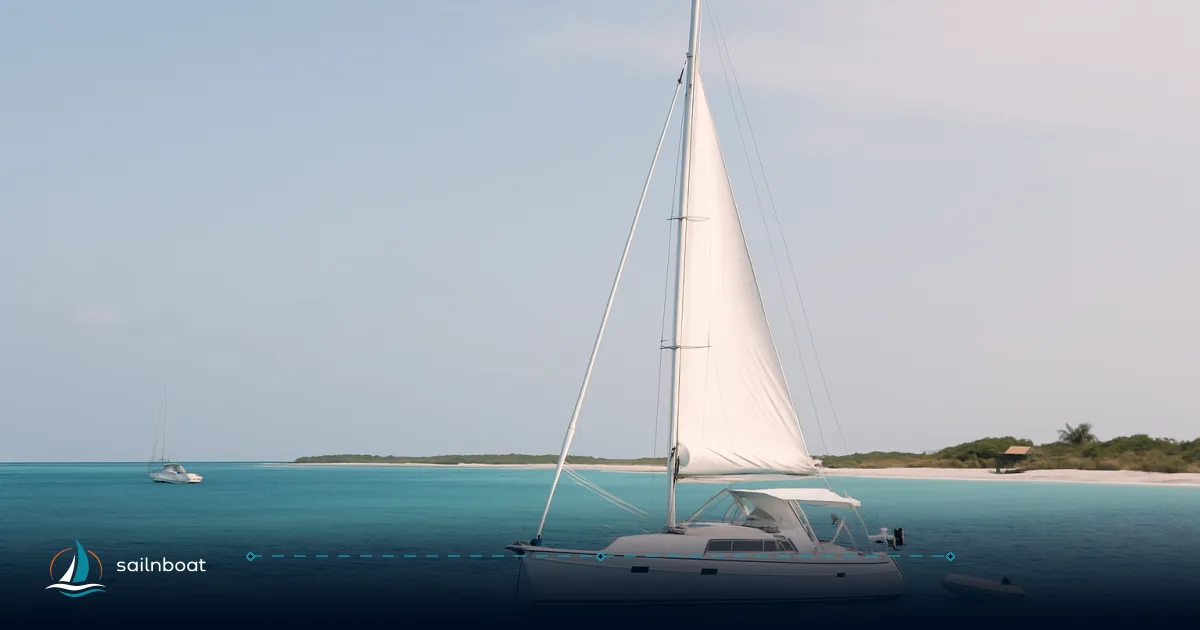
Anegada sailing itinerary: if you’re planning a week out of Tortola expect a long open‑water leg and careful navigation into a shallow, buoyed channel. From Road Town to Setting Point is roughly 26 nautical miles (plan several hours under sail or power), and the island’s lure is its lobster shacks, miles of sand and quiet, shallow anchoring behind Horseshoe Reef.
Sailing Route to Anegada
Anegada is a different trip from the rest of the BVI — it’s an atoll with a single practical entrance and long open water between the larger islands and the reef. That changes how you plan the day, provisioning, fuel and watch‑rotations.
Distance and Navigation Details
- Primary starting points and planning distances (to Setting Point, the usual arrival anchorage):
- Road Town (Tortola) → Setting Point: ~26.2 nm (plan for several hours depending on speed and sea state).
- Leverick Bay / North Sound (Virgin Gorda) → Setting Point: ~14–15 nm (a shorter, commonly used staging leg).
- Trellis Bay / Beef Island → Setting Point: ~20 nm (handy if you plan to stage from the east side).
| Departure | Distance to Setting Point (nm) | Typical cruise time (charter boat) |
|---|---|---|
| Road Town, Tortola | 26.2 nm | 4–6 hours (monohull 6–7 kt; cat 7–9 kt) |
| Leverick Bay, Virgin Gorda | 14–15 nm | 2–3 hours |
| Trellis Bay / Beef Island | ~20 nm | 3–4 hours |
- Weather window: treat the passage as the week’s weather call. The open water can be rolly when north swell is present; the safest plan is to run for Anegada in the morning on a favourable sea state and arrive with daylight for the channel entry.
- The approach and channel: there’s a single, buoyed entrance at Setting Point. Markers can shift after storms; pick up the outer buoys visually, reduce sail and motor through the channel. If you cannot identify the markers call the Anegada Reef Hotel or the local operator on VHF 16 for assistance. The reef that surrounds Anegada (Horseshoe Reef) is large and historically hazardous — do not attempt an unmarked approach.
Navigation trade‑offs
- Leaving earlier and shortening the sea day (by staging at Virgin Gorda) buys a calmer passage and faster arrival; the trade‑off is a longer reposition leg earlier in the week.
- If you’re sailing a deep‑keel or slow boat, prioritize daylight arrival and use a reservable mooring ball rather than trying to anchor in the crowded shallow patches.
Lobster Dining Experiences
Anegada is famous for lobster dinners: simple, local, and almost always grilled or steamed to order. If the crew wants a memorable shore meal, plan at least one evening ashore — and if your galley misbehaves, the island reliably saves dinner.
Top Restaurants
- The Lobster Trap — a water’s‑edge restaurant at Setting Point known locally for grilled Anegada lobster and classic island sides; it’s oriented to dinghy access and the mooring field. Reservations or advance notice in the afternoon help during high season.
- The Wonky Dog — a beachside operation on Anegada offering casual plates and lobster‑forward items (they advertise lobster options and relaxed, toes‑in‑the‑sand service). Plan for sundowner vibes and expect simple seafood preparations.
- Other dependable options: Anegada Beach Club (resort restaurant that lists lobster on the menu), Neptune’s Treasure and small beach bars at Cow Wreck/Tipsy’s that will grill lobster if given notice. These places are seasonal—some close off‑peak—so check availability ahead.
Practical dining tips
- Reserve when possible and give shore staff an approximate time and boat name; many kitchens plan lobster counts and may ask for a deposit for large groups.
- Lobster availability: it’s a local catch—specials and supply vary daily; expect different portion sizes and doneness (grilled, garlic butter, whole steamed).
- Dinghy logistics: Setting Point moorings/dock put you within a short dinghy ride of the Lobster Trap; for Loblolly/Cow Wreck you’ll typically land on the sand or use a small beach run for the bar.
Anchorage Options
Anegada’s anchorages are shallow sand behind the outer reef. Good preparation pays off: have accurate tide/depth readings, keep a proper anchor watch and use a mooring ball when you can.
Setting Point
- Typical depth and holding: commonly 2.4–3.5 m over sand in the anchoring field; sand holding is generally good but there are grassy patches and coral heads near the channel where holding worsens. Mooring balls are installed and in high season are usually the preferred option.
- Moorings and fees: A mix of local operator balls and reservable BoatyBall orange balls operate at Setting Point; BoatyBall reservable balls have been listed at around US$55/night (rates and availability vary by season and operator). When a reservable ball is not available, local mooring keepers often run balls and collect payment ashore.
- Practical points: approach the moorings slowly, agree a price before accepting a boat‑boy’s help and be ready to anchor outside the field if moorings are full — but expect shallow depths (plan scope accordingly).
Loblolly Bay
- Depth and shelter: very shallow sand flats running roughly 2–4 m, exceedingly calm inside the reef — one of Anegada’s best spots for a quiet night and long beach walks. Holding is typically good in sand but check your set; the bay is protected from wind from most directions but will feel ocean swell if the fetch is long.
- Traffic and vibe: much quieter at night than Setting Point; fewer moorings and less boat traffic, which is why many crews prefer to move north after an evening at the lobster shacks and sleep in Loblolly if conditions permit.
Anchorage comparison table
| Anchorage | Depth (m) | Holding | Moorings | Best for |
|---|---|---|---|---|
| Setting Point | 2.4–3.5 m | Sand; generally good | Many (BoatyBall + local) | Dinghy landing, lobster bars, quick shore access |
| Loblolly Bay | 2–4 m | Sand; excellent | Few / limited | Quiet nights, beach access, snorkeling off the sand |
| Cow Wreck Beach (northwest) | Shallow, shoreable | Sand/coral patches | Limited | Beach bar, laid‑back afternoons |
(Be conservative with underkeel and scope: in shallow Anegada spots plan 4:1 minimal rode and check tides/changes before sleep.)
Unique Beaches and Night Anchorages
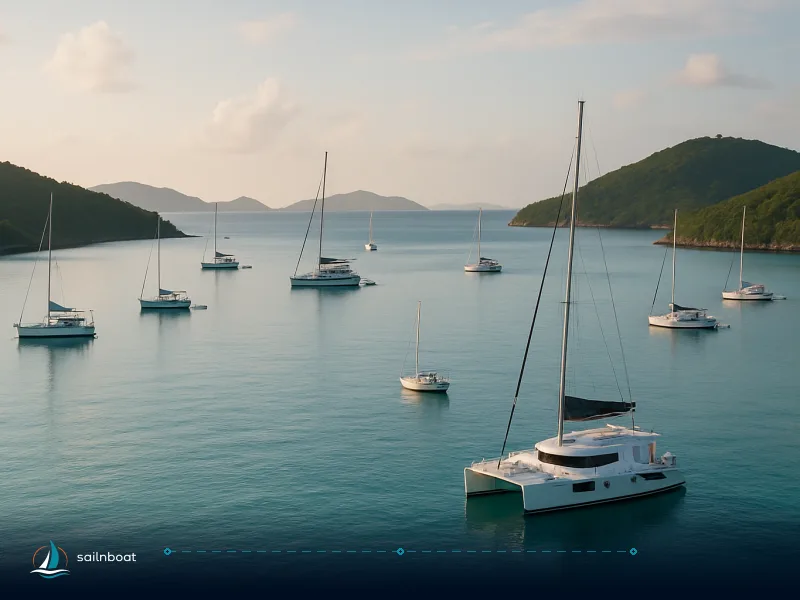
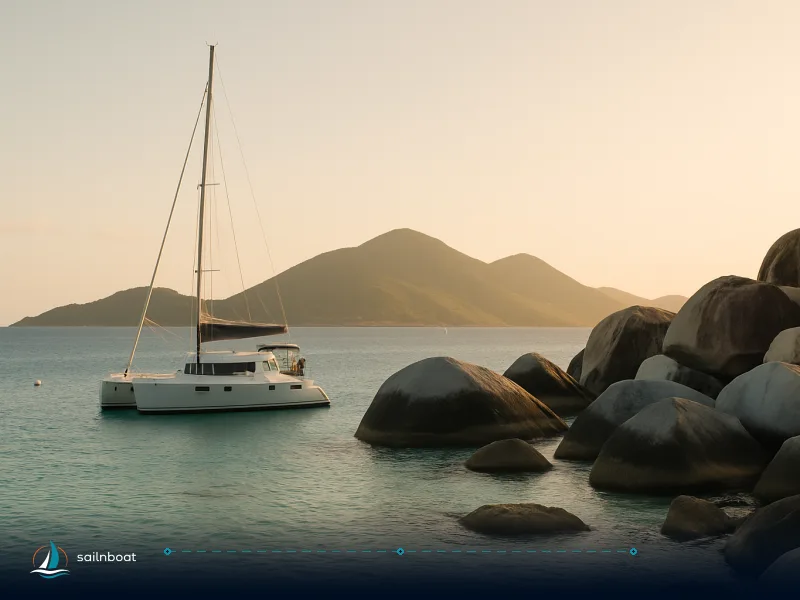
Anegada’s north shore — Loblolly and Cow Wreck — is what most sailors turn up for: wide white sands and very shallow, glassy water that stretches a long way from the beach.
- Loblolly Bay: broad sweep of sand, calm lagoonal water protected by Horseshoe Reef; excellent for snorkeling from the beach and long evening walks. The bay’s shallow slope means kids can play and swimmers can wade far from the shore.
- Cow Wreck Beach: smaller, wider, and more intimate with one or two beach bars (Tipsy’s/landside operators) and cottages; great for an afternoon ashore or a late‑afternoon cocktail before moving to Setting Point or staying put if the forecast allows.
- Night anchoring rhythm: Setting Point is lively in the early evening with boats, dinghies and restaurant traffic; by 10–11pm most noise dies away. Loblolly and Cow Wreck are quieter at night — you’ll hear only wind, surf and the occasional reef break in heavy swell.
Challenges and Solutions
Experienced charterers know nothing is perfect. Here are the issues that matter and how to handle them.
Equipment issues (example: a burnt grill)
What happened: on a recent week the galley grill failed mid‑trip (element burnt through / regulator leak). Result: one planned lobster‑on‑the‑grill night became a logistics exercise.
Practical fixes and prevention:
- Before departure: check propane hoses, regulator tightness and flame condition; run the grill with hood open to confirm even heating. Carry a small, well‑ventilated portable grill (charcoal or gas) and at least one spare regulator hose. These cost little and eliminate a lot of stress.
- If it happens ashore: Anegada’s lobster shacks will cook lobsters to order — they expect to take and cook on demand, so they work as a reliable galley fallback. Call ahead from the boat to reserve lobsters when you know your galley is out.
- Insurance and repairs: most charter contracts require you to report equipment failures immediately at check‑in and to document faults. For fast repairs, port calls to Virgin Gorda or Tortola will get you spares faster than Anegada.
Local interactions and service variability
- Payment and moorings: in high season pick your mooring via a reservation app (BoatyBall) or arrive early to pick a first‑come ball; local mooring keepers will offer help — agree the fee up front.
- Restaurant rhythm: many kitchens cook to booked numbers. If you want lobster for a specific evening tell the restaurant in the afternoon so they can plan supply and staff.
- Customs / logistics: if you want to land onshore and leave crew ashore for a while, check local landing restrictions and have small change for taxi fares — the island is small but services are sparse.
Final practical checklist for your week
- Plan the open‑water leg: choose whether to stage from Leverick (shorter) or run from Road Town (direct but longer). Expect Road Town → Setting Point ≈ 26 nm.
- Book or set an alarm for a BoatyBall/reservable ball at Setting Point if arriving in peak season; expect reservation fees in the US$30–55/night band depending on provider.
- Carry a small backup grill, a spare propane hose/regulator, anchor spares (snubbers, chain hook), and a stern anchor or second anchor if you plan to sleep in shallow, tidal anchorages.
- Enter the Anegada channel in daylight if possible, reduce sail and use engine, and follow the buoyed channel exactly — the Horseshoe Reef is a genuine hazard.
- Make one lobster night non‑negotiable: either reserve the Lobster Trap or the Wonky Dog (or plan to call ahead and pay a deposit at Neptune’s Treasure/Anegada Beach Club).
You’re aiming for a week that balances one big open crossing with two easy beach days: an evening of lobster at Setting Point, a long day at Loblolly or Cow Wreck, and at least one quiet night at anchor behind the reef. This is the practical Anegada sailing itinerary experienced charterers keep returning for.
Plan your Anegada sailing itinerary and add a reservable ball night if you’ll arrive in high season — the island rewards the crew who come prepared.
Frequently Asked Questions
From Road Town to Setting Point plan on roughly 26 nautical miles (a 4–5 hour passage for typical charter boats); distances are shorter if you start from Virgin Gorda or Trellis Bay. Times depend on boat type and wind.
Locals and charterers point to The Lobster Trap and The Wonky Dog for grilled and beachside lobster dishes; Anegada Beach Club, Neptune’s Treasure and Tipsy’s at Cow Wreck are other dependable choices.
Setting Point: shallow sand, commonly 2.4–3.5 m with both private and BoatyBall reservable moorings; Loblolly Bay: shallow 2–4 m, very sheltered behind the reef and excellent for quiet nights. Moorings may carry a nightly fee.
Carry a small spare portable grill, an alternative cooking plan (cold meals/buy cooked lobster ashore), and basic spares (propane hose, regulator, fuses). Anegada’s restaurants will cook fresh lobster to order if your galley is unusable.
Long white‑sand beaches (Loblolly, Cow Wreck), shallow turquoise lagoon water protected by Horseshoe Reef, and small numbers of boats at night — perfect for quiet anchorages and shore dinners.
Written by
Sailnboat Editorial
The Sailnboat editorial desk covers yacht and boat chartering worldwide — routes, bases, seasons, boat types, paperwork and the practical costs that decide a trip. We are a charter marketplace, not a boat owner or a local agency: what we sell is judgement and support, so our guides are written to help you make a decision, not to sell you a specific boat. Every guide is checked against live operator and marina data before it goes out.
Fact-checked against live operator and marina data, and published under our editorial standards. Last reviewed: .