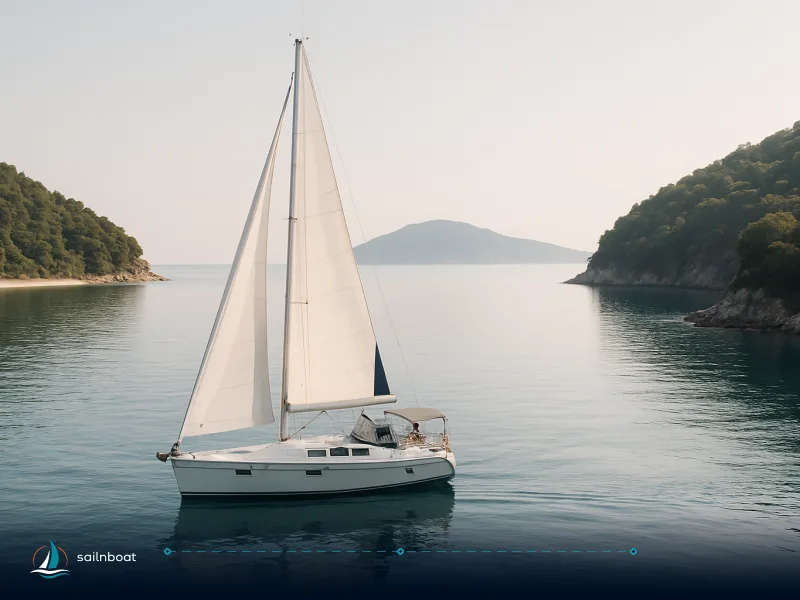
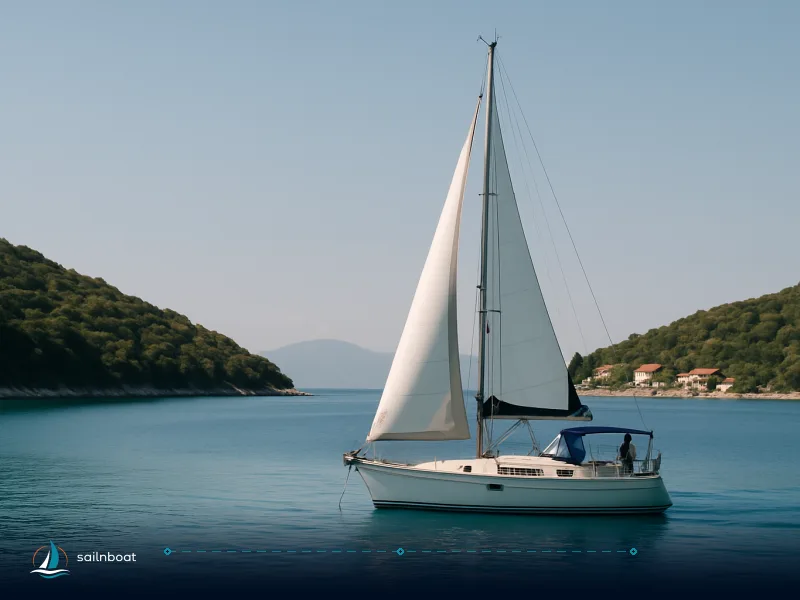
A Week Around Fournoi: Sailing Itinerary and Local Experiences
A compact, skipper-ready seven‑day Fournoi sailing itinerary: short hops between Fourni, Thymaina and Agios Minas, recommended anchorages, shipwreck notes and harbour advice.

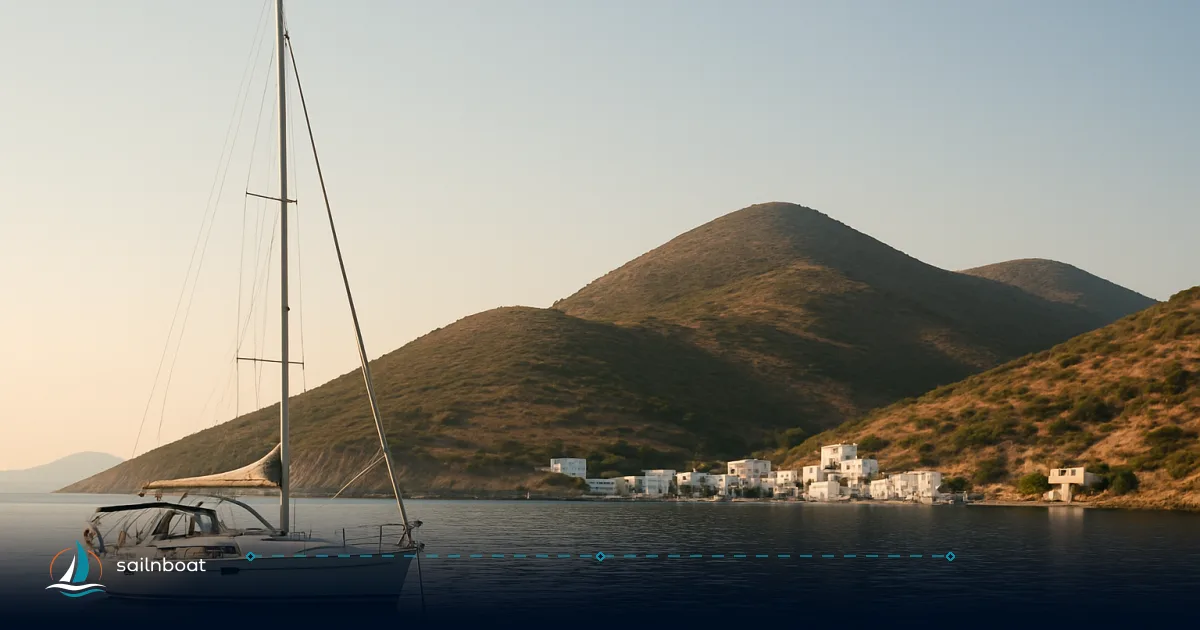
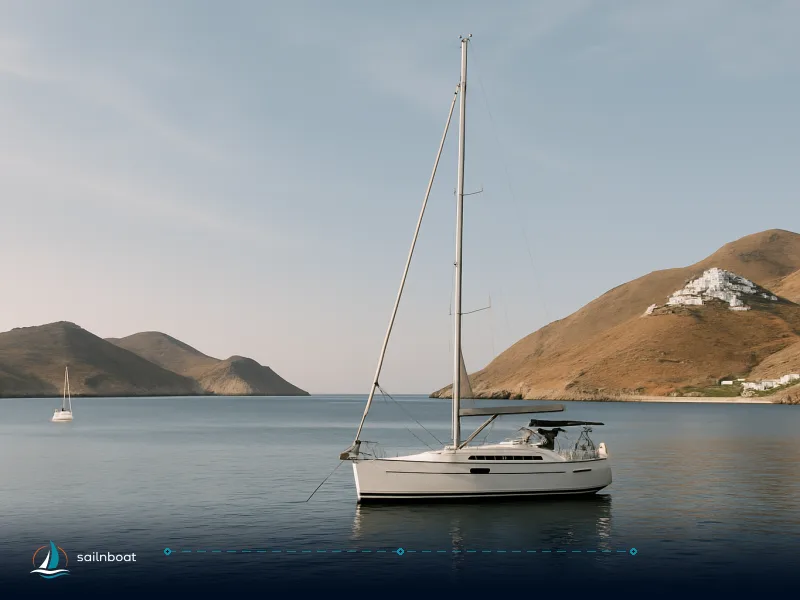
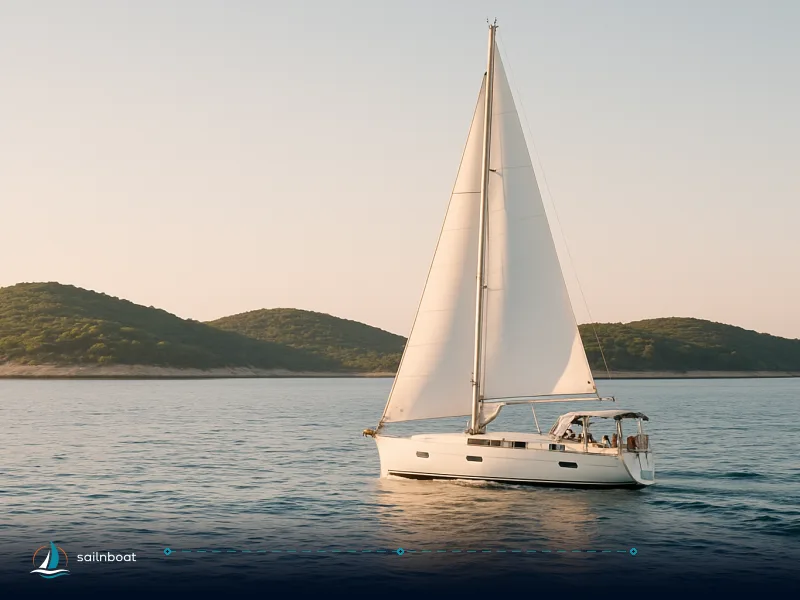
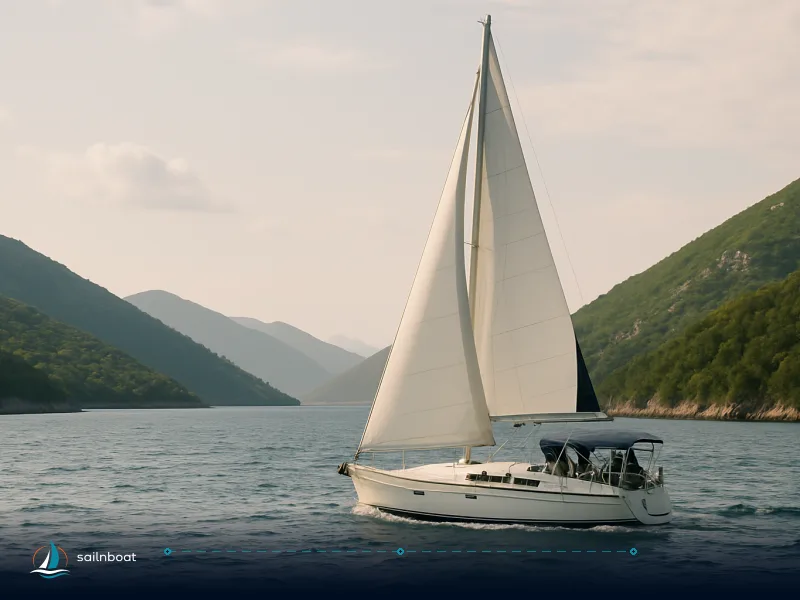
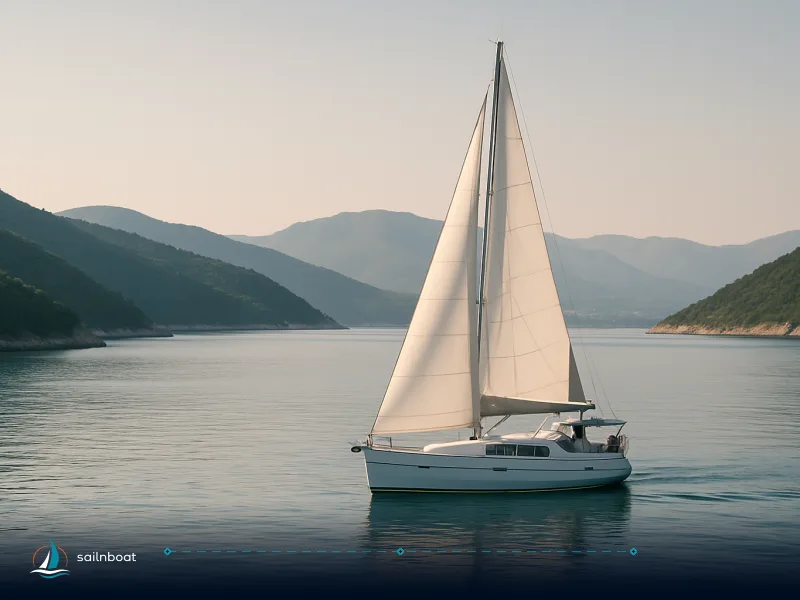
Fournoi sits in a tight little cluster between Ikaria, Samos and Patmos; run correctly, a week here is a sequence of very short passages, anchored nights and two concentrated shipwreck zones that require planning for diving or site respect.
Day-by-Day Sailing Itinerary
Below is a compact, skipper‑focused seven‑day plan that assumes a base in Fourni (or a hop from Samos) and a crew who will anchor most nights. Distances are great‑circle estimates or short local hops; where depth or holding is safety‑critical I give ranges that are commonly reported locally.
Day 1: Arrival at Fourni Korseon
- Plan: Check in with your charter company or harbour master, tie alongside the town quay in Fourni for provisioning and final checks.
- Berthing: Fourni town quay (small commercial harbour). Alongside depths for small to medium yachts are often reported in the 3–5 m band, but actual depths can vary—ask the port police (Limenarchio) on arrival. Many skippers lie alongside and step ashore to provision.
- Practical: Take a walk up the mulberry lane for bakeries and the main mini‑market; final fuel and water top‑ups are easiest here. Confirm local waste‑pumpout availability with the harbour office.
Day 2: Thymaina (short hop)
- Passage: ~1.5–2.5 nm depending on your berth in Fourni — a quick morning weigh and an afternoon at anchor. Thymaina is effectively next door.
- Anchorage: Multiple small coves on Thymaina’s leeward shore—expect sandy or mixed bottoms and typical depths 4–6 m in the shelving coves; good holding on sand. Drop 40–60 m of chain in exposed conditions only — shorten in calm, well‑protected coves.
- Onshore: Short walks, one small village taverna, quiet beaches; Thymaina is low‑service compared with Fourni so keep spare provisions.
Day 3: Agios Minas
- Passage: ~3–4 nm (short beat or run, depending on wind).
- Mooring/Anchoring: Natural harbour on the shore of Agios Minas; reported depths close in are commonly 3–5 m with good protection from southerly swell. Space is limited—arrive early in high season.
- Practical: Quiet night; this is a good place to practice close‑quarter anchoring or to shore‑tie (if safe) and step ashore for a beach dinner.
Day 4: Ancient Shipwreck Exploration (boat/shore operations)
- Plan: Visit the documented wreck areas off Aspros Kavos, Kamari and Agios Minas. Archaeological work has located dozens of wreck sites; many lie deeper than recreational limits and should be treated as protected finds, not casual snorkel targets.
- Diving/snorkel notes: Some wrecks are shallow enough for experienced sport divers; others (reported 40–50 m and deeper) require technical teams. If diving wrecks, coordinate with local dive operators or archaeological teams—sites can be subject to protection.
- Practical: If you won’t dive, use this day for long swims, dinghy exploration of small islets and an evening ashore in Fourni to eat fresh lobster.
Day 5: Cultural Day in Fourni Village
- Return to Fourni port for an evening ashore. Plan a harbour‑front meal at a fish taverna (see recommended tavernas below). Allow time to meet locals — island hospitality is direct and generous.
- Estimated cost: local tavernas are modestly priced compared with tourist hotspots; expect inexpensive to mid‑range bills on Fourni (local reporting and reviews show good-value fresh fish restaurants).
Day 6: Secluded Cove / Leisure Day
- Cruise a short distance to a quiet bay such as Kampi or the coves north of Chrysomilia. Anchor in 3–8 m with sandy bottoms where reported; these bays are reliable for a calm night in typical conditions. Swim, kayak, snorkel or fish from the tender.
- Practical: If you plan water activities, rig safety lines and brief the crew on anchor watch; mobile signal can be patchy.
Day 7: Return leg to your base (Samos or Piraeus)
- Options: overnight hop to Samos or longer delivery to Piraeus. The direct great‑circle from Piraeus to Fournoi is often estimated at around 130–140 nautical miles (so a return to Piraeus is a one‑to‑two day transit depending on cruising speed and stops). Route choice depends on winds and Meltemi forecast—do not attempt a single long overnight if strong northerlies are forecast.
- Practical: If you have to deliver to Piraeus, plan for fuel and crew rest stops; many skippers overnight in Samos en route.
Best Anchorages in the Fournoi Archipelago
The archipelago's lacework of bays gives you options every night; below are the anchorages you should prioritise. Depth ranges are those commonly reported by pilots and cruising notes; treat them as operational ranges and always check with your plotter, echo sounder and local advice on arrival.
| Anchorage | Location / Notes | Typical depth (m) | Bottom & mooring notes |
|---|---|---|---|
| Fourni town quay | Main village harbour; good for provisioning and services. | Alongside 3–5 m (small craft) | Limited quay space; tie stern to shore if necessary; expect traffic in high season. |
| Kamari (Fourni east) | Sandy bay south/east of the main town — common anchor spot. | 3–8 m in the bay | Sand patches, good holding; can be busy day‑charter boats. |
| Kampi / Chrysomilia | South of the village; quieter beaches and coves. | 3–6 m | Sandy/mixed bottoms; good for an overnight swim stop. |
| Agios Minas natural harbour | Small harbour/islet to east of Fournoi. | 3–5 m close in | Protected, but limited space — arrive early. |
Trade-offs: quay nights in Fourni give services and security but cost berthing space and may be noisy; sheltered coves give privacy and cheaper or free nights but fewer services.
Historical Significance of the Shipwrecks
Fournoi’s seabed is one of the richest in the Aegean for ancient wrecks. Archaeological surveys between 2015 and the mid‑2020s documented well over fifty wrecks in the archipelago—amphora cargos from the Black Sea, Kos, Sinope and North Africa appear repeatedly, and wrecks range from the Archaic period through Roman and into Byzantine times. That concentration explains why archaeologists call Fournoi a major shipwreck locus in the Mediterranean.
What you need to know as a skipper:
- Cargo types: numerous amphorae types (Black Sea / Pontic, Kos, Sinope) and tableware have been recorded—useful for archaeologists mapping ancient trade routes.
- Depths: investigated wrecks include both shallow sites and deep wrecks (archaeological reports record sites at ~43–48 m and others down to around 65 m). Most of the interesting archaeological wrecks are deeper than recreational scuba limits. Treat them as protected heritage.
- Protection and protocol: the Ephorate of Underwater Antiquities and cooperating institutes survey and sometimes restrict access—don’t remove artefacts, and contact local authorities or accredited dive operators if you wish to visit a site for sport diving or research.
Diving opportunities
- Sport divers: a minority of wrecks and jettisoned finds are within 30–40 m and can be dived by experienced technical teams; many sites require decompression or technical equipment. Coordinate with local dive operators who are familiar with the survey work and permitted dive areas.
- Snorkelling: the archipelago’s shallow coves offer good snorkel swims, but the main archaeological attractions lie deeper.
Local Dining Experiences in Fourni Village
Fourni’s cuisine is a local, fish‑first tradition—this is a working fishing fleet island. For practical shore plans, these are repeatedly recommended in visitor guides and review sites:
- O Miltos — harbour fish taverna, highly rated for daily fresh fish and lobster specialties (long local reputation).
- Nikos Taverna (Nikos & Jenny) — large terrace on the quay, steady local favourite for simple plates and seafood.
- Almyra (Kamari) and small beach tavernas in Kampi — good for a toes‑in‑the‑sand lunch.
Practical dining tips:
- Lobster and the “catch of the day” are island selling points; if it’s in season and displayed, order it early. Portions are typically generous; expect modest island prices compared with major tourist islands. If you want to be part of a table with locals, arrive after 20:00 when families gather in summer.
Weather Patterns and Optimal Sailing Windows
The defining seasonal factor for Fournoi (and the wider Aegean) is the Meltemi:
- Season: the Meltemi runs roughly from late May through September and peaks in July–August; it can reach sustained Force 5–7 in exposed parts of the Aegean in peak summer. For a week around Fournoi you’ll want to plan around this: late May–June and September give lighter, more predictable winds.
- Daily pattern: when the Meltemi is active you typically see persistent northerlies during daylight; sheltered anchorages on the lee (southern coves) are calmer.
- Forecasting: use ECMWF or local Hellenic forecasts for synoptic charts several days ahead; check local wind watches each morning before leaving and call the Limenarchio if conditions change.
Trade-off: July–August brings the best sea temperatures and island buzz but the strongest wind and potentially uncomfortable anchorages; September gives the same water warmth with fewer strong Meltemi days.
Regulatory Considerations for Sailing in Fournoi
Operational rules you will meet repeatedly:
- Skipper qualifications: Greek port authorities and charter companies increasingly require proof of skipper competence. In practice the International Certificate of Competence (ICC) or a recognized RYA/ASA/IYT qualification is the clearest way to satisfy both the charter company and port police checks — many operators state this explicitly in their booking terms. Also plan to carry a sailing CV or logbook. A VHF operator certificate (Short Range Certificate / SRC) or equivalent is commonly required for yachts that carry VHF radio equipment.
- Harbour checks and paperwork: expect to show skipper ID, charter agreement, boat documents and possibly an English translation of national licences ifnecessary. At handover the base will typically inspect the boat for damage, check engine hours, fuel and water levels, and run through the inventory list with you—expect a thorough walk‑around and a short engine demonstration. Many operators place a security deposit or a credit‑card hold for damage waiver purposes; the amount varies by company and boat class. Check‑in is often mid‑afternoon and check‑out mid‑morning (many bases ask for the boat back around ~09:00), but these times vary by operator and season so confirm them when you book.
Other regulatory and operational points:
- Port police (Limenarchio): you will usually be asked to report to the Limenarchio when you first arrive on the island and again on departure if you change your declared port of call; keep skipper ID, charter contract and boat documents handy.
- VHF and radio rules: carrying a working VHF is standard; many operators require the skipper to hold a Short Range Certificate (SRC) or equivalent. Practice basic VHF calls and have the local marine frequencies programmed before departure.
- Protected sites and archaeological zones: several wreck sites in the Fournoi area are protected under Greek law; do not attempt to recover artefacts, and avoid anchoring directly on identified wreck sites—consult local authorities or dive operators before planning a visit near a documented wreck.
- Customs and immigration: if you cross from a non‑EU port (for example, Turkey), you will face standard entry/exit formalities; if you are operating entirely inside Greece you will usually only interact with the local Limenarchio and the charter company checks.
Fees and Costs
Costs vary by season, boat size and whether you use paid marinas or public quays. Below are realistic, commonly reported ranges to budget for a week‑long trip around Fournoi. Values are presented as typical ranges many skippers encounter; your operator may differ.
| Item | Typical range / note |
|---|---|
| Town quay mooring (Fourni) | €0–€30 per night for small/medium vessels in low to mid season; high season can push prices higher or be handled by a voluntary donation system. |
| Private marina/pontoon | Widely higher where available—expect operators to quote per visit; in remote islands private pontoons are limited. |
| Fuel (diesel) | Fuel in small island fuel stations is more expensive than mainland; budget extra for top‑ups and delivery fees by jerry can if no fuel berth is available. |
| Water refill | Often available at the town quay or via water delivery; small islands may charge a nominal fee or ask for cash. |
| Waste pumpout | Some ports offer free pumpout, others charge a small fee; many skippers pay locally or arrange at the base. |
| Harbour services (electricity, showers) | Town quays usually have limited free facilities; private marinas may charge. |
| Meals ashore | Tavernas on Fourni are generally modestly priced; expect a typical dinner to be affordable compared with larger tourist islands. |
Operational advice on costs:
- Carry cash: many small tavernas and island services are cash‑friendly and card machines can fail or be unavailable.
- Fuel planning: refuel before long hops; island fuel stations can close early or run out—plan conservatively.
- Bargaining: not necessary for official fees; for local services (water delivery, mooring assistance by locals) agree the price upfront.
Practical Skipper Checklist (before you cast off)
- Local charts and pilot notes: carry updated electronic charts and a paper pilot book or printout for Fournoi and neighbouring Ikaria/Samos sectors.
- Weather services: save links or apps for synoptic charts and local forecasts; check the 72‑hour trend before departure.
- Safety gear: lifejackets for all crew, liferaft where required for your boat class, flares and EPIRB; ensure the boat’s safety equipment is current and signed off at handover.
- Spare parts and tools: basic engine spares, impeller, belts; a small toolkit can save a forced marina call.
- Dive coordination: if you plan to dive wrecks, pre‑book a local operator or confirm legal access; do not dive archaeological wrecks without authorization.
- Local contacts: Limenarchio phone, base emergency number, nearest medical centre on Samos or Ikaria (depending on your itinerary).
Final trade-offs and booking tips
- Timing: choose late May–June or September for lighter winds and calmer anchorages; July–August gives warmer water but stronger Meltemi days and busier anchorages.
- Boat type: a 40–50 ft mono is versatile in Fournoi’s coves; a shallow‑draft cruiser or catamaran increases your options for protected anchorages but costs more. Decide whether you prefer quay nights for comfort or anchoring nights for solitude—each trade‑off impacts provisioning and mooring costs.
- Diving vs. preservation: if wreck diving is a priority, plan with an established operator; if not, treat the wreck zones as archaeological no‑go areas and enjoy the seabed from the surface.
Plan your sailing adventure around the Fournoi archipelago today. Book a flexible week in late spring or early autumn, confirm skipper paperwork with your operator, and you’ll have a compact, low‑mileage cruise with serious archaeological interest, reliable local tavernas and anchorages that reward careful weather planning.
Frequently Asked Questions
Fourni town quay for provisioning and services (shallow alongside, small craft 3–5 m), Kamari and Kampi bays for sheltered anchors (sandy bottoms, commonly 3–8 m), and the small natural harbour at Agios Minas (limited space, 3–5 m close in). Always check the local seabed and adjust scope for wind and swell.
Archaeological surveys since 2015 have documented 50–62 shipwrecks around Fournoi, spanning the Archaic, Hellenistic, Roman and Byzantine periods and carrying amphorae from the Black Sea, Kos and elsewhere—making Fournoi one of the Aegean's densest shipwreck clusters.
Harbour-front favourites include O Miltos and Nikos Taverna (fresh fish and lobster specialities), plus Almyra and small beach tavernas in Kamari and Kampi; menus are sea-focused and prices are modest compared with bigger islands.
The Greek season runs roughly late April–October; the Meltemi (strong northerly) is active June–September and peaks July–August—late May–June and September are the most comfortable windows for this itinerary.
Expect charter companies and port police to request proof of skipper competence (ICC or equivalent are widely accepted), a VHF operator certificate is commonly required, and berth fees vary widely—town quays can be inexpensive while private pontoons run higher.
Written by
Sailnboat Editorial
The Sailnboat editorial desk covers yacht and boat chartering worldwide — routes, bases, seasons, boat types, paperwork and the practical costs that decide a trip. We are a charter marketplace, not a boat owner or a local agency: what we sell is judgement and support, so our guides are written to help you make a decision, not to sell you a specific boat. Every guide is checked against live operator and marina data before it goes out.
Fact-checked against live operator and marina data, and published under our editorial standards. Last reviewed: .