Serifos & Sifnos: A Week‑Long Serifos Sailing Itinerary
A practical seven‑day Serifos sailing itinerary that links Livadi and Kamarés with short passages, sheltered bays and on‑shore food and village time, plus navigation, mooring and licence essentials.

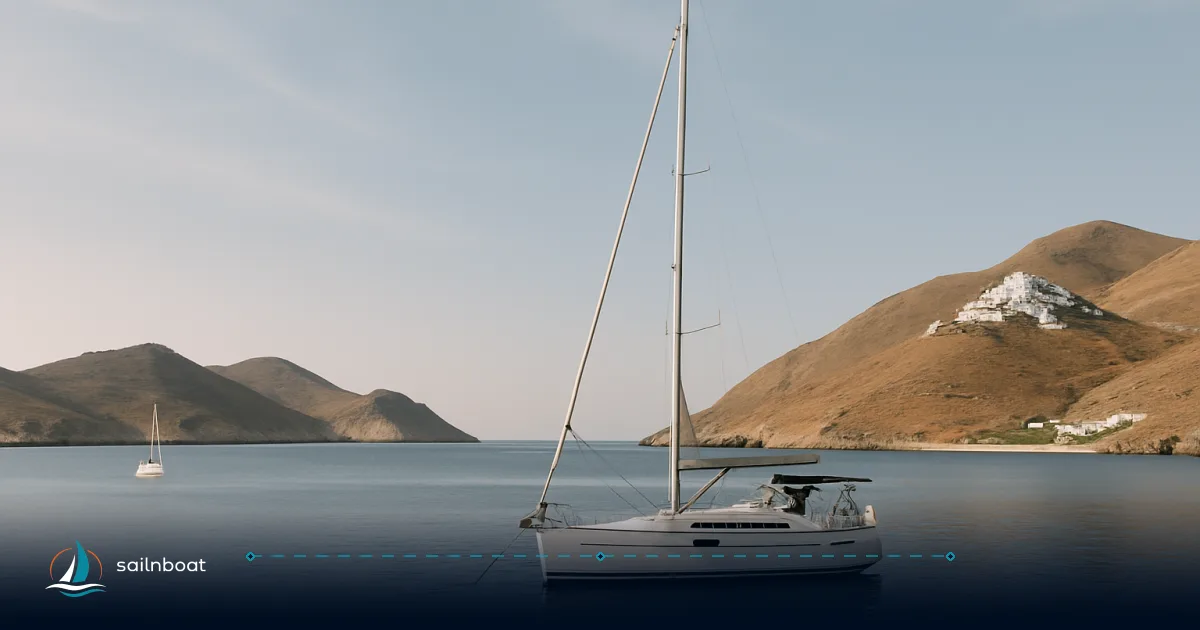
A Serifos sailing itinerary for seven days should prioritise short, flexible hops and late‑afternoon moorings: Livadi (Serifos) and Kamares (Sifnos) sit close together and let you move bay‑to‑bay rather than tackle long offshore legs. The day‑by‑day below assumes an intermediate crew comfortable planning around forecasted northerlies.
Day‑by‑Day Sailing Itinerary
Practical framing: use Livadi (Serifos) as your first night if you arrive by ferry or transfer from Athens; it’s the island’s organised port with provision points and a short bus/taxi link to Chora. The hop to Sifnos is short — roughly 11–12 nautical miles — so you can treat the passage as a morning leg and have the afternoon ashore.
Day 1: Arrival in Serifos — Livadi
- Check‑in at your base and tie up stern‑to or on a visiting pontoon in Livadi; VHF channel for the harbour is commonly published as channel 12 and depth alongside varies from about 2–6 m, so use caution if your boat draws over 2.5 m. The port offers water, basic provisioning and a port police desk.
- Walk or bus to Chora (a short ride up the hill): evening in the whitewashed alleys, photo of the Venetian‑style Kastro and dinner at a harbour taverna — local menus favour simple grilled fish and goat cheeses.
Day 2: Serifos → Sifnos (Kamares) — passage planning
- Distance: ~11–12 nm; allow 2–4 hours depending on boat speed and wind. If the Meltemi is up, plan an early start to get the leg done before gusts peak mid‑afternoon.
- Mooring options in Kamares: quay alongside (limited spaces) or anchor off in the NE corner where ferry wash is least; depths inside the bay are shallow (roughly 3–6 m). Bring spring lines if you stern‑to the quay.
Day 3: Discover Sifnos — Apollonia and Kastro
- Take a taxi or bus up to Apollonia for pottery shops and the museum; wander to Kastro at sunset for the cliff‑top village feel. Try a tavern that does mastelo (slow‑roast lamb) or revithada (local chickpea dish) in a traditional oven. (Culinary picks are below.)
Day 4: Sifnos → Serifos (return)
- Return to Serifos, perhaps instead stopping first in Vathi (a well‑sheltered bay on Sifnos’s SE coast) if you need a more protected overnight than Kamares. The Vathi to Kamares gap is short (typically estimated at 4–6 nm) and makes a good half‑day’s sailing; confirm exact distance on your chart.
- On Serifos, consider Ganema or Koutalas for a quieter beach night if you prefer to anchor and line ashore rather than use the Livadi quay. Koutalas gives reliable holding in 4–15 m with sand and rock patches; watch for old chains and local markers.
Day 5: Leisure day in Serifos — beaches and markets
- Take the bus to Chora or the dirt‑track to Maliadiko for a sheltered swim. If you’re aboard, plan short dinghy runs to Megalo Livadi or Avlomonas for lunch ashore.
Day 6: Sifnos culinary day (option)
- If you like food, spend another night on Sifnos to book a cooking class or follow a village route: Kamares → Apollonia → Kastro → evening tavern. Sifnos is one of the islands in Greece best known for slow‑cooked traditional dishes.
Day 7: Final morning and departure
- Return to Livadi for check‑out, final shopping and transit plans to Piraeus/Lavrio or onward islands. Allow time if you must return the boat to a base — most bases check the inventory and fuel at morning check‑out. (Operators vary on check‑out hours.)
Itinerary quick‑comparison table
| Day / Leg | From → To | Distance (nm) | Estimated time (monohull, 6–7 kn) | Notes |
|---|---|---|---|---|
| Day 2 | Livadi (Serifos) → Kamares (Sifnos) | 11–12 nm | ~2–3 hours (motor or light winds) | Short hop; quay depth 2–6 m; sheltered NE corner for anchoring. |
| Day 4 | Kamares → Livadi | 11–12 nm | ~2–3 hours | Same leg back; consider Vathi as intermediate anchorage (≈5 nm from Kamares). |
| Local hop | Kamares → Vathi (Sifnos) | ~4–6 nm | 1–1.5 hours | Vathi is the preferred sheltered overnight if Meltemi is up. |
Navigational Challenges in the Cyclades
Weather patterns — the Meltemi
- The defining element is the Meltemi: a dry northerly that develops most days from late spring through early autumn, peaking in July–August with the strongest, most persistent winds. Shoulder months (May–June and September–October) typically have steadier, easier conditions and thinner crowds. Plan to navigate early and anchor by lunch when forecasts show building northerlies; gusts often peak mid‑afternoon.
Sailing distances and realistic passage times
- The short geography here is a feature: Serifos–Sifnos is one of the shorter inter‑island hops in the western Cyclades (≈11–12 nm). A conservative planning speed for passage time is 6–7 knots for monohulls (so ~2–3 hours for the leg) and 8–10+ knots for performance cats or faster yachts. Always add time for tacking if you must beat to windward — in a meltemi day a 12 nm leg can take significantly longer if you’re beating.
Tactical route advice
- Read forecasts each morning and move before winds build; if the northerly is forecasted strong, prefer southern‑facing bays (Vathi, Maliadiko) or stern‑to on a protected quay. Watch ferry traffic in Kamares — wash can unsettle a nearby anchor. Use pilot charts and local harbour notices for restricted approaches.
Mooring Facilities and Fees
Where to tie and what you’ll pay
-
Livadi (Serifos): official harbour facilities, water and power vending and a port desk — depth alongside typically 2–6 m; side/shore berthing is common for visiting yachts. The official port pages show a berthing cost calculator rather than a fixed published tariff, which is common on Greek islands. Expect variable rates: small island quays often charge noticeably less than full marinas.
-
Kamares (Sifnos): the ferry port with quay berths, water and provision points; quay depths are shallow (≈3–6 m) and anchoring in the NE corner at 3–5 m is common. Ferry wash means spring lines and extra checks on anchor set are prudent.
Typical fees (how to read them)
- Marina and quay fees in the Cyclades vary with season, boat length and facilities offered; a practical planning range for mid‑sized yachts in busy months is often around €20–€80 per night, with smaller island quays typically on the lower end and fully serviced marinas at the higher end; confirm with your operator or the local port for current rates. Nightly rates depend heavily on season, boat length and whether electricity/water are included. Use the port’s berthing calculator if available, and phone ahead in high season.
Anchoring depths and holding
- Good anchor options: Koutalas (Serifos) — reported depths from around 4 to 15 m with sand/rock holding; Livadi and Kamares are shallow bays (2–6 m) with sand/weed bottoms that can give fair to moderate holding. Drop generous scope in sand/weed ground and set a stern spring if you plan to sleep alongside a quay in a busy ferry port.
Cultural Highlights and Experiences
Serifos — what you should not miss
- Chora (the hilltop town above Livadi): compact white houses, narrow alleys and the hilltop church; walk the mining ruins near Koutalas for a different island texture. Evenings here are calm: choose a seaside taverna in Livadi for fresh fish.
Sifnos — the island of food and crafts
- Apollonia: art shops, pottery and cafés; Kastro: a vertical, fortified settlement with alleys and sea views. Sifnos is famous in Greece for food traditions — bakeries and tavernas focus on slow‑cooked local dishes and house wines.
Practical town tips
- Markets and opening hours vary by season; many smaller island businesses close off‑season. Use local bakeries for excellent morning bread and check the quay for last‑minute provision options before a passage.
Local Cuisine to Try
Serifos specialties
- Revithada (island chickpea stew, slow‑baked) is a local staple; tavernas in Livadi serve fresh fish and goat. For a simple harbour night, order grilled fish and local salad with capers and thyme honey.
Sifnos delicacies
- Mastelo (lamb slow‑cooked in a sealed pot, often with red wine) and chickpea dishes are island signatures; try Drakakis bakery in Apollonia for traditional pastries and local sweetbreads. Plan at least one evening in a small village taverna rather than the port promenade for truer flavours.
Paperwork, Licences and Port Protocol
What operators and port police typically expect
- Greece separates legal minimums from charter company practice, but in general charters and port authorities commonly ask for an internationally recognised practical skipper certificate (ICC, RYA Day/Coastal Skipper, IYT or equivalent) and often a VHF Short Range Certificate (SRC). If you do not hold the required paperwork to the operator’s satisfaction, a skipper may be imposed at check‑in. Carry originals and PDF copies.
Local rules and protected areas
- There is no universal Cyclades anchoring ban, but marine parks and special conservation zones elsewhere in Greece restrict anchoring; check local port notices and the latest marine protected area listings before dropping anchor. Avoid obvious seagrass meadows and use mooring buoys where provided.
Final practical checklist (for your week)
- Weather apps + national forecast (update each morning).
- Charts (paper or electronic) for bay depths and approach channels.
- Enough chain/rope and fenders for stern‑to nights and spring lines in ferry ports.
- Copies of skipper certificates (ICC/RYA/IYT) and a VHF/SRC holder’s certificate.
- Cash and cards for quay fees and tavernas (island ATMs can be limited).
Plan your nights around the wind rather than the distance: with such short hops between Serifos and Sifnos you’ll have the flexibility to pick calm shallow anchorages for swimming and mature harbour walls for village nights. If you want, Sailnboat can check live ferry crossings, berth availability and local port advisories for your exact dates — that is where this itinerary becomes a working plan rather than a wish list.
Plan your sailing adventure through Serifos and Sifnos today.
Frequently Asked Questions
Multiple operators serve Livadi↔Kamares (Seajets, Fast/Magic/Blue Star variants); high‑speed crossings can be ~20–30 minutes, conventional ferries ~40–60 minutes; fares typically start low (€6–€25 depending on vessel and season) and change by operator and date, so check live timetables before you travel.
The straight hop Livadi (Serifos) to Kamares (Sifnos) is roughly 11–12 nautical miles; at conservative cruising speeds expect about 2–4 hours depending on boat speed and whether you motor or beat into wind.
Shoulder months — May, June, September and October — give the best balance of wind, sea temperature and fewer crowds; July–August are the Meltemi peak months with stronger, more persistent northerlies.
Primary berths are Livadi (Serifos) and Kamares (Sifnos). Quay depths are shallow (typically 2–6 m); anchorages like Koutalas (Serifos) offer 4–15 m and good holding. Fees vary widely by season and length: marinas in the Cyclades commonly charge broadly between €20–€80 per night for mid‑sized yachts, but small island quays can be cheaper — confirm with the port authority or base.
There is no blanket national ban on anchoring in the Cyclades, but protected areas and marine parks have local rules; charters and port police commonly require an internationally recognised skipper certificate (ICC or equivalent) and may ask for a VHF/SRC holder on board.
Written by
Sailnboat Editorial
The Sailnboat editorial desk covers yacht and boat chartering worldwide — routes, bases, seasons, boat types, paperwork and the practical costs that decide a trip. We are a charter marketplace, not a boat owner or a local agency: what we sell is judgement and support, so our guides are written to help you make a decision, not to sell you a specific boat. Every guide is checked against live operator and marina data before it goes out.
Fact-checked against live operator and marina data, and published under our editorial standards. Last reviewed: .