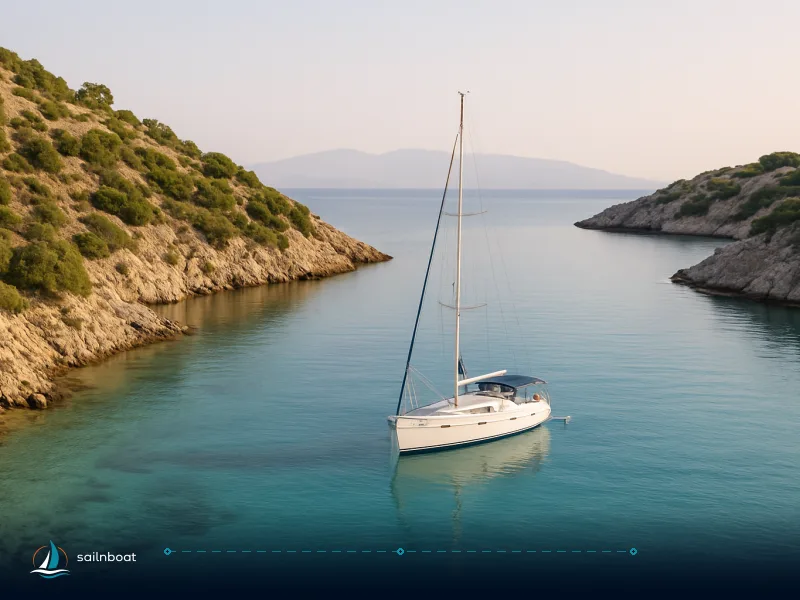
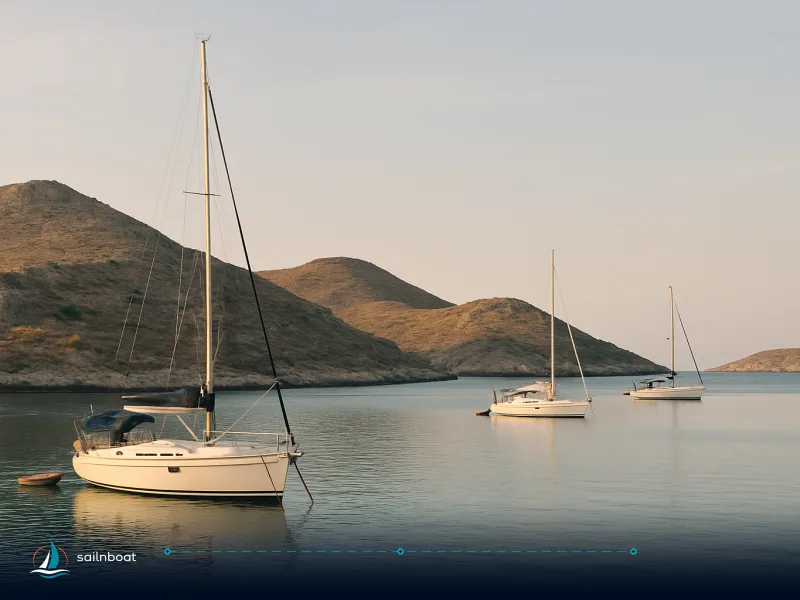
Top Anchorages in the Cyclades: A Sailor's Ultimate Guide
Five Cycladic anchorages that combine reliable holding, clear shelter notes and ashore facilities—Vathi, Kleftiko, Naoussa, Ormos Agios Georgios and Koufonisi—plus wind and safety guidance.

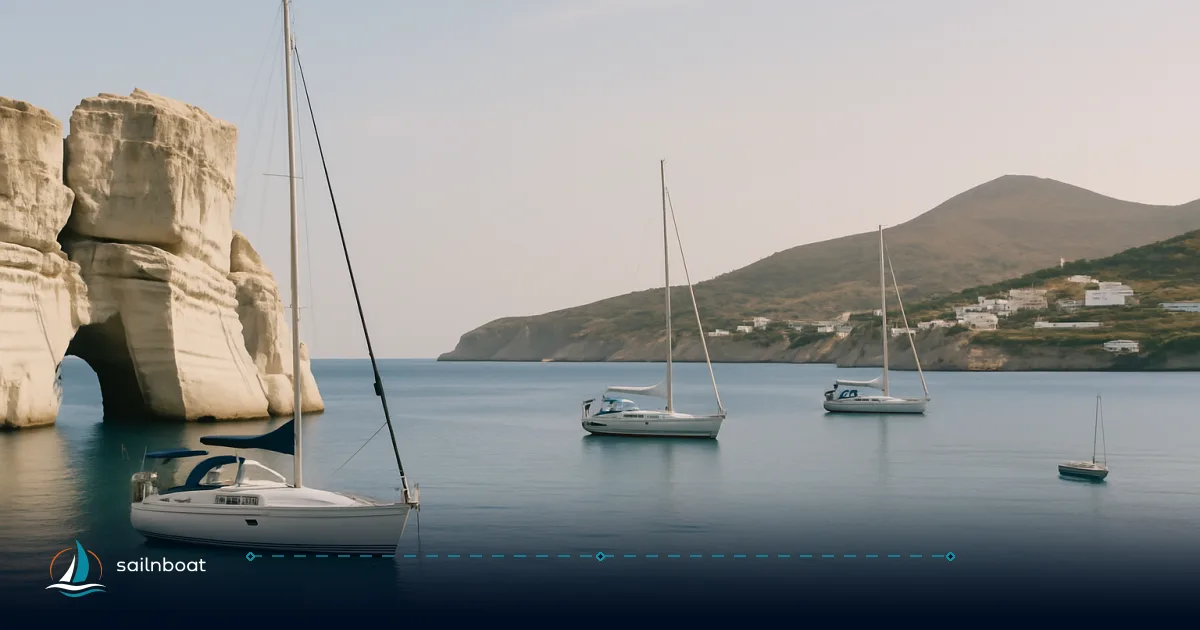
The five anchorages you should know by name for reliable shelter, holding and shore options are Vathi (Sifnos), Kleftiko (Milos), Naoussa (Paros), Ormos Agios Georgios (Antiparos) and Koufonisi (Parianos, Naxos). These Cyclades anchorages give the practical range of depths, sand bottoms and wind protection you’ll use to choose where to stop, when to arrive and how to set your anchor. Below are decision-grade specifics for each site, a comparison table, then notes on facilities, meltemi planning and safety.
Overview of Cyclades Anchorages
Importance for Sailors
- Diverse options: shallow sheltered bays for a calm night, larger bays for provisioning and fuel, and scenic anchorages for daytime visits.
- Strategic staging: pick anchorages that match the wind quadrant and your next leg to avoid long motors in adverse conditions.
Top Five Anchorages in the Cyclades
Below are concise, actionable briefs for each anchorage: depth, bottom, holding, wind exposure, facilities and any hard restrictions you must respect.
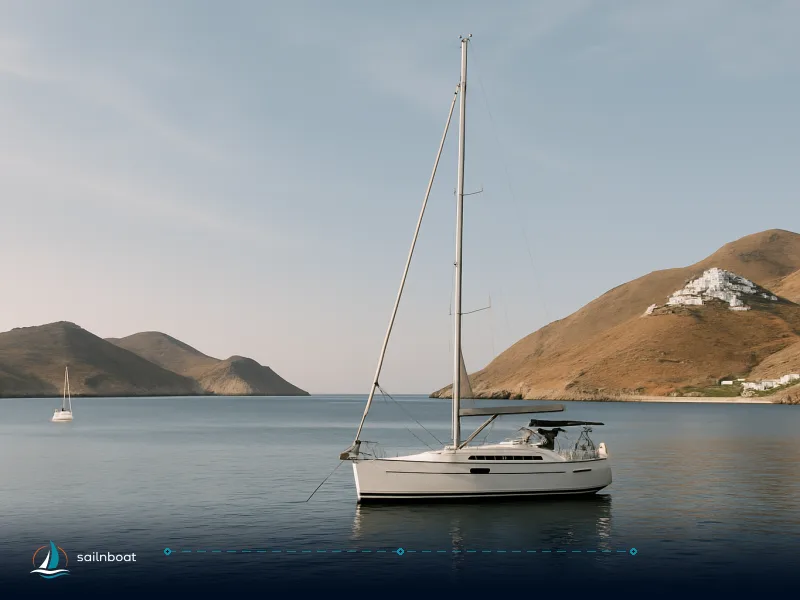
Vathi Bay, Sifnos
- Depth: 3–5 m over sand; good holding in sand patches.
- Shelter: Very well sheltered in most conditions, including the meltemi; specific quadrant shelter/exposure varies and should be confirmed with local guidance.
- Facilities & crowding: Busy at peak times; small tavern with a quay where stern-to is sometimes possible; free anchoring in the bay.
- Practical notes: The bay’s near‑enclosed shape makes it one of Sifnos’ safest overnight options in northerlies — expect gusty hill winds but generally calm water inside the bay. Use a conservative scope (Safety Anchor Alarm guidance suggests ~7:1 in deeper spots).
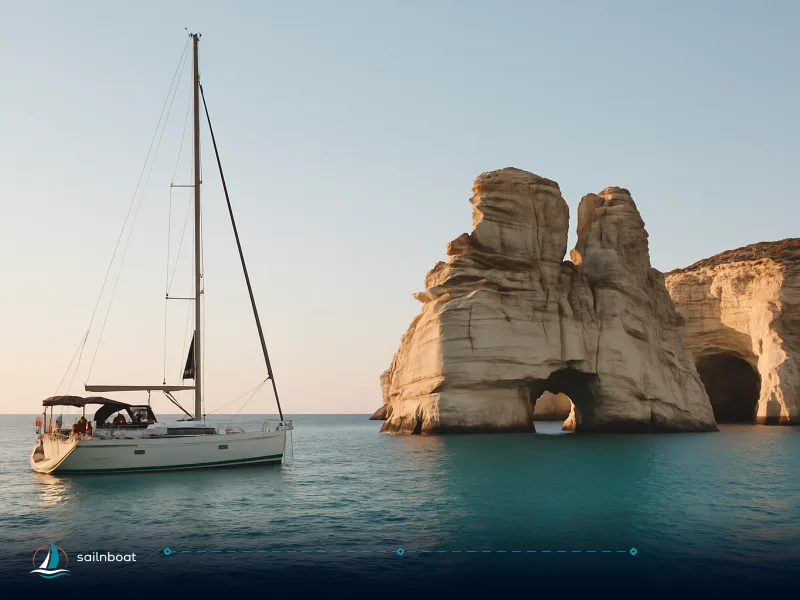
Kleftiko Bay, Milos
- Depth: Reported as moderate (typically suitable for anchoring); bottom composition and holding vary — check with your sounder and visually for sand patches.
- Shelter: Sheltered from N, NW, W and NE; exposed to S, SE and E.
- Facilities & crowding: Very busy with day boats; no services ashore (carry fuel/water). Anchoring is free, but note a legally established safety exclusion: keep at least 25 m clear of cave entrances and cliff bases because of active rockfall risk. Arrive after day-boat traffic (late afternoon) for quieter overnight stays.
Naoussa Bay, Paros
- Depth: 5–12 m (Agios Ioannis inner anchorage 5–6 m typical; outer reaches deeper).
- Shelter: Best shelter from W, SW, S and SE; exposed to N, NE and NW (the bay has significant north-facing fetch).
- Facilities & crowding: Very busy in July–August; restaurants and provisioning in the village; fuel available (marina / fuel by truck — call ahead). Free anchoring in parts of the bay; marina berths and moorings are available for a fee and should be booked in high season.
Ormos Agios Georgios, Antiparos
- Depth: 4–8 m over sand; steady, slowly shelving bottom and generally good holding.
- Shelter: Sheltered from N, NW, W and SW; exposed to S, SE and E.
- Facilities & crowding: Quiet compared with the main visitor ports; tavernas with quay access and easy dinghy landings; free anchoring in the bay. Good jumping‑off point for a shore visit to Despotiko (archaeological site).
Koufonisi Harbour (Parianos), Naxos
- Depth: 3–6 m (entrance deeper, inner harbour shallower).
- Shelter: Protected from N, NW, W, NE, S and SW; exposed to E and SE.
- Facilities & crowding: Busy in summer but compact; water and electricity are reported on the quay, restaurants in the village; fuel is not available in the harbour (nearest resupply on neighbouring islands). Anchorage is free; small harbour berth fees may apply (€5–15/night typical for a stern-to or berth in high season). Tight manoeuvring for boats >12 m — plan arrival and stern-to arrangements with the harbourmaster.
Quick comparison table
| Anchorage | Depth (m) | Bottom | Sheltered from | Exposed to | Key ashore facilities |
|---|---|---|---|---|---|
| Vathi (Sifnos) | 3–5 | sand | well sheltered in most conditions | varies | Tavern, quay (stern-to sometimes), free anchoring. |
| Kleftiko (Milos) | variable | mixed | generally sheltered from north and west; exposed to southerly swells | check locally | No services; heavy day-boat traffic; 25 m exclusion zone from caves. |
| Naoussa (Paros) | 5–12 | sand, weed | W, SW, S, SE | N, NE, NW | Restaurants, provisioning, fuel by marina/truck; moorings/berths (fees). |
| Agios Georgios (Antiparos) | 4–8 | sand | N, NW, W, SW | S, SE, E | Quiet tavernas, dinghy landings, access to Despotiko. |
| Koufonisi (Parianos) | 3–6 | sand | N, NW, W, NE, S, SW | E, SE | Tavernas, water/electricity on quay, small harbour fee possible. |
Facilities and Amenities at Anchorages
Dining Options
- Most of these anchorages have at least one taverna or waterfront restaurant within easy dinghy range (Vathi, Naoussa, Agios Georgios, Koufonisi). Naoussa’s waterfront offers the largest restaurant scene and is the best single choice if an evening ashore is a priority. Expect high-season queues; arriving by boat earlier in the afternoon secures easier tender access.
Fuel and Supplies
- Fuel presence varies: Naoussa can supply fuel (truck service to yachts or marina refuelling by arrangement); many scenic sites (Kleftiko, Koufonisi) have no fuel — carry reserves or plan refuelling at Adamas (Milos), Parikia/Naoussa (Paros) or Naxos. Provisioning is easiest at Naoussa and Koufonisi; Vathi and Agios Georgios are limited and sometimes seasonal. Expect fuel-by-truck or marina delivery at larger ports; call ahead 1–2 hours if you need a fuel truck.
Navigating Wind Conditions and Safety
Understanding the Meltemi Winds
- The meltemi (etesian) is the dominant northerly wind in the Aegean from late spring through early autumn and typically peaks in July–August. During peak meltemi episodes wind speeds of 20–35 knots are often reported in exposed channels; lighter, more manageable conditions are common in May–June and September. Plan routes and daily legs to stay on the lee side of islands when the forecast shows a northerly regime.
Practical planning:
- If forecasts show sustained northerlies, head for bays that are protected from N/NW (Vathi, Koufonisi, Kleftiko’s lee sectors) or move into an organised marina. Expect the meltemi to strengthen in the afternoon and often die back overnight; local gusts descending from hills are common — tighten fenders and check stern lines before sleeping.
Safety Regulations and Local Restrictions
- Kleftiko: a legally instituted safety exclusion requires vessels to keep clear of cave entrances and cliff bases (25 m exclusion) because of active rockfall risk. Observe official notices and charted exclusion zones.
- Posidonia (seagrass) meadows are protected across Greece; anchoring on them damages habitat and can be subject to fines or local restrictions. Prefer sandy patches and pre-identified anchoring zones; local authorities and protected-area managers publish maps for sensitive zones.
- Harbourmaster / DEKPA practice: many small harbours and marinas allocate berths and may charge small fees in high season; follow harbourmaster directions and treat local mooring operators’ lines with caution (inspect lines before using).
Anchoring best practice (practical steps)
- Approach slowly and check depth and bottom type on your sounder.
- Drop in a sandy patch where possible; avoid weed/Posidonia.
- Use a conservative scope — 6:1 to 7:1 is commonly recommended in these shallow-to-mid depths, increasing scope if wind or current picks up. (Several guides for Cyclades anchorages recommend ~7:1 in typical anchorage depths.)
- Set the anchor with engine astern, back slowly until chain is taut, then give a firm reverse check. Take bearings and set an anchor alarm sized to the expected swing (guides above suggest 45–80 m depending on bay size).
Unique Experiences at Cyclades Anchorages
- Kleftiko, Milos: scenic limestone arches and caves — best visited by dinghy from a safe, legally permitted distance after the day‑trip boats leave; snorkelling and photography at dawn or dusk are standout experiences (but remember the 25 m exclusion zones).
- Naoussa, Paros: night ashore for dinner and a stroll through a compact, lively village; use the marina or an early anchoring slot to secure tender access to the best waterfront restaurants.
- Ormos Agios Georgios / Despotiko, Antiparos: land and walk to the small excavated sanctuary on Despotiko; the combination of easy anchoring and archaeological visiting makes this a unique cultural stop.
- Koufonisi (Parianos): beaches are excellent for tendered swim stops; the village is compact with several tavernas and a relaxed rhythm even in high season.
- Vathi (Sifnos): an enclosed, late-afternoon anchorage widely used to finish the day — good for relaxed swims, beach walks and an easy taverna arrival by dinghy.
Practical trade-offs
- Crowd vs. comfort: Naoussa and Kleftiko are busiest in July–August; they reward early arrivals or late-evening approaches to avoid day-boat traffic.
- Services vs. serenity: Naoussa offers fuel and provisioning; Kleftiko offers spectacular scenery but no services — carry reserves.
- Wind safety vs. scenery: Kleftiko’s cliffs give superb northerly shelter but the anchorage is unsafe in any southerly swell; Vathi is more all‑round sheltered but has limited services.
Plan your voyage around wind forecasts, fuel range and the headroom your crew has for busy harbours. If you anticipate meltemi conditions, choose anchorages that are explicitly sheltered from the forecast quadrant and consider booking a marina berth where available.
Plan your voyage to the Cyclades and explore these anchorages.
Frequently Asked Questions
The five anchorages to prioritise are Vathi (Sifnos), Kleftiko (Milos), Naoussa (Paros), Ormos Agios Georgios (Antiparos) and Koufonisi (Parianos, Naxos); each offers good sand holding and distinct shelter characteristics for different wind quadrants.
Depths at these five anchorages typically range from about 3 m up to 12 m: Vathi 3–5 m, Kleftiko 4–8 m, Naoussa 5–12 m, Agios Georgios 4–8 m, Koufonisi 3–6 m.
Expect tavernas at Vathi, Naoussa, Agios Georgios and Koufonisi; fuel is reliably available at Naoussa (marina/truck service) but not at Kleftiko; some small harbours charge modest berth fees in high season.
Vathi and Koufonisi provide very good shelter from northerlies; Naoussa shelters best from W/SW/S/SE; Kleftiko is sheltered from N/NW; Agios Georgios shelters from N/NW/W/SW — choose based on the wind quadrant forecast.
Yes: some areas prohibit anchoring for safety or conservation (for example Kleftiko has a 25 m safety exclusion around caves), and Posidonia meadows are protected — fines or restrictions apply locally.
The etesian or meltemi season runs from late spring through early autumn and peaks in July–August; for lighter, more reliable conditions choose May–June or September.
Snorkelling in the caves at Kleftiko (from a safe distance), dining ashore in Naoussa’s waterfront tavernas, visiting Despotiko from Agios Georgios, quiet beach time at Koufonisi and the sheltered, late-afternoon anchoring culture of Vathi.
Written by
Sailnboat Editorial
The Sailnboat editorial desk covers yacht and boat chartering worldwide — routes, bases, seasons, boat types, paperwork and the practical costs that decide a trip. We are a charter marketplace, not a boat owner or a local agency: what we sell is judgement and support, so our guides are written to help you make a decision, not to sell you a specific boat. Every guide is checked against live operator and marina data before it goes out.
Fact-checked against live operator and marina data, and published under our editorial standards. Last reviewed: .