Hidden Coves Near Athens: Top Anchoring Spots Revealed
Compact guide to the best hidden coves near Athens for anchoring, with shelter, holding, depth ranges and local must‑knows for Agistri, Aegina, Poros, Dokos and Kythnos.

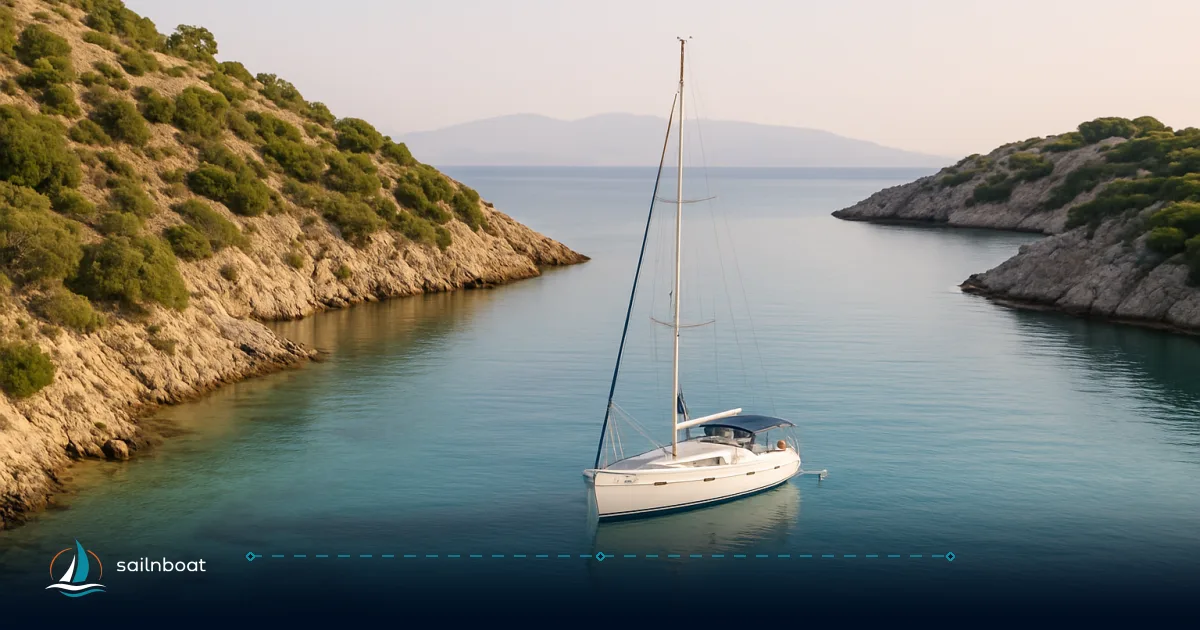
If you're looking for quiet anchorages within an easy cruise of Piraeus, the best hidden coves near Athens sit in the inner Saronic Gulf and the nearby western Cyclades — Aponissos and south bays on Agistri, Vagia and Perdika on Aegina, Love Bay on Poros, Skintos Bay on Dokos, plus Kolona and Episkopi on Kythnos.
Top Hidden Coves Near Athens
Below are the coves I routinely recommend to clients leaving from Alimos / Piraeus or Lavrion. Each entry covers shelter, holding, depth bands you can expect, and nearby facilities.
Agistri — Aponissos / Agistri South
- Shelter: Good protection from most northerly and northeast winds provided by the bay shape and nearby islets; exposed to strong southerlies.
- Depth & holding: Anchoring is often in 5–8 m depending on the spot, with sandy patches providing reliable holding; some areas may be deeper, so approach slowly and pick pale sand patches.
- Facilities: Limited — a seasonal beach bar at Aponissos and small tavernas; Skala (Agistri town) has the nearest supplies and water.
- Why go: Emerald water and pine fringe; excellent for afternoon swims and snorkelling away from Aegina’s busier quays.
Aegina — Vagia and Perdika
- Vagia (north coast): Shelter and depth — a quiet northern beach with shallow-to-moderate depths (anchoring usually in 4–6 m over sand/pebble), moderate holding in sand but watch for swell and submerged rocks near the head. Facilities include small beach bars and a handful of hotels and tavernas ashore.
- Perdika (south coast): Shelter and depth — a protected fishing-harbour anchorage often used for overnighting; anchor outside the quay in sand/mud at roughly 4–8 m with good holding; sheltered from N/NE but exposed to southerly swell. Small quay berths and several tavernas ashore.
Poros — Love Bay (Vathi)
- Shelter: A nearly circular pine‑fringed cove, sheltered from prevailing NE thermals and most northerlies but open to southerly swell.
- Depth & holding: Clean sand bottom with reliable holding, typical depths 4–9 m; widely used for overnight stops. Mooring buoys are sometimes laid in July–August.
- Facilities: Seasonal beach bar, short dinghy to shore to reach tavernas in high season. Highly scenic — popular midday and evenings in peak months.
Dokos — Skintos / North Bay
- Shelter: One of the most sheltered, remote anchorages in the Saronic; the island is almost exclusively used as an anchorage and is well‑protected from northerlies.
- Depth & holding: Depths and holding vary; solitude and lack of services are typical, but confirm depths and bottom on approach. Choose the central bay to avoid steep shoals.
- Facilities: None — water, provisioning and fuel require a return to Poros or the Peloponnese. Ideal for crews wanting solitude and good night‑time protection.
Hydra — Mandraki and smaller southern coves
- Shelter: Mandraki (west of Hydra Town) offers reliable anchorage away from the ferry wash in the town; smaller coves (Agios Nikolaos, Agios Georgios) provide quieter shelter depending on wind direction.
- Depth & holding: Depths and holding vary in the preferred bays; sand or sand/weed bottom is common, but check depths and holding on approach — avoid areas with submerged rock ledges.
- Facilities: Hydra town has full services; Mandraki and the quieter bays are dinghy distance from tavernas and shops.
Kythnos — Kolona and Episkopi (Loutra side)
- Shelter: Loutra and Episkopi provide good protection from the westerly meltemia and are popular sheltered anchorages; Kolona is a unique sandbar/tombolo anchorage that can be shallow and exposed to certain directions.
- Depth & holding: Local guidance recommends anchoring in the 5–6 m band in many Kythnos bays (Episkopi, Agia Irene); sand bottoms give good holding if you stay off the very shallow shoreline.
- Facilities: Loutra has a marina and thermal springs; Merichas (main port) offers provisioning and fuel.
Quick comparison table (at-a-glance)
| Cove / Island | Typical anchoring depths (m) | Bottom / holding | Shelter (prevailing winds) | Nearby facilities |
|---|---|---|---|---|
| Aponissos (Agistri) | 5–8 (typical) | Sand; good where sand present | Good from N/NE; exposed to S | Beach bar, tavernas at Skala. |
| Vagia (Aegina) | ~4–6 typical for anchoring. | Sand/pebble; fair holding; watch rocks | Moderate; open to swell from some directions | Beach bars, small hotels. |
| Perdika (Aegina) | 4–8 (outer anchorage) | Sand/mud; good holding | Sheltered from N/NE; exposed S/SW | Taverns, limited quay space; dinghy ashore. |
| Love Bay / Vathi (Poros) | 4–9 (excellent sand) | Clean sand; excellent holding | Sheltered from NE/most thermals; exposed S | Seasonal beach bar; short dinghy to amenities. |
| Dokos (Skintos Bay) | Depths vary; check on approach | Sand/mud; holding varies | Very sheltered from NW–NE; exposed to S SW swell | None (no services ashore). |
| Kolona / Episkopi (Kythnos) | ~5–6 recommended in many anchorages | Sand; good in sandy patches | Loutra/Episkopi sheltered from westerlies; Kolona shallow | Loutra marina, Merichas port for provisioning. |
Practical Details for Each Cove
Shelter and holding — how to choose the exact spot
- Read the wind: the Saronic’s geography tends to shelter inner coves from the full force of the meltemi; however local thermals and sea breezes (often a W/SW thermal in the afternoon) commonly build by mid‑day and can chop exposed anchorages. If a forecast calls steady northerlies, prefer eastern-facing bays; if southerly swell is forecast, don’t anchor in coves that open to the south.
- Holding: sand and sand/mud give the most reliable holding (Rocna/Spade-style anchors set quickly). Avoid anchoring on dense, dark seagrass patches — these are often Posidonia and designated as sensitive habitat in EU/Natura frameworks. If you suspect seagrass, move to a pale sand patch.
- Scope & stern lines: plan 5–7:1 scope for a calm night, more if wind is forecast to rise; in some narrow coves consider a stern line ashore where permitted and safe to do so (use a large rock or proper bollard — don’t tie to vegetation). Many local skippers recommend carrying 60–75 m anchor alarms in popular bays to allow for expected swing.
Depth considerations by vessel size
- Day stops / lunch anchor: yachts and catamarans commonly anchor in 3–6 m for easy stern swimming and secure holding. Longer-keeled yachts or heavy-masted cruisers should pick sand pockets in 5–8 m. Dokos and deep pockets near Agistri may have 8–12 m where heavier boats still anchor but will need more chain. Use your depth sounder on approach and pick a pale seabed.
Safety Considerations and Local Regulations
Safety tips
- Anchor alarm and routine checks: set a conservative GPS anchor alarm (60–75 m in busy bays) and take bearings to fixed points ashore after setting. Re-check your set after any gusts and before going to sleep.
- Watch the winds: in the Saronic the worst surprises come from a sudden line‑up of thermal winds or a southerly swell; always have a clear escape route and a second harbor (Poros, Aegina or a mainland port) in mind if conditions back.
- Night anchoring etiquette: avoid anchoring directly in front of beach bars or swim zones; keep radio watch if you expect ferries or fast day‑boats. Many popular coves get crowded at lunchtime — plan to arrive earlier or later to secure clear swing room.
Local regulations & environmental rules
- Posidonia and protected zones: Greece does not have a single nationwide anchor ban over Posidonia meadows in the same way some countries now do, but Posidonia is a protected habitat under EU law and some marine parks/municipalities have local rules and mooring‑only areas. In practice, many Saronic bays are tolerant of free anchoring in sand, while a handful of protected zones use buoy fields or prohibitions — check the local Notices to Mariners and ask your charter base.
- Buoy fields and seasonal swim zones: in July–August some bays place buoys for beach operations or designate day‑time swim zones; buoys may be managed by private operators — using them can be cheaper safer and avoids damage to the seabed.
- Enforcement and fines: enforcement intensity varies locally; national fines for habitat damage can be significant in some Mediterranean jurisdictions, and local authorities or coast guard can issue penalties if you anchor in restricted areas — treat protected patches with the same caution you would anywhere in the Med.
Best Times to Visit These Coves
Seasonal considerations
- Shoulder months (May–June, September–October) are the practical sweet spot — calmer seas, warm water for swimming, and far fewer day‑boats and charter crowds than July–August. Many facilities are fully open in these months. July–August is the busiest period for yachts and day‑boats.
Daily rhythm and crowd avoidance
- Early mornings and late afternoons give the calmest conditions for swimming and the best chances of solitude. Popular coves often fill mid‑day; if you want a truly private night, arrive before 10:30 and choose a sheltered corner rather than the beach head.
Unique Features and Nearby Attractions
- Agistri: compact pine hills and small bars — perfect short hops from Athens for swimmers and snorkellers. Aponissos and Dragonera are well known for clear water.
- Aegina: the Temple of Aphaia is a 20–30 minute shore visit from several anchorages; Perdika’s tavernas are a local highlight for seafood.
- Poros: pine‑fringed Love Bay is postcard‑pretty and close to Poros Town’s clocktower and restaurants — an easy evening ashore.
- Dokos: excellent snorkelling and a protected diving site with ancient wreckage; solitude is the main draw.
- Kythnos: thermal springs at Loutra, long sandy beaches at Episkopi, and versatile anchorages make Kythnos a useful two‑night stop on longer circuits.
Conclusion: Planning Your Voyage
Final tips
- Pick your base: Alimos, Flisvos/Flisvos Marina or Lavrion give you different first‑leg options — Alimos/Flisvos for short Saronic hops, Lavrion if you want to head to Kea/Kythnos first. Many charter companies will advise the best first stop based on your boat’s draft and crew profile.
- Pack for self‑sufficiency: bring spare water and a provisioning plan for remote stops (Dokos has no services); carry a reliable anchor alarm and 60–75 m of chain/rode available for typical swing radii in crowded bays.
- Respect the seabed: aim for pale sand patches, use mooring buoys where provided, and pick shoulder months if solitude and calmer conditions matter more than guaranteed beach‑bar service.
Plan your next sailing adventure to these hidden coves and match your route to the forecast and crew expectations — the Saronic Gulf’s short hops let you change plan mid‑day if a bay doesn’t suit the wind. Safe sailing.
Frequently Asked Questions
Standouts are Aponissos and the south bays of Agistri; Vagia and Perdika on Aegina; Love Bay (Vathi) on Poros; Skintos Bay (Dokos); Mandraki on Hydra; and Kolona/Episkopi on Kythnos.
Expect sand bottoms and depths from roughly 3–12 m depending on the bay: many Saronic coves anchor between 3–8 m; Dokos and deeper pockets can reach 8–12 m; Kythnos anchorages are often recommended at ~5–6 m.
Facilities vary: Perdika and Poros have tavernas, seasonal buoys and water/town services nearby; Agistri and Kythnos offer limited tavernas and small marinas; Dokos has almost no services.
Watch seasonal winds (meltemi/afternoon thermals), avoid anchoring on Posidonia seagrass where protected, obey local swim-zone and buoy restrictions, and keep an anchor alarm for typical 60–75 m swing radii in crowded bays.
Late spring (May–June) and early autumn (September–October) offer the best balance of calm seas, warm water and noticeably fewer boats than July–August.
Temple of Aphaia on Aegina, pine‑fringed beaches and tavernas in Poros and Agistri, Hydra’s car‑free village and architecture, and Kythnos’ thermal springs at Loutra are all within easy reach.
Written by
Sailnboat Editorial
The Sailnboat editorial desk covers yacht and boat chartering worldwide — routes, bases, seasons, boat types, paperwork and the practical costs that decide a trip. We are a charter marketplace, not a boat owner or a local agency: what we sell is judgement and support, so our guides are written to help you make a decision, not to sell you a specific boat. Every guide is checked against live operator and marina data before it goes out.
Fact-checked against live operator and marina data, and published under our editorial standards. Last reviewed: .