Ionian Sea Sailing Adventure: Exploring Hidden Gems
A hands‑on guide to an Ionian Sea sailing adventure that focuses on quiet anchorages, authentic island food and decision‑grade itineraries with GPS positions and distances.

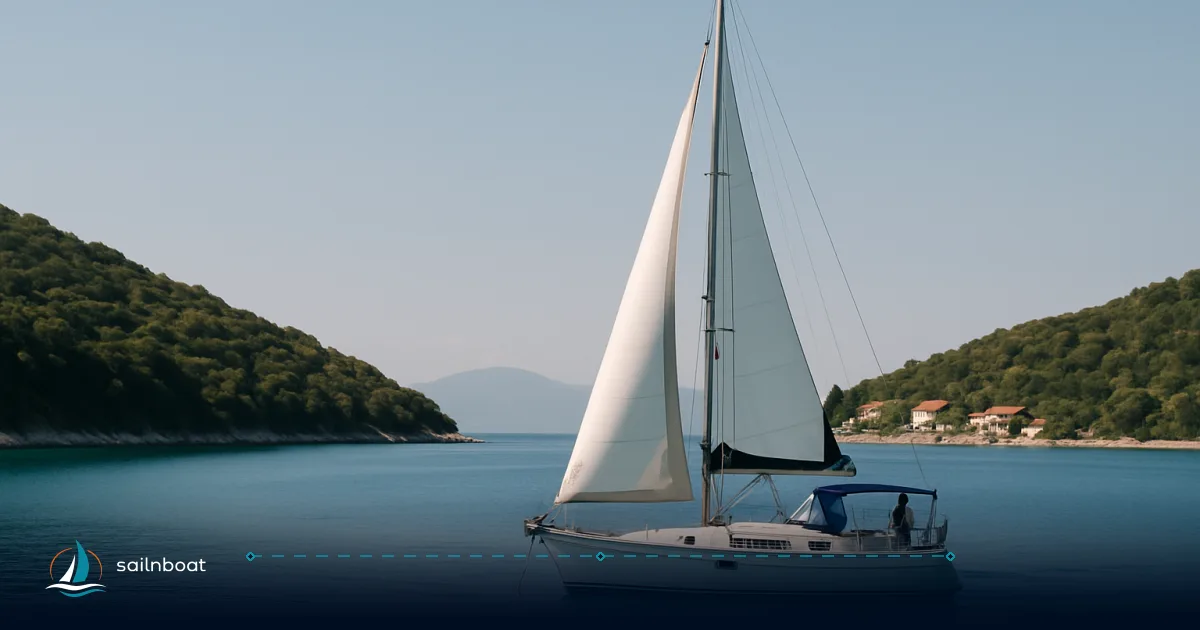
Expect predictable northwest (Maistro) afternoon winds, compact legs (often under 20 NM), and a mix of tiny tavernas and village festivals that reward an extra night ashore; the sections below list anchorages with coordinates, sample itineraries, food recommendations and clear rules for responsible sailing.
Secluded Anchorages in the Ionian Sea
The Ionian’s clustered islands make true solitude possible without long passages. Below are anchorages I recommend when you want calm nights, good holding and an authentic shore scene. Positions and depth ranges are taken from recent cruising guides and skipper reports — use them as operational starting points and always cross‑check your chartplotter and latest Notices to Mariners before dropping the hook.
Top Hidden Coves
-
Meganisi — Spartochori (Spilia)
-
GPS: 38°39.7′N, 20°47.9′E (38.6617 N, 20.7983 E).
-
Depth/holding: typically 3–6 m over mud/sand; comfortable for most mono‑hulls and cats when sheltered behind the headland. Good quay and small marina options ashore if you prefer a berth.
-
Meganisi — Porto Spilia / Vathi (main bay)
-
GPS near Atherinos port ~38°39.692′N, 20°47.928′E (chart position varies by datum).
-
Depth: commonly 3–5 m; well‑protected and a reliable first night on or off crewed charters.
-
Atokos — One House Bay / Cliff Bay (private, uninhabited island)
-
GPS (example anchorage): 38°28.8′N, 20°49.4′E (various bays around the east/south coasts).
-
Depth/holding: expect 5–15 m; sand patches give good holding but beds of Posidonia and deeper sections mean you should find a sand patch and set long scope. These anchorages are recommended only in calm conditions because Atokos is exposed to stronger winds.
-
Kalamos — Port Leone (ghost village bay)
-
GPS (approach): around 38°35.8′N, 20°54′E (Port Leone) with other good spots at the village pier (Port Kalamos).
-
Depth/holding: anchoring in 7–15 m with sand/mud bottoms is common; many crews take a long line ashore to the ruined quay for extra security. The bay is quiet overnight but exposed to northerlies — choose lee spots.
-
Paxos/Antipaxos — Voutoumi (Antipaxos)
-
GPS: roughly 39°09.0′–39°09.7′N, 20°13.4′–20°14.2′E (sources vary by minute).
-
Depth/holding: shallow at the head (sandy bottom), typically suitable for anchoring off the beach in moderate numbers; Voutoumi is famous for swimming but offers limited overnight shelter in strong NW gusts.
Operational notes on anchorages
- Anchor into sand patches where possible; both Posidonia meadows and rocky bottoms reduce holding and are environmentally sensitive. Aim for 3–15 m depending on the bay — the ranges above reflect typical options but will vary inside the same bay.
- If a bay looks crowded or shows many anchor chains sweeping, pick a different cove or stern‑to on a restaurant quay if permitted; many tavernas in Sivota, Gaios and Fiskardo offer free stern‑to with refreshments.
Cultural Experiences on Lesser‑Known Islands
The Ionian’s quieter islands keep seasonal traditions that are easiest to catch if you plan an extra shore day. Below are reliable cultural hooks and where to find them.
Cultural Highlights
-
Paxos (Gaios, Lakka, Magazia) — olive oil and village food culture
-
What to expect: small olive‑press museums, family producers and tavernas serving fresh fish and local olive oil; Gaios is the island’s hub for restaurants and evening life. Paxos also supports a modest local wine scene and small vineyards that run tastings by appointment.
-
Antipaxos — beach culture and small, seasonal food stalls
-
What to expect: no deep cultural calendar, but seasonal pop‑up restaurants and the chance to sample local wines and simple mezze near Voutoumi or Vrika; the island is primarily a day‑trip/swim stop.
-
Ithaca (Ithaki) — Homeric heritage and contemporary arts
-
What to expect: local storytelling tied to Homeric tradition, museum exhibits and a lively theatre programme in late summer and early autumn; cultural festivals and theatre weeks (dates shift year to year). The Ithaca Theatre Festival and related Odysseia events run at specific times — check local listings before you plan to coincide your visit.
-
Kefalonia villages (Assos, Fiskardo) — local fêtes and tavernas
-
What to expect: village religious feast days (panigiria) and food stalls in summer; Argostoli and Fiskardo have more organised events and a stronger restaurant scene for tasting regional specialties.
Timing and trade‑offs
- Festivals often move dates; allow flexibility. If culture is the priority, plan inshore days rather than long passages — that gives you time to attend a single evening festival or a morning olive‑press visit without rushing.
Sailing Itineraries to Discover Hidden Gems
Below are two compact itineraries that keep daily passages short, prioritise sheltered anchorages and leave a buffer for rest or weather. Distances are straight‑line leg estimates used by charter operators and published sample routes; times use a typical charter cruising average (6–7 kt under sail/motor). Where operators list different legs, I list the most commonly published figures.
Sample 5‑day loop (North Ionian base: Sivota / Lefkada)
| Day | From → To | Distance (NM, approx) | Typical time (6–7 kt) |
|---|---|---|---|
| 1 | Sivota → Meganisi (Vathi/Spartochori) | 9–12 NM | 1.5–3 hrs. |
| 2 | Meganisi → Atokos (One House Bay) | 8–12 NM | 1.5–2.5 hrs. |
| 3 | Atokos → Kalamos (Port Leone) | 8–10 NM | 1.5–2 hrs. |
| 4 | Kalamos → Kastos / Ithaca (Frikes / Kioni) | 10–20 NM (route options) | 2–4 hrs depending on route. |
| 5 | Return to Sivota (via Fiskardo optional) | 10–25 NM | 2–4+ hrs (weather dependent). |
Sample 8‑day cultural circuit (Paxos & S island loop)
- Day 1: Preveza/Lefkas → Paxos (Gaios) ~30 NM (early start; may split) — overnight quay or anchorage.
- Day 2: Gaios → Antipaxos (Voutoumi) ~3–6 NM; swim and beach tavernas.
- Days 3–4: Slow hop to Corfu/return via small coves or spend nights in Lakka/Loggos.
Planning notes and speed calibration
- Charter operators commonly calculate times assuming 6–7 kt cruising; motor yachts and faster passages change the ETA proportionally. Sample legs above come from published operator itineraries and local charter brochures; use the table as a planning baseline but add time for manoeuvring, provisioning and an afternoon swim.
Local Cuisine to Experience on the Islands
Eat where the locals gather: small harbour‑front tavernas, family farms and occasional inland kafeneia. Below are island-specific dishes and where you’re most likely to find them.
-
Paxos / Gaios — olive oil, fresh seafood, simple mezze
-
Try: fresh fish plates with island olive oil, grilled octopus, fava purée; best in Gaios waterfront tavernas and small inland tavernas in Magazia.
-
Kefalonia (Fiskardo / Assos) — kreatopita and Robola wine
-
Try: kreatopita (Kefalonian meat pie), octopus pie and Robola white wine; Assos and Fiskardo tavernas are reliable spots for local recipes.
-
Corfiot influences (Corfu, Paxos area) — sofrito, pastitsada, bourdeto
-
Try: sofrito (garlic‑white wine veal), pastitsada (spiced meat with pasta) and bourdeto (spicy fish stew) in family tavernas on Corfu and in Paxos restaurants that follow Corfiot traditions.
-
Kalamos / Meganisi — grilled fresh fish, seafood souvlaki, simple salads
-
Try: the daily catch prepared simply; George’s Taverna (Kalamos) and small Meganisi tavernas are the local dock‑to‑table options.
Where to find producers and tastings
- Paxos has a small wine/olive‑oil scene with producers offering tastings by appointment; look for local vineyards and the Olive Press Museum in Gaios for a short visit. For genuine tastings, book ahead in high season.
Responsible Sailing Practices
Protecting the Ionian’s clear water and seagrass is practical seamanship as well as stewardship. These are the behaviours that make a difference and keep anchorages open to visitors.
Practical rules for your crew
- Never anchor into dark Posidonia meadows; choose sand patches and set a scope of at least 5:1–7:1 depending on depth and conditions. Use the chart and visual inspection while backing down slowly to confirm the bottom type. Posidonia scars take decades to heal.
- Use ecological mooring buoys where provided (many protected bays and some MPAs have them) rather than anchoring; marinas and local authorities will point them out.
- Carry all rubbish ashore and use port reception facilities; avoid single‑use plastics and reef‑damaging sunscreens when swimming in shallower bays.
- Respect local restrictions — seasonal or temporary exclusion zones, monk seal or turtle protection areas, and local port orders can close anchorages or limit approaches. Check local Notices to Mariners and the port authority on arrival.
Charter and local practice notes
- Many charter companies and local harbormasters will explicitly refuse to accept anchors set in Posidonia for liability and conservation reasons — accepting that guidance keeps you out of disputes and fines. Treat mooring instructions from the berth or port authority as operational orders, not suggestions.
Weather Considerations for Your Sailing Adventure
Expect a different rhythm in the Ionian compared with the Aegean: calmer seas and a reliable NW thermal make afternoon runs pleasant — but local funnels and channels can amplify winds.
Seasonal summary
- Summer (June–September): predictable Maistro/sea‑breeze from the NW, typically 10–20 knots in the afternoon; mornings are often glassy, so early short hops or long swims are feasible.
- Spring & Autumn (April–May, October): lighter, more variable breezes (often 6–15 knots); these shoulder months give fewer crowds and easier anchorages but require more careful weather watching.
- Winter: stronger, more changeable systems and occasional storms — generally unsuitable for relaxed chartering unless you’re experienced and properly prepared.
Local micro‑effects
- Narrow straits and channels (between Lefkada–Meganisi or around high cliffs) can funnel winds and spike speeds beyond the regional average; always check local forecasts and plan alternate lee anchorages if the afternoon builds.
Final practical checklist before you leave
- Latest weather and sea forecasts, up‑to‑date electronic charts and Notices to Mariners; a paper chart of your route; adequate anchor (weight + chain) for 3–15 m depths; fresh water and fuel margin for at least one extra day; a plan B anchorage per day; and a local contact number for the port authorities at your intended overnight. A short pre‑departure briefing with the crew that assigns helm, anchor watch and tender duties reduces the chance of mistakes.
Plan your Ionian Sea sailing adventure deliberately: pick short legs, prioritise sand anchoring and small village tavernas, allow spare days for weather or festivals, and treat the islands and seagrass with the respect they deserve. Happy passages — the Ionian’s quiet bays reward patience and good seamanship.
Frequently Asked Questions
Quiet choices include Spartochori (Meganisi) for sheltered evenings, One House Bay/Cliff Bay on Atokos for isolation, Port Leone (Kalamos) for atmospheric anchoring, and Voutoumi (Antipaxos) for crystal-clear swimming; coordinates and depth ranges are in the anchorages section.
Paxos (Gaios and inland olive-press traditions), Ithaca (Homeric storytelling and a lively theatre programme), small Kefalonian villages (local pies and seasonal festivals) — see the cultural section for specifics and timing notes.
Use compact legs (typical 6–15 NM), plan for afternoon NW winds, reserve at least one rest/shore day per 3–4 sailing days, and use the sample 5‑ and 8‑day itineraries (with distances and estimated times) in the article.
Try Paxos and Ionian seafood plates and local olive oil in Gaios, Kefalonia’s kreatopita (meat pie), Corfiot sofrito and bourdeto, and simple taverna grilled fish in Kalamos or Meganisi.
Avoid anchoring on Posidonia meadows, use marked moorings, carry out all rubbish, limit overnight shore landings in fragile coastal habitats and comply with local Port Authority notices and Natura 2000 rules.
Written by
Sailnboat Editorial
The Sailnboat editorial desk covers yacht and boat chartering worldwide — routes, bases, seasons, boat types, paperwork and the practical costs that decide a trip. We are a charter marketplace, not a boat owner or a local agency: what we sell is judgement and support, so our guides are written to help you make a decision, not to sell you a specific boat. Every guide is checked against live operator and marina data before it goes out.
Fact-checked against live operator and marina data, and published under our editorial standards. Last reviewed: .