Top 5 Family-Friendly Sailing Routes in the Ionian Sea
Five short, sheltered sailing routes in the Ionian Sea designed for families: Corfu–Paxos, Paxos–Antipaxos, Lefkada–Meganisi, Ithaca–Kefalonia and Zakynthos–Kastos, with practical stops and safety tips.

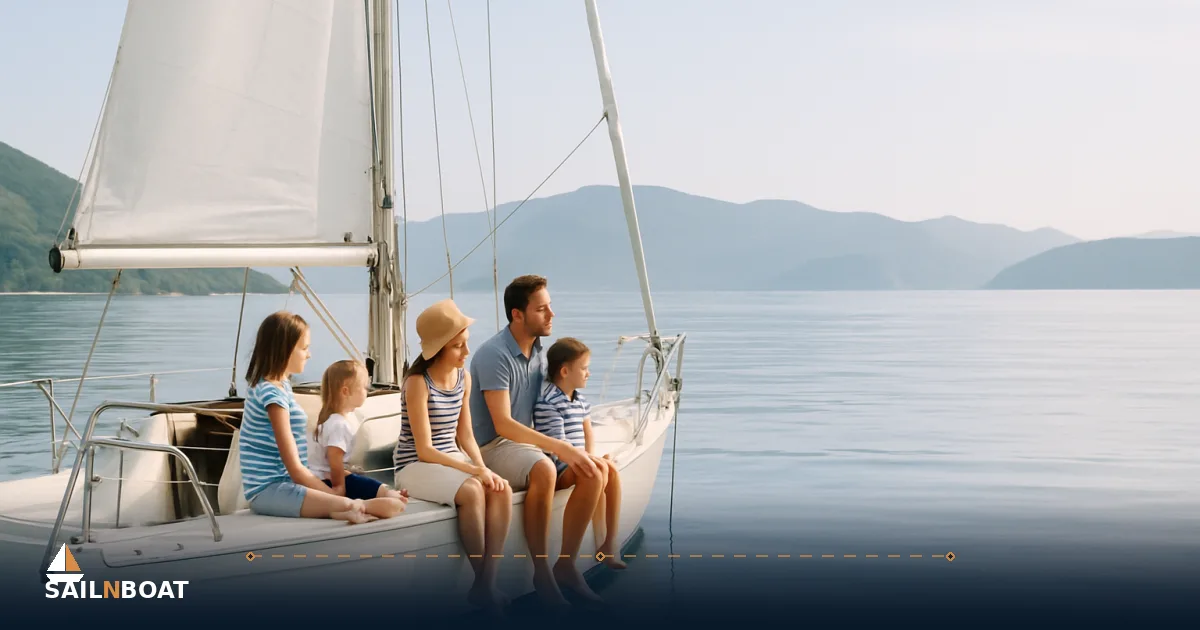
The five family-friendly sailing routes in the Ionian Sea collected here are compact, sheltered and chosen for short day-hops, calm anchorages and simple onshore attractions — exactly what you want if you’re sailing with children. These routes (Corfu–Paxos; Paxos–Antipaxos; Lefkada–Meganisi; Ithaca–Kefalonia; Zakynthos–Kastos) prioritise sheltered bays, marinas with basic services and short passages so you spend more time ashore or anchored than on long open-water crossings. Practical route notes and safety checks follow so you can pick the right base and plan realistic days at sea.
Overview of Family-Friendly Sailing in the Ionian Sea
Why choose the Ionian Sea?
- Calm, sheltered waters: The Ionian is widely regarded as gentler than the Aegean — winds are often moderate and afternoon breezes predictable, which makes it easier for family crews to plan short passages.
- Short distances between islands: Typical legs on family routes are short — many daily hops fall in the 3–15 nautical mile range, although some long days (depending on your base) reach 30–33 NM. That keeps single-day passages to a comfortable duration for children.
- Good marina and anchorage options: The Ionian has well-developed marinas (Gouvia/Corfu, Fiskardo/Kefalonia, Lefkas/Nidri area) plus countless sheltered bays where you can anchor stern-to or use local taverna pontoons — useful when you want a short walk ashore and simple facilities.
How to use this guide
- Each route below lists realistic distances per leg (sourced), the safest overnight harbours or anchorages for families, and two or three child-friendly activities per stop so you can plan each day before you leave the dock.
Route 1: Corfu to Paxos
Itinerary overview
- Typical sailing distance: planning from the main Corfu bases (Gouvia or Corfu Town) to Gaios, Paxos, will usually be a longer day-sail — commonly shown as about 30–33 NM from Corfu Town/Gouvia depending on exact start point; if you base from south Corfu (Lefkimmi area) the leg shortens. Plan this as a full day or split the voyage with an overnight at a midway anchorage if you prefer brief passages.
- Recommended stops: Gouvia Marina (start/return), Paleokastritsa or Mourtos for a short swim en route, then Lakka or Gaios on Paxos for overnight. Many crews combine this with Sivota or Parga on the mainland depending on wind and time.
Family-friendly activities
- Corfu Town: a short walk from many marinas to old Venetian fortifications, a kid-friendly seaside promenade and simple pastry shops — good for an arrival evening.
- Lakka and Gaios (Paxos): sheltered, shallow swimming coves within minutes of the quay, easy boat trips to sea caves and many family tavernas on the waterfront where children can eat early and efficiently.
- Blue caves and Antipaxos day trips: Paxos is the launch point for short boat trips to sea caves and for a quick excursion to Antipaxos’s beaches (Voutoumi/Vrika) that younger children tend to enjoy for calm water swimming.
Practical note: if you prefer to avoid a long open-water day from Corfu, consider overnighting at Parga or Sivota to split the journey — many charter providers show these as sensible waypoints.
Route 2: Paxos to Antipaxos
Itinerary overview
- Typical sailing distance: very short — Paxos (Gaios) to Antipaxos is commonly about 3 nautical miles from the Paxos harbours, making this an ideal half-day or even short-morning hop for families.
- Ideal use: a single easy day for swimming, snorkelling and a quiet beach lunch, then back to Paxos for the night.
Family-friendly activities
- Voutoumi and Vrika beaches (Antipaxos): shallow, clear water and easy beach landings by tender; both beaches are boat-only access and perfect for relaxed swimming and snorkel sessions with children. Arrive early in high season to avoid crowding.
- Short snorkel and paddleboarding: the tiny bays here offer outstanding visibility for rental snorkel gear and short SUP sessions — a low-effort, high-reward morning.
Why this route suits families
- Minimal passage time, rapid access to one of the Ionian’s most family-friendly beaches and an easy turnaround to an established harbour (Gaios) for provisions and dinner make this the least demanding day of the list.
Route 3: Lefkada to Meganisi
Itinerary overview
- Typical sailing distance: Lefkada (Lefkas/Nidri area) to Meganisi is a short crossing commonly listed at ~10–12 NM depending on your exact berth in Lefkada — a comfortable 1–2 hour sail at typical cruising speeds.
- Recommended stops: Porto Spilia and Spartochori on Meganisi; Vathy (main harbour) for provisioning and a stern-to quay with tavernas.
Family-friendly activities
- Spartochori & Porto Spilia: shallow anchorages for easy swimming, small beaches and a short uphill village walk for views — tavernas often provide informal pontoons or mooring in exchange for a meal.
- Vathy: the main port with berthing options and direct access to village shops and bakeries — useful as a one-night buffer when weather or tired kids mean you want to stay put.
Practical tip: Meganisi’s bays have good holding and many crews prefer anchoring stern-to in taverna pontoons for dinner with kids — it’s often cheaper than an organised marina and quicker for an evening ashore.
Route 4: Ithaca to Kefalonia
Itinerary overview
- Typical sailing distance: a standard family leg from Vathy (Ithaca) to Fiskardo (Kefalonia) is usually given in the mid-teens of nautical miles (commonly 14–18 NM depending on route), a solid half-day sail with possibilities to shorten by stopping in smaller bays.
- Key destinations: Vathy (Ithaca) for an easy quay and calm bay; Agia Efimia (central Kefalonia) for beach access and provisioning; Fiskardo (northern Kefalonia) for a reliable family marina and restaurants.
Family-friendly activities
- Myrtos Beach (Kefalonia): a famous white-pebble beach — visually spectacular, with steep access and pebbles; it is often considered better suited for confident swimmers and brief visits rather than all-day toddlers’ play. Keep reef shoes and close supervision.
- Fiskardo village: Venetian-built harbourside streets, bakeries and an easy evening walk; the marina has services and the quay is an easy place to berth children for a quick shore visit. Fiskardo’s quay is an easy place to berth children for a quick shore visit. Practical note: Myrtos has a steep access and pebbles; it’s excellent for photos and older swimmers but not the best all-day toddler beach — choose gradual-slope coves for small children.
Route 5: Zakynthos to Kastos
Itinerary overview
- Typical sailing distance: a direct hop from Zakynthos (Agios Nikolaos/Porto Vromi area) north to Kastos is sometimes described as a relatively short hop, but the exact distance varies depending on your route and stops; crews often break the trip into two shorter legs.
- Stops to consider: Agios Nikolaos (Zakynthos) or Porto Vromi for a calm departure, a midway swim stop off Kefalonia’s west coast or near the island of Kalamos, and Kastos harbour for a sheltered overnight.
Family-friendly activities
- Navagio (Shipwreck) and nearby coves: Navagio is a high-profile visit from Zakynthos — the best family approach is a short coastal cruise combined with a quieter nearby cove for anchoring and swimming rather than a prolonged beach stay with small children.
- Kastos harbour and beaches: small, protected, and with a gently shelving seabed in places; the harbour has at least one taverna with a pier where you can tie up for a meal and let kids run onshore. Local waters are calm and good for beginner snorkelling.
- Seafood and short walks: many of these stops are compact villages where a 10–20 minute shore walk delivers shops, a bakery and a taverna — helpful when you want a simple, early dinner for children.
Practical note: top up fuel and provisions before leaving Zakynthos; some smaller harbours (Kastos, Kalamos) have very limited services and water/shore power may be unavailable.
Safety Tips for Sailing with Children
Safety considerations
- Life jackets and sizes: carry a properly fitted life jacket for every crew member and a suitable child-size PFD for each child; for swimming off the yacht, use a flotation aid appropriate to the child’s weight. Many families also carry a throwable flotation device for cockpit use.
- Jacklines and harnesses: fit jacklines on deck for rougher passages and use harnesses for older children if they must go on deck in a seaway; for short, sheltered day hops you can often keep children below with a clear routine for access.
- Brief the children: run a short, age-appropriate safety briefing each morning — where to find the life jackets, that they must stay seated while the boat is moving, and a simple signal for “come to the cockpit now.” Practice man-overboard drills at anchor so everyone knows the routine without stress.
- Navigation and weather: choose routes with short legs and clear alternates; in the Ionian the wind can build in the afternoon, so plan passages mainly for mornings when possible and check local forecasts by VHF and a trusted weather app.
- Medical kit and sun protection: pack a family medical kit with seasickness remedies, antiseptics and child-suitable pain/fever medication; sun protection is crucial — SPF 30+ sunscreen, hats and shaded areas aboard will prevent many problems.
Mooring and marina safety
- Choose family-friendly marinas: prefer marinas with secure quays, good lighting and on-site services like laundries and shops; Gouvia (Corfu), Fiskardo (Kefalonia) and Lefkas have the most family-oriented facilities.
- Berthing options: many small harbours offer stern-to mooring at tavernas — convenient for families but bring warps and a long stern line, and be ready to move if the space becomes crowded. Marinas provide shore power and water but often cost more.
- Fees and payments: marina fees vary by season, size and facilities; many families budget a mix of free anchor nights and paid marina nights. Cash and cards are usually accepted, but some small harbours prefer cash for minor services.
- Security ashore: lockable cockpit lockers and basic onboard security are adequate for family cruising; if you leave the boat unattended for a day ashore, use a wheel lock or a simple alarm and don’t leave valuables visible.
Best Times to Sail the Ionian Sea
Weather and conditions
- Season window: the Ionian sailing season typically runs from May to October. Many families find that the shoulder months, such as June and September, offer warm sea temperatures, moderate winds and fewer crowds than July–August.
- Wind patterns: compared with the Aegean, the Ionian usually sees fewer strong north-easterly winds but local afternoon breezes can still develop; plan shorter morning passages and reserve afternoons for swimming or exploring when possible.
- Sea temperature and comfort: water is comfortably warm by June and remains so through September, which matters for younger children who need warm, shallow bathing areas.
Avoiding crowds
- Peak vs shoulder season: July and August are the busiest months with higher prices and busier anchorages; early May or late September will be quieter but some small businesses may have reduced opening hours.
- Weekday strategy: in high season, aim to move between islands on weekdays when day-boat traffic is often lower and popular harbours less crowded.
- Early starts and late docks: depart early for popular beaches to secure anchor space or a taverna stern-to spot, and aim to reach your overnight harbour before mid-afternoon.
Practical planning notes
- Charter type: bareboat charters save money but require an experienced skipper; a skippered or crewed charter adds cost (commonly a significant fraction of total trip price) but reduces stress and allows you to focus on the kids. Many families prefer a skipper for the first family charter.
- APA and local costs: for crewed charters, an APA (advance provisioning allowance) is often requested — the percentage can vary depending on the operator and charter type, so confirm the amount in advance. Expect additional out-of-pocket costs for marina fees, fuel for long hops, and paid activities.
- Boat choice: for families, catamarans offer space, shallow draft and more stable platforms for children; monohulls can be more economical and are fine for sheltered Ionian routes. Typical cruising speeds: catamarans ~8–10 knots, monohulls ~6–7 knots — plan legs accordingly.
- Draft and anchoring: many family-friendly coves are shallow; choose a yacht with an appropriate draft (catamarans commonly 1.0–1.5 m, monohulls often 1.6–2.5 m) to access shallower anchorages or stern-to tavernas.
- Provisioning: stock basics (baby food, favorite snacks, sunscreen) in larger bases (Corfu, Lefkada, Zakynthos) before heading to smaller islands. Many islands have bakeries and small supermarkets but selection narrows outside main ports.
Plan your family sailing adventure in the Ionian Sea today.
Frequently Asked Questions
Corfu–Paxos, Paxos–Antipaxos, Lefkada–Meganisi, Ithaca–Kefalonia and Zakynthos–Kastos, chosen for sheltered waters, short legs and family-orientated anchorages.
Corfu (Gouvia/Corfu Town), Paxos (Gaios, Lakka), Antipaxos (Voutoumi/Vrika beaches), Lefkada (Nidri/Kathisma), Meganisi (Vathy/Spartochori), Kefalonia (Fiskardo/Myrtos) and Zakynthos (Agios Nikolaos).
Typical legs range from ~3 NM (Paxos–Antipaxos) to ~30–33 NM (Corfu–Paxos from Corfu Town/Gouvia); many day hops are 5–15 NM.
Use properly fitting life jackets, brief children on routines, plan short daytime passages, carry a VHF and a charged phone, and monitor local forecasts for afternoon winds and squalls.
Activities include easy beach days (Voutoumi, Kathisma), shallow swimming coves, short land walks to village tavernas, boat trips to sea caves, and simple cultural visits in Corfu Town and Fiskardo.
Mid-season—June and September—gives the best balance of calm seas, warm water and fewer crowds.
Written by
Sailnboat Editorial
The Sailnboat editorial desk covers yacht and boat chartering worldwide — routes, bases, seasons, boat types, paperwork and the practical costs that decide a trip. We are a charter marketplace, not a boat owner or a local agency: what we sell is judgement and support, so our guides are written to help you make a decision, not to sell you a specific boat. Every guide is checked against live operator and marina data before it goes out.
Fact-checked against live operator and marina data, and published under our editorial standards. Last reviewed: .