7-Day Corfu Sailing Itinerary: Ionian Loop from Corfu Town
A day-by-day, decision-ready 7 day sailing itinerary Corfu that starts and ends in Gouvia Marina, gives you approximate distances and times, anchorage depths and provisioning points.

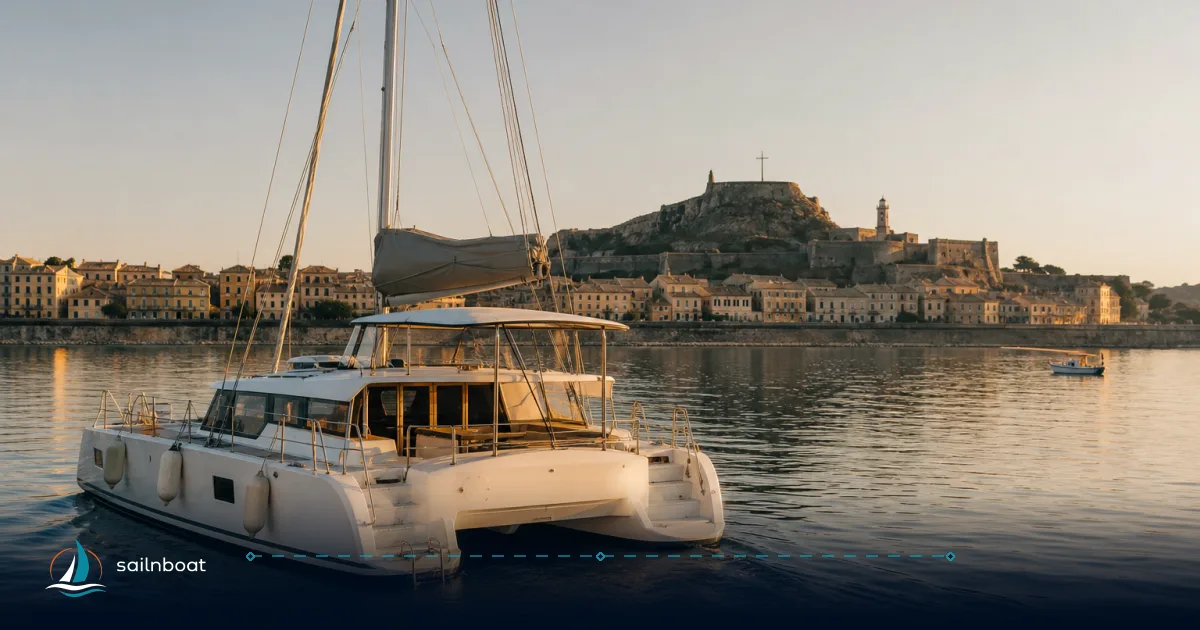
Corfu is a practical base for a one‑week Ionian loop — start and finish at Gouvia Marina and you can comfortably visit Paxos, Antipaxos, Lefkada and Sivota without long overnight passages. This 7 day sailing itinerary corfu lays out daily legs (approximate nautical miles and hours), anchoring and quay options, provisioning points, and a simple difficulty grade so you can pick the right boat and departure times.
Overview of the 7-Day Itinerary
This route is built for intermediate crews who want short, scenic hops with one or two longer crossings. Start and end at Gouvia Marina (full utilities and a fuel berth), cross to Paxos and Antipaxos for classic beaches and sheltered bays, continue east to Lefkada Town and Sivota for marina services, then return to Corfu via a sheltered coastal leg. The Ionian’s island density means short legs but local winds and charted hazards (shallow patches, Posidonia) control where you anchor.
Planned overnight stops (in order): Gouvia Marina → Lakka (Paxos) → Voutoumi (Antipaxos) → Vrika (Antipaxos) → Lefkada Town → Sivota → Agios Ioannis → Gouvia Marina. Gouvia has full-service marina facilities including fuel and shore water; Lefkada and Sivota are the other reliable provisioning/fuel stops on the loop.
Table — legs, approximate direct-track distance (nm), estimated time, difficulty
| Day | Leg | Distance (approx. nm) | Time (monohull @6.5 kt) | Time (catamaran @8.5 kt) | Difficulty |
|---|---|---|---|---|---|
| 1 | Gouvia Marina → Lakka (Paxos) | ~18–28 nm (route-dependent) | ~2.8–4.3 h | ~2.2–3.3 h | Easy |
| 2 | Lakka → Voutoumi (Antipaxos) | ~8 nm | ~1.2–1.5 h | ~0.9–1.0 h | Easy–Moderate |
| 3 | Voutoumi → Vrika (Antipaxos) | ~6 nm | ~0.8–1.0 h | ~0.7 h | Easy |
| 4 | Vrika → Lefkada Town | ~15 nm | ~2.0–2.5 h | ~1.5–1.9 h | Moderate |
| 5 | Lefkada Town → Sivota Bay | ~10 nm | ~1.5 h | ~1.2 h | Easy |
| 6 | Sivota → Agios Ioannis (coastal bay) | ~12 nm | ~1.8–2.0 h | ~1.3–1.5 h | Moderate |
| 7 | Agios Ioannis → Gouvia Marina | ~10 nm | ~1.5 h | ~1.2 h | Easy |
Notes on the table
- Distances are approximate direct tracks; coastal routing to avoid shoals or to visit intermediate coves will add mileage. Many charter-route planners show legs in the same ranges; actual miles depend on your chosen waypoints. Plan passages in the morning when the Maistros is light and expect the sea breeze to fill from mid‑day.
Day 1: Gouvia Marina to Lakka Bay
Sailing Details
Distance: ~18–28 nm (approximate direct track, depending on route). Estimated time: plan on 2.8–4.3 hours in a typical bareboat monohull; a catamaran will be faster. This leg is visually straightforward but you must clear Corfu’s southern headlands and keep an eye on ferry and commercial traffic on the Corfu–mainland lanes. Depart mid‑morning to arrive before the busiest afternoon window. Route planners list this hop within the typical day‑one range for Corfu→Paxos crossings.
Difficulty: Easy — short crossing, sheltered approaches into Lakka. The only complication is afternoon NW swell if you arrive late; mornings are calm.
Recommended Anchorage
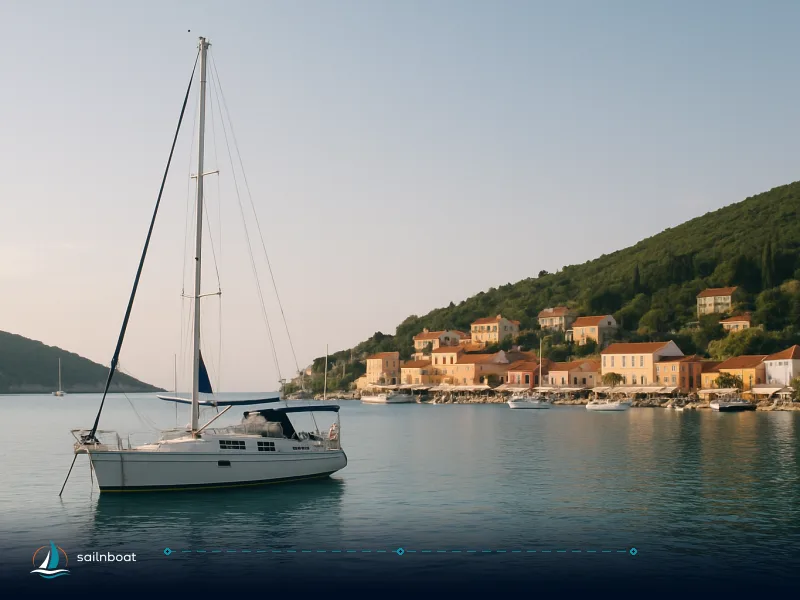
Mooring options: Lakka is a near‑landlocked horseshoe bay with free‑anchor spots and a small quay at the village. There is no full marina or fuel dock in Lakka — expect to anchor or take a quay if space allows. The village quay fills early in high season; many boats take a long line ashore to lie more comfortably. Anchoring depth varies; check local charts for current depths in the northern sandy patches. Holding is generally good in sand with some weed areas. Arrive by mid‑afternoon in July–August to secure a spot.
Provisioning & amenities: Small shops and tavernas in Lakka; no fuel pump — plan to top up at Gouvia before departure or at Lefkada/Sivota later in the week. Cash/ATM availability is limited compared with Gaios.
Risks & tips:
- Lakka gets crowded in high season; set an anchor alarm and keep good scope (7:1 when possible). If a strong NW is forecast, consider stern-to on the quay in Gaios instead. Be mindful of Posidonia seagrass zones near shore.
Day 2: Lakka Bay to Voutoumi Beach
Sailing Details
Distance: ~8 nm (short down‑island hop to Antipaxos). Estimated sail time: 1–1.5 hours for a monohull, less for a catamaran. This is mostly a coastal run with easy navigation markers; depart early to beat the day‑boat traffic to Antipaxos. Antipaxos is small and exposed to southerlies; the approach is simple but watch the crowded summer timetable.
Difficulty: Easy to moderate — short but requires early arrival timing to avoid day‑trip congestion. If the forecast shows a strong southerly, Antipaxos anchorages face that direction and may be uncomfortable overnight.
Recommended Anchorage
Mooring conditions at Voutoumi: Voutoumi typically offers sand holding; check local charts for current depths. The bay is popular and fills quickly. There are a couple of small beach tavernas but no fuel or water points on Antipaxos. Overnighting is common if the NW Maestro is moderate; expect heavy day‑boat activity between roughly 10:00–17:00 in high season. Anchor in sandy patches only — Posidonia protection is enforced and fines apply for damaging meadows.
Nearby amenities: Two small taverna operations on Antipaxos; for groceries, return to Paxos (Gaios) or wait until Lefkada. No fuel.
Day 3: Voutoumi Beach to Vrika Beach
Sailing Details
Distance: ~6 nm (short reposition inside Antipaxos or back toward Paxos). Estimated time: ~1 hour or less. This is a relaxed short hop suitable for an early swim before weighing anchor. Antipaxos anchorages are shallow and best used as day or calm‑weather overnight stops.
Difficulty: Easy — sheltered, short passage. Bear in mind crowding in July–August; plan to move if the Maestro strengthens unexpectedly.
Recommended Anchorage
Mooring options at Vrika: Sand bottom with depths typically 3–6 m; excellent holding where you find sand. Overnighting is possible but the bay is exposed to N–NW if the Maestro builds; day traffic peaks earlier in the day. No fuel or water; nearest provisioning is Gaios (Paxos). Snorkel before anchoring to avoid Posidonia.
Proximity to services: Vrika has one small beach taverna; Gaios (Paxos main port) is a short hop for supermarkets, a bakery, and ATM services. Gaios quayside can be busy; plan an early arrival if you need quay space.
Day 4: Vrika Beach to Lefkada Town
Sailing Details
Distance: ~15 nm (open‑water crossing toward Lefkada). Estimated time: 2–3 hours depending on boat and current. This is the longer leg of the week and can be influenced by the afternoon Maistros; aim to start in the morning so you arrive before the breeze builds, or time a downwind reach in settled conditions. Some operators show this leg as a normal one-day crossing between Paxos/Gaios and Lefkada.
Difficulty: Moderate — longer track, coastal headlands to negotiate, potential for stronger afternoon NW breeze. Choose a boat with enough fuel reserve and check your route for shallow patches along the Lefkada approach.
Recommended Anchorage / Marina
Lefkada Town (Lefkas Marina) offers pontoons, electricity, water and a fuel station at the marina entrance — a reliable stop for re‑stocking and a comfortable night on the pontoon. Depths in the marina and town approaches are generally 4–6 m at the visitor berths; facilities include supermarkets, repair services and shore amenities. Lefkada is also the local gateway to mainland roads and Preveza airport access.
Provisioning & fuel: Fuel station at marina entrance; supermarkets and boat services in town. If you need diesel, plan this stop as your main refuel before exploring Sivota and the mainland coves.
Day 5: Lefkada Town to Sivota Bay
Sailing Details
Distance: ~10 nm. Estimated time: ~1.5–2 hours for most yachts. This is a short coastal leg across to Sivota — an easy day. Expect a comfortable cruise with the islands breaking the fetch and keeping sea state low.
Difficulty: Easy — sheltered coastal waters and a straightforward approach into the bay.
Recommended Anchorage
Sivota offers a choice of berthing: marina/pontoons or stern‑to at tavern docks in the inner bay, and reliable anchorages in surrounding coves. The bay is well protected and used as a weather waiting area when the forecast is unsettled. Facilities reportedly include water, electricity and fuelling (often by marina or tanker) — many tavernas offer temporary free or low‑cost quay berthing to diners; confirm available services on arrival. Sivota is a convenient provisioning point with shops and services for minor maintenance.
Depths & mooring: Inner marina and town quays typically handle depths up to ~4 m; many traditional stern‑to spots have shallow approaches so check the local depth sounder on approach. In high season, take early lines and use tavern docks if you plan to dine ashore.
Day 6: Sivota Bay to Agios Ioannis
Sailing Details
Distance: ~12 nm (coastal repositioning toward Corfu side of the loop). Estimated time: ~2–2.5 hours at usual cruising speeds. This leg runs along the mainland‑island complex and includes sheltered inlets; navigation is straightforward but pay attention to local traffic.
Difficulty: Moderate — this day includes coastal navigation and potential local wind funneling between islands; check forecasts for gusts in narrow channels.
Recommended Anchorage
Agios Ioannis (name used for several small bays in the north Ionian) here refers to a sheltered coastal bay suitable for an overnight on the hook or a stern‑to on a small quay where available. Expect depths of roughly 3–4 m in the near‑shore anchorage, good holding in sand or sand/mud — provisioning is basic, so plan main grocery and fuel before leaving Lefkada or Sivota. If you need full services, reconsider an extra night at Sivota or Lefkada. (Local specifics for exact Agios Ioannis quay/dock services vary by the bay — follow your chart and pick the Agios Ioannis with the amenities you need.)
Day 7: Agios Ioannis to Gouvia Marina
Sailing Details
Distance: ~10 nm. Estimated sail time: ~1.5–2 hours; this is an easy final leg if you leave early and skirt the main shipping lanes into Corfu. Allow extra time on the final day for marina approach, line handling and any post‑charter checks required by your operator.
Difficulty: Easy — short coastal leg but potentially busier near Corfu’s approaches and ferries; use AIS and VHF guard.
Final Thoughts
Mooring at Gouvia Marina: Gouvia is a large, well‑equipped charter base with shore water and electricity at berths and a fuel station — the practical point to end the charter and hand back the boat. Many charter companies run check‑out procedures in the marina’s facilities; expect to be back in berth well before the operator’s scheduled check‑in time. If you need late afternoon fuel or water before check‑in, Gouvia provides both.
Provisioning summary: Top up food and fuel at Gouvia before departing. Lefkada Town and Sivota are the next reliable refuel/provision points. Lakka and Antipaxos offer tavernas and small shops but no fuel; plan accordingly.
Weather considerations for return: Schedule the longer crossings (Day 4) in the morning to avoid a building NW Maistros in the afternoon; mornings are the calmest windows in the Ionian during summer. Choose arrival windows into Gouvia to miss peak ferry traffic through Corfu channels.
Practical notes, provisioning & safety checklist
- Fuel & water: Gouvia (marina fuel berth, shore water at pontoons), Lefkada (marina fuel at entrance), Sivota (marina or tanker supply/tavern docks) — plan your diesel top‑ups at these stops. Antipaxos and Lakka do not have fuel docks.
- Waste & pump‑out: Available at main marinas (Gouvia, Lefkada, Sivota). Ask marina office for current service hours.
- Posidonia & environmental law: Antipaxos (Voutoumi, Vrika) has extensive Posidonia meadows; anchoring on Posidonia is prohibited and fines are enforced—anchor only in sandy patches. Snorkel before dropping the hook.
- Local regulations & charter practice: Many charter companies will insist on proof of competence and conduct a brief check ride at handover; rules vary by operator and country—confirm with your base. Fuel and berth return conditions are operator-specific.
- Safety: For all anchorages use adequate scope (min 5:1–7:1 depending on depth and conditions), set an anchor alarm, and monitor weather updates. The Ionian has predictable daily thermal winds but can produce gusts in narrow channels; if wind forecasts exceed Force 5, seek a fully sheltered marina.
Suggested boat & crew choices
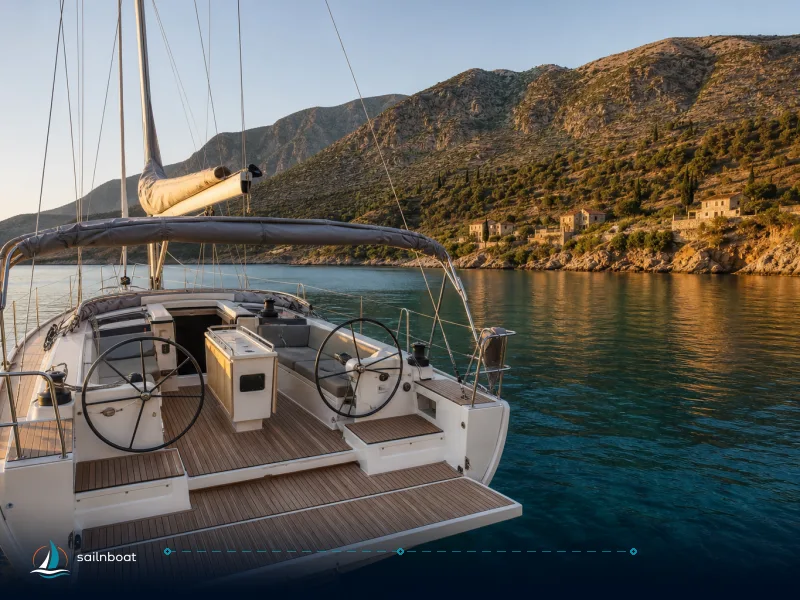
- Bareboat monohulls are fine for this loop if you and your crew are comfortable with anchor work and occasional bows‑to stern‑to quayside med‑moor. Expect shallow bays (3–6 m) so a moderate keel draft is acceptable; deep‑draft bluewater yachts may find some bays tight. Catamarans give more living space and shallower draft (useful in 3–5 m anchorages), and will be faster on crossings. Charter availability and the region’s flotilla culture favor 10–13 m boats; choose based on crew experience and the number of stern‑to quay nights you want.
Final CTA Plan your sailing adventure in Corfu with these legs in mind and pick a base time that matches the Maistros cycle — book your yacht and reserve any marina berths at Lefkada or Sivota early in high season.
Frequently Asked Questions
Approximate direct-track distances for each leg are listed in the itinerary table; estimate passage time by dividing the leg by your boat’s cruising speed (typical bareboat monohull 6–7 kt, catamaran 8–9 kt).
Overnights: Lakka (Paxos), Voutoumi or Vrika (Antipaxos) for calm conditions, Lefkada Town marina, Sivota (town or tavern docks), Agios Ioannis (sheltered bay), and Gouvia Marina to finish—see each day for depth ranges and mooring notes.
Each leg is graded in the itinerary (easy / moderate / challenging) based on distance, exposure and likely wind; select a boat and departure time to match those grades.
Full provisioning, fuel and water: Gouvia Marina, Lefkada Town (Lefkas Marina), Sivota (marina/tavern docks). Lakka and Antipaxos have tavernas and small shops but no fuel docks.
The summer pattern is the NW thermal 'Maistros'—light mornings, reliable NW sea breeze building in the afternoon to F3–5 and easing after sunset; best months are May–June and September for gentler conditions.
Written by
Sailnboat Editorial
The Sailnboat editorial desk covers yacht and boat chartering worldwide — routes, bases, seasons, boat types, paperwork and the practical costs that decide a trip. We are a charter marketplace, not a boat owner or a local agency: what we sell is judgement and support, so our guides are written to help you make a decision, not to sell you a specific boat. Every guide is checked against live operator and marina data before it goes out.
Fact-checked against live operator and marina data, and published under our editorial standards. Last reviewed: .