Exploring the Cyclades: A Complete Yacht Charter Guide
Practical, decision-ready guide to planning a yacht charter in the Cyclades—when to go, which base to pick, licensing you’ll be asked for, realistic costs and route logistics.

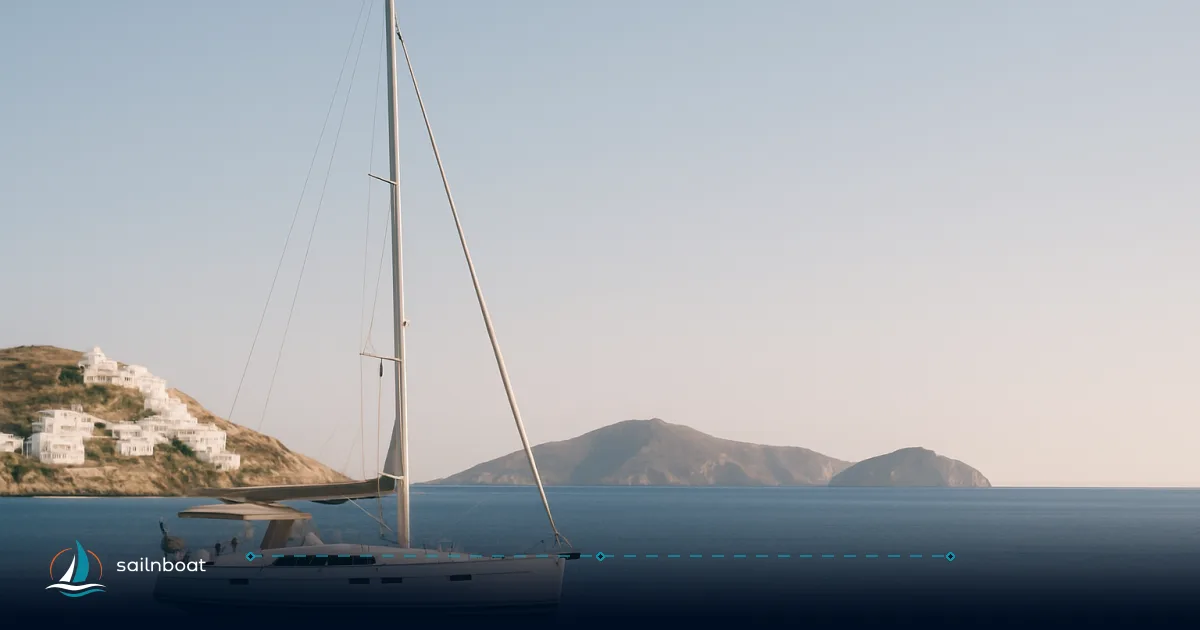
If you want to plan a yacht charter in Cyclades that matches your crew’s skill and timetable, the single decision that drives everything is season: April–October gives reliable sun and the option to avoid the Meltemi’s July–August peak. Put the season first, then choose your base—Athens (Alimos), Lavrion, Paros, Mykonos or Santorini—which determines your first-day passages, provisioning and marina logistics.
Optimal Sailing Seasons and Weather Conditions
Best Months for Sailing
The Cyclades season runs broadly from April through October. The best compromise between weather, sea temperature and crowds is the shoulder season—May, June and September—when winds are generally moderate and marinas are less crowded than July–August. July and August are the hottest and also the period when the Meltemi (strong, dry northerly) is most persistent; it typically sets in from mid‑June and peaks in July–August. If you prefer steady, long downwind legs and sea-state predictability, avoid planning many exposed passages in the high Meltemi months unless you and your crew relish tougher conditions and a performance yacht.
Air temperatures on the islands in the April–October window are generally mild in spring and can become hot in July–August; sea temperatures are comfortable from late May onwards. Shoulder months give warm days and cooler nights—helpful for sleeping aboard and for evening walks ashore.
Wind patterns and speed guidance
- Meltemi character: a northerly/NNW wind over the Aegean; it builds in strength and frequency in mid‑June and can reach Force 6–7 (or higher locally) at its peak. Expect gusts and short, steep seas on exposed crossings.
- Planning note: when the Meltemi is forecast, sheltered anchorages on the lee side of islands become prime real estate; marinas on the exposed north sides (Naoussa, parts of Mykonos) fill fast. Use sheltered southern bays or delay crossing until wind slacks.
Recommended Yacht Charter Bases and Marinas
Which base you choose changes first-day logistics, available itineraries and check‑in times. Below are the practical strengths and trade-offs of the five main starting points.
Major Charter Bases — pros, cons and practical notes
-
Alimos (Athens, Marina Alimos / Kalamaki): the largest marina in Greece with full technical services, convenient airport transfer (~30 km) and many charter operators; a sensible choice if you want a late evening flight arrival and good provisioning. Typical base check‑in/check‑out patterns are standardised here (check‑in often late afternoon, check‑out mid‑morning).
-
Lavrion (Olympic Marina, Lavrio): the closest mainland gateway to the Cyclades — Kea and Kythnos are short hops — reducing your first‑day passage time and giving earlier access into the central Cyclades; favoured when you want to reach the islands with minimal overnight steaming. Lavrion also provides a quick escape back to sheltered waters if the Meltemi is blowing hard.
-
Paros (Parikia / Naoussa): Paros sits centrally in the Cyclades and makes an efficient hub for western and central island loops (Naxos, Antiparos, Koufonisia). Naoussa has a small marina with stern‑to berths and solid services; Parikia is the larger ferry hub (more provisioning options). Expect crowding in Naoussa on weekend nights in July–August.
-
Mykonos (Tourlos / New Port): the Tourlos marina handles most charter berths; it's well provisioned and close to the airport and town, but busy—booking in advance is essential in July–August. Mykonos is also the natural jumping‑off point for Delos and the Rhenia islets.
-
Santorini (Athinios / Vlychada / caldera anchoring buoys): Santorini is treated differently — the dramatic caldera is mostly buoyed and used for tenders and sunset stops rather than traditional overnight marina stay. Vlychada on the south coast offers a small sheltered harbour for service and short visits; Athinios is the commercial ferry port (not a conventional leisure marina). Plan Santorini as a highlight stop, not a nights‑at‑marina base.
Table — comparing bases at a glance
| Base | Best for | Nearest airport (approx) | Practical first‑day advantage |
|---|---|---|---|
| Alimos (Athens) | widest fleet, tech & spares | Athens Eleftherios Venizelos ~30 km | Largest selection of yachts and late‑arrival support. |
| Lavrion (Olympic Marina) | fastest access to central Cyclades | Athens ~45–60 min drive | Shorter first‑day passages to Kea/Kythnos/Sifnos; good for 7–10 day loops. |
| Paros (Parikia/Naoussa) | central island hub | Paros (PMS) — short transfer | Central location for Naxos, Antiparos, Koufonisia; two marina options. |
| Mykonos (Tourlos) | nightlife + Delos | Mykonos (JMK) close by | Fast access to Delos/Rhenia; good provisioning but busy in peak season. |
| Santorini (Athinios/Vlychada) | caldera experience | Santorini (JTR) close by | Spectacular sunset moorings/buoys; limited sheltered marina capacity. |
Booking and marina fees
- Expect large seasonal variation: small local marinas and stern‑to spots can be inexpensive; premium berths in Mykonos or Santorini spike in July–August. A practical berth rate range across the Cyclades is roughly €20–€80/night for typical cruising yachts, with higher charges at top tourist marinas and for larger yachts. Many bases include first/last‑day mooring in the charter price; confirm at booking.
Key Highlights and Attractions Accessible by Yacht
Notable attractions (and how a yacht gets you there)
-
Delos (near Mykonos): UNESCO World Heritage site and one of the most important archaeological sites in the Aegean. Landing and visits are regulated; boats land and return on scheduled runs during the site's opening hours, and overnight mooring on Delos is prohibited. Plan Delos as a shore excursion timed around the museum/site opening and boat timetables.
-
Naxos beaches (Agios Prokopios, Agia Anna, Plaka): long sandy beaches with reliable holding and well-developed beach infrastructure—easy anchor or alongside options depending on wind. Naxos makes a comfortable multi‑night stop with easy provisioning ashore.
-
Mykonos nightlife and Rhenia: Mykonos’ southern beaches and beach clubs are best accessed by tender from a short-term anchor or nearby berth; Rhenia offers calmer anchorages for quieter nights close to Mykonos.
-
Santorini’s volcanic coast and caldera: treat Santorini as a photographic and culinary highlight—sunset moorings off Oia/Ammoudi or tender rides to Fira are common. The caldera’s depth and cruise traffic mean your captain will typically reserve a buoy or an offshore position rather than a conventional berth.
Practical routing note
- A typical 7‑day loop (Lavrion or Alimos start) hits Kea → Kythnos → Serifos → Sifnos → Milos or routes east to Syros → Mykonos → Paros → Naxos. Legs between central islands are often in the 20–40 nm range, but actual distances vary by route; allow additional fuel/time for deviations and weather. Sailing times are often calculated using a conservative cruising speed of 6–8 knots for passage planning.
Licensing Requirements for Yacht Chartering
What charter companies and port authorities typically ask for
Greek practice separates law from typical charter acceptance:
-
Legal/regulatory picture: Greece has a structured regime for commercial charter permissions and port authority checks, and the e‑Charter permission framework governs commercial charters. Exact legal formalities can be complex for foreign‑flagged commercial yachts.
-
What you’ll usually need at check‑in: charter companies commonly require a practical skipper qualification written in English — ICC, RYA Day Skipper/Coastal Skipper, NauticEd SLC, IYT or equivalent are widely accepted. Many operators and local Port Police expect the skipper to hold a VHF Short Range Certificate (SRC) or equivalent. Acceptance varies by operator and by port authority, so send copies of your certificates before departure. Many charters also ask for a named second competent crew member on the manifest.
Practical advice for non‑EU skippers
- If you are non‑EU, carry an internationally recognised certificate (ICC or RYA equivalent) and an SRC if possible; some operators will accept equivalent national certificates plus a sailing CV, but this is operator‑dependent. Where in doubt, arrange a skipper from the base (skippered charter) to avoid paperwork surprises.
Typical Costs and Fees Associated with Yacht Chartering
Average daily charter fees (practical ranges)
Market listings for 2026 show broad but actionable bands:
- Monohulls: typical daily equivalents derived from current weekly market pricing sit around €200–€500/day for popular 35–45ft charter monohulls across low to peak season brackets.
- Catamarans: daily equivalents are often in the €850–€2,000/day range for bareboat charters, with premium models and new‑build catamarans at the upper end or higher, especially in peak season.
These ranges are a useful planning anchor but will vary by season, length, age, operator discounts and whether the rate quoted is bareboat or crewed.
APA, deposits and VAT
-
APA (Advance Provisioning Allowance): plan on roughly 20–30% of the base charter fee for sailing yachts (catamarans included) as a working float covering fuel, provisioning, marina fees and on‑trip costs; motor yachts typically carry a higher APA because of fuel consumption. The APA is an advance float reconciled against receipts at trip end.
-
Security deposit: bareboat charters typically require a damage deposit (blocked on card or held) in the low thousands for small yachts and higher for larger or newer yachts; crewed yachts use APA and crew gratuity instead of a large cash deposit in most cases.
-
VAT and local taxes: VAT rules are nuanced (rates and inclusion vary by yacht certification and operator — some operators quote net or include reduced VAT rates); ask your broker whether advertised rates include VAT and DEKPA/transit log fees.
Navigating the Cyclades: Tips for a Successful Charter
Itinerary and passage planning
-
Build conservative day plans: aim for 20–35 nm as a comfortable average passage length; let the forecast and crew energy decide whether to push for a longer 40+ nm crossing. Many operators compute sailing times on 6–7 knots for cruising yachts; adjust for catamarans (usually faster) and strong Meltemi conditions.
-
Meltemi contingency: when a northerly is forecast, favour routes that keep you on the lee side of islands or give you a safe harbour within 2–3 hours’ steaming. Lavrion’s proximity to the Cyclades allows quick changes in plan and alternative Saronic options if needed.
Berthing, anchorages and marinas
-
Reserve busy marinas (Mykonos, Naoussa, Santorini) well in advance for July–August arrivals; day‑use anchorages and mooring buoys are common alternatives. Mooring buoys in bays such as Naoussa may have a fee for mid‑sized yachts in peak season; premium marina berths are more expensive.
-
Santorini specifics: the caldera requires buoy work or offshore anchoring; Vlychada provides the primary small‑craft service base. Do not plan to “sleep in the caldera” without arranging an approved mooring in advance.
Check‑in, check‑out and provisioning
-
Typical check‑in is late afternoon (often ~17:00) and check‑out mid‑morning (~09:00); most operators require you to return the boat to base the evening before the final day or by a published time (commonly 16:00–18:00 the day before). Allow the final afternoon for cleaning, refuelling and technical handover.
-
Provisioning: do your main supermarket shop either in Athens/Alimos or at Parikia/Naoussa; for fresh fish and local goods, plan short stops at island towns where supplies and quality are best. Larger marinas generally have nearby provisioning services or can organise delivery.
Safety and crew competence
-
Bring consolidated paper and digital copies of skipper credentials, passports and insurance documents; many charter bases request scans of certificates weeks before embarkation. Ensure at least one person on board holds an SRC (VHF) certificate or that the skipper provided by the operator does.
-
Fuel planning: fuel can be a significant cost line in APA; estimate passages and engine use conservatively and ask the base for local fuel prices in advance (price spikes occur through high season).
Final practical checklist (short)
- Book your base and reserve marina berths early for July–August.
- Send certificates (skipper licence, SRC) to the operator at least 2–4 weeks before departure.
- Budget APA: plan 20–30% of the base charter for sailing yachts.
- Build a route with sheltered fallback anchorages for Meltemi days.
- Confirm inclusion/exclusion of VAT and marina fees in your quote.
Frequently Asked Questions
The practical season runs April through October; shoulder months (May, June, September, October) give good weather with fewer crowds while the Meltemi (strong northerly) typically peaks in July–August.
Common bases are Alimos (Athens), Lavrion (Olympic Marina), Paros (Parikia/Naoussa), Mykonos (Tourlos/New Port) and Santorini (Vlychada/Athinios for tenders), each chosen for proximity to island groups and services.
You can reach Delos (archaeology), Naxos beaches (Agios Prokopios, Plaka), Mykonos nightlife and Santorini’s caldera and volcanic coastlines — all readily visited on a Cyclades loop.
Charter companies and local port authorities commonly ask for an internationally recognised practical sailing certificate (ICC, RYA Day Skipper/Coastal Skipper, NauticEd/IYT or equivalent) and often want a VHF/SRC holder on board; acceptance varies, so confirm with your operator.
Typical daily ranges convert from market weekly pricing: roughly €200–€500/day for monohulls and €500–€1,500/day for catamarans, with large variations by season, model and age of the yacht.
Written by
Sailnboat Editorial
The Sailnboat editorial desk covers yacht and boat chartering worldwide — routes, bases, seasons, boat types, paperwork and the practical costs that decide a trip. We are a charter marketplace, not a boat owner or a local agency: what we sell is judgement and support, so our guides are written to help you make a decision, not to sell you a specific boat. Every guide is checked against live operator and marina data before it goes out.
Fact-checked against live operator and marina data, and published under our editorial standards. Last reviewed: .