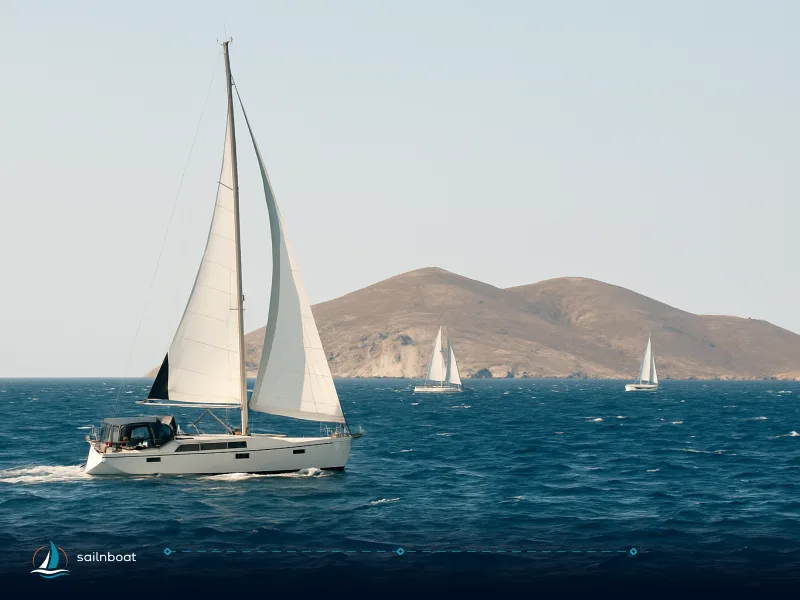
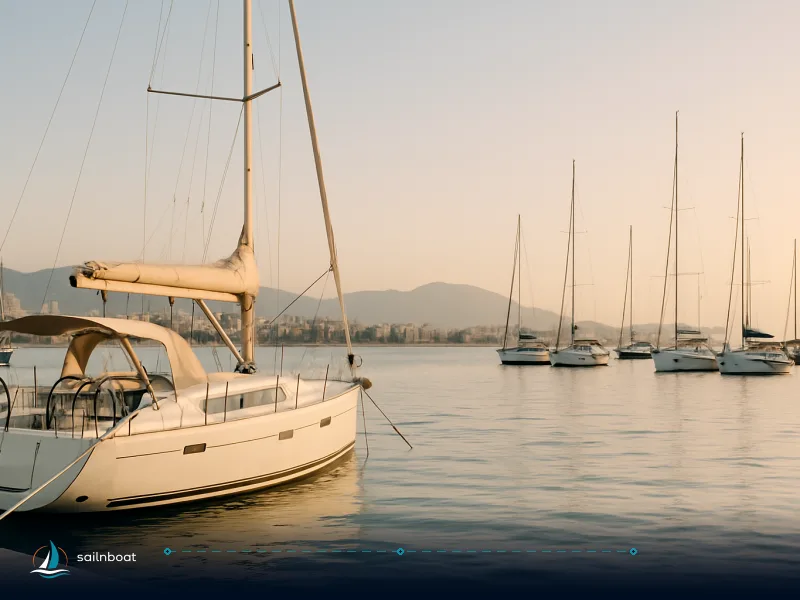
Milos Sailing Itinerary: A Week of Kleftiko Nights & Volcanic Coves
A practical seven-day milos sailing itinerary that puts you at Kleftiko for night and day, shows short island hops to Kimolos, and gives the mooring, wind and safety details you need.

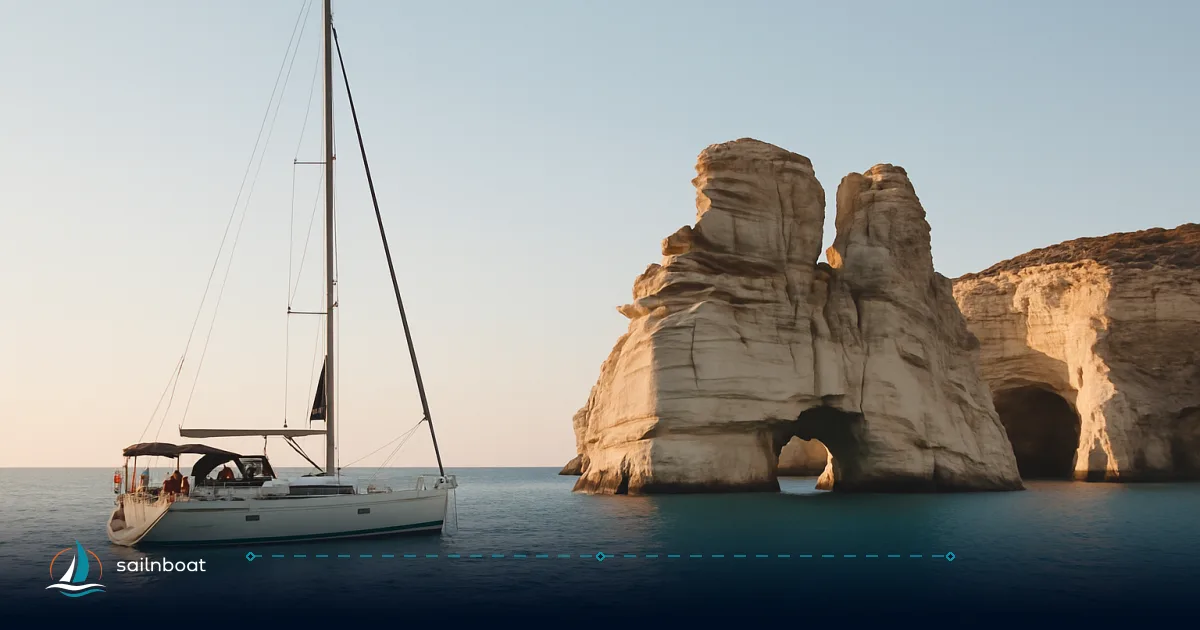
Milos is best sailed with short, deliberate hops, one memorable overnight at Kleftiko and a calm, sheltered sidestep to Kimolos. This milos sailing itinerary lays out a compact seven-day plan with daily distances, exact anchor options, mooring notes for Adamas and Psathi, and clear Meltemi handling advice so you can make operational choices before you cast off. Read the legs, pick your trade-offs (marina versus anchor, long day versus beach time) and use the watch and reefing checklist included.
Day 1: Arrival in Milos and Setting Sail
You should treat arrival day as provisioning and systems-check time, then make a short coastal hop to test crew and systems before committing to open-water legs.
Mooring in Adamas
Adamas is the island’s main port and base for most charters; the harbour offers a town quay and a few operator pontoons where boats can tie stern-to or alongside. Official port materials and contemporary harbour guides show Adamas as the most reliable all‑weather option for check-in, fuel and provisioning. Local short‑stay quays often charge little or nothing for a night, while private or serviced berths (when available) add a small fee — budgets should allow a modest one-off port charge on top of any charter base fees.
If you booked through a local operator (Poseidon Milos, DanEri or Polaris), ask them in advance where they plan your handover: some firms use private floating pontoons or deliver the boat to Agia Kyriaki for easier beach access. DanEri and Poseidon run regular departures and can confirm mooring arrangements ahead of time.
What the base will check at handover: fuel level, water and battery states, anchor windlass and ground tackle, navigation lights, and safety gear — have your skippers’ documents and licences ready; many companies run a short basic systems demo. Confirm check-in and check-out times in writing.
Exploring Adamas
Use your first afternoon to provision (small supermarkets and bakeries are within a 10–20 minute walk of the quay) and to eat ashore — O! Hamos and Mikros Apoplous are reliably recommended for a shoreline shore‑lunch or first-night meal; they show what Milos seafood and local dishes taste like. Plan an early evening walk to the mining‑museum strip if you have time.
Day 2: Sailing to Kleftiko
Make this your first full‑day run; it’s the itinerary’s highlight and the bay you’ll judge the rest of your week by.
Sailing Route Overview
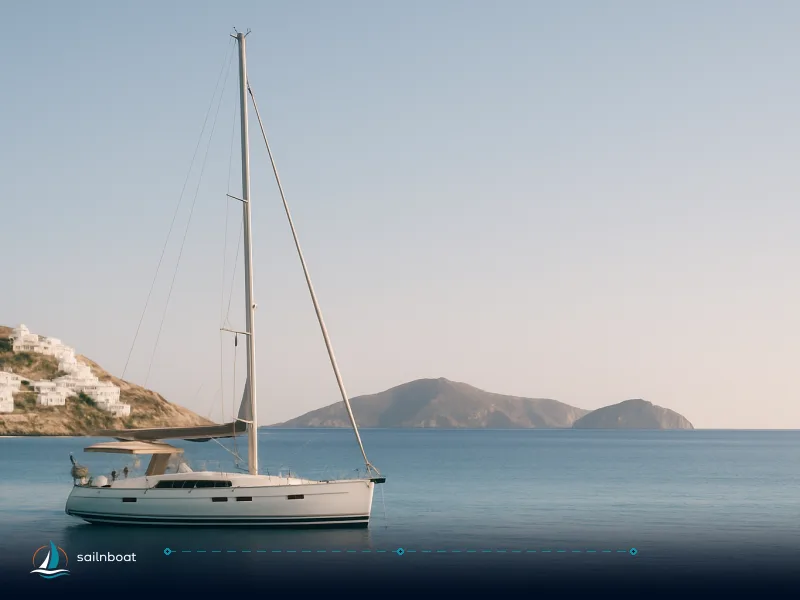
From Adamas expect a coastal beat/beam reach along Milos’s south coast to Kleftiko. Operators and skipper accounts commonly report the passage takes roughly 1.5–2.5 hours under normal summer conditions; distance figures used in local sample itineraries sit around 10–13 nautical miles depending on your exact start point in Adamas. Allow longer if the Meltemi is up or if you’re sailing a heavily laden boat.
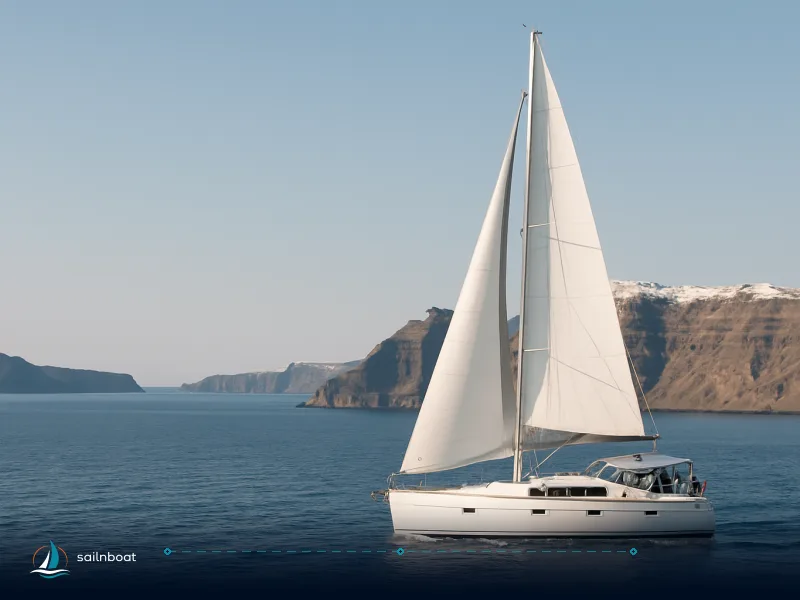
Plan your departure to use calmer morning winds if a Meltemi episode is expected; the wind typically builds through the day and peaks in the afternoon. If the forecast shows a strong northerly, consider a later coastal leg or plan to motor if the angle is unfavourable.
Anchoring at Kleftiko
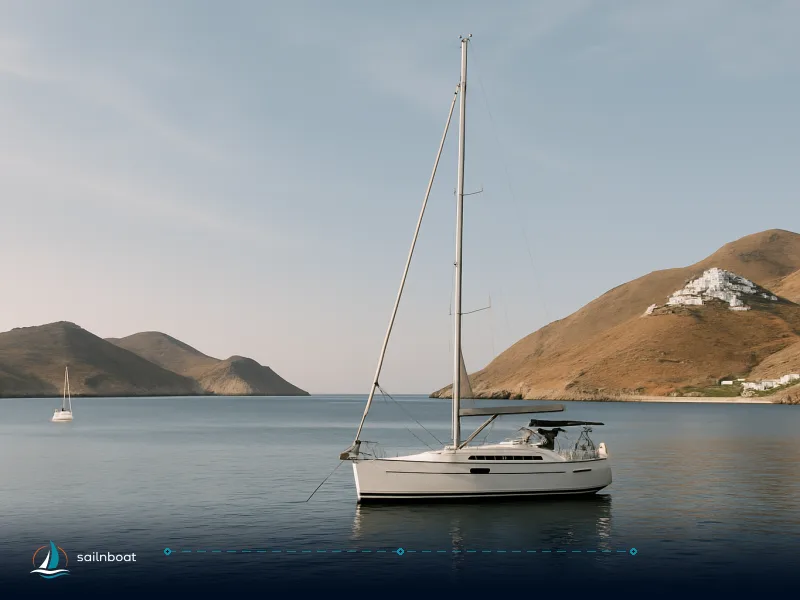
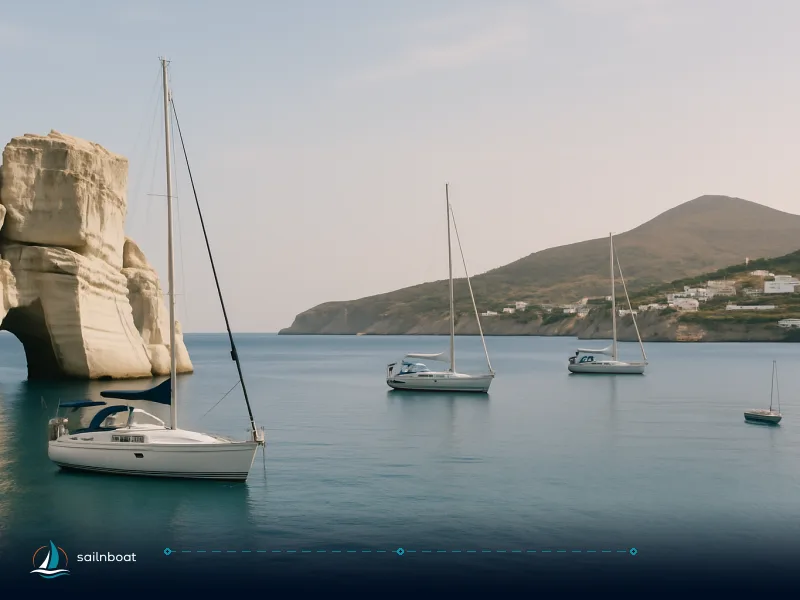
Kleftiko is only accessible by sea; there are no roads. The anchorages are sandy pockets framed by white volcanic cliffs — holding is generally good but depths vary between bays. Contemporary anchor guides and skipper reports show typical holding areas in Kleftiko between roughly 4–8 m over sand, though there are shallower patches near cave mouths and some deeper entrances — use your depth sounder and approach slowly. There are no formal marina lines; day‑boats often crowd the best spots in mid‑day, so plan to arrive early or target the quieter bays for an overnight.
If you need to stern-to the rock or raft to another boat for the night, carry a stern line long enough to reach an accessible cleat or ring and be ready to re-anchor if the wind veers. In strong Meltemi episodes Kleftiko offers limited protection — crews sometimes treat it as a calm-morning / daytime stop and prefer Adamas or other sheltered bays for sustained strong northerlies.
Day 3: Kleftiko Exploration and Relaxation
Spend the day using the boat as base-camp: caves by dinghy, snorkeling, photography and a slow sail around the headlands if conditions allow.
Activities at Kleftiko
Snorkelling and tender dives around the sea‑caves are the standard activity — the caves and arches are shallow near the shore but drop off quickly, so briefings for swimmers are essential. Many charters also bring guests into Sykia (the collapsed cave) and the sculpted cliffs of the nearby coves. If you plan cliff hikes from a landing, know there are no official trails and disembark only where landing is comfortable.
Bring a snorkel mask for every guest and a reef hook if you expect an overnight in a crowded bay (used carefully and only where permitted). Small RIBs make exploring the labyrinth of caves efficient and safe; check local operator rules on cave entry.
Evening at Kleftiko
If you stay overnight, plan your dinner aboard or a stern‑to raft with another vessel: nights are quiet once day trips depart but the anchorage can be exposed if the Meltemi builds after dark. Expect a cooling northerly after sunset in a typical Meltemi pattern, though strong episodes can keep winds high through the night. Keep one crew member awake for the first night-watch and watch for wind veer or increased fetch from passing swell.
Day 4: Sailing to Kimolos
Shorter crossing day and a change of pace — Kimolos is small, low-traffic and rewarding ashore.
Navigating to Kimolos
The hop from Kleftiko (SW Milos) to Kimolos (Psathi area) is a short channel crossing; local guides and operators describe it as a sheltered short passage — typically a short hop depending on boat and exact route, with distances in the single digits of nautical miles. If the Meltemi is up, the channel between Milos and Kimolos provides useful shelter compared with exposed south-coast anchorages.
Plan to make this a morning departure when the wind pattern and sea state are easiest; if you leave late you may meet the afternoon’s peak northerlies. Confirm local currents and pilotage notes with your chartplotter and paper chart for the narrow passages near Polyaigos.
Mooring in Kimolos
Psathi is Kimolos’ working harbour: short quay berths, a few mooring buoys and simple services (water/electric when available). It’s not a full-service marina but it’s the standard place for charters to go ashore. In high season the quay fills quickly with ferries and local boats; if you want to sit stern-to reserve a daytime plan — otherwise prepare to anchor off and come ashore by dinghy.
Day 5: Cultural Immersion in Kimolos
This is an on‑shore day: walk Chorio, sample Kimolian specialties and recover from any salt‑tired crew.
Exploring Kimolos
Chorio (Kastro) sits up from Psathi and is a 15–30 minute walk depending on luggage and pace; its maze of white alleys, small shops and the castle walls repay a late‑morning stroll. For food look for ladenia (local flatbread) and atherinopita (smallfish pie) in village bakeries or tavernas. Kimolos is compact so you can be back on board for an afternoon siesta or another short swim.
Local Attractions
Small archaeological displays, the island’s church network and the Kastro precinct make for low‑effort sightseeing; note opening hours are often a morning window or early evening in summer. If you want a beach, Prassa and Bonatsa are the island favorites reachable by short taxi or a longer dinghy hop.
Day 6: Return to Milos and Final Anchoring
Work your way back across the sheltered channel to Milos for a last evening ashore in Adamas.
Sailing Back to Milos
The run from Kimolos (Psathi) to Milos (Adamas or a preferred anchorage) is routinely done in under two hours for typical charter yachts — distance figures published in sample itineraries sit around 8–14 nm depending on route and whether you call at Polyaigos first. Allow more time if the wind is contrary or if you want a long afternoon swim stop.
Final Evening in Milos
Return to Adamas for final provisioning, fuel and a farewell meal. Lock in a late table if you plan to eat at popular tavernas in high season — O! Hamos can have queues in July–August. Use the final evening to tidy the boat, refill water and note any small damage for the base check-out walkthrough.
Day 7: Departure and Reflections
Make check-out easy and capture what you learned for your next Cyclades week.
Preparing for Departure
Charter companies typically expect the boat returned with agreed fuel and water levels and the inventory complete; the base will inspect rigging, engine hours and safety kit. Check your contract for the base’s official check-out time — many Mediterranean bases expect mid‑morning returns but times vary by operator and season. Pay outstanding port or transit log fees before you leave the quay to avoid delays.
Tips for Future Sailing
Use this week to practice a simple rule: plan legs so the afternoon sea is behind you or offers shelter; carry an extra anchor snubber and at least one spare warp; and brief your crew nightly on the watch system during Meltemi spells. If you liked volcanic coastlines and caves, consider repeating the route in shoulder season (May or September) when winds are milder and marinas less crowded.
Practical route table (daily legs, distances and times)
| Day | Leg | Distance (nm) — typical | Est. time (hrs) at 6–7 kt | Key berth/anchorage |
|---|---|---|---|---|
| Day 1 | Adamas — local sail / provisioning | 0–6 nm (coastal test) | 0–1.5 | Adamas town quay / base pontoon. |
| Day 2 | Adamas → Kleftiko | ~10–13 nm | 1.5–2.5 | Kleftiko sandy bays (anchor 4–8 m). |
| Day 3 | Kleftiko — local exploration | short hops | short | Anchor in Kleftiko or nearby coves. |
| Day 4 | Kleftiko → Psathi (Kimolos) | ~4–8 nm | short hop | Psathi quay / anchor off. |
| Day 5 | Kimolos — shore day | 0–6 nm | 0–1.5 | Psathi / Prassa beaches. |
| Day 6 | Psathi → Adamas (via Polyaigos optional) | ~8–14 nm | 1.5–3 | Adamas harbour; alternative anchorage at Paliochori. |
| Day 7 | Final short legs / check-out | 0–6 nm | 0–1.5 | Adamas quay (check-out). |
(Estimates above use sample sailing speeds quoted for average 40–45 ft boats — adjust for your vessel: cats and fast motor yachts reduce times substantially).
Meltemi and Safety — what to do when it builds
- Read the daily forecast from two sources (official meteorology and a live service such as Windy) and plan legs for the morning if the Meltemi is forecast; the wind often strengthens into the afternoon.
- Reef early and set a reduced sail plan before you leave the lee: many Cyclades crews treat reefing as routine in summer rather than exceptional.
- Choose sheltered crossings (the Milos–Kimolos channel is commonly used as a more protected alternative to exposed south-coast legs). Keep an alternative harbour for every planned stop.
- At anchor, use a second rode or stern lines if you expect a significant wind shift; inspect the holding ground and avoid anchoring near cave mouths with surge. Night watch: one person up for the first hours after any new anchoring.
Plan contingencies in your cruise plan and make sure everyone aboard knows the drill for heavy weather: reefing, heaving-to or returning to the nearest sheltered port, and VHF Mayday/Relay procedures if required.
Final practical checklist (before you go)
- Confirm check-in/out times and any port charges with your charter operator.
- Carry paper charts for Milos/Kimolos and download GRIBs for the week; set up a morning briefing habit.
- Stock up on fresh water and basic provisions in Adamas — bakeries and supermarkets are close to the quay.
- Bring masks, snorkels and a robust dinghy plan for Kleftiko exploration; many day trips run from Agia Kyriaki and Adamas if you need extras.
Plan your sailing adventure in Milos and Kimolos today.
Frequently Asked Questions
Kleftiko (SW Milos) is the iconic overnight anchorage for privacy and caves — anchor in sandy bays at roughly 5–15 m but note it gives no all‑round shelter; Adamas town quay provides the most reliable sheltered berthing in Milos; Psathi on Kimolos is the island’s working port with basic water/electricity and tavernas ashore.
The Meltemi is a predictable summer northerly that commonly averages Beaufort 4–6 (roughly 15–27 knots) and can produce gusts above 35–40 knots during strong episodes; it strengthens through the morning and peaks in the afternoon, so plan sheltered mornings and expect to reef by late morning on exposed legs.
In Adamas, allow time for the mining museum and a shore lunch at well-known tavernas such as O! Hamos or the harbourside Mikros Apoplous; in Kimolos, stroll Chorio (Kastro) and eat at Psathi waterfront tavernas like To Kyma tis Psathi or family-run Sardis for local dishes including ladenia.
Daily brief: check two independent forecasts (wind and gusts), reef early if the Meltemi looks likely, nominate sheltered alternates for each leg, carry spare anchor chain/warp and a clear night-watch rota; many crews also bring a portable VHF and download GRIB files for offshore updates.
Typical legs in this Milos–Kimolos week are short: 4–14 nm most days, with the Adamas→Kleftiko run ~10–13 nm (about 1.5–2.5 hours for an average 40–45 ft monohull at 6–7 kt); total daily time depends heavily on wind and your boat type.
Written by
Sailnboat Editorial
The Sailnboat editorial desk covers yacht and boat chartering worldwide — routes, bases, seasons, boat types, paperwork and the practical costs that decide a trip. We are a charter marketplace, not a boat owner or a local agency: what we sell is judgement and support, so our guides are written to help you make a decision, not to sell you a specific boat. Every guide is checked against live operator and marina data before it goes out.
Fact-checked against live operator and marina data, and published under our editorial standards. Last reviewed: .