Chartering a Yacht in the British Virgin Islands: A Complete Guide
A practical, decision-grade guide to planning a yacht charter in the British Virgin Islands: when to go, where to start, what permits and moorings cost, and the sailing legs you should plan.

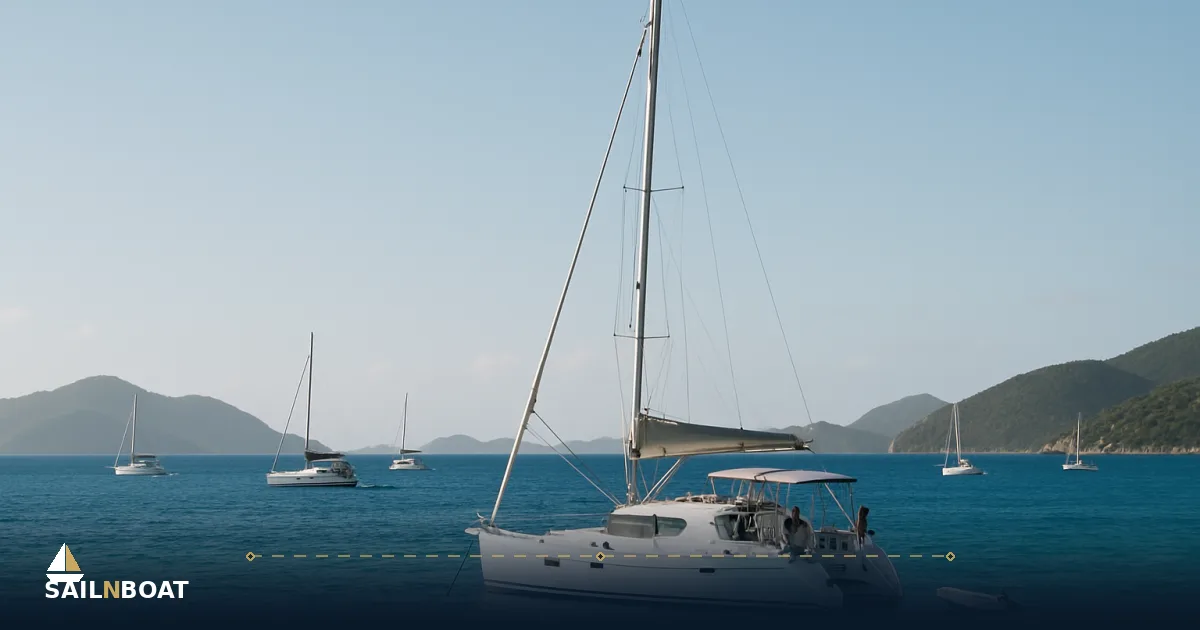
Charter planning for a yacht charter in british virgin islands starts with three facts: the best weather window is December–April with reliable trade winds, most charters operate from Tortola bases (Road Town, Nanny Cay, Soper’s Hole), and you will pay separate government and park fees on top of the yacht rate.
Optimal Sailing Seasons in the BVI
The BVI’s classic high season runs December through April: dry weather and steady northeast trade winds make short, predictable hops between islands comfortable and fast. During this window expect sustained trades commonly in the mid‑teens to low‑twenties in knots, with occasional stronger gusts around the turn of the year (the locally known “Christmas winds”). These conditions are why most charters schedule their main season then.
Shoulder months (April–June and late October–November) often give lighter winds and lower prices while still being pleasant; they can be a good compromise if you want fewer boats but still reliable weather. Hurricane season runs 1 June–30 November; it brings higher rainfall, greater atmospheric instability and a statistically higher risk of tropical storms between mid‑August and mid‑October — plan cancellation and named‑storm clauses into any summer booking.
Typical temperatures and rainfall
- Air: commonly 24–30°C through the year; feel‑like peaks in summer months.
- Sea: warm year‑round, usually in the mid‑to‑high 20s °C.
- Rain: minimal December–April; heavier, more frequent showers June–November.
What this means for passage planning
- Expect to make best‑use of the trades (beam and broad reaches are common inside the Sir Francis Drake Channel).
- In high season plan more sailing and fewer long motoring legs; in summer consider more conservative plans and build contingency time for weather changes.
Key Departure Points and Marinas
Where you pick up the boat matters for provisioning, repairs and the first‑day route. Most charterers choose a Tortola base because it is central to the island chain and offers the best combination of facilities and quick access to the Sir Francis Drake Channel.
Primary departure points
- Road Town (Road Harbour / Village Cay area): the administrative and provisioning hub; customs/immigration services are here and it places you 10–12 nm from Virgin Gorda and short hops to Norman Island and the Indians. Village Cay Marina has multiple berths and transient facilities making it a practical pick for many charters.
- Nanny Cay Marina (south Tortola): full‑service boatyard, travelift, well‑equipped chandlery, fuel dock and boat repair services — used widely by charter operators for handovers and mechanical support.
- Soper’s Hole (West End / Frenchman’s Cay): compact, popular for day charters and close to western anchorages; good dining and local provisioning. It’s also a convenient check‑in point for boats crossing from the USVI by ferry.
- Scrub Island Marina: a purpose‑built resort marina with transient deep‑water slips, fresh provisioning and a new petrol/fuel facility — useful for crewed or luxury charters that want on‑site resort services.
Marina facilities overview (what matters)
- Fuel: available at Nanny Cay and Scrub Island and at several smaller service docks — confirm opening hours and payment method. Nanny Cay supports diesel, pump‑outs; electricity and pump‑out services are generally available; shore power and dockage charges vary by facility and season so expect separate bills for fuel, water and power. Most charter companies perform handovers at Nanny Cay or Village Cay because their on‑site chandlery, mechanics and travelift reduce downtime; Soper’s Hole is quicker for provisioning and western‑limit itineraries, while Scrub Island suits luxury or crewed charters that want immediate resort services.
Must-Visit Islands and Anchorages
Notable Islands
- Virgin Gorda — The Baths: a mandatory stop for most skippers. The Baths lie within a National Park and use mooring balls rather than anchoring in the main swimming area; approach during daylight and prepare to raft on moorings in busy periods.
- Jost Van Dyke: White Bay and Great Harbour are social hubs; White Bay’s moorings and beach bars attract afternoon crowds, so aim for early mornings or late afternoons if you want quieter time aboard.
- Anegada: flat, coral island ringed by a shallow barrier reef; navigation into the main anchorage requires careful chart work and daylight arrival — reefs are extensive and the approach channels are narrow. Anegada is the reason to carry up‑to‑date charts and local advice.
- Norman Island and The Indians: famous for snorkeling and protected anchorages; expect commercial snorkeling boats in peak season and use designated mooring fields where provided.
Recommended Anchorages (practical notes)
- The Baths (Virgin Gorda): moor on National Parks mooring balls; no anchoring in the inner pools is permitted in many spots. Bring snorkel gear and shore shoes for the boulder walks.
- Great Harbour (Jost Van Dyke): good holding, well‑protected from swell; shore dinghy access to bars and provisioning. Moorings available but limited in high season.
- Anegada North Shore: excellent snorkeling over the reef; shallow water means use a long scope on your anchor and post lookouts when arriving. Rafting with other yachts is common.
- The Bight (Norman Island): popular overnight spot close to the caves and the Snorkel Bight; use moorings when offered to avoid damaging the bottom.
Typical distances and passage times
Estimated distances between common waypoints and sample passage times at conservative cruising speeds (monohull 6–7 kt; catamaran 7–8 kt). Times assume calm to moderate seas and do not include time for entering confined anchorages.
| Leg | Distance (nm) | Monohull time @6.5 kt | Catamaran time @7.5 kt |
|---|---|---|---|
| Road Town (Tortola) → Norman Island | 6–8 | ~0:55–1:15 | ~0:45–1:05 |
| Road Town → Virgin Gorda | 10–12 | ~1:30–1:50 | ~1:20–1:40 |
| Virgin Gorda → Anegada | 18–21 | ~2:45–3:15 | ~2:20–2:50 |
| Anegada → Jost Van Dyke | 18–22 | ~2:45–3:25 | ~2:20–2:55 |
| Jost Van Dyke → Road Town | 6–10 | ~0:55–1:35 | ~0:45–1:20 |
Plan daily legs so your crew arrives before late afternoon — many anchorages are tight and daylight arrivals reduce risk. A typical 7‑day circuit covering Norman Island, Virgin Gorda, Anegada and Jost Van Dyke will usually total in the 70–110 nm range depending on how much exploring you do.
Practical Considerations for Yacht Charters
Mooring Fees
- Mooring‑ball nightly rates: expect roughly $25–35 per night in most National Parks and popular anchorages, with prices often higher at peak times and for larger moorings.
- National Parks Trust permits: sold in blocks and tiered; permit prices and durations vary by boat type and permit category — the Trust administers park moorings and enforces usage rules. Check with your charter operator or the Trust for current rates and durations.
- Marina berthing and utilities: marinas generally charge a nightly or weekly berth fee plus extras for shore power, water, Wi‑Fi and pump‑outs; rates vary greatly by facility and season, so budget separately from the yacht rate.
Carry small‑denomination US dollars and at least one credit card: many marinas and charter operators accept card payment, but remote mooring fees and small local services often prefer cash.
Local regulations and environment
- Mooring rules: National Parks moorings exist to protect reefs; use them when offered and follow local signage — fines for damaging park areas can be significant and enforcement is active.
- Waste disposal: blackwater pump‑outs are available at main marinas; discharging sewage or rubbish in prohibited areas risks fines and bad local relations — use marina facilities for garbage and sewage.
- Speed limits and no‑wake zones: several harbours and channels have restricted speeds; observe buoys and local instructions to avoid penalties and reduce wash through sensitive anchorages.
- Fuel and provisioning windows: fuel docks may close on Sundays or have limited hours; plan fueling and provisioning during your first day at base whenever possible.
What charter companies typically check at handover
- Documentation: passports for all crew, charter contract, proof of insurance (where required), skipper competency evidence (certificate and résumé).
- Vessel condition: inventory and damage log signed, fuel and water levels recorded, safety equipment present and functioning (lifejackets, flares, VHF, fire extinguishers, bilge pumps, first‑aid kit).
- Systems and briefings: engine operation, electrics, fuel transfer, head and holding‑tank operation, tender and outboard handover, and local navigation brief (tides, shoals, reef approaches). Expect a 60–90 minute formal briefing on a bareboat handover.
Budget items often not included in the charter fee
- Mooring and marina fees, National Parks permits, cruising permits (per person/day), fuel for the yacht and dinghy, provisioning, final clean or damage deposit if applicable, and tips for crewed charters. For crewed yachts, tips often fall between 10–20% of the charter fee, depending on service.
Licensing Requirements and Cruising Permits
Sailing license and skipper competence
There is no single universal government‑issued “bareboat license” that the BVI requires for every skipper, but most charter companies require proof you can handle the yacht safely. Acceptable evidence commonly includes:
- A recognized sailing certificate (for example, ASA, RYA or IYT) OR a detailed sailing résumé showing recent sea time and skipper experience.
- A VHF radio operator certificate is frequently requested by operators and can affect how an insurance claim is assessed if something goes wrong. Many operators will accept an on‑base competence check for experienced sailors without formal certificates.
State vs charter practice: distinguish legal requirements from charter operator policy. Local authorities care about vessel registration and manifests; charter companies set the competence bar for insurance and safety reasons. If you are unsure, arrange a professional skippered handover or take a short local checkout sail on day one.
Cruising permits and passenger fees
- Cruising permits are processed by customs/immigration authorities and are generally charged per person per day; recent official rates are $6 per person per day for home-based (locally licensed) charter boats and $16 per person per day for foreign-based charter boats. These rates can vary by season and operator classification — the BVI Customs Department issues permits and enforces payment.
- National Parks Trust mooring permits are separate and required where park moorings are used; they are sold in seasonal blocks or short‑term uses and should be budgeted separately from the cruising permit.
- Charterers frequently ask whether the operator handles permits: many charter companies process these on your behalf and add them to a final disbursement account, but some require you to pay them directly — confirm before arrival.
Navigating Customs and Immigration Procedures
Arrival and check‑in process
- Designated ports of entry: Road Town (Tortola) is the principal port with customs and immigration offices; other ports such as West End/Soper’s Hole and Virgin Gorda also host official check‑in points at specific hours. Your charter company will tell you the most appropriate port of entry for your itinerary.
- Documentation to have ready: passports for everyone on board, yacht registration, proof of charter (charter contract), insurance documentation and a crew list. If your charter company handles paperwork, they will usually present originals on your behalf—still have personal documents available.
- Timing: allow one to two hours for first‑time check‑in when queues occur; arriving mid‑morning or mid‑afternoon can mean waits during high season. When flying in, most passengers clear immigration at the airport (Beef Island/Terrance B. Lettsome International); if you arrive by private yacht, proceed to the nearest designated port of entry.
Departures and inter‑island procedures
- If you plan to visit US Virgin Islands or return there, you must clear outbound and inbound customs according to each territory’s procedures; inter‑island travel requires careful itinerary planning to permit time for clearance.
- Failure to clear correctly can result in fines or delays; many charter operators add administrative fees if they must re‑process paperwork due to skipper error.
Practical checklist for check‑in
- Have passports and charter contract ready and accessible.
- Ask your charter base whether they will pre‑register the cruising permit to speed the process.
- Note the customs office hours at your intended port of entry — they can be more limited on weekends and public holidays.
- Keep copies of all paperwork both printed and digital on board.
Sample 7‑Day Itinerary (decision‑grade)
A compact week that balances shorter hops and one longer leg to Anegada. Distances use the conservative midpoints noted earlier.
Day 1: Pick up in Road Town — brief and provisioning; short hop to Norman Island (6–8 nm). Day 2: Explore Norman Island (caves/snorkel); move to Cooper Island or the Indians for evening (4–6 nm). Day 3: Sail to Virgin Gorda — pick a mooring near The Baths or anchor in Devil’s Bay (10–12 nm). Day 4: Spend the day at The Baths and North Sound; snorkel and visit Saba Rock or Oil Nut Bay. Day 5: Early departure to Anegada; daytime arrival recommended (18–21 nm). Night ashore or stern‑to the beach. Day 6: Sail from Anegada to Jost Van Dyke for White Bay and Great Harbour (18–22 nm). Day 7: Short sail back to Road Town for return (6–10 nm); final checks and handover.
Total distance: approx. 78–99 nm depending on exact anchorages chosen.
CTA Plan your yacht charter adventure in the British Virgin Islands today — choose the right base for your itinerary, budget for park and cruising permits up front, and build daylight arrivals into your routing to avoid reef approaches at night. If you want a route reviewed or help interpreting a charter contract or disbursement account, our team at Sailnboat can evaluate your plan and point out operator‑specific traps before you pay.
Frequently Asked Questions
Peak season runs December through April (dry, steady NE trade winds). Off-peak is May–November (lower prices but hurricane-season risk June–November).
Nanny Cay, Village Cay (Road Town) and Soper’s Hole are primary charter bases; Scrub Island offers luxury transient services and a modern fuel facility.
Must-visits are Virgin Gorda (The Baths), Jost Van Dyke (White Bay/Great Harbour), Norman Island, Cooper/Peter Island and Anegada (reef and lobsters).
Expect mooring-ball nightly fees commonly in the $25–55 range; National Parks Trust season permits are sold in blocks (typical historical fees include $150–$375 for a 15‑week permit tiered by operator/type). Cruising permits are charged per person per day (rates depend on whether the charter is home‑based or foreign‑based).
There is no single government ‘license’ universally issued for charter skippers, but virtually every charter company will require proof of competency — a recognized certificate (ASA/RYA/IYT or equivalent) and a detailed sailing résumé or a skipper assessment.
Short hops dominate: Road Town → Norman Island ~6–8 nm; Road Town → Virgin Gorda ~10–12 nm; Virgin Gorda → Anegada ~15–20 nm; plan for a typical weekly circuit of ~70–110 nm depending on the route.
Written by
Sailnboat Editorial
The Sailnboat editorial desk covers yacht and boat chartering worldwide — routes, bases, seasons, boat types, paperwork and the practical costs that decide a trip. We are a charter marketplace, not a boat owner or a local agency: what we sell is judgement and support, so our guides are written to help you make a decision, not to sell you a specific boat. Every guide is checked against live operator and marina data before it goes out.
Fact-checked against live operator and marina data, and published under our editorial standards. Last reviewed: .