The Ultimate BVI Sailing Packing List: Essentials and Rentals
A compact, practical packing list for sailing the British Virgin Islands: what to bring, what to rent in Tortola, mooring etiquette, paperwork and locker‑packing tactics.

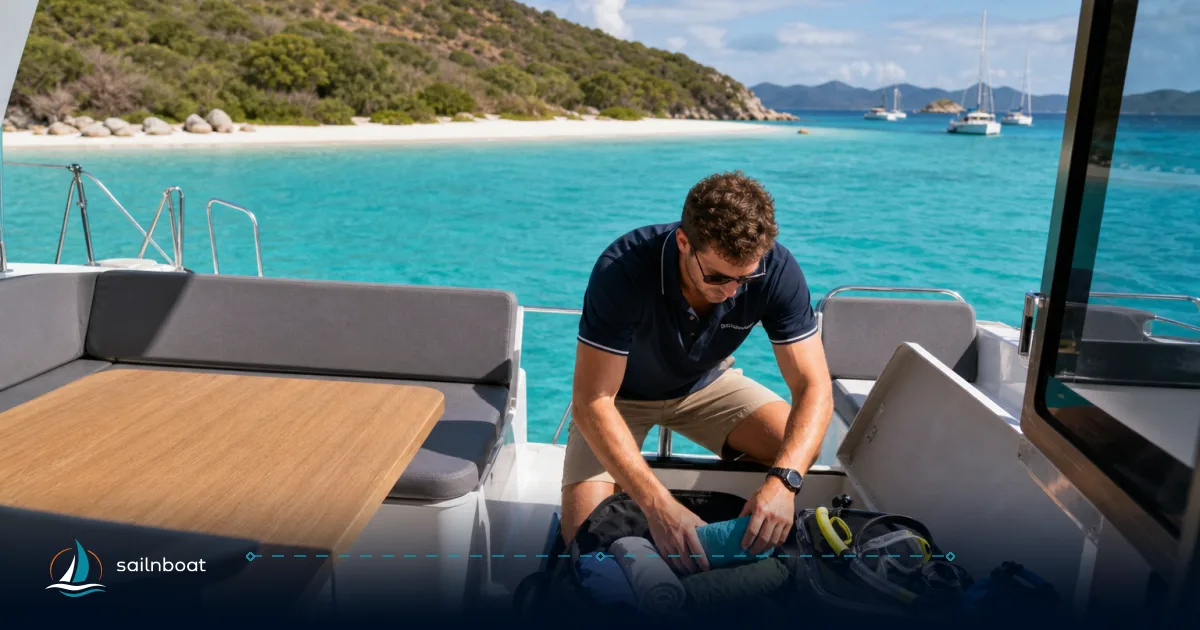
For a typical week‑long BVI charter, pack a compact kit: personal safety items, reef‑safe sun protection, your best‑fitting mask and fins, and lightweight technical clothing — leave bulky, one‑off gear to Tortola’s rental shops. This article answers "what to pack for BVI sailing trip" directly with a decision‑ready list, what to rent in Road Town/Tortola, mooring etiquette, paperwork you cannot skip, and locker‑packing tactics so your boat stays tidy and safe.
Essential Sailing Gear: What to Bring and What to Rent
Must‑Have Gear for Your Trip
- Personal flotation and safety
- Personal PFD (lifejacket) sized and comfortable for you; if you have a preferred harness or tether for offshore legs, bring it. The yacht will carry the vessel’s required lifejackets and safety equipment, but personal items that must fit should be yours.
- Navigation & communications
- The charter boat will have its charts, GPS and VHF; bring a charged smartphone with offline charts and a power bank as backup, and a paper copy of your itinerary and emergency contacts.
- Clothing and sun protection
- Lightweight long‑sleeve UV (UPF) shirts, quick‑dry shorts, one light waterproof jacket, one pair of non‑marking deck shoes, a brimmed hat and polarized sunglasses.
- Reef‑safe sunscreen (see below) and lip balm with SPF.
- Snorkelling and water safety
- Bring a low‑volume mask and properly sized fins if you demand fit and comfort; a snorkel with a splash guard is useful. Pack thin wetsuit or rashguard for cooler mornings or extended swims.
- Health and small kit
- Small first‑aid kit, seasickness medication (tablets or patches), basic personal meds, insect repellent (DEET OK in small quantities), antiseptic, and sunscreen‑safe moisturiser.
- Practical extras
- Dry bags for valuables, a headlamp, small multi‑tool, spare phone cables, a small roll of duct tape and zip ties for temporary repairs.
What the charter usually supplies (and you shouldn’t pack unless you need a specific model)
- Main navigation instruments, VHF, life‑rafts and official safety gear.
- Primary lines, fenders and the boat’s shore power cables.
- Basic snorkel sets are commonly onboard, but quality and fit vary.
Items Available for Rent in Tortola (Tortola / Road Town / Nanny Cay)
- High‑quality snorkel gear and dive equipment (masks, adjustable fins, BCDs, tanks).
- Paddleboards, single kayaks and tandems; powerboat rentals are common at Nanny Cay.
- Fishing tackle and guided fishing charters.
- Specialty items: water‑proof camera housings, dive lights, and occasional technical sails or tender outboards. Note: availability changes seasonally; Nanny Cay and Road Town host the main rental options and a well‑stocked chandlery for spare parts and small purchases.
Mooring Buoy Etiquette and Necessary Items
Understanding Mooring Buoys
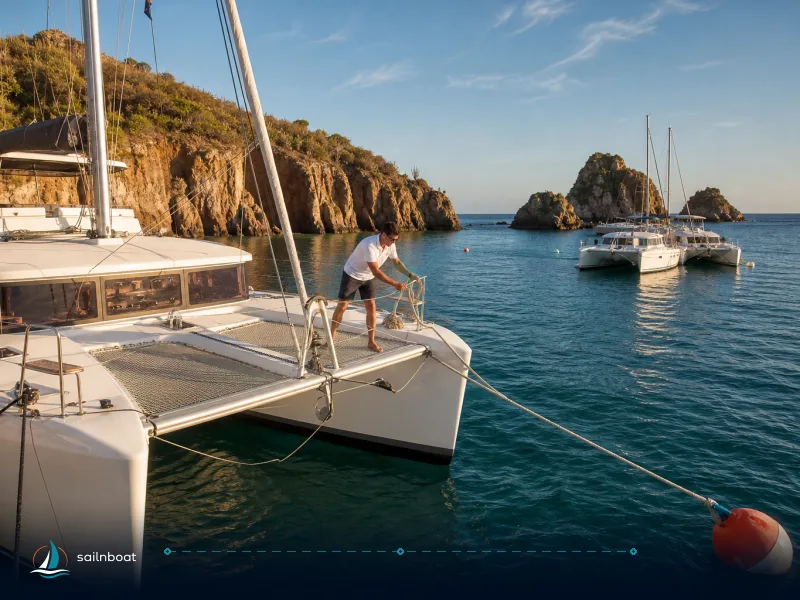
- Only use buoys intended for vessel mooring — many buoys are privately owned or managed by the National Parks Trust and are marked for that purpose.
- Approach a buoy slowly and into the wind or tide as conditions require so you can control speed and position.
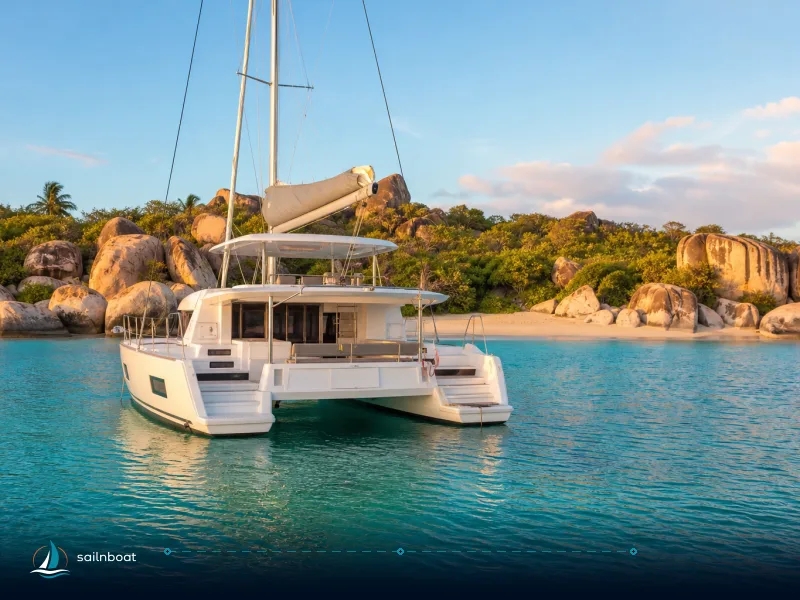
- Many BVI anchorages favour stern‑to moorings (bow to shore/reef, stern to buoy) for ease of dinghy access; practise a stern‑to approach at your home marina if you’re unfamiliar.
Proper Techniques and Behaviour
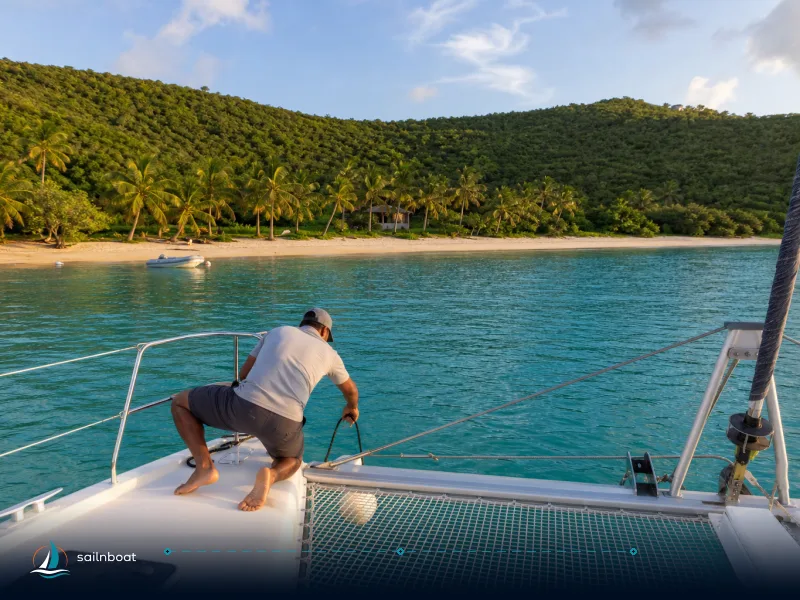
- Prepare lines and fenders before you arrive at the buoy. Have a boat hook ready to grab the mooring pennant.
- Make fast with a stern line and a spring or additional line if needed to hold position; keep a crew member on the bow and one at the stern to manage lines.
- Do not make fast to buoys not intended for mooring — ports regulations explicitly forbid using navigation buoys or unauthorized markers.
- Keep your dinghy clear of the main mooring area and follow local instructions for dinghy landing and beaching.
Essential Items for Mooring
- Boat hook (stiff, realistic reach for your crew).
- Two spare lines and extra fenders; one extra stern line gives you control when backing onto a buoy.
- Gloves for handling lines and a small knife readily accessible (safety tool).
- A torch / flashlight for night pickups and a VHF for contacting the marina or authorities when needed.
- Be prepared to pay National Parks mooring fees at popular sites; procedures and fees vary by site and are often collected at Customs, park offices or by the mooring attendant.
Reef‑Safe Sunscreen and Reef Shoes: Importance and Recommendations
Why Reef‑Safe Sunscreen Matters
- Scientific reviews and coral‑conservation programs identify several chemical UV filters (notably oxybenzone, octinoxate and others) as harmful to corals and marine life; using mineral sunscreens (non‑nano zinc oxide or titanium dioxide) reduces that risk.
- Many operators, marinas and conservation initiatives in the territory strongly encourage — and some explicitly require — mineral, reef‑friendly sunscreens and the use of UPF clothing during snorkel and swim activities.
- Best practice: cover with UPF clothing during peak sun hours (10:00–15:00) and use a mineral sunscreen for exposed areas.
Choosing the Right Reef Shoes
- Look for a snug, flexible sole with good grip and drainage. Thin neoprene booties are fine for rocky shoreline approaches; closed‑toe water shoes protect against coral cuts and sea urchins.
- Avoid hard, aggressive soles that can mark gelcoat or cause handling issues on deck.
- Reef shoes are inexpensive to buy locally in Tortola if you prefer not to pack weighty footwear.
Snorkelling Gear: To Pack or Rent?
Benefits of Packing Your Own Gear
- Fit and comfort: a mask that seals and fins that don’t pinch make long snorkel sessions pleasurable.
- Hygiene and familiarity: you know how your equipment performs and cleans.
- If you’re particular about optics (prescription or low‑volume masks), bring them.
Advantages of Renting in Tortola
- Saves locker space and weight on flights.
- High‑quality dive shops deliver gear to marinas — convenient for short trips or unexpected swaps.
- Renting gives you access to larger kit (scuba tanks, full dive sets) without checking bulky luggage.
Decision rule: Bring personal mask and fins if fit matters to you; consider renting full sets, dive tanks or rarely used items in Tortola.
Paperwork and Permits: What to Carry for a BVI Sailing Trip
Required Documents (carry originals and digital copies)
- Valid passport for each crew member.
- Vessel registration and proof of ownership or charter contract.
- Proof of insurance (marine liability and hull insurance) and emergency contact/medical insurance details.
- Any skipper qualifications or experience document requested by the charter operator — operators set their own minimums and may ask to see logbook evidence or a recognised certificate.
Practical tips
- The BVI requires that all vessels clear Customs & Immigration immediately on arrival; most captains speed this by pre‑filing an online notification (SailClear / the BVI ED Card) up to 72 hours before arrival. Have these receipts and your SailClear/ED Card ID available.
- There is normally a small environmental/tourism levy or port fees on arrival and occasional National Parks mooring fees; bring small US dollars and confirm amounts at check‑in.
- If you intend to fish, check local fishing licence rules — recreational fishing often requires a licence and gear rules are strict in Marine Parks.
Distinguish law vs charter practice: official authorities enforce customs/immigration and park rules; charter companies set their own qualification requirements and inventory lists — read your charter contract and ask the base what they expect you to present at handover.
Maximizing Space: Packing Tips for Small Yacht Lockers
Efficient Packing Strategies
- Soft luggage over hard suitcases — soft bags compress to fit locker shapes.
- Compression cubes or vacuum bags for clothing reduce volume and keep things dry.
- Dry bags for electronics and important documents; keep one medium‑size dry bag near the companionway for daily essentials.
- Pack multi‑use items: a sarong that works as a towel, an insulated bottle that doubles as a thermos.
Organising Your Locker
- Designate lockers: safety & navigation, clothing, galley extras, and daily gear. Mark with tape and inventory on a simple A4 sheet.
- Store heavy items low and central to maintain the yacht’s trim.
- Keep frequently used items (sun shirts, hat, sunscreen, water shoes) in a single accessible locker by the cockpit.
- Use mesh bags for damp items so they can ventilate and avoid mildew — drip‑dry the swim kit over the rail before stowing.
Packing checklist for a typical 7‑day charter (pack light, prioritise fit and function)
- Personal mask, snorkel, fins; reef shoes; UPF shirts (2–4); shorts (2–3); one light jacket; one smart‑casual outfit; underwear and sleepwear; small first‑aid kit; toiletries in leakproof bags; dry bag for phone and documents.
Local Rental Options in Tortola/Road Town
Recommended rental hubs and services
- Nanny Cay Marina: the main service hub near Road Town with a chandlery, watersports vendors, dive operators, and powerboat rental businesses — good for last‑minute purchases and larger rentals.
- Local dive shops in Road Town and Nanny Cay: rent and deliver snorkel sets, full scuba kits and tanks to your boat; many offer shore delivery. These shops also sell reef‑safe sunscreens and dive‑boots.
- Marina chandlery and vendors: replacement lines, fenders, repair items and basic sailing hardware are easy to find at Nanny Cay’s marina shops and Road Town supply stores.
Purchasing vs renting — short checklist
- Buy: personal masks/fins, reef shoes, UPF clothing, prescription items and small repair bits you’ll reuse.
- Rent: bulky dive gear, paddleboards, kayaks, full scuba sets, and infrequently used safety tools.
- If you sail the BVI regularly, buying your own high‑use items saves money over time; casual visitors save locker space by renting.
Final practical reminder: inventory your kit before handover and leave emergency contact details and a small spare tool kit with the charter base if required. Confirm local shop opening hours and rental reservations in high season — popular weeks book out.
Start planning your BVI sailing trip and ensure you have everything you need.
- Make a short “must‑have” checklist 72 hours before departure: passports and SailClear/ED Card ID, personal mask & fins, reef‑safe sunscreen, and a small dry bag with phone and documents.
- Call your charter base and Nanny Cay vendors the week before to confirm any rentals you need delivered at check‑in.
- Pack smart: fit‑critical and safety items travel with you; everything else can usually be rented ashore at reasonable rates.
Table — Pack, Rent or Leave Home (quick comparison)
| Item | Pack (bring) | Rent/Purchase in Tortola | Leave at Home |
|---|---|---|---|
| Mask & snorkel | Best fit — bring | — | — |
| Fins | Bring if you need precise fit | Rent basic fins | Heavy, old fins |
| Reef‑safe sunscreen | Bring (trusted brand) | Sold locally | Chemical sunscreens with oxybenzone/octinoxate |
| Paddleboard / kayak | — | Rent at Nanny Cay | Bring a full hardboard (bulk) |
| Scuba tanks / full dive kit | — | Rent from dive shop (delivery possible) | Heavy tanks in luggage |
| Personal PFD / harness | Bring | Some bases rent | No PFD at all |
| Wet/dry suit | Small shorty — bring if you need warmth | Rent rare | Full 7mm suit for tropical waters |
| Spare lines, fenders | Bring basic spares | Yacht supplies in chandlery | Large, overlong spare ground tackle |
| Dress or formal wear | One lightweight option | Buy locally if needed | Multiple heavy outfits |
— End of article —
Frequently Asked Questions
Bring fit‑critical personal items (mask, snorkel, fins, sunglasses, hat), reef‑safe sunscreen, quick‑dry clothing, a small first‑aid kit, a charged phone/charger, and any certificates or passports; you can rent larger or one‑off items in Tortola.
Nanny Cay’s chandlery and marina vendors, local dive shops and Road Town watersports providers rent snorkel sets, dive equipment, paddleboards and small watercraft; shops vary seasonally so check availability before arrival.
Approach slowly, use the appropriate mooring (only buoys intended for mooring), make fast stern‑to with lines and fenders, keep a lookout for other boats, and pay any National Parks or mooring fees where required.
Certain chemical UV filters harm coral and marine life; use mineral sunscreens (zinc or titanium dioxide) and cover up with UPF clothing to reduce reef impact and comply with local guidance.
Pack your own mask and fins if fit and comfort matter to you; rent basic sets in Tortola if you want to save locker space — expect rental quality and hygiene to vary.
Carry passports for all crew, vessel registration, proof of insurance and any skipper qualifications your charter company requires; pre‑file the BVI online immigration/ED card or SailClear notification as recommended.
Use soft luggage, compression bags, dry bags for electronics, a simple indexed packing map, and keep daily items in one accessible locker; limit shoes and dresswear.
Nanny Cay’s chandlery and vendor directory, dive shops in Road Town (which rent and deliver gear), and small watersports operators around the marinas are the main options; stock and brands vary.
Written by
Sailnboat Editorial
The Sailnboat editorial desk covers yacht and boat chartering worldwide — routes, bases, seasons, boat types, paperwork and the practical costs that decide a trip. We are a charter marketplace, not a boat owner or a local agency: what we sell is judgement and support, so our guides are written to help you make a decision, not to sell you a specific boat. Every guide is checked against live operator and marina data before it goes out.
Fact-checked against live operator and marina data, and published under our editorial standards. Last reviewed: .