A Captain’s Log: Exploring Cooper Island & Manchioneel Bay
Practical, step‑by‑step advice for visiting Cooper Island and Manchioneel Bay: how the mooring field works, where to snorkel (Cistern Point), what Cooper Island Beach Club offers, and how to reserve a ball.

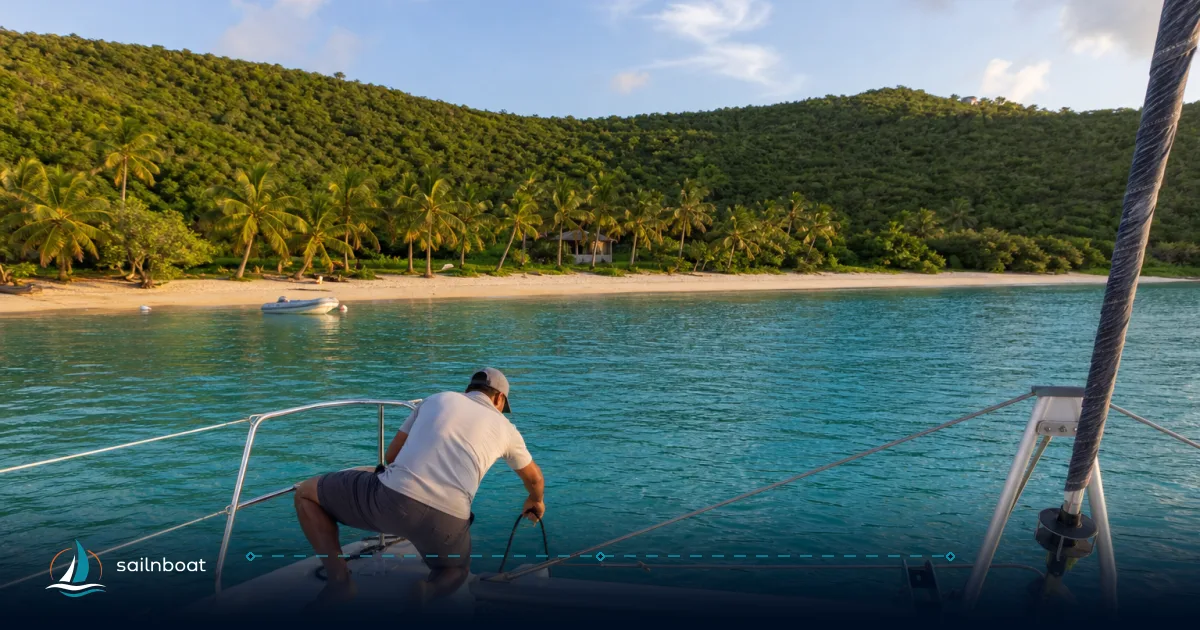
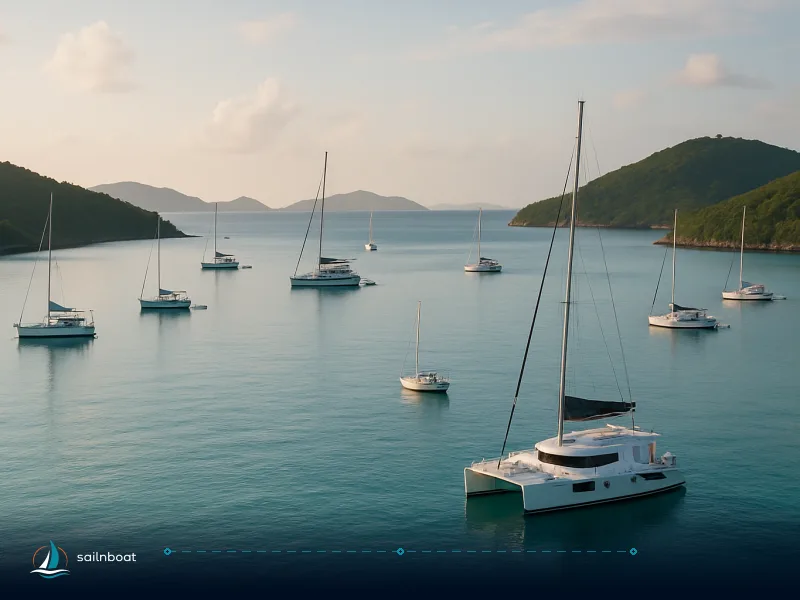
Cooper is a short hop from Tortola but a world apart in logistics: Manchioneel Bay’s small mooring field (currently 36 BoatyBall buoys for boats to about 60 ft) fills fast, so your decision is simple—reserve if you must be there overnight, or arrive early and have a backup plan.
Mooring Options and Fees in Manchioneel Bay
Mooring Field Details
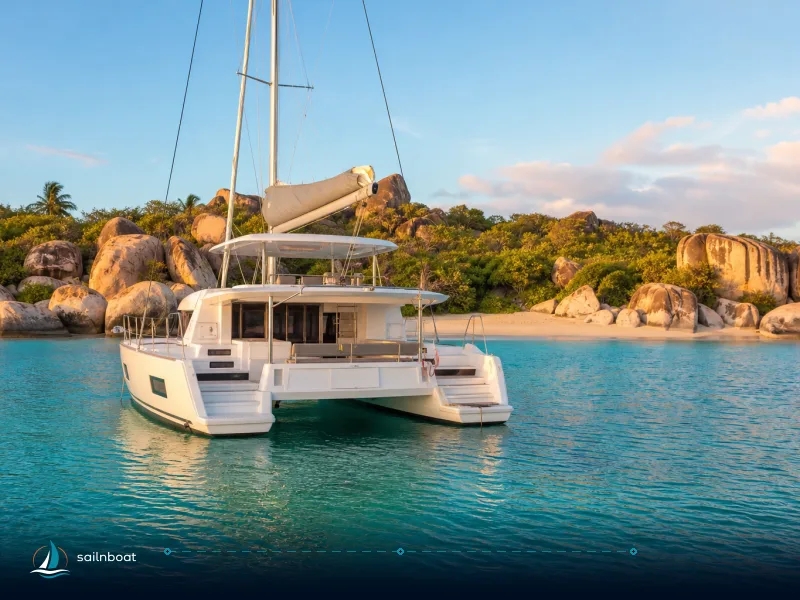
The mooring field in Manchioneel Bay (the lagoon side of Cooper Island) is a compact, managed field of 36 BoatyBall moorings and is intended to accommodate vessels up to about 60 ft in length. The field mixes reservable and first‑come balls; reservable balls are the easiest way to guarantee overnight space during high season.
Operational notes you need:
- The reservable balls are run through the BoatyBall system and are visually distinct (orange/marked). Expect the reservable rate to be higher than FCFS.
- In busy season the field can be full by mid‑day; arriving after noon without a reservation is risky. Plan an alternative anchorage or second choice in case the field is full.
First‑Come, First‑Served Moorings
First‑come, first‑served (FCFS) balls remain available but are limited in number and fill quickly, particularly on weekends, holidays and peak winter weeks. Typical FCFS rates commonly sit in the $30–40 per night band; these balls cannot be pre‑booked and availability depends on turn‑over each day. If you intend to use FCFS, aim to arrive early (pre‑noon in high season) and have the crew ready to fend and secure quickly.
Table: Mooring options at a glance
| Type | Typical cost (USD/night) | Reservable? | Max vessel | Practical notes |
|---|---|---|---|---|
| BoatyBall (reservable) | $55 | Yes | ~60 ft | Guaranteed if booked; orange/numbered balls. |
| First‑come (FCFS) | $30–40 | No | ~60 ft | Arrive early; fills fast on busy days. |
| Anchor outside field | Free (no ball fee) | N/A | Any (where depth allows) | Must anchor beyond seagrass; see regulations below. |
Local Attractions: Rum Bar and Brewery
Cooper Island Beach Club Facilities
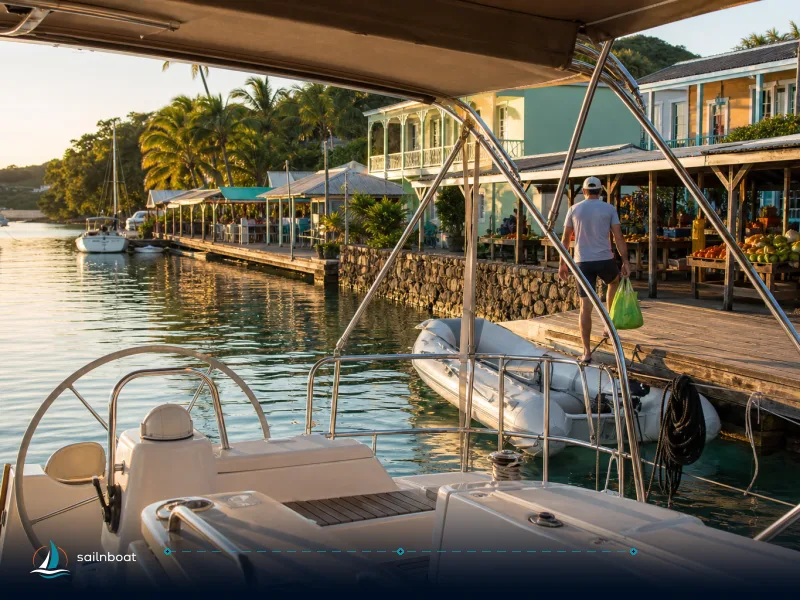
Cooper Island Beach Club operates a compact but well‑appointed set of services for yachts: a restaurant serving local and island‑style food, a rum bar, a coffee shop and a boutique with island essentials and gifts. The property emphasizes off‑grid sustainability and advertises a solar‑powered microbrewery on site—the BVI’s first such microbrewery—so you can expect a rotating list of draft beers brewed on the island when it’s operating. Facilities are open to day visitors as capacity allows, but hours and offerings can change seasonally.
What matters for your boat:
- The Beach Club accepts dinghies and provides a dinghy line at Cistern Point; tie your dinghy to the line rather than beaching if possible. There is limited space ashore for groups—plan your timing.
- Expect island prices for food and drinks; the rum bar has an extensive Caribbean rum selection and is the social centre in the afternoon/evening. Plan for busy service during peak charter weeks.
Rum Bar Experience
The rum bar is small, relaxed and focused on local expressions—good for an evening with your crew after a day on the water. If you want a table for dinner in high season, book ahead through the Beach Club’s reservation channels or arrive before the dinner rush. The microbrewery taps may rotate daily; if a craft‑beer tasting matters to you, check availability in the morning.
Snorkeling Spots Near Cooper Island
Cistern Point
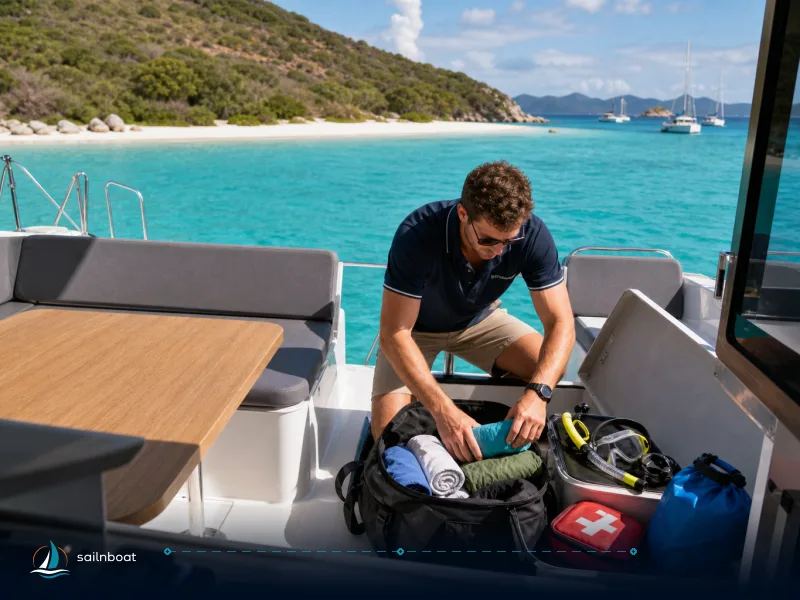
Cistern Point (the west‑facing point of the island adjacent to Manchioneel Bay) is the standout snorkel: a protected shallow area with extensive seagrass beds and nearby rocky reef edges. Turtles and southern stingrays are sometimes seen in the seagrass; queen conch and reef fish may be present on the nearby rockier bits. There’s a dinghy line and a shallow access point for snorkelers—use the line to secure your tender and enter the water without damaging the grass.
Snorkel safety tips for Cistern Point:
- Avoid finning directly over seagrass; enter and swim parallel to shore until you reach the reef edge.
- Water clarity varies with trade‑wind chop and recent rains; pick the calmest day and check surface chop before launching the crew.
- Bring reef‑safe sunscreen and avoid touching marine life—seagrass is a fragile habitat.
Other Recommended Sites
- The short reef edges around Cooper Island’s beach and the immediate rock outcrops provide quick, sheltered snorkels when conditions are calm. If the Bay is crowded, a short run to nearby Salt Island or the reefs off Ginger Island offers larger reef faces and wreck dives (but requires planning). Consult your dive operator or the Beach Club for local recommendations that match sea state and crew ability.
Regulations for Visiting Cooper Island
Mooring Field Rules
Manchioneel Bay’s mooring field is part of a monitored seagrass site and is actively managed to protect the benthic habitat. Anchoring inside the mooring field is prohibited to avoid damage to the seagrass and monitored transects; enforcement and penalties are locally variable, but the rule is widely publicised and followed by operators. Use the mooring balls rather than trying to anchor through the field.
Practical compliance checklist:
- Do not drop your hook inside the field. If all balls are taken, move outside the field to anchor on sand beyond the seagrass band or go to a nearby alternative bay.
- Dispose of trash only at approved facilities—Cooper Island and nearby marinas have variable waste acceptance; confirm before leaving your rubbish by boat.
Anchoring Outside the Field
Anchoring outside the designated mooring field is generally allowed where there is sand and clear water beyond the seagrass. Avoid setting anchor in any visible seagrass; good practice is to approach slowly, use a spotting crew to check for grass on the seabed, and pick a sandy patch. If in doubt, get a charter base or local operator’s advice for nearby legal anchorages.
Safety note: seagrass beds are shallow and holding in mixed sand/seagrass can be variable; use appropriate scope and check set after settling. When the moorings are available and intact, they are the preferred, low‑impact option.
Reserving a Mooring Ball in Manchioneel Bay
Using BoatyBall
BoatyBall runs the reservable moorings in the BVI, including the reservable portion at Cooper/Manchioneel. The practical reservation flow:
- Create a BoatyBall account (website or app) and add payment details.
- Search for Cooper Island / Manchioneel Bay and select the date. Reservable balls are clearly listed; typical reservable price is $55/night.
- Complete the payment to hold the ball—once booked the ball is held for your arrival for that night. Note: reservable balls are a small subset of the field; if you need guaranteed space, book in advance, especially in high season.
Operational tip: some users report a timed release window when new reservable balls are made available each morning (users aiming for last‑minute bookings often log on at the platform’s release time). If you plan last‑minute travel, treat release times like a limited window and have payment ready.
Contacting Local Authorities and the Beach Club
- For questions about mooring condition, local seagrass monitoring or permitted behaviour, the British Virgin Islands’ conservation authorities oversee protected sites; contact details are published through local government channels. When in doubt about where to place your anchor, ask the Cooper Island Beach Club team on arrival or your charter base for the officially recommended spots.
Practical workflow before arrival:
- Reserve via BoatyBall if you require a guaranteed spot.
- If not reserving, plan to arrive early and have a low‑impact anchoring plan in mind (sand beyond seagrass).
Captain’s Practical Checklist (quick)
- Reserve a BoatyBall if you need to be in Manchioneel Bay overnight (reservable balls typically $55/night).
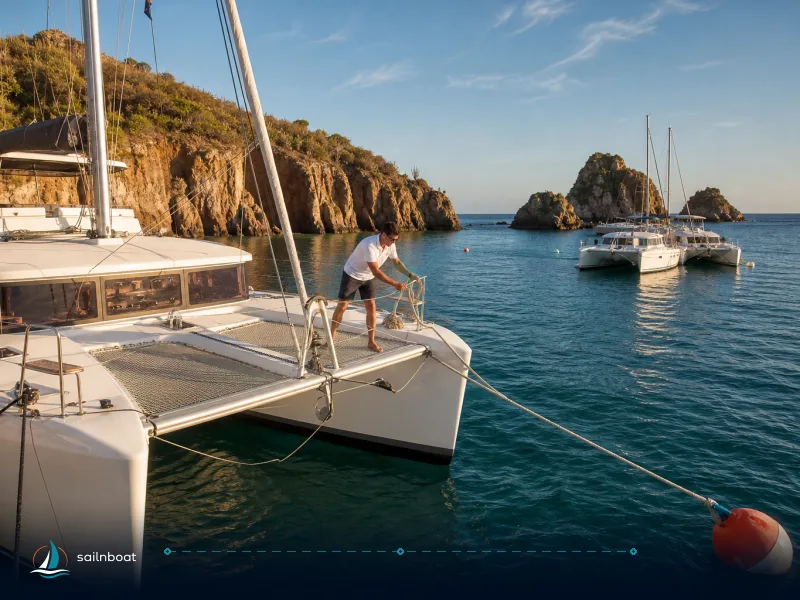
- If using FCFS balls, arrive before noon in high season; have crew ready with fenders and lines.
- Never anchor inside the mooring field—seagrass monitoring sites are sensitive and protected. Use sand beyond the grass if you must anchor.
- Use the dinghy line at Cistern Point; avoid beaching your tender on seagrass.
- Check Beach Club opening hours and waste policy before arrival; hours and services vary seasonally.
Plan your timing, pick a reservation strategy, and treat the mooring field as a protected resource—not just a convenience. If you get the logistics right, you’ll be rewarded with an easyshore meal, rum or island brew and a short swim to Cistern Point for a turtle encounter.
Plan your sailing trip to Cooper Island and reserve your mooring today.
Frequently Asked Questions
Manchioneel Bay has a managed BoatyBall mooring field of roughly 30 balls for vessels up to about 60 ft. Reservable BoatyBall moorings are typically priced at $55 per night; first‑come, first‑served balls are commonly in the $30–40/night range, though rates and availability vary by season and operator.
The Beach Club operates a restaurant, rum bar, coffee shop, small boutique and a solar‑powered microbrewery; facilities are open to hotel guests and day visitors when operating. Expect limited capacity at peak times.
Cistern Point (the western point of Cooper Island) is the primary snorkel: seagrass beds attract turtles, rays and conch. There are also small reef edges and rock outcrops off the beach club worth checking, conditions permitting.
Anchoring inside the Manchioneel Bay mooring field is prohibited to protect seagrass and monitored sites; anchoring outside the mooring field—on sand beyond the seagrass—is the common alternative. Local rules and enforcement can vary.
Use the BoatyBall platform (website/app) to search Cooper Island/Manchioneel Bay and reserve a ball for the night; online reservable balls cost about $55/night and are clearly marked. If you prefer, contact Cooper Island Beach Club or local charter base for advice during busy periods.
Written by
Sailnboat Editorial
The Sailnboat editorial desk covers yacht and boat chartering worldwide — routes, bases, seasons, boat types, paperwork and the practical costs that decide a trip. We are a charter marketplace, not a boat owner or a local agency: what we sell is judgement and support, so our guides are written to help you make a decision, not to sell you a specific boat. Every guide is checked against live operator and marina data before it goes out.
Fact-checked against live operator and marina data, and published under our editorial standards. Last reviewed: .