10 Best Day Sails in the BVI: Routes, Snorkels & Beach Stops
Ten practical, single-day sailing routes in the British Virgin Islands with start points, snorkeling highlights, typical mooring costs in EUR, and local dining/amenity notes.

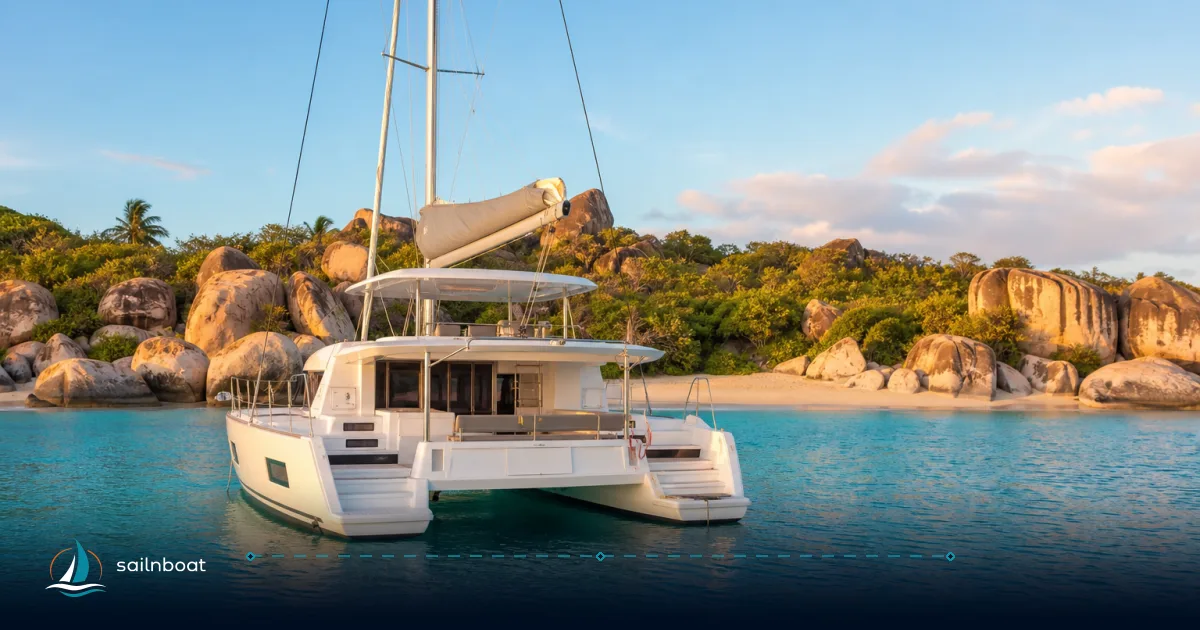
A properly planned bvi day sail gets you from your base to a top snorkel, a sandy beach and a beach bar in a single afternoon — often without more than 1–3 hours total sailing. Below are ten practical, single‑day routes that give you exact start points, what to see and swim, typical mooring costs in EUR, ideal weather windows and where to eat so your crew can pick the right day for the right mood.
Introduction to BVI Day Sails
A day sail in the British Virgin Islands is about short hops, reliable trade winds and choices: swim a reef in the morning, lunch at a beach shack, an afternoon beach walk and a sheltered evening mooring. Most charters start from bases in Road Town (Tortola) or North Sound (Virgin Gorda), with a smaller number from Scrub Island. That base choice affects distances and which highlights you can reach comfortably in a single day. Expect 2–4 stops per day; aim to be anchored or on a mooring by midday at the first snorkel to avoid afternoon crowds on popular sites.
Practical baseline to plan from:
- Weather window: December–April gives the steadiest ENE trades and lowest rainfall; summer brings heat, occasional squalls and hurricane-season risk (June–November).
- Mooring fees: many commonly used moorings now sit in a broadly consistent band: about $30–$60 USD per night depending on site and season — roughly €27–€54 using the current EUR/USD rate (1 EUR ≈ 1.1156 USD on Oct 29, 2026). Use reservable orange BoatyBall where you need certainty; white balls are usually first‑come.
- National Parks Trust: several top snorkel sites (The Indians, The Baths, RMS Rhone) are managed by the Trust and require use of designated moorings and permit compliance. Treat moorings as mandatory at those sites.
1. Norman Island to The Indians
Route Details
Start at: Road Town (Tortola) — 6–8 nm to The Bight, Norman Island (typically 1.5–2 hours under sail), or start from an overnight at The Bight if already in‑field. From The Bight, reach The Indians in roughly 5–15 minutes by tender or a short (~1–2 nm) hop by yacht, depending where you leave the Bight from. The Indians sit just off Pelican Island and are a straightforward morning snorkel on most days.
Snorkeling Highlights
The Indians are pinnacles with healthy coral gardens and swim‑throughs; expect dense reef fish (parrotfish, blue tangs, sergeant majors) and a reasonable chance of sea turtles and rays on calm days. Enter from the swim platform or dinghy — there’s no beach access.
Mooring Fees & Amenities
Mooring: first‑come white moorings and some reservable options — typical overnight mooring fees across Norman Island landings fall into the $35–$55 USD band (≈ €31–€49, approximate). Pirate’s Bight has dinghy access to a restaurant and collects mooring ball fees; Willy T and the Bight atmosphere are focal points for late‑day anchoring if you want lively evening vibes.
2. Cooper Island to The Baths (Virgin Gorda)
Route Details
Start at: Road Town (Tortola) — 7–8 nm to Cooper Island (typically 1.5–2 hours under sail), or Scrub Island base (about 6 nm). Alternatively, this route assumes an overnight at Cooper Island if already on a multi-day itinerary. From Cooper Island, sail east across the Sir Francis Drake Channel; typical passage into The Baths area is about 4–6 nautical miles depending on start point and track, a short, protected hop through the Channel.
Beach & Snorkeling Stops
Devil’s Bay at The Baths has shallow reef edges and sheltered swimming for snorkelers; the Baths’ granite boulder walk is the must‑do shore exploration. Cooper Island also has a protected mooring field with immediate beach and shallow coral for a gentle snorkel.
Mooring & Dining
Mooring fees in these Virgin Gorda/Cooper Island fields typically fit the $35–$55 USD band (≈ €31–€49, approximate). Cooper Island Beach Club has a reliable restaurant, dinghy dock and a dedicated mooring field with both FCFS and reservable balls; The Baths National Park charges a per‑person park entry and enforces mooring use during busy times.
3. Jost Van Dyke: White Bay & Sandy Spit
Route Details
Start at: Road Town (Tortola) — plan a 6–13 nm sail (typically 1.5–3 hours depending on your start point and wind) across the Sir Francis Drake Channel. Scrub Island base is also feasible, with a slightly longer leg. Pick your day by the wind: an ENE trade produces a comfortable reach into White Bay.
Snorkeling & Beach Activities
White Bay’s shallow sand shallows are ideal for easy snorkeling, and Sandy Spit offers a short reef swim on calm days. The Bubbly Pool (a short walk from a dinghy landing on Little Jost) is a unique rock pool to include if tides/swell permit. Afternoon beach time and sunset at a beach bar are the classic finish.
Mooring Fees & Options
Expect mooring ball fees in the same general band (converted roughly €27–€54, approximate) — many Jost fields are FCFS and fill early in high season. Beach bars like Soggy Dollar Bar and Foxy’s operate with limited card acceptance; bring small cash for faster service.
4. Anegada: The Lobster Day
Route Details
Start at: North Sound (Virgin Gorda) — 12–15 nm crossing to Anegada (commonly 2.5–3.5 hours under sail), or Road Town (Tortola) — longer at 18–22 nm (can take 4+ hours depending on conditions). Anegada is an all‑day proposition: start early.
Snorkeling & Activities
Anegada surrounds Horseshoe Reef — a vast shallow barrier reef system. Snorkel the protected bays and flats for broad coral gardens; bonefish flats and lobster restaurants make the island famous. Follow local guidance when transiting the reef approaches; some charter companies limit which fields you may use and how to approach.
Mooring & Dining
Anegada moorings and beachside racks are operated locally; expect mooring costs at the higher end of the common band due to remoteness (plan €30–€55 equivalent, approximate). Lobster shacks and Anegada Beach Club provide the meal reward — they may close seasonally and often prefer cash.
5. Scrub Island to Guana Island
Route Details
Start at: Scrub Island Marina (the nearest real charter base) — the hop to Guana Island is a short sail, often under 3 nautical miles (typically 30–45 minutes), making this ideal for a relaxed half‑day plus lunch. If starting from Road Town, add 8–10 nm to Scrub.
Snorkeling & Beach Stops
Guana’s reefs and sandy coves are shallow and swimmer‑friendly; guided snorkel loops or a short hike ashore reward explorers. Scrub Island’s sheltered waters are calm and good for skill practice.
Mooring Fees & Amenities
Resort and private island moorings have set rules; expect marina or reserved mooring costs (often at the same general $35–$55 band for resort moorings, ≈ €31–€49, approximate), and small resort restaurants will require reservations for larger groups.
6. Peter Island: Beach & Relaxation (Deadman’s Bay / Little Harbour)
Route Details
Start at: Road Town (Tortola) — the sail to Peter Island is short and protected, roughly 5–7 nm (usually 1–2 hours under sail) depending on your slip — letting you spend the day exploring a single island thoroughly.
Snorkeling & Beach Activities
Deadman’s Bay and Little Harbour have sand beaches and nearby shallow coral heads for an easy snorkel; there are short island walks and the resort area offers beach services if you want a table and shade.
Mooring Fees & Dining
Peter Island Resort operates private resort moorings and reserves parts of the bay for guests; expect resort moorings to be pricier (upper end of the local mooring range, sometimes higher than €55). If you plan to use resort facilities, check access rules and landing charges in advance.
7. Practical Considerations for Your BVI Day Sail
Weather Windows
- Best overall season: December–April for steady ENE trades and lower rain. Expect average trade winds in the 10–20 kt range some days; occasional stronger winds can occur in winter. Hurricane season runs June–November, with highest risk and storms focused in Aug–Oct.
Mooring Availability
- Moorings are managed either by the National Parks Trust (park moorings), local resorts or private operators. Many popular fields publish FCFS white moorings and reservable orange balls (BoatyBall); reservable balls sell out early in high season. Typical posted daily mooring ranges across operators are $30–$60 USD (roughly €27–€54, approximate). Carry spare cash and a credit card for marina dues.
Dining & Reservations
- On popular stops (The Bight, Cooper Island, Soggy Dollar, Foxy’s, Anegada lobster bars, Leverick Bay) restaurants are reliable but small; reserve larger tables for groups and bring cash for island bars that are cash‑preferred. If your itinerary hinges on a specific lunch spot, call ahead via VHF or phone in the morning.
Safety & Navigation
- Use charts and pilot guides for reef approaches; many sites prohibit anchoring and require mooring buoy use (RMS Rhone, The Baths, The Indians). If a passage crosses open Atlantic (Anegada legs, exposed north coasts), only attempt in good weather and with conservative fuel/margin planning. Listen to local WX broadcasts and file your plan with your charter company.
8. Salt Island, RMS Rhone & the Bubbly Pool
Route Details
Start at: Road Town (Tortola) — 6–7 nm to Salt Island (usually 1–2 hours under sail), or Norman Island if already overnighted there (short run). The Rhone mooring field is day‑use and typically fills quickly when dive boats are present.
Snorkeling Highlights
RMS Rhone is a protected wreck and marine reserve with abundant reef fish and structure — a standout snorkel/dive. Follow the Trust’s mooring rules; do not anchor on the wreck. Nearby Salt Island walks and the Bubbly Pool (on Jost Van Dyke side) make good paired stops.
Mooring & Amenities
National Parks moorings operate at the Rhone site (permit and buoy use applies); convert typical local mooring costs into roughly €27–€54 (approximate) for planning. Diving operators and local charters frequently handle day trips here.
9. Cane Garden Bay & Smuggler’s Cove (Tortola West)
Route Details
Start at: Road Town or Soper’s Hole (Tortola) — sail west along Tortola’s north coast for about 8–12 nm (typically 2–3 hours) depending on the harbour of origin. Cane Garden Bay is a handy afternoon stop on a round‑Tortola day.
Snorkeling & Beach Stops
Smuggler’s Cove is a quieter beach with coral close to shore and a short walk/hike; Cane Garden Bay has a long beach ideal for crew who want shade, refreshments and a short beach bar lunch. Expect more local day visitors; plan your arrival mid‑afternoon or earlier to secure space.
Mooring Fees & Dining
Cane Garden Bay supports moorings and beach bars; expect the common mooring range in USD (convert to around €27–€54, approximate). Local restaurants serve fresh catch and standard Caribbean menus. Book larger groups in advance during peak weeks.
10. Sandy Cay & Sandy Spit Loop (short, classic)
Route Details
Start at: Road Town (Tortola) — 7–8 nm to Sandy Cay (typically 1.5–2 hours under sail), or Norman Island if already overnighted there (short loop). Do a 1–3 hour circuit that includes Sandy Cay and Sandy Spit for a full‑beach morning, then return for lunch at Cooper Island or The Bight. Distances are short — ideal when you want sand and calm water with minimal sailing time.
Snorkeling & Beach Time
Both shoals offer shallow reef fringes and excellent little beaches for picnic lunches and easy swims. Sandy Spit is tiny and exposed — don’t expect shade. Carry water and sunscreen.
Mooring & Amenities
These cays are park‑managed in places and usually FCFS moorings or beach landing only; plan for a simple beach day with limited amenities and budget for a nearby restaurant later if you want a full meal.
Quick comparison table — one line at a glance
| Route (start) | Typical distance (nm) | Key snorkel/beach | Typical mooring band (EUR) |
|---|---|---|---|
| Road Town → The Bight, Norman Is → The Indians | 6–8 nm + ~1–2 nm | The Indians pinnacles; Norman Caves | €30–50 (approx). |
| Road Town → Cooper Is → The Baths (Virgin Gorda) | 7–8 nm + ~4–6 nm | Devil’s Bay, boulder walk | €31–49 (approx). |
| Road Town → Jost Van Dyke (White Bay) | ~6–13 nm | White Bay, Sandy Spit, Bubbly Pool | €27–54 (approx). |
| North Sound (VG) → Anegada | ~12–15 nm | Horseshoe Reef, lobster bars | €30–55 (approx). |
| Scrub Is → Guana Is | ~3 nm | Guana reefs, beaches | €31–49 (resort fields, approx). |
| Road Town → Peter Island | ~5–7 nm | Deadman’s Bay, Little Harbour | €30–55 (resort higher, approx). |
| North Sound loop (Leverick/Saba Rock) | Short hops in protected water | Saba Rock, Leverick reefs | €31–55 (resort moorings, approx). |
| Road Town → Salt Island (RMS Rhone) | ~6–7 nm | RMS Rhone wreck/snorkel | €27–54 (marine‑park moorings, approx). |
| Road Town/Soper’s → Cane Garden Bay & Smuggler’s Cove | ~8–12 nm | Smuggler’s Cove reef, Cane Garden beach | €27–54 (approx). |
| Road Town → Sandy Cay / Sandy Spit loop | ~7–8 nm loop | Small beaches, shallow reefs | €0–€35 (often landing only, approx). |
Notes on the numbers: mooring bands reflect commonly posted $30–$60 USD fields converted to EUR at the current Oct 29, 2026 reference rate (1 EUR ≈ 1.1156 USD). Individual locations and operators publish specific fees and seasonal adjustments; use the mooring‑field operator or your charter company for the exact amount on the day.
Final tips for first‑time charterers
- Start early: popular first‑come mooring fields fill by midday in high season. If you need a specific ball, use a BoatyBall reservation where available.
- Fuel and time margins: Anegada and some exposed north‑coast legs are the day’s longest passages—plan fuel and allow time for a slow return if the wind freshens.
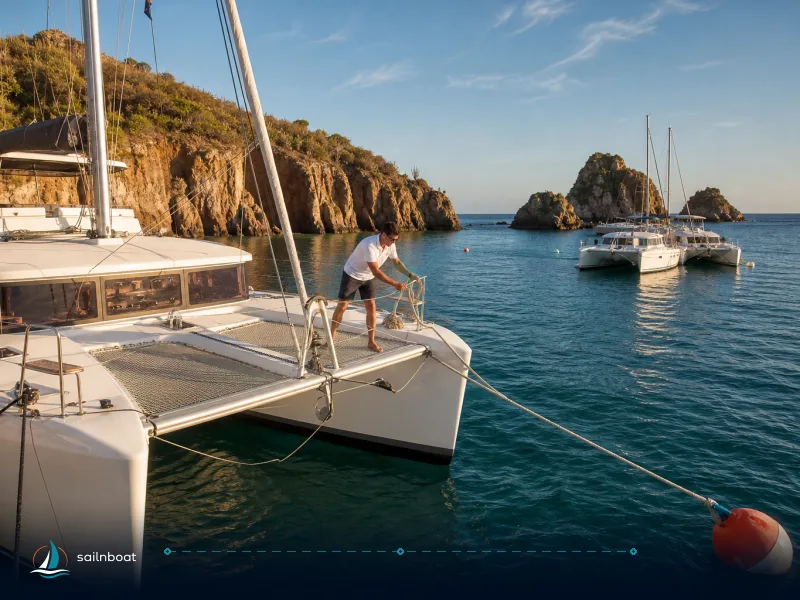
- Mooring practice: run through catching a mooring ball in calm water before you need it; handover checklists often include a mooring‑ball practice. Many charter companies expect skippers to show competence early at base.
- Money & payments: small island bars and some park entrances operate cash‑preferred or exact‑change systems; carry small USD and a card for marinas.
Plan your day sail Choose the route that matches your crew’s appetite: short sheltered hops and beach time (Norman/Cooper/Sandy Spit), a culture/food day (Anegada lobster), or a dive/snorkel focus (RMS Rhone / The Indians). Reserve any essential moorings or restaurant tables early, check the morning marine forecast, collect local mooring/park permits if required, and leave with a conservative weather plan for an easy, memorable bvi day sail.
Frequently Asked Questions
Ten strong one-day options: Norman Island → The Indians; Cooper Island → The Baths (Virgin Gorda); Road Town → Jost Van Dyke (White Bay & Sandy Spit); Virgin Gorda → Anegada; Scrub Island → Guana Island; Road Town → Peter Island (Deadman’s Bay/Little Harbour); North Sound loop (Saba Rock/Leverick Bay/Bitter End); Salt Island → RMS Rhone & Bubbly Pool; Road Town → Cane Garden Bay & Smuggler’s Cove; and the Sandy Cay / Sandy Spit loop — each pairs a snorkel, a beach and a lunch bar.
Must-sees: The Bight (Norman Island), The Indians pinnacles, The Baths/Devil’s Bay (Virgin Gorda), White Bay (Jost Van Dyke), Sandy Spit, Horseshoe Reef (Anegada), Deadman’s Bay (Peter Island), Smuggler’s Cove and Cane Garden Bay (Tortola), plus Salt Island’s Rhone site and the Bubbly Pool.
Top snorkels for a day sail: The Indians and Norman Island Caves, Devil’s Bay/Devil’s Bay reef at The Baths, the shallow coral gardens off Cooper Island, the RMS Rhone site (Salt Island) for snorkelers/divers, and the reefs around Anegada (Horseshoe Reef).
Typical day/overnight mooring balls commonly fall in roughly $30–$60 USD (about €27–€54 at the current October 29, 2026 rate), varying by location, operator and season; popular fields (The Bight, Leverick/Great Harbour, Anegada) sit at the upper end. Reservable orange BoatyBall options cost more than first‑come white balls.
Optimal window: December–April for steadier ENE trade winds and lower rainfall; expect 10–20 kt trades some days and occasional stronger 'Christmas Winds' in winter. Outside that window you’ll face warmer seas and higher hurricane risk (June–November).
Yes — key stops with reliable beach restaurants/bars: Pirate’s Bight (Norman Island), Cooper Island Beach Club (Cooper Island), The Baths’s park cafes (Virgin Gorda), Soggy Dollar / Foxy’s / Foxy’s Taboo (Jost Van Dyke), Leverick Bay & Saba Rock (North Sound), and a handful of lobster shacks and small restaurants on Anegada and Cane Garden Bay.
Plan sheltered routes if the trades are strong, practice picking up mooring balls, start early to secure first-come moorings, know that NPT mooring permit and park rules apply at many sites, and always check the daily marine forecast plus local WX broadcasts before departure.
Written by
Sailnboat Editorial
The Sailnboat editorial desk covers yacht and boat chartering worldwide — routes, bases, seasons, boat types, paperwork and the practical costs that decide a trip. We are a charter marketplace, not a boat owner or a local agency: what we sell is judgement and support, so our guides are written to help you make a decision, not to sell you a specific boat. Every guide is checked against live operator and marina data before it goes out.
Fact-checked against live operator and marina data, and published under our editorial standards. Last reviewed: .