How to Charter a Yacht in the Caribbean: A Step-by-Step Guide
A practical, step‑by‑step guide to chartering a yacht in the Caribbean: pick the right base, decide bareboat vs crewed, assemble documents and budget for all the extras.

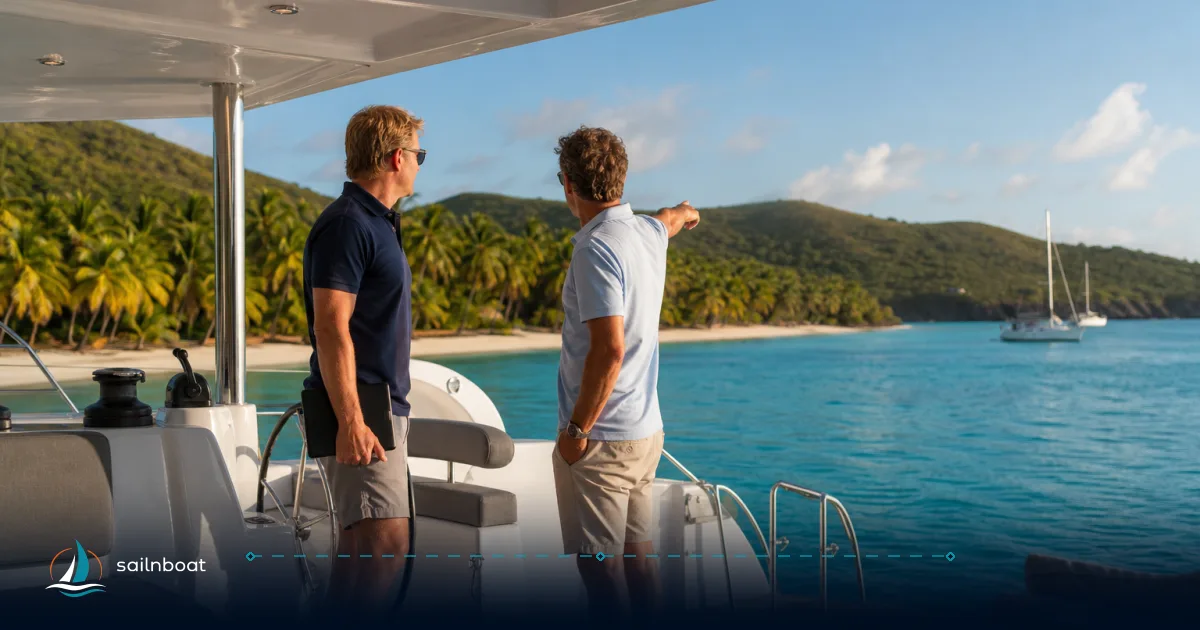
Chartering in the Caribbean starts with one decision: which base you use — it shapes the cruise area, the paperwork, and the real cost. If you want to charter a yacht in the Caribbean, pick the cruising ground first (BVI, Bahamas, Leewards, Windwards) and then choose bareboat or crewed depending on your experience and budget; do this and the rest (licences, deposit, provisioning) falls into a predictable checklist.
Choosing the Right Charter Base
Picking a base is the highest‑leverage choice you’ll make. It determines how long you’ll spend in transit, what anchorages you can reach in a single day, how easy provisioning and customs are, and what on‑base services (skippers, mechanics, provisioning deliveries) are available.
Top Charter Bases in the Caribbean
Below is a compact comparison to help you choose. Note the trade‑offs: accessibility and infrastructure versus quieter anchorages and longer daily hops.
| Base | Best for | Pros | Considerations |
|---|---|---|---|
| Tortola (BVI) | Classic short‑hop sailing, sheltered anchorages | Dense mooring field network, short distances between islands, large bareboat fleet and many bases (Road Town, Nanny Cay). | BVI is high demand in high season; customs/clearance procedures when entering from USVI can add time. |
| Nassau / Abaco (Bahamas) | Easy access from Florida; wide island choices | Broad cruising area (Exumas, Abacos), good international flights to Nassau, large charter operators present. | Longer passages between some islands; Bahamas applies a charter fee/tax that affects total cost. |
| St Martin | Mixed culture, excellent provisioning and marinas | Well‑connected flights, good marina infrastructure (Marigot/Simpson Bay), easy provisioning and customs. | Border between French and Dutch sides needs attention for clearing in/out. |
| Antigua (English/Falmouth Harbour) | Rally and event centre; deep‑water harbours | Excellent superyacht and service infrastructure (Falmouth, English Harbour), many provisioning options. | Larger distances to some nearby islands; popular during regattas. |
| St Vincent / Bequia (Grenadines) | Quieter anchorages, island‑hopping to Mustique/Canouan | Less crowded anchorages, authentic local culture, short hops between islands in the Grenadines. | Fewer large bases — charter selection smaller; some crossings can be rolly depending on wind. |
How to pick: if you want sheltered, short sails and mooring fields, choose the BVI (Tortola). If you want long blue‑water hops or easy US access, choose the Bahamas (Nassau/Abaco). If you prioritise marina amenities and flights, St Martin or Antigua are best. For quieter, low‑traffic sailing, pick the Grenadines (Bequia, St Vincent).
Bareboat vs. Crewed Charters
Choosing bareboat or crewed is a trade‑off of control, cost and risk.
Cost Implications and Service Levels
-
Bareboat: you hire the boat and skipper liability sits with you; it is generally the lowest headline cost but requires confidence and documented experience. Typical bareboat weekly rates for modest monohulls start at the lower thousands (season and size dependent) while catamarans are materially more expensive; high‑season 40–46 ft catamarans commonly list significantly higher. Expect a security deposit or to buy a damage waiver on top of the weekly rate.
-
Crewed: you pay for the crew, meals if included, and service — the all‑inclusive crewed market is substantially pricier. Median crewed catamaran weeks in prime Caribbean areas often sit in the tens of thousands (many examples show mid‑five‑figure to six‑figure all‑inclusive rates depending on size and standard). A customary crew gratuity of roughly 15–20% is normal in Caribbean crewed charters. Plan for an Advance Provisioning Allowance (APA) that covers food, fuel and port fees; APA commonly runs 20–30% of the base charter on crewed yachts but varies by contract.
How to decide:
- You have the experience, the confidence to handle systems and an appetite for hands‑on sailing → bareboat (lower base cost, more active holiday).
- You want to relax, have meals prepared, or lack the required résumé/certificates → crewed/skippered. Skippers can be hired for a few hundred euros/dollars per day depending on destination and season.
Licensing and Documentation Requirements
There is no single Caribbean licence. Two practical realities matter: what the state requires, and what the charter company insists on.
Essential Licensing Information
-
Sailing résumé: Most Caribbean charter operators require a written sailing résumé documenting recent sea time and the size/type of boats you’ve skippered; this is the standard first filter for a bareboat booking. Some operators will accept recognised certificates (RYA, ASA/NauticEd or equivalent) as part of that evidence.
-
Checkout sail / base assessment: Many bases require a short on‑water check (a “checkout” with a base skipper) if your résumé is incomplete or the operator wants practical confirmation; the checkout can be a few hours or a day and may be charged. This is common practice across BVI/Caribbean bases.
-
Official licences and VHF: The ICC (International Certificate of Competence) and national certificates are widely recognised but are not universally mandated across every Caribbean jurisdiction; charter companies rely more on documented experience and a practical check than on any single licence. VHF/SRC is commonly recommended and sometimes requested for crewed or commercial operations.
-
Travel and customs paperwork: Passports (valid for at least six months is commonly advised), crew list, and any local arrival/departure cards are required; where you cross international borders you must clear customs and immigration — plan time for that during your itinerary. Different islands have different permit and tourist‑fee systems; the Bahamas applies a charter fee and some islands require cruising permits.
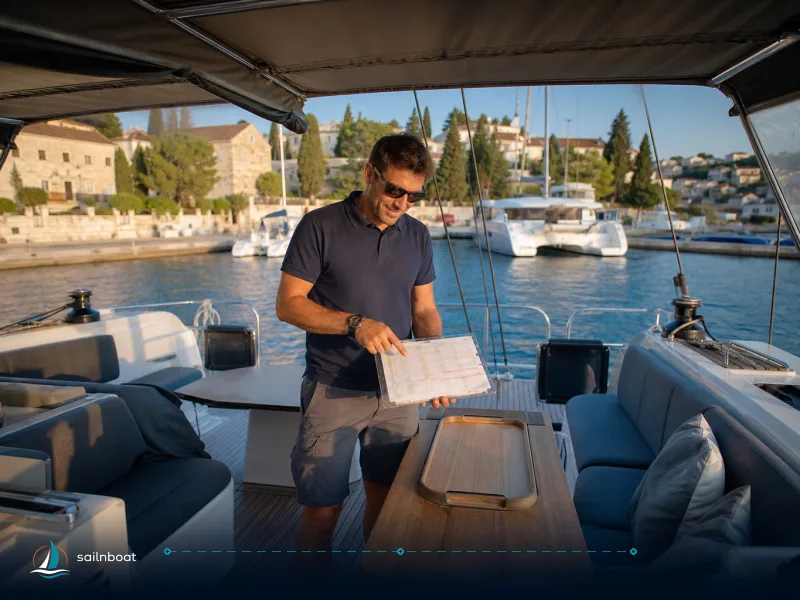
Operational advice: supply the résumé early during booking so the operator can triage if a checkout or skipper is needed; if you lack qualifying experience, budget for a skipper or choose a crewed boat.
Budgeting for Your Charter
Headline rates are only the start. Build your budget from four pillars: base charter fee, refundable security deposit or damage waiver, running costs (fuel, marina/park fees), and discretionary extras (APA, gratuity, toys).
Typical Costs Breakdown
The ranges below are widely reported across major charter operators and market analyses; use them as planning figures and ask your broker/operator for a detailed quote.
-
Base charter fee (boat hire): ranges massively by boat size and season — small bareboat monohulls can start in the low thousands per week; mid‑sized sailing catamarans commonly run into the mid‑thousands and higher in high season; fully crewed yachts are typically tens of thousands per week depending on size and standard. Example market bands show bareboat monohulls often from a few thousand per week and crewed catamarans commonly in the tens of thousands.
-
Security deposit / Yacht Damage Waiver (YDW): many companies require either a refundable security deposit or the purchase of a daily damage‑waiver. Deposit amounts scale by vessel type and size — operator tables show refundable deposits running from a few hundred euros up to several thousand (catamarans and larger boats are at the higher end). Buying the operator’s YDW reduces the held deposit but adds a per‑day non‑refundable charge. Example operator tables make the scale of these sums explicit.
-
Advance Provisioning Allowance (APA) — crewed charters: typically 20–30% of the base charter fee, used to pay for food, fuel, port charges and other on‑consumption costs; unused APA is returned after charter account reconciliation.
-
Fuel: For motoryachts or powercats fuel can be a very large item — budget by range and engine burn; sailing boats use fuel mainly for engines in harbour or motoring days. Fuel adds several hundred to several thousand euros depending on itinerary and boat type.
-
Mooring, park and landing fees: these vary by island and facility; expect modest marina night rates for secure berths and small daily mooring fees for national park moorings. Some park mooring permits are per boat per week and publicly published by park authorities; others are charged locally.
-
Crew gratuity (crewed charters): customary in the Caribbean is roughly 15–20% of the base charter fee, at the charterer’s discretion.
-
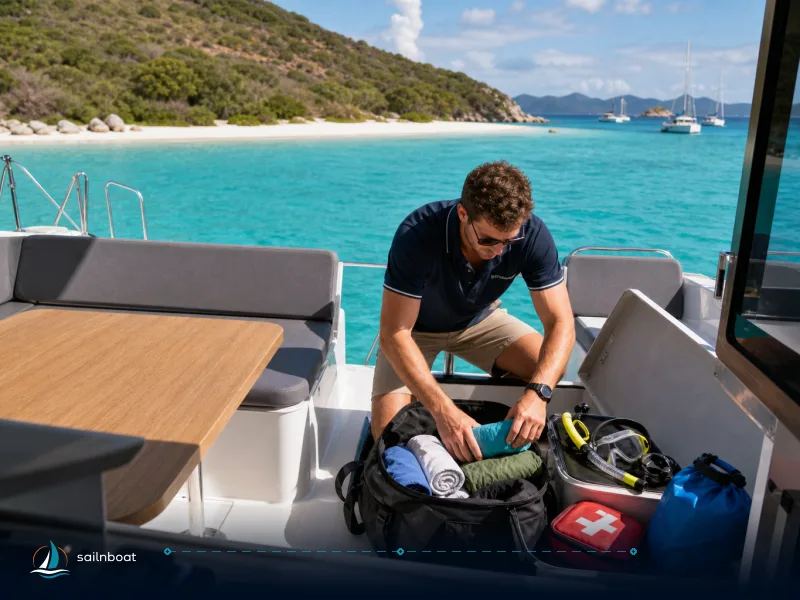
Provisioning and provisioning delivery: a simple self‑provision for two can be a few hundred euros; a full catering and stocked fridge for a week for a family/group will be higher. Many operators offer provisioning services with variable markups — budget €200–€800+ depending on party size and menu choices.
Example planning table (illustrative ranges):
| Item | Typical range (EUR) |
|---|---|
| Small bareboat weekly hire (low/shoulder season) | ~€1,800–€4,500 |
| Mid‑size catamaran weekly hire (high season) | ~€7,500–€18,000 |
| Refundable security deposit | ~€500–€10,000 (by boat size) |
| Yacht Damage Waiver (daily) | ~€50–€170 / day (depending on boat) |
| APA (crewed) | ~20–30% of charter fee |
| Moorings/park fees | €15–€60 / night typical range (varies by marina/park) |
| Crew gratuity (crewed) | ~15–20% of base fee |
These ranges are market patterns and vary by operator, boat age, destination and season — always request a full written quote listing the extras included and excluded.
Booking and Check-In Process
Treat booking and check‑in like an operation: documentation, payment, and practical checks.
Step‑by‑Step Checklist
Before booking
- Select the base that matches your intended itinerary and crew comfort (see earlier table).
- Request full written quotes from at least two operators including all mandatory extras: security deposit/YDW, any local taxes or charter fees, delivery/collection fees, and cancellation terms.
- Send your sailing résumé early if you plan to bareboat; if you lack experience, ask for skipper pricing.
At booking
- Pay the deposit per the contract and note the payment schedule (many charters require 50% on booking and balance 8–12 weeks before embarkation).
- Purchase recommended insurance and consider the operator’s damage waiver vs leaving a larger refundable deposit.
72–48 hours before embarkation
- Confirm flight times, transfers and any late‑arrival options with the base — transfer times from airports can be longer than they appear.
- Confirm provisioning list and delivery window if you want groceries delivered to your boat on arrival.
- Email final crew list, passport details and any required visas to the base (some islands require advance submission).
Check‑in day (arrival)
- Bring original passports, proof of payment, sailing résumé/certificates and the card used for security deposit (if pre‑authorised).
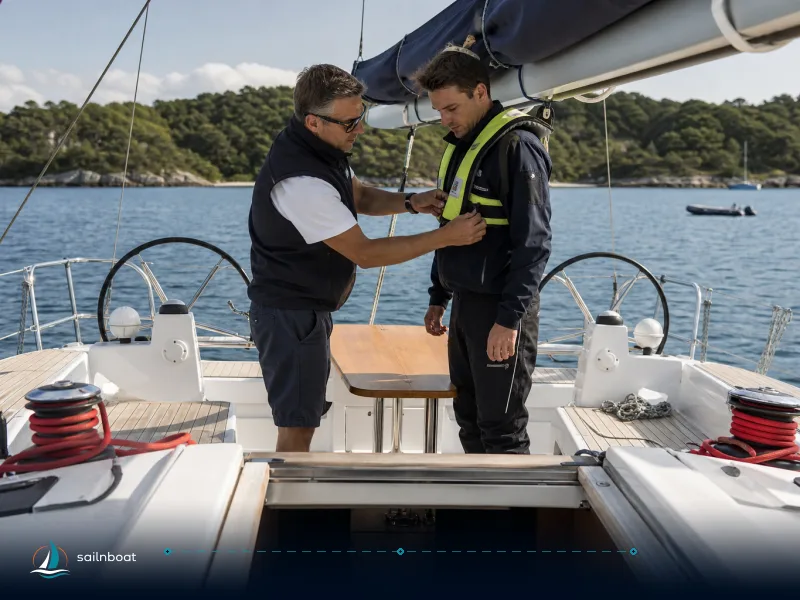
- Allow time for the base briefing and an inventory/technical walk‑through. Expect the base to check safety equipment, engine hours/fuel/water meters and to brief you on local rules and the cruising area. Plan for 2–4 hours minimum for a thorough handover.
First 24 hours afloat
- Keep the first day conservative: plan a short “shakedown” sail close to the base to work systems, practise anchoring/line handling, and resolve any equipment issues while the base is still available to help.
- If you purchased a damage waiver, check exactly what it covers; if you left a security deposit, confirm the release conditions and timeline.
Practical tips that save time and money
- Fly into the main base hub the day before embarkation where possible — you’ll avoid same‑day flight delays cancelling your whole first charter day.
- Use operator provisioning services for the first day’s essentials to avoid supermarket queuing after a long journey.
- If uncertain about your résumé acceptance, pre‑book a skipper for the first 24–48 hours rather than waiting for a last‑minute check‑out determination; it’s often cheaper and less stressful.
Start your planning by choosing the base that fits your sailing style and logistics, then work through licence evidence and a realistic budget that includes deposit/YDW, APA, fuel and moorings.
Start planning your Caribbean yacht charter today.
Frequently Asked Questions
Major bases are Tortola (BVI), Nassau/Abaco (Bahamas), St Martin, Antigua and St Vincent/Bequia; each differs in access, cruising ground and on‑base services.
There is no single Caribbean licence; charter companies commonly require a sailing résumé and recognised certificates or a checkout sail — many accept RYA, ASA or equivalent.
Expect a refundable security deposit or damage‑waiver charge, Advance Provisioning Allowance (APA) for crewed charters (often 20–30%), fuel, mooring/park fees and a customary crew gratuity of ~15–20%.
Passport and visas, sailing licence/resume, payment of outstanding fees/deposit, inventory/engine checks, safety briefing and meter readings for fuel/water.
Book as early as possible for high season (Dec–Apr); flexible dates in shoulder season (Apr–Jun or Oct–Nov) can cut cost substantially.
Written by
Sailnboat Editorial
The Sailnboat editorial desk covers yacht and boat chartering worldwide — routes, bases, seasons, boat types, paperwork and the practical costs that decide a trip. We are a charter marketplace, not a boat owner or a local agency: what we sell is judgement and support, so our guides are written to help you make a decision, not to sell you a specific boat. Every guide is checked against live operator and marina data before it goes out.
Fact-checked against live operator and marina data, and published under our editorial standards. Last reviewed: .