Where to Sail in October: Top Mediterranean Choices
October brings warm water, fewer tourists and lower charter rates across much of the Mediterranean; pick the Ionian for calm seas, the Dodecanese for late-season warmth, or Southern Italy for coastal cruising.

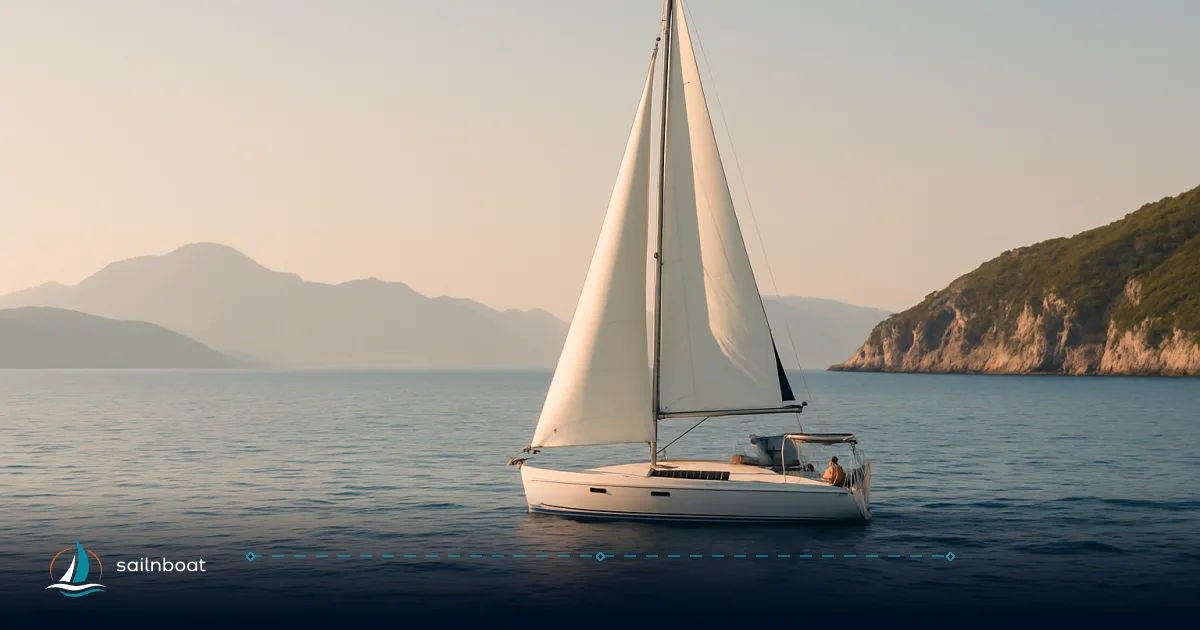
October gives you warm water, far smaller crowds than August and charter rates that commonly sit 20–30% below peak—that combination is the practical case for sailing in October in the Mediterranean. If your priorities are swimming, quieter anchorages and better value, October is one of the best shoulder‑season choices; if you need guaranteed full‑service marinas and daily tourist infrastructure, aim for the first half of the month and choose sheltered regions like the Ionian or southern Turkey.
Weather Conditions in October
Temperature Overview
- Air: Across the Mediterranean in October you should expect typical daytime highs in the broad range of 18°C–25°C. Northern/Adriatic coasts (e.g. parts of Croatia) tend toward the lower end as the month progresses; southern locations (Cyprus, southern Turkey, parts of Sicily) commonly stay in the mid‑20s early in the month.
- Sea: Sea temperatures lag air and usually remain comfortable for swimming: typical readings are roughly 20–24°C in many popular areas. Cyprus and southwestern Turkey are often at the warmest end (mid‑20s°C) in early October; the Adriatic and Gulf of Lion cool faster, nearer 19–21°C by late October.
- Seasonality: There is a clear early/late month split — early October usually feels summer‑like; by late October you’ll see more fronts, cooler nights and diminished sea temperatures. Treat any average as a guideline and plan around early vs late October.
(Confidence: regional averages and the early/late split are well established.)
Wind Patterns
- Meltemi (Aegean/Etesian): The Aegean’s strong northerly Meltemi normally peaks in July–August and eases toward the end of September–early October. Many operators describe early October as the transition: frequent light to moderate winds, with occasional meltemi‑type episodes possible in the first days of the month. By mid‑October the dominant pattern usually shifts to more variable autumn winds.
- Ionian and western Med: The Ionian Sea is typically more sheltered and calmer in October than the open Cyclades; western Mediterranean areas (French Riviera, Balearics) are subject to occasional Atlantic or mistral‑type systems and higher rainfall frequency (Mallorca’s wettest months include October).
- Practical advice: plan routes with „safe harbours“ available, expect the occasional strong wind or rain front later in the month, and keep a weather‑buffer day in your itinerary.
(Confidence: wind seasonality for the Meltemi and the Ionian’s calmer reputation are well attested; specific wind days always vary.)
Crowd Levels and Tourist Activity
Less Crowded Destinations
- General pattern: October is shoulder season — tourism numbers fall across most mainstream destinations. Cruise ship calls and day‑trip traffic often decrease in October in many Adriatic ports, especially later in the month.
- Best bets for quieter anchorages:
- Ionian Islands (Lefkada, Kefalonia, Ithaca): marinas less busy and anchorages easier to find.
- Southern Italy coastlines outside the main Amalfi town centres and smaller Sicilian ports.
- Dodecanese and some Cyclades are quieter but still retain island services into October.
- Places that remain relatively busy: main hubs (Athens / Piraeus, Palma de Mallorca, Nice) keep more year‑round activity; however their small‑port anchorages and inner harbours are calmer than summer.
Events and Festivals
- October is harvest time: expect local grape and olive harvest festivals across Italy, Greece and Spain—these are small, locally focused events that enrich a port visit rather than swell crowds.
- City cultural calendars (theatres, seasonal markets, concerts) often run through October; many coastal towns plan autumn regattas or sailing events.
- Service closures: smaller island restaurants, day excursion operators and some charter extras (island boat trips, open‑air attractions) start to curtail hours after mid‑October — favour islands and bases that explicitly list October service.
(Confidence: crowd and service patterns are consistent year‑to‑year though precise festival dates vary.)
Pricing Trends for Yacht Charters
Charter Pricing
- Shoulder‑season discounts: charter pricing in October typically sits about 20–30% below August peak rates for many boats and bases; some last‑minute listings and less popular bases offer deeper savings.
- Typical ranges (bareboat, mid‑size yachts): a 36–40ft bareboat in shoulder season commonly lists in the low‑to‑mid thousands of euros per week — many operators show October weekly rates in the roughly €2,500–€7,000 range depending on region, model and included extras. Crewed yachts and catamarans remain more expensive but also show meaningful shoulder‑season reductions.
- Operational fees: expect the same set of on‑base extras as summer — refundable security deposits (often €1,500–€3,000, or reduced with insurance waivers), final cleaning (commonly €100–€300), fuel by consumption, and optional kit (towels, wi‑fi, outboard). These charges vary by operator and country.
- Trade‑off: you save on boat hire but may pay slightly more for repositioning or longer passages if you choose warmer, more distant regions (e.g., Cyprus or southern Turkey).
(Confidence: discount ranges and common extras reflect industry pricing patterns; exact quotes vary by operator and boat.)
Accommodation Costs
- Hotels and short‑stays: many hotels reduce nightly rates in October compared to July–August, with savings that vary by location and property type; larger reductions are often seen on small island pensions and guesthouses after mid‑October.
- Marina berths: some marinas offer shoulder‑season nightly rates lower than peak, and long‑stay discounts become easier to negotiate; but marina pricing is very local and depends on berth size and services.
- Money‑saving tactics: combine a shorter hotel stay pre/ post‑charter with onboard nights; negotiate multi‑week berth discounts with marinas; compare bareboat vs crewed pricing early in the month when more last‑minute offers appear.
(Confidence: hotel and berth discounts follow clear seasonal trends though exact percentages vary by market.)
Recommended Sailing Routes
Below is a concise comparison table to help pick a region for an October cruise.
| Region | Typical air (°C) in Oct | Typical sea (°C) in Oct | Wind / conditions | Crowds & services | Best for |
|---|---|---|---|---|---|
| Ionian Islands (Greece) | 20–24 | 21–23 | Light to moderate, sheltered waters | Quiet anchorages; many marinas still open | Calm cruising, safe for mixed experience crews |
| Cyclades / Dodecanese (Greek Aegean) | 19–24 | 21–24 | Meltemi usually weaker; occasional northerlies early month | Quieter than summer; some island services reduce hours | Island‑hopping, later warm water in southern islands |
| Southern Italy (Amalfi, Capri, Sicily) | 20–25 | 21–24 | Variable; coastal winds and local gusts | Fewer tourists; some seasonal closures in small towns | Scenic coastal cruising, short hops |
| Croatia (Dalmatian coast) | 16–22 | 19–22 | More variable; autumn fronts possible | Noticeable drop after early Oct; fewer cruise calls | Historic towns and protected anchorages early in month |
| French Riviera & Balearics | 17–23 | 19–22 | Atlantic influences; more rainy days in Balearics | Marinas quieter but main towns remain active | Short hops, marina comfort, dining options |
| Southwestern Turkey & Cyprus | 22–26 | 23–26 | Generally mild and favourable | Many services stay open into October | Warmest late‑season swimming, longer passages feasible |
(Confidence: table ranges reflect typical October behaviour; local microclimates and year‑to‑year variation apply.)
Route examples and week plans
- Ionian, one week: Lefkada — Meganisi — Skorpios/Atokos — Ithaca. Expect short hops (10–30 nm), calm anchorages and protected sailing.
- Cyclades Dodecanese, 7–10 days: Rhodes — Symi — Kos — Nisyros (longer legs, warmer south). Best early October for calmer seas.
- Amalfi / Capri, short week: Sorrento base, day sails to Capri, Amalfi and Positano. Marinas in high demand for berths—reserve early.
- Dubrovnik to Kotor (Croatia–Montenegro), 7–10 days: Dubrovnik — Korčula — Mljet — Lastovo — Perast/Bay of Kotor. Offers cultural stops and lower late‑season traffic.
(Confidence: suggested routes match common sailing itineraries and October suitability.)
Considerations for October Sailing
Weather Variability
- Plan for variability: early October is generally favourable; later in the month the chance of a rain front or stronger gale increases. Build an extra day into your schedule for weather‑related delays and avoid tightly timed connections (ferries, flights).
- Ports and ferries: ferry frequency usually diminishes outside high season; check timetables closely when planning island hops, especially in Croatia and smaller Greek islands.
Meltemi Wind Considerations
- The Meltemi normally eases by early–mid October but can produce residual northerly events early in the month. If you plan Cyclades island crossings, prefer east‑west passages when winds are forecast northerly and keep flexible route options.
- Practical tactic: choose the Ionian before the Aegean if you want more consistently sheltered sailing in October; or pick southern Dodecanese islands for later‑season warmth with fewer meltemi days.
Operational checks and skipper‑level
- Base operations: many charter bases run reduced staff and shorter hours in October — confirm check‑in/check‑out windows and what the base leaves for self‑service. Bring digital copies of your paperwork and the operator’s emergency contacts.
- Insurance & qualifications: many charter companies still require proof of competence (local equivalent of ICC or accepted experience), particularly with reduced on‑base support; carry a signed resume of relevant sea miles if needed.
- Provisioning and fuel: supermarkets and provisioning options are still widely available early in October but fewer on remote islands later in the month; plan provisioning and fuel stops ahead.
Safety and contingency planning
- Allow at least one weather‑buffer day in every 7‑day plan. Choose routes with alternative harbours and check the availability of safe anchorages and marina berths before departure.
- Keep up‑to‑date marine forecasts (national meteorological services) and brief your crew on night crossings, where they’re planned.
Practical checklist before you book
- Decide early vs late October — early gives better guarantee of services and warmer, more stable weather; late often gives the cheapest quotes.
- Get 3 quotes across bases and boat types — catamarans and crewed boats retain value but fall in price too.
- Confirm marina opening hours and facilities for your chosen base and any island stops (fuel, toilets, provisioning).
- Build flexible legs and one buffer day for weather or reduced ferry schedules.
- Pack for layers: daytime shorts and swimsuit; evenings and passage nights often need a jacket and warmer layers.
Plan your October sailing adventure in the Mediterranean today by choosing the region that matches your priorities: calm sailing (Ionian), late‑season warmth (southern Turkey/Cyprus or southern Dodecanese), coastal cruising and culture (Southern Italy), or dramatic scenery and history (Croatia/Montenegro). Early October gives the best balance of warm water, open services and lower crowds—book a base, add a day of flexibility, and expect the reward: more space at anchor and better value for your charter budget.
Frequently Asked Questions
Typically air temperatures sit between roughly 18°C and 25°C across the region; sea temperatures often remain in the low‑20s°C (around 20–24°C), hotter in Cyprus and southern Turkey and cooler in the Adriatic and western Mediterranean later in the month.
Southern Italy (outside major tourist towns), much of Croatia after early October, and quieter Greek islands see the biggest drop in day‑visitors and cruise traffic compared with July–August; popular hubs like the French Riviera are noticeably calmer but still busier than remote anchorages.
Charter prices in October commonly fall around 20–30% from August highs; exact savings depend on boat type, base and booking lead time, with some late‑season offers deeper than that.
October is transitional: generally lighter and less persistent winds than summer, but with an increased chance of Atlantic or continental fronts and rain later in the month; the Aegean’s Meltemi normally weakens by early–mid October, though occasional northerly events can persist.
Top picks are the Ionian Islands (Greece) for shelter and calm seas, the Dodecanese and southern Cyclades for later‑season warmth, Southern Italy (Amalfi, Capri, Sicily) for coastal cruising, and southwestern Turkey and Cyprus for extended warm-water conditions.
October is harvest season: look for local wine and olive harvest festivals in Italy, Greece and parts of Spain; city cultural programmes often run into October, while many small island tourist events wind down after the high season.
Written by
Sailnboat Editorial
The Sailnboat editorial desk covers yacht and boat chartering worldwide — routes, bases, seasons, boat types, paperwork and the practical costs that decide a trip. We are a charter marketplace, not a boat owner or a local agency: what we sell is judgement and support, so our guides are written to help you make a decision, not to sell you a specific boat. Every guide is checked against live operator and marina data before it goes out.
Fact-checked against live operator and marina data, and published under our editorial standards. Last reviewed: .