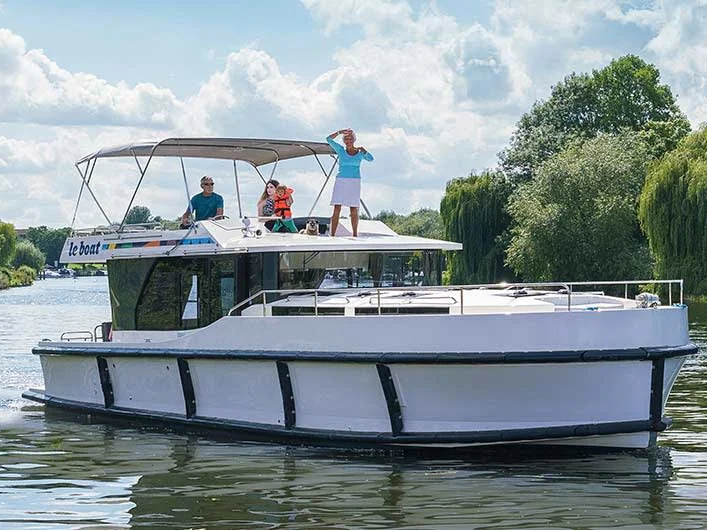
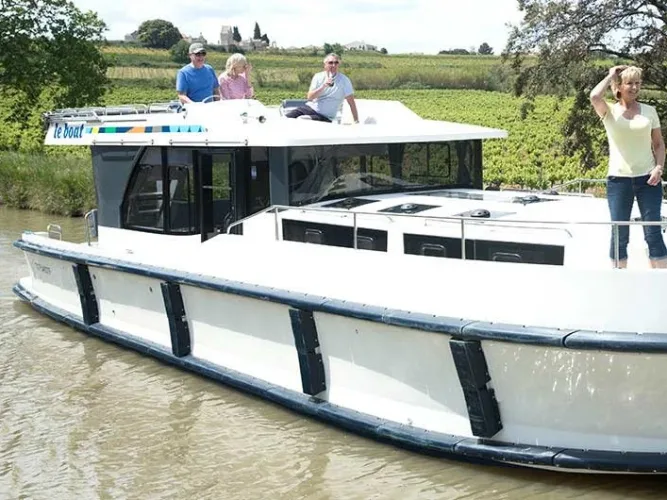
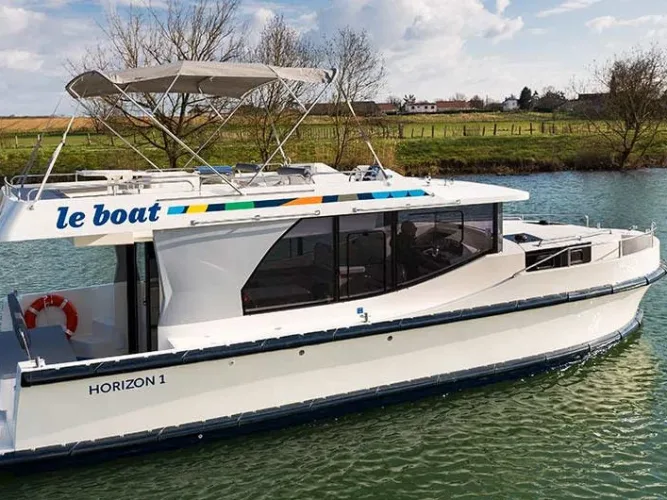
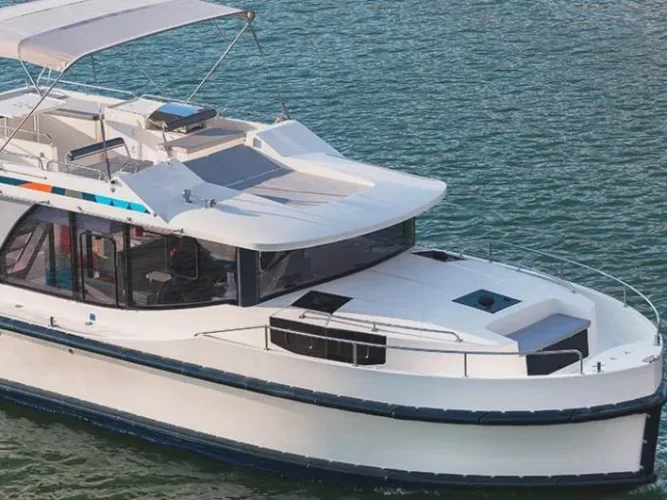
All 18 boats here are motor cruisers at Smiths Falls, roughly the midpoint of the Rideau Canal, which means you can run either direction from handover — north-east toward Ottawa or south-west toward Kingston.
What makes the Rideau unusual among the world's holiday waterways is that it still works the way it was built. Forty-five locks lift and drop the canal over its 202 kilometres between the Ottawa River and Lake Ontario, spread across 24 lockstations, and most of them are still operated by hand — staff turning the original crank gear, as they have since the 1830s. It has been a UNESCO World Heritage Site since 2007, which is rare for a navigation still in daily commercial-season use.
A Rideau day is therefore measured in lockages rather than kilometres. You arrive, tie to the blue line, wait your turn, and then spend ten minutes in a chamber with whoever else is going through — which is most of the social life of the trip. Lockage and overnight mooring at Parks Canada lockstations are charged separately from the charter, with passes available by the season or for shorter periods.
The route is not all canal. Much of it runs through natural lakes: Lower and Upper Rideau, and Big Rideau, which is large enough to raise a chop in wind and is the one stretch that feels like open water. Between them are cuts, rock shelves, and a chain of small towns — Merrickville, Portland, Westport, Newboro — that exist because the canal came through.
One rule governs everything: the shoreline speed zone limits all power-driven vessels to 10 km/h within 30 metres of shore, and several Rideau sections are posted at that limit for their whole length. On a canal you are near shore most of the day.
Licensing is covered on the Canada page: proof of competency is required for every motorised boat, and the rental-boat safety checklist you complete at handover is one of the accepted forms of it.