7-Day Amalfi Coast Sailing Itinerary from Naples
A practical, day-by-day 7-day amalfi coast sailing itinerary from Naples with distances, estimated times, anchorages and mooring options tailored for an experienced cruising crew.

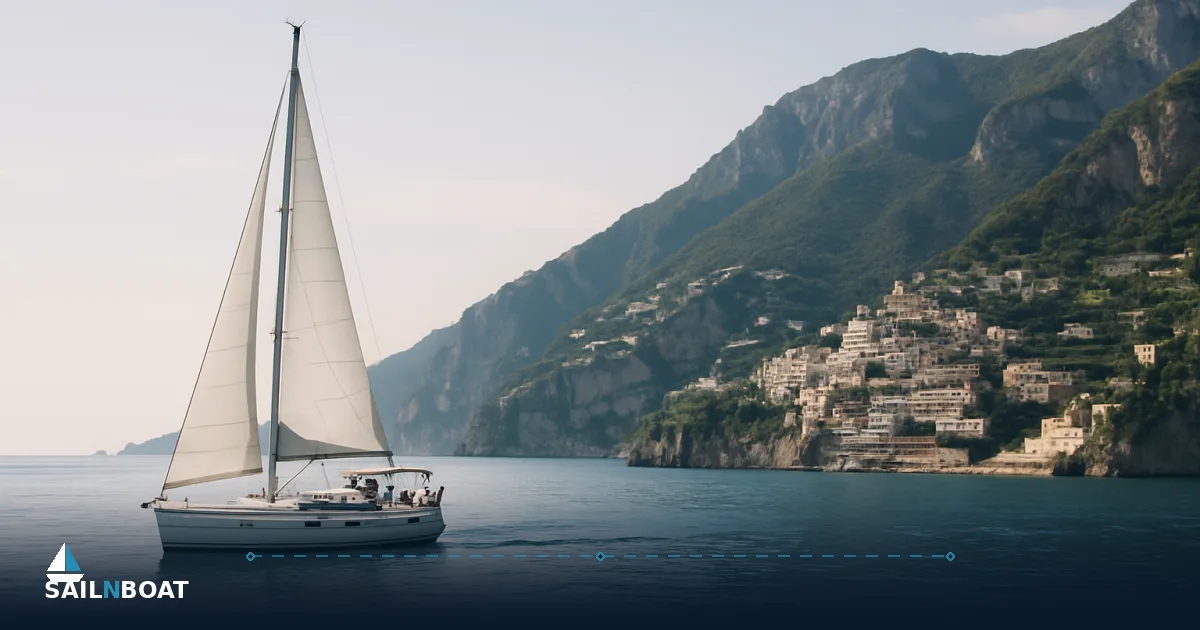
This 7-day amalfi coast sailing itinerary from Naples gives you a practical, decision-ready plan: each day’s intended stop, the typical nautical miles, realistic sailing times at cruising speed, where to anchor or book a berth, and exactly what to expect ashore for provisioning and permits. Use it as a working plan—book marinas early, monitor forecasts, and expect to use the tender in Capri, Amalfi and Positano.
Day 1: Departing from Naples
Start in the Port of Naples and make the short passage to Procida — a gentle opening leg that gets you out of the city and into quieter waters.
Embarkation Points
-
Beverello terminal (Molo Beverello) is the passenger/hydrofoil terminal close to Piazza Municipio; it has the main ferry/hydrofoil ticketing and passenger facilities and sits inside the commercial harbour complex. Mergellina sits a little west along the seafront and is the better choice if you want a recreational marina with berths and superyacht services. Choose Beverello for quick island transfers and Mergellina if you need a full marina handover.
-
Practical: allow time for traffic into the port and for harbour security checks; marinas will expect you to check in at their office and show documentation (ID, boat papers, skipper’s qualifications). The Capitaneria enforces harbour rules—announce intentions on VHF when approaching busy piers.
Sailing to Procida
- Distance: plan roughly 12–16 nautical miles from the Naples harbour area to Procida depending on your exact start point and the approach chosen (Beverello versus Mergellina). Ferry schedules and distance tables commonly list ~12–16 nm for this leg.
- Estimated time: at 6–8 knots cruising speed expect about 1.5–3 hours.
- Where to stop: Corricella (Marina di Corricella) and Chiaiolella are the two practical options: Corricella is scenic and shallow (inner harbour with limited overnight room), Chiaiolella offers a sand-bottom bay better for overnighting. Corricella’s inner waters can be 2–5 m, so many boats anchor a little off the village rather than tying stern-to in the tiny basin. Book a marina berth if you need shore services; the village jetties have very limited transients.
Practical note: arrival before late afternoon improves your chance of a berth or a comfortable anchor; local ferry lanes are busy in summer—keep clear and approach under low speed.
Day 2: Exploring Procida and sailing to Ischia
Spend the morning ashore in Procida then cross to Ischia in the afternoon.
Anchorages at Procida
-
Corricella: inner harbour depths are shallow (commonly 2–5 m) with sand and Posidonia patches; holding can be fair to good if you pick sand away from the fishing buoys. Many skippers choose Chiaiolella (3–8 m sand/mud) for overnight shelter. Expect a small local marina with limited services and seasonal mooring fees for dedicated boathooks or trappole.
-
Mooring fees and berths at small local marinas vary widely by season and vessel length — local marinas typically publish daily transit rates, but these can change year-to-year; plan a budget allowance rather than a fixed figure.
Sailing to Ischia
- Distance: about 4–8 nautical miles (Procida to Ischia Porto is short — many route charts list roughly 4–8 nm depending on the two ports used).
- Estimated time: at 6–8 kt expect 0.5–1.5 hours.
- Approach and berthing: Ischia Porto (Porto d’Ischia) is a properly banchinated port with floating pontoons and fuel; berths and depths at Ischia Porto alongside marinas vary but some quay areas have shallow points (notably near inner berths where depths can be around 1–3.6 m alongside in places) — larger yachts must plan for available depth and pre-book. There is also secure anchoring off Carta Romana or Sant’Angelo for sheltered moorings.
Plan: top up fuel/water if needed — Ischia has refuelling and basic chandlery services.
Day 3: Discovering Ischia
Use a full day to clear sights, top-up provisions and choose a calm overnight location.
Mooring at Ischia Porto
-
Facilities: Ischia Porto has a mix of public quays, private marinas and alaggio/varo services; the port is well equipped for visiting yachts with water, electricity and waste services at organized marinas. Depths alongside berthing areas vary—some sections show 1.2–3.6 m and deeper channels for approach; larger draft boats should confirm exact berth depths in advance. Berths can be limited in high season—book.
-
Trade-off: close-in Ischia Porto gives town access and provisioning; Sant’Angelo or Forio give quieter anchorage and better shelter from prevailing northerlies.
Local experiences and provisioning
-
What to do ashore: waterfront seafood restaurants, Castello Aragonese in Ischia Ponte, thermal spas and local markets. Use the main town supermarkets and the port area for provisioning; specific ship chandler services exist but stock is limited compared with Naples.
-
Practical: if you need specialist items or large provisioning, plan to source them in Naples before departure or in Sorrento on the route south.
Day 4: Sailing to Capri
A longer sea day to Capri—arrive early to find room or to anchor offshore and tender.
Sailing to Capri
- Distance: plan 16–18 nautical miles from Ischia to Capri depending on route; public ferry distances commonly list around 16–18 nm.
- Estimated time: at 6–8 kt expect 2.5–3.5 hours.
- Route note: the run between Ischia and Capri can be exposed to swells from the south and is crossed by commercial ferry traffic—maintain good lookout and avoid the ferry lanes where possible.
Mooring at Marina Grande
-
Marina Grande (Capri): the island’s main harbour offers limited transits and a small number of berths; spaces in high season are scarce and can be costly for transit berths, especially for larger craft. If you cannot secure a berth, expect to anchor off and use your tender to reach the Marina Grande landing. The marina also acts as the tender pickup for the funicular and boat services to Anacapri and the Piazzetta.
-
Fees and reality check: Capri’s berthing is expensive by Mediterranean standards and price jumps are steep for larger yachts; budget realistically and reserve early if you want a dock. Transient berth prices vary widely — high-end reports show very high charges on a per-metre basis for large superyachts; for smaller cruising yachts, transit daily rates commonly fall into typical Italian marina ranges but increase in July–August.
Day 5: Exploring Capri
Capri is best enjoyed on foot and by tender; plan provisioning and a timed visit to key sites.
Local attractions and tendering
-
Blue Grotto & Marina Piccola: both are classic day stops; the Blue Grotto often requires a local launch transfer from a tender and is weather-dependent; Marina Piccola and the Faraglioni are popular day-anchor spots but not ideal for overnight due to limited holding and buoy fields. Use Capri as a day-to-evening stop and consider returning to a quieter anchorage overnight if uncertain.
-
Anacapri: higher on the island with quieter streets and local shops — tender in to Marina Grande then take the bus or funicular.
Provisioning options
- Capri has daily markets and small grocers; quantity and price are both more limited than on the mainland. If you rely on fresh meat, specialty wine or bottled diesel, source those in Naples or Sorrento before you reach Capri. Small supermarkets and food shops by Marina Grande cover basics.
Practical tip: arrival early avoids peak excursion-boat traffic; if you must overnight at anchor, set a conservative anchor alarm radius — Capri’s shelf drops steeply and holding is often only fair.
Day 6: Sailing to Amalfi
Make the transit down the Amalfi coastline and prepare for limited marina capacity in Amalfi itself.
Sailing to Amalfi
-
Distance: Capri to Amalfi is commonly cited between 15–22 nautical miles depending on routing and exact berth locations; many reference charts and ferry schedules list approximately 17–22 nm. Use a route planner for your chosen approach as the difference is material.
-
Estimated time: at 6–8 kt expect 2.5–4 hours.
-
Route note: the southern approach to Amalfi rounds the Punta Campanella /Campanella headland; the coast is rocky and populated with buoy fields and ferry routes so keep speed moderate and watch for local traffic.
Mooring in Amalfi
- Options: Amalfi town has a small municipal marina with limited visitor berths; in high season the marina fills early and many yachts anchor offshore and use a tender to reach the beach. Reservations are recommended if you need shore power, water or a confirmed berth.
- Depths and holding: the harbour itself is shallow close in and deeper in the approach; many visiting yachts anchor in the outer bay where depths commonly run deeper than inside the town—expect anchoring in sand or Posidonia meadows and set adequate scope. Holding quality varies with substrate; your best option for secure holding is a sandy patch well clear of rocky seabed.
- Fees and procedures: Amalfi applies harbour dues and often levies separate charges for berthing and waste disposal; local harbormasters collect fees and issue mooring instructions. Expect higher charges in July–August.
Practical trade-off: a berth in Amalfi puts you in town for dinner and markets but costs more and is harder to get; anchoring off with tender gives flexibility and often a quieter night.
Day 7: Final Stops in Positano and Return to Naples
Finish the week with a morning stop at Positano and a coastal leg back to Naples.
Sailing to Positano
- Distance: approximately 8 nautical miles from Amalfi to Positano.
- Estimated time: at 6–8 kt expect about 1–1.5 hours.
- Approach and anchoring: Positano’s shoreline is steep with limited harbour space. There are very few marina berths for transient yachts; most visiting yachts anchor offshore to the west of the main beach in 8–20 m depth (the depth range depends on the shelf and local charts). Shore access is by dinghy; the pebble beach is busy and stern-to berthing on the ferry quay is possible but often only for short periods and under the authority’s direction.
- Services ashore: small supermarkets and speciality shops exist but stock is limited; restaurants dominate the waterfront. If you need supplies beyond basics, plan to pick them up in Sorrento or Amalfi earlier in the week.
Return to Naples
- Distance: roughly 18–22 nautical miles from Positano back to Naples depending on exact departure point in Positano and your berth choice in Naples.
- Estimated time: at 6–8 kt expect 3–4 hours.
- Practical finish: choose your Naples berth in advance (Mergellina for marinas and full-service facilities; Beverello for quick passenger transfer and proximity to the city). Allow extra time for port formalities and for settling the boat: fuel, water, waste pump-out and an on-site check with the base if this is a charter hand-back. Many charter companies require the boat back by late morning or mid-afternoon—check your contract and plan a margin for weather or traffic.
Weather patterns and best season
- Season: the main charter window runs May–October. May–June and September–October give fewer crowds, milder daytime temperatures and steadier seas; July–August are busiest with highest berth fees and heavier local boat traffic.
- Typical winds and thermal patterns: in summer a daily sea breeze commonly develops in the afternoon driven by land–sea temperature differences; nights and early mornings are often calmer. Storms from the south or southeast (Scirocco) bring longer-period swell and can make exposed anchorages uncomfortable. In unstable seasons, stronger southerly or southeasterly winds can increase sea state rapidly—plan alternative sheltered anchorages and monitor forecasts.
- Practical rule: plan passages in the morning where possible to avoid the stronger afternoon thermal breeze, and monitor local meteorological bulletins for changes. Have a plan B harbour on each leg.
Port regulations, permits and paperwork
- Capitaneria di Porto: the harbour master’s office governs local port rules, safety zones and customs procedures; they can issue mooring instructions and fines for infractions. When entering a marina or public harbour, hail the Capitaneria on the local VHF channel and follow instructions.
- Marine protected areas (AMPs): parts of the Amalfi coastline fall under protected-area rules (for example around Punta Campanella and some coves near Capri). These rules can restrict anchoring, disallow overnight stays, or require paid buoy use; buoy fields are often managed by local authorities or private concessionaires who collect fees and monitor use.
- Permits: marinas manage berth reservations and issue visitor check-in procedures; for protected zones you may need to register with the AMP office or purchase a permitted buoy from an authorised attendant. These processes vary by municipality and season—many skippers rely on their charter/company or marina to arrange permits when required.
- Qualifications and communication: many charter companies ask skippers to present a recognised competence certificate and a VHF operator certificate at handover; port authorities sometimes request proof of competence for specific manoeuvres. Carry passports, boat paperwork and insurance documents on board and ready to show.
Provisioning and shopping plan
- Best places to fully stock: Naples (before departure) offers the most extensive supermarkets, ship chandlers and specialist suppliers—do your major provisioning here. Sorrento has good supermarkets and butcher/fish shops for top-ups. Amalfi and Positano supply basics, fresh bread, fish and produce but limited chandlery stock.
- Fuel and water: larger marinas (Mergellina, Ischia Porto, some Amalfi marinas) typically supply diesel and water; some small anchorages do not. Plan fuel legs conservatively and allow reserve for unexpected detours—refuelling opportunities are less frequent once you leave the Naples metro area.
- Local specialities: buy fresh mozzarella, fish, lemons and pastries in local markets ashore; these make short shore stops enjoyable and efficient. For wine or stout provisions, stock up in Naples or Sorrento where selection is broader and prices are lower.
Safety considerations and local hazards
- Traffic and ferries: the Amalfi and Capri corridors have heavy ferry and hydrofoil traffic; these vessels make quick turns and have limited manoeuvrability—give them wide berth and post a lookout when crossing lanes.
- Shallow areas and buoy fields: many attractive bays are marked by buoy fields or submerged Posidonia meadows; observe local buoys and the harbour master’s instructions, and use updated charts and depth sounder. Anchor away from designated no-anchor areas.
- Wind shifts: afternoon thermals and sudden Sirocco or southerly wind events can alter conditions quickly; check updated marine forecasts and plan to reach a sheltering harbour before a forecasted wind change.
- Night passages: avoid night passages along the coast unless necessary. The coast is lit, but local markers and ferries increase collision risk in darkness.
- Emergency contacts: programme the Capitaneria VHF channels and local emergency numbers into your comms; if you charter, have your company emergency contact pre-saved.
Day-by-day quick summary (distances and estimated times)
The table below uses common cruising speeds (6–8 knots). Keep margins for currents or detours.
| Day | Route | Distance (nm) | Estimated time (hrs) |
|---|---|---|---|
| 1 | Naples → Procida | ~16 | 2–3 |
| 2 | Procida → Ischia | ~10 | 1.5–2 |
| 3 | Ischia (local) | 0 | Shore day |
| 4 | Ischia → Capri | ~18 | 3–3.5 |
| 5 | Capri (local) | 0 | Shore day |
| 6 | Capri → Amalfi | ~15 | 2.5–3.5 |
| 7 | Amalfi → Positano → Naples | 8 + 20 = 28 | 1–1.5 + 3–4 |
| Total | ~87 nm | 13–18 hours underway (spread over 5 sailing days) |
Confidence notes: these distances are typical routing estimates; actual miles depend on your chosen berth locations and harbour approaches. Use your navigator to plot exact waypoints before departure.
Practical checklist before you cast off
- Reservations: pre-book marina berths in Capri, Amalfi and Ischia where possible during May–October.
- Documentation: passports, boat papers, skipper’s qualification and VHF certificate where required, insurance policy number.
- Fuel and water: top up in Naples or Ischia if your fuel range is limited; plan at least a 20% reserve for contingency.
- Tender and ground tackle: check dinghy motor fuel and the condition of your anchor, chain and windlass; carry a secondary anchor and extra warp if you plan to anchor off Amalfi/Positano.
- Weather and routing: file a rough daily plan and monitor local forecasts each morning; brief your crew on emergency procedures and assign lookout duties for ferry lanes.
- Waste and courtesy: use marina pump-out facilities where available; do not discharge greywater or rubbish in prohibited zones.
Plan your Amalfi Coast sailing adventure now. Book the critical berths early, provision heavily in Naples, and keep your afternoons flexible for the local breeze. If you want help matching a boat or checking a base’s local procedures before you book, we can advise which Naples bases give the smoothest handovers and which local marinas are easiest to secure.
Frequently Asked Questions
Typical legs range 4–20 nm; at cruising speeds of 6–8 kt expect 1–4 hours per day—I give a per-day breakdown in the itinerary.
Key anchorages: Procida (Corricella/Chiaiolella), Ischia (Sant'Angelo/Carta Romana), Capri (Marina Piccola day anchorage), Amalfi outer bay and Positano bay; depths and holding vary — see the itinerary for ranges.
Capri: Marina Grande berths (limited, often expensive) and buoys for tendering; Amalfi: few transits in the inner harbour, outer anchoring common; Positano: mainly tender access from anchor offshore or limited stern-to on the ferry quay.
Always check with the local Capitaneria di Porto on VHF and the Area Marina Protetta managers (Punta Campanella rules apply); marinas take reservations for berths and issue access instructions.
Stock up in Naples before departure (ship chandlers, markets), top up in Sorrento and Amalfi town supermarkets; marinas supply limited items.
Main season is May–October; May–June and September–October give milder crowds and reliable conditions, with summer afternoons bringing a predictable sea breeze.
Plan early arrivals (berth supply is scarce), set GPS anchor alarms, avoid exposed bays in Libeccio/Scirocco, and respect AMP no-anchor zones and buoy fields.
Written by
Sailnboat Editorial
The Sailnboat editorial desk covers yacht and boat chartering worldwide — routes, bases, seasons, boat types, paperwork and the practical costs that decide a trip. We are a charter marketplace, not a boat owner or a local agency: what we sell is judgement and support, so our guides are written to help you make a decision, not to sell you a specific boat. Every guide is checked against live operator and marina data before it goes out.
Fact-checked against live operator and marina data, and published under our editorial standards. Last reviewed: .