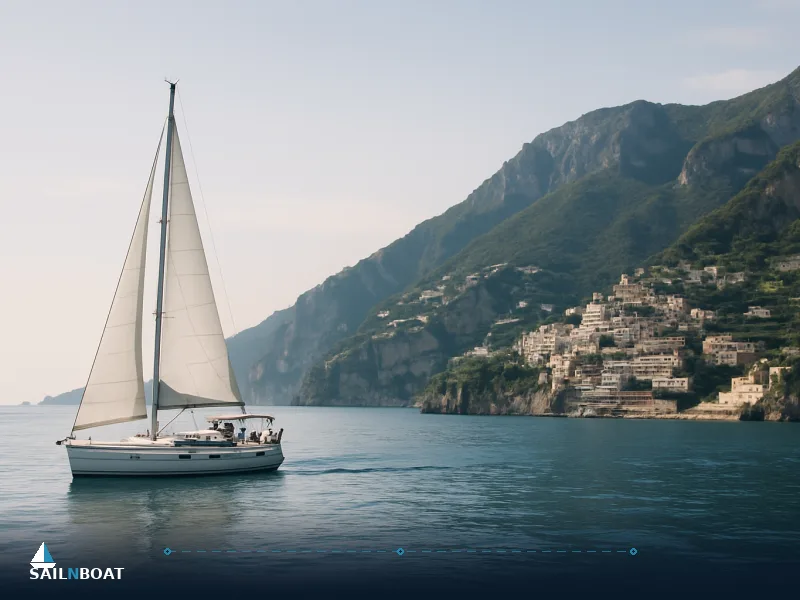
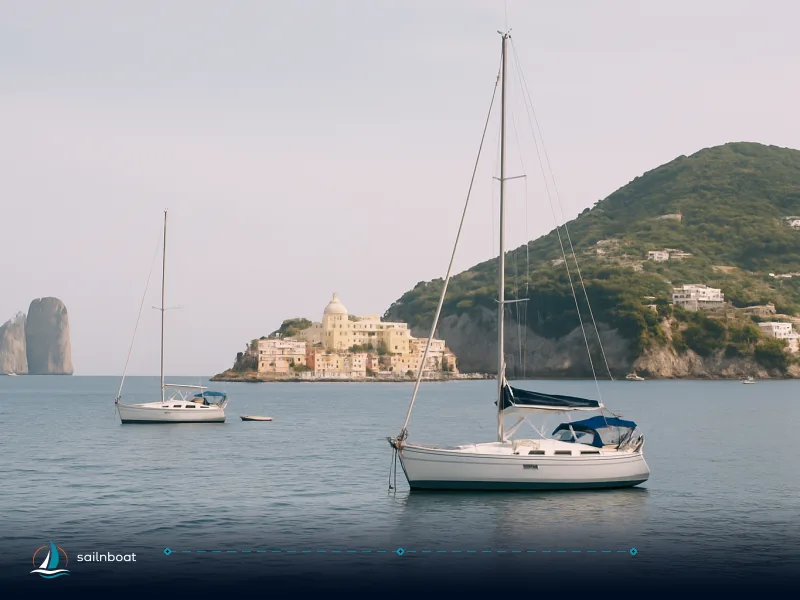
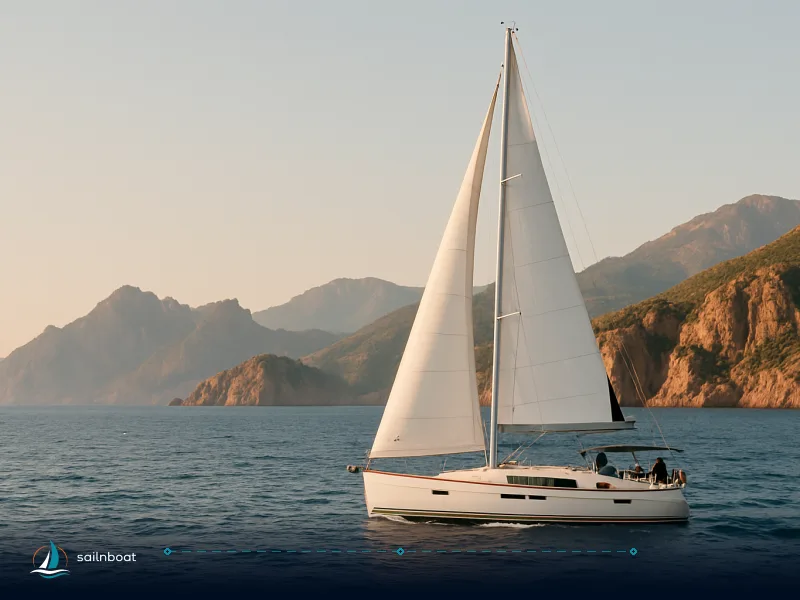
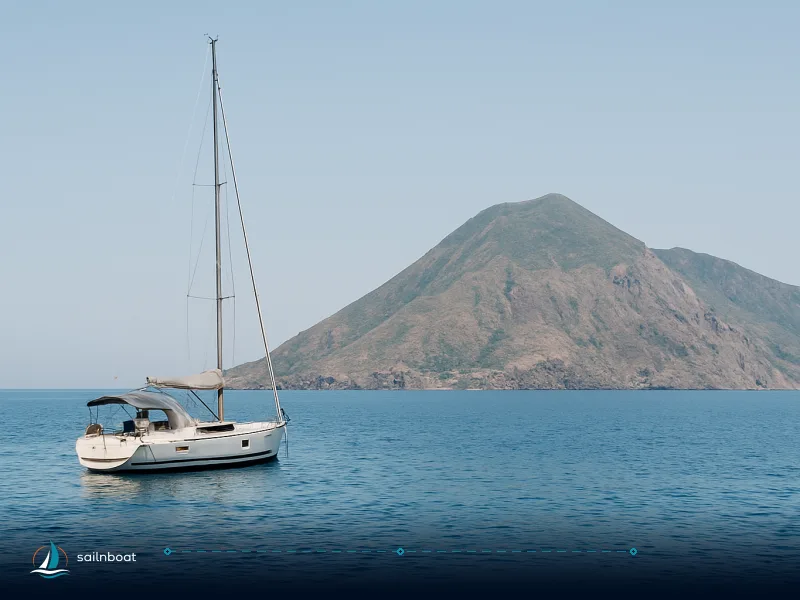
7-Day Amalfi Coast Sailing Route: From Naples to Salerno
A one-week sailing plan from Naples (Marina di Stabia) to Salerno (Marina d’Arechi) that gives daily distances, anchorages with depth guidance, mooring-fee ranges in EUR and local rules.

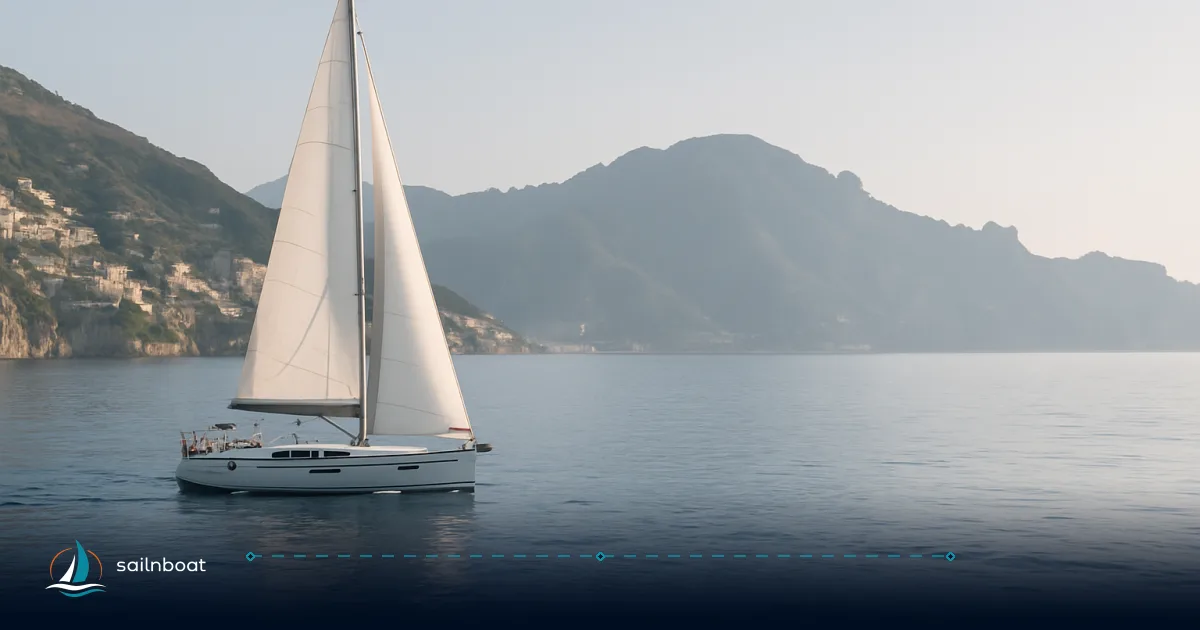
The quickest answer: a practical Amalfi Coast sailing route runs from a Naples‑area base (commonly Marina di Stabia or Mergellina) eastwards along the Sorrento/Amalfi coast to Salerno (Marina d’Arechi) over seven days, covering roughly 100–130 nautical miles depending on detours.
Overview of the Amalfi Coast Sailing Route
The plan below is the classic one‑week Naples→Salerno coastal loop: Marina di Stabia (near Naples) → Positano → Capri → Amalfi → Cetara → Salerno → short detour to Li Galli (optional) → return/finish. It’s a coastal cruising route with short, frequent hops and several overnight anchorages rather than long open‑sea crossings; total mileage for the typical loop falls in the order of 100–130 NM depending on which coves/islands you add.
Itinerary summary (decision points)
- Start base: Marina di Stabia (Castellammare di Stabia) or Mergellina (Naples) — both are conventional charter/transfer options.
- Finish base: Marina d’Arechi (Salerno) — full services and published transit tariffs by length are available.
- Key stops: Positano (anchorage/buoy fields), Capri (Marina Grande / Marina Piccola), Amalfi (Porto / marina), Cetara (small municipal port), Li Galli islands (protected anchoring — check AMP rules).
- Typical total distance: commonly quoted itineraries sit between ~87 and 130 NM depending on start/finish and detours; many operators list ~100–105 NM as a practical weekly total for the core loop.
Day-by-Day Itinerary
Below is a practical, skipper‑oriented 7‑day plan. Distances are approximate nautical miles (NM); use them to plan fuel, day length and ETA. For safety, always confirm bearings and local approaches on your official charts and with the harbour authority before each approach.
Day-by-day table (quick reference)
| Day | From → To | Distance (NM, approximate) | Typical transit time (examples) | Anchorage / Mooring (depth guidance) |
|---|---|---|---|---|
| Day 1 | Marina di Stabia → Positano | 18–22 NM (typical: ~20 NM). | Sailing yacht at 6–7 kn: ~3–4 hrs; motor yacht 12–18 kn: 1–2 hrs. | Anchor off Spiaggia Grande (buoy field/anchorage). No large marina in Positano; depths at anchor typically 5–15 m depending how far off you sit. |
| Day 2 | Positano → Capri (Marina Grande/Marina Piccola) | 10–12 NM. | 2–3 hrs sail at 6–7 kn; 1–1.5 hrs for faster motor yachts. | Marina Grande (docking/transit berths) and mooring balls; deeper water approaches, average berth depth cited ~8 m in harbour approaches. Note high demand and premium fees for transit berths. |
| Day 3 | Capri → Amalfi | ~14–16 NM (typical ~15 NM). | 2–3 hrs at cruising sail speed. | Porto di Amalfi: banchine depths vary widely — alongside piers can be shallow (2–6 m), while anchoring north of the harbour offers sandy bottoms 8–12 m. Plan approach carefully. |
| Day 4 | Amalfi → Cetara | 6–8 NM (coastal hop). | 1–2 hrs. | Cetara small municipal port with limited berths for transient craft (capacity varies seasonally); expect narrow alongside or an outside anchorage with moderate depths. Municipal berth allocation and rules apply. |
| Day 5 | Cetara → Salerno (Marina d’Arechi / Molo Manfredi) | 2–4 NM (short hop). | 20–60 minutes. | Marina d’Arechi is a modern marina with full services and published transit tariffs by length (see mooring section); Porto di Salerno (commercial) also handles some berthing. Expect depths in the marina suitable for yachts (transit tariffs published). |
| Day 6 | Salerno → Li Galli Islands (day trip / snorkel) | 8–12 NM depending on route (Li Galli lie off Punta Campanella near Positano). | 1.5–3 hrs. | Li Galli sit inside the Area Marina Protetta of Punta Campanella — anchoring and approaches are subject to protective rules; some zones prohibit anchoring. Plan to use tender/snorkel and keep distances from restricted coastlines. |
| Day 7 | Li Galli → Marina di Stabia / Naples return | 22–30 NM depending on finish base and exact route (rough estimate ~25 NM back to Marina di Stabia). | 4–6 hrs at cruising sail speed; less for motor yachts. | Final night at base marina or transit into Naples harbours as required. Confirm crew check‑out times with your base. |
Notes on times: the “typical transit time” column assumes continuous motoring or average sailing speed; sheltered coastal conditions and tides/currents will alter speeds significantly — use your vessel’s performance figures for precise planning.
Day-by-day detail and what to do ashore
Day 1 — Marina di Stabia → Positano
- Navigation: depart Marina di Stabia and skirt the Sorrento peninsula, keeping an eye on fairways and ferry lanes around Sorrento/Marina della Lobra. Approximate distance from Marina di Stabia to Positano is commonly given at ~20 NM (many charter brochures use this figure).
- Mooring: Positano has no large marina for yachts; most yachts anchor off Spiaggia Grande or take a buoy run, then tender ashore. Buoy fields are managed by concessionaires and space fills in peak season. Expect to use the tender for evening runs and dinner.
- Onshore: stroll the vertical lanes to the church of Santa Maria Assunta, book a table at a beach‑front trattoria or book a cliffside aperitivo.
Day 2 — Positano → Capri
- Navigation: cross the Bocca Piccola; allow extra time if entering Capri early to queue for the Blue Grotto (Blue Grotto access is weather dependent and often only possible in calm seas early morning).
- Mooring/fees: Capri’s Marina Grande and the Darsena have a small number of transit berths with premium pricing in high season; small berths (10×3.6m bands) in quieter months can be modest but mid/peak season rates rise steeply. Expect high demand and premium transient rates at Capri.
- Onshore: Blue Grotto, chairlift to Anacapri, walk to Belvedere Tragara and the Faraglioni viewpoint.
Day 3 — Capri → Amalfi
- Navigation: Cross the Gulf of Salerno side of the peninsula and approach Amalfi mid‑afternoon if possible (harbour can be busy). Distance commonly given ~15 NM.
- Mooring: Porto di Amalfi has marina fingers but berthing alongside can be shallow (2–6 m); anchoring north of the harbour gives sandy bottoms in 8–12 m. Reserve berths early in high season where possible.
- Onshore: Amalfi Cathedral (Duomo), Museo della Carta (paper museum), walk or taxi up to Ravello for Villa Rufolo and Villa Cimbrone (Ravello is not accessible by sea directly — taxi or bus from Amalfi harbour).
Day 4 — Amalfi → Cetara
- Navigation: short coastal hop; the coast between Amalfi and Cetara features small coves and occasional swell — pick your time of day for the calmest water.
- Mooring: Cetara is a working fishing port with a municipal mooring plan; transits are limited and managed by the municipality — check local availability and times.
- Onshore: seafood restaurants (anchovy specialities), quiet village streets and local beaches.
Day 5 — Cetara → Salerno
- Navigation: a brief hop into Marina d’Arechi (Salerno), a protected modern marina with services, fuel and provisioning; the marina publishes transit tariffs by vessel length. Use Salerno as your provisioning and pumping‑out stop.
- Onshore: Salerno’s lungomare, Castello di Arechi, and short rail/ferry hops to Amalfi or Sorrento if you want a land day.
Day 6 — Salerno → Li Galli (and return to nearby anchorage)
- Navigation: Li Galli are a small chain off the Sorrento/Positano flank inside the Punta Campanella AMP. The islets are spectacular diving and snorkel sites but subject to AMP rules — many zones prohibit anchoring or impose time windows. Read the AMP disciplinare before planning an overnight.
Day 7 — Return to Naples / marina
- Navigation: return leg of ~20–30 NM depending on finish location and chosen route. Organise check‑in/check‑out times with your base and allow margin for transit and provisioning.
Mooring Options and Fees
General guidance
- The Amalfi Coast mixes modern marinas (Marina d’Arechi, Marina di Stabia, Capri’s Marina Grande in busy parts), small municipal ports (Cetara, Amalfi) and seasonal buoy/anchorage fields (Positano, Nerano, many coves). Prices spike in July–August and many marinas either publish per‑metre rates or quote on application for large yachts.
Mooring fees — realistic ranges and published examples
- Marina d’Arechi (Salerno): published transit tariffs show concrete figures by vessel length; for example a 12 m transit tariff appears on the marina booking page at around €138 (transit price bands are published per metre/length). These are transit/passage tariffs and change by season and services included.
- Marina di Stabia (Castellammare di Stabia / Naples area): the harbour offers full services and a range of depths; many charter bases operate there—some operators publish no online transit rates and provide quotes on request. Expect to request a quote for peak season.
- Capri (Marina Grande / Darsena): small berths may be listed by size with daytime/seasonal differentials; published 2026 examples for small standard berths show a typical 10×3.6m berth rate band roughly €90–€235 depending on season and dock; premium berths for large superyachts can run far higher. Plan for premium pricing and limited availability in July–August.
- Positano: Positano has no large yacht marina — buoys and tender docks run by concession holders are common; flotilla/charter guidance for 2026 gives Positano buoy/visit costs commonly in the range of ~€100–€180 depending on vessel size and season. Expect to anchor off and use the tender.
- Amalfi: transient berths and finger pontoons exist but alongside depths can be shallow (2–6 m); flotilla documents show Amalfi transient ranges around €55–€240 for monohull size bands (season and size dependent).
- Cetara: small municipal harbour with a limited number of transient places that are allocated by the municipality; municipal plans list categories and the harbour’s allocation rules — expect modest municipal tariffs (municipal fee tables are published locally, but amounts vary and are allocated seasonally).
How to budget mooring fees
- Budget the high side for peak July–August at Capri and Positano; budget moderate to low for municipal or less busy marinas in May/June and September. If you need a guaranteed alongside berth at Capri or Marina d’Arechi in high season, book early and expect to pay a premium. Multiple charter operator pricing guides and flotilla schedules publish representative bands — use them to set expectations.
Practical mooring tips
- If you prefer a predictable cost and true alongside services, plan at least two nights where you can use a proper marina (Marina d’Arechi, Marina di Stabia or Capri) for provisioning, waste pump‑out and refuelling.
- Positano and many Amalfi Coast anchorages are exposed to certain swell directions; if a southerly swell builds, you may need to relocate to Nerano, Marina del Cantone area, or back into a marina. Local knowledge matters.
Optimal Sailing Conditions
Best months and crowding
- Sailing season: May through October gives the most reliable pleasure‑cruising weather. Late May–June and September–early October give the best balance of calmer seas, fewer crowds and open berths. July–August is peak season: hotter, busier and berths/buoys fill fast.
Typical winds and sea state
- Typical summer winds around the Gulf of Naples / Amalfi Coast are light to moderate: daytime sea breezes from the south‑west or locally variable thermal winds often average single‑digit to mid‑teens in knots; occasional maestrale (NW) or Scirocco (SE) events can bring stronger winds and swell lasting 1–2 days. Plan routes to avoid exposed legs when a Mistral/Maestrale forecast is high.
Weather windows
- Choose morning departures for cross‑channel legs (Positano→Capri, Capri→Amalfi) when seas are often calmer; avoid long exposed west→east legs if a NW maestrale is predicted. Monitor local forecasts (MeteoAM, Windy, Navtex) and the Capitaneria updates for harbour warnings. Many charters plan the longer legs (return to Naples/Marina di Stabia) on the final day to allow flexibility and better weather timing.
Local Regulations and Permits
Boating licence and skipper competence (how to read the difference)
- Italian law requires appropriate skipper competence for certain vessel sizes and navigation distances; equivalence is often accepted for foreign licences, but the rules vary by situation and type of craft (private vs commercial). In practice, charter companies routinely require proof of competence (e.g., RYA, ICC or equivalent) or proof of recent charter experience — that is charter practice, not just national law. Treat operator and charter company requirements as binding for your booking.
VHF/SRC and radio
- For operations that require formal radio use, a Short Range Certificate (SRC) or equivalent GMDSS certificate is the recognised qualification for VHF use in many commercial and operator contexts; check your operator’s requirement. The Italian ministry lists radio certification categories and use.
Area Marina Protetta (Punta Campanella) and Li Galli
- The Li Galli is inside or immediately adjacent to the Punta Campanella AMP; the AMP disciplinare sets specific no‑anchoring/no‑navigation zones (Zone A, B, C), speed limits (commonly 5 kn within 300 m in many AMP zones) and authorisation requirements. Hire/noleggio commercial boats are often required to register or carry AIS and may need explicit AMP authorisation to enter certain zones. Always check the current AMP disciplinare and floating buoys before planning to anchor at Li Galli.
Harbour speed limits and anchoring rules
- Many Italian protected areas and local harbour regulations enforce low speeds (commonly 5 knots inside the 300 m coastal buffer in protected zones) and restrict anchoring close to cliffs, seagrass beds (Posidonia), and beaches. These rules are increasingly enforced to protect seabeds and shellfish beds; expect fines for violations. When in doubt, ask the harbour master (Capitaneria / local marina office).
Insurance and charter contracts
- Missing the skipper qualification requested by the charter operator can affect how an insurance claim is assessed; that is charter practice and commercial reality rather than a single legal sentence — charter companies commonly require signed crew experience declarations. Expect to show recent boat handling experience if you charter bareboat.
Local authorities and contact channels
- The Capitaneria di Porto operates in Naples, Castellammare di Stabia and Salerno — use the VHF channel published for each marina, call the harbour master before arrival if you are unsure of a berth, and follow local signage and pilotage instructions.
Key Activities and Attractions (by port)
Naples (start or pre/post stay)
- National Archaeological Museum, historic Spaccanapoli lanes, and the pizza culture in the centro storico. Use Naples as a provisioning and flight/transfer hub before embarkation from Marina di Stabia or Mergellina.
Positano
- Beach clubs and the vertical lane network up the cliff; Fornillo and Spiaggia Grande for swimming; boat access makes evening dining easy on a tender. Positano from the water is best enjoyed slowly — expect to anchor off and use tenders.
Capri
- Blue Grotto (weather dependent), Faraglioni rock stacks, Anacapri chairlift and boutique shopping. Capillar crowds at midday so aim early morning or late afternoon for the Blue Grotto and scenic walks.
Amalfi / Ravello
- Amalfi Duomo, Museo della Carta (paper) and short buses or taxis up to Ravello for Villa Rufolo and Villa Cimbrone (views and gardens). Amalfi is the logical day‑stop for exploring Ravello.
Cetara
- Local anchovy/acciughe cuisine, small village atmosphere, less tourist traffic than Positano/Amalfi. Good for an authentic meal and a quiet evening.
Salerno (Marina d’Arechi)
- Full marina services and provisioning; walk the lungomare and visit Castello di Arechi. Salerno is a logical logistic hub for fuel, waste, transfers and paperwork.
Li Galli
- Exclusive snorkel/diving and photographic stops; observe AMP rules — many anchorages are restricted.
Practical tips for activities
- Time your Capri Blue Grotto visit for calm morning seas; book Amalfi/Ravello land excursions mid‑week or early morning to avoid crowds; reserve special restaurant tables in Positano and Capri well ahead in high season.
Final notes and contingency planning
- Berth availability and buoy fields fill in July–August: if you must travel in peak season, reserve marinas and plan an alternate anchorage (Nerano, Marina del Cantone, or Sorrento side) if your first choice is full. Many charter operators build a flexible “if‑X‑is‑full” plan into their charters; ask for one.
Plan your sailing adventure along the Amalfi Coast today — pick your base (Marina di Stabia for Naples‑side starts or Marina d’Arechi for Salerno‑side starts), book key berths early for July–August, and pack charted approaches, the AMP disciplinare for Punta Campanella and a realistic fuel/crew plan for the 100–130 NM loop.
Frequently Asked Questions
Start at Marina di Stabia (Naples area), cruise Sorrento peninsula to Positano, cross to Capri, continue east to Amalfi, drop to Cetara, finish at Marina d’Arechi (Salerno); route flexible by weather.
Expect daily legs of about 6–30 NM; typical plan (approx): Marina di Stabia→Positano 20 NM, Positano→Capri 11–12 NM, Capri→Amalfi ~15 NM, Amalfi→Cetara 6–8 NM, Cetara→Salerno ~3 NM, Salerno→Li Galli ~10–12 NM, Li Galli→Naples/Marina di Stabia ~25 NM (all figures approximate).
Naples: archaeology and pizza; Positano: beach clubs, cliffwalks and boutiques; Capri: Blue Grotto, Faraglioni, Anacapri; Amalfi: Duomo and paper museum; Cetara: seafood restaurants and quiet swims; Salerno: lungomare and castle visits.
Expect wide ranges: Capri and Positano are the priciest (Capri transit berths can be €90–€235 per 10×3.6m berth with luxury berths far higher); Amalfi/Salerno typical transient ranges often fall in roughly €55–€250 depending on size/season; small ports like Cetara use municipal tariffs or limited transits (often lower).
Best season May–October; late spring (May–early June) and September are the calmest and least crowded; summer winds are typically light–moderate (daytime sea breezes / occasional NW Mistral or Scirocco events).
Italian navigation law requires appropriate skipper competence for certain craft and distances and recognised licences are usually accepted; the Punta Campanella Marine Protected Area restricts anchoring and sets low-speed bands (e.g. 5 kt within 300 m in protected zones) and requires specific authorisations for commercial hire boats and AIS in some cases.
Written by
Sailnboat Editorial
The Sailnboat editorial desk covers yacht and boat chartering worldwide — routes, bases, seasons, boat types, paperwork and the practical costs that decide a trip. We are a charter marketplace, not a boat owner or a local agency: what we sell is judgement and support, so our guides are written to help you make a decision, not to sell you a specific boat. Every guide is checked against live operator and marina data before it goes out.
Fact-checked against live operator and marina data, and published under our editorial standards. Last reviewed: .