Best Time to Sail Guadeloupe: Monthly Winds, Rain & Tips
A month‑by‑month plan for sailing Guadeloupe: when the trades are steady, where rain tightens your window, and how ferry and marina rhythms affect island‑hopping.

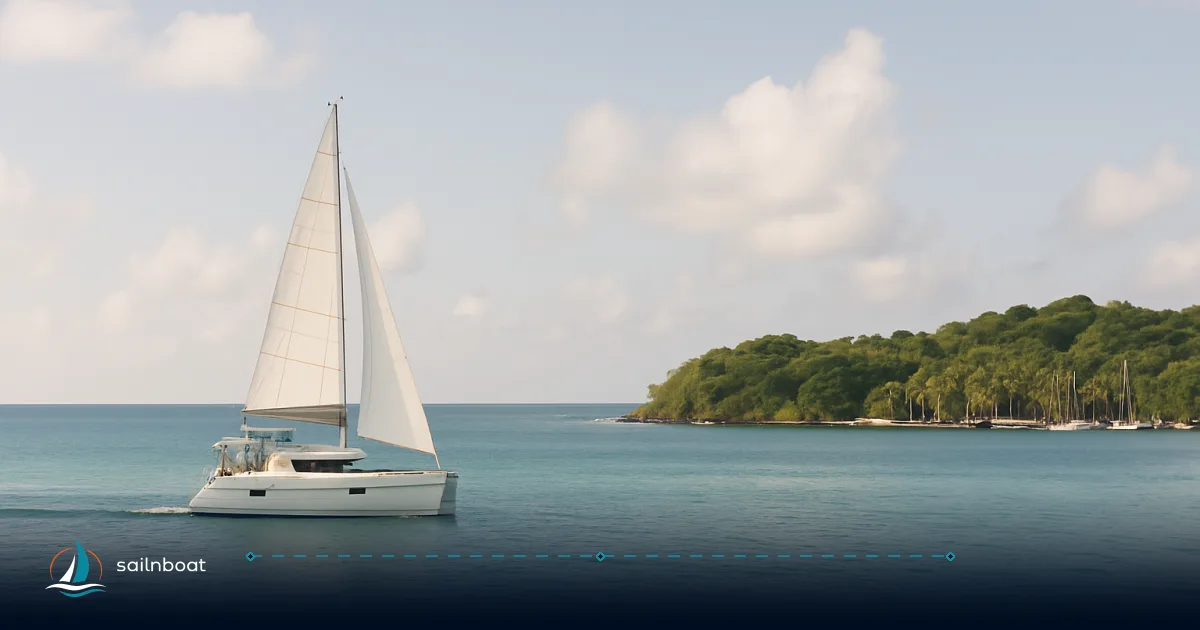
For reliable trade‑wind sailing in Guadeloupe, aim for December through April — the east‑northeast trades are steadier and rainfall is at its yearly low, which makes island‑hopping between Grande‑Terre, Basse‑Terre, Les Saintes, Marie‑Galante and La Désirade far easier.
Overview of Sailing Conditions in Guadeloupe
Guadeloupe sits on the eastern flank of the Caribbean trade‑wind belt. The islands are exposed to steady ENE trades that dominate the sailing picture from late autumn into spring; topography (volcanic Basse‑Terre versus low limestone Grande‑Terre and outlying cays) creates local wind and swell differences you must expect. The calendar is shaped by three clear tradeoffs: steady trades vs holiday crowds (winter), lighter winds with more heat and rain (late spring/summer), and hurricane‑season risk (June–November).
Climate and Geography
- Wind: the ENE trade winds are the primary driver; local sea breezes develop daily and can change gust patterns in narrow channels.
- Rain: rainfall is concentrated in the May–November season; the dry window is roughly December–April. Monthly averages vary by station and island—use the local station for detailed planning.
Monthly Wind Patterns and Sailing Conditions
Below is a practical, month‑by‑month summary you can use when planning a charter week. Wind ranges are presented as typical averages based on regional patterns and charter experience; local gusting and squalls can push numbers higher. Where possible the notes flag navigation or route choices that change with the month.
| Month | Typical wind (knots & direction) | Typical rainfall (Pointe‑à‑Pitre, mm) | Sailing notes |
|---|---|---|---|
| January | 12–20 kt, ENE (typical regional pattern) | ~89 mm | Classic winter window: steady trades, choppy open water, great downwinds to Les Saintes and Marie‑Galante. |
| February | 12–20 kt, ENE (typical regional pattern) | ~64 mm | Often the most consistent month for charters; expect reliable sea state and good visibility. |
| March | 12–18 kt, ENE (typical regional pattern) | ~68 mm | Trades start to ease late month; good balance of wind and low rain. |
| April | 10–16 kt, ENE (typical regional pattern) | ~103 mm | Shoulder month—winds moderate, some increase in afternoon convection. Good for mixed crew levels. |
| May | 10–15 kt, variable ENE/SE (typical regional pattern) | ~140 mm | Winds often lighter and more variable; afternoon squalls increase. Consider shorter hops. |
| June | 8–15 kt, variable (typical regional pattern) | ~124 mm | Start of hurricane season by calendar; trade consistency reduces and afternoon storms are common. |
| July | 8–14 kt, variable (typical regional pattern) | ~151 mm | Typically the lightest average winds of the year in many locations — navigation through channels can be calm but expect squalls. |
| August | 10–18 kt, variable; storm risk rises (typical regional pattern) | ~196 mm | Trade pattern can re‑establish temporarily, but hurricane‑season activity (tropical waves) peaks; avoid long open passages if a system is present. |
| September | 10–18 kt; highest hurricane risk (typical regional pattern) | ~207 mm | Statistically the wettest / stormiest month; plan extra days, limit exposed passages. |
| October | 10–18 kt; high storm probability (typical regional pattern) | ~223 mm | Hurricane risk remains significant; many charters avoid this month. |
| November | 10–16 kt, ENE returns (typical regional pattern) | ~201 mm | Transition month — trades often begin to reassert later in the month; availability improves toward December. |
| December | 12–18 kt, ENE — steady returns | ~139 mm | The trades re‑establish and the winter season is underway; expect busy marinas and higher charter demand. |
Wind ranges above reflect regional charter and meteorological composites (trade‑wind belt behaviour and local station averages); expect local variation by island and day—use your skipper’s weather briefing for the week.
Monthly Rainfall and Its Impact on Sailing
Rainfall affects visibility, anchoring comfort and shore activity. Use the rainfall column above to choose months for diving, hiking and shore visits.
- During December–April the rainfall totals are lower and showers are typically brief; that reduces squall risk during passages.
- From May onward, expect more frequent afternoon showers and heavier daily totals through Oct–Nov; prolonged rain can limit visibility and increase runoff into bays, degrading snorkel clarity.
Operational note: rainfall distribution is uneven across the archipelago—Basse‑Terre (windward, mountainous) is significantly wetter than the low islands (Marie‑Galante, La Désirade). Pick island sequences that suit the weather you expect (e.g., stay leeward islands when convection is frequent).
Inter‑Island Ferry Schedules and Durations
Knowing ferry options helps you plan provisioning, crew changes, and day‑visits off the boat.
Key routes and practical timings:
| Route | Typical duration | Operators / frequency |
|---|---|---|
| Trois‑Rivières ↔ Les Saintes (Terre‑de‑Haut/Terre‑de‑Bas) | Fast services ≈ 25 minutes; conventional 25–40 minutes | CTM Deher, FRS Alizés and others; multiple daily sailings in high season, variable in low season. |
| Pointe‑à‑Pitre (Bergevin) ↔ Les Saintes | ~25–40 minutes depending on route & vessel | Several operators run day‑return services; schedules change seasonally. |
| Pointe‑à‑Pitre ↔ Marie‑Galante | 30–60 minutes typical | Regular inter‑island services; check operator timetables for frequency. |
| Saint‑François ↔ La Désirade | 20–40 minutes | Local shuttles and commuter ferries; fewer sailings in low season. |
Practical ferry tips:
- Fast ferries are convenient for day trips (Les Saintes is commonly a 25‑minute crossing), but services are weather‑sensitive — rough seas can lengthen travel time or cancel crossings.
- If you need a crew change or provisioning window, schedule it with a margin for cancelled crossings; mid‑day crossings are often more reliable than late afternoon.
Marina Busyness and Charter Price Fluctuations
When you pick dates, availability and cost are as important as weather.
- Peak season: December–April (with the holiday peak around late December–early January) — marinas, moorings and charter yachts are in highest demand. Many charters and marinas recommend booking several months in advance for this window.
- Marina Bas‑du‑Fort (Pointe‑à‑Pitre) is the principal hub with extensive berth capacity and superyacht infrastructure; it gets particularly busy in winter. Expect fast turnover and limited last‑minute availability for larger berths.
- Price swings: brokers and operators report holiday/Christmas surcharges and peak premiums; industry analyses commonly show holiday surcharges and peak premiums in the order of roughly 10–25% above base peak rates for the most contested weeks, with shoulder‑season savings of similar magnitude. If you are price sensitive, consider November, May–June or early December for lower rates with still‑acceptable weather.
Booking checklist:
- Reserve slips or moorings and confirm tender/parking well in advance for Dec–Jan.
- Negotiate refundable terms where possible for hurricane season bookings (June–Nov).
Hurricane Season and Risks
The official Atlantic hurricane season runs June 1 to November 30; historically the greatest threat to Guadeloupe is in August–October when tropical waves and storms are most active.
How it affects your charter:
- Operational windows shrink: you may need to choose shorter itineraries and be prepared to shelter in recommended hurricane holes (well‑protected bays and established marinas). Local authorities and charter companies require flexible plans in named‑storm situations.
- Insurance & contracts: many charter contracts include clauses covering hurricane diversions and cancellations — ask your broker what the operator’s policy is for named storms and repositioning costs.
- Practical mitigation: avoid planning isolated long passages during the peak months; ensure access to up‑to‑date forecasts (NHC, Meteo‑France overseas bulletins) and a written evacuation plan with your charter operator.
Practical Planning Checklist (what to do, and when)
- If you want steady trades and fewer showers: book December–April; for the most consistent weeks, aim for January–March.
- If you want lower prices and fewer crowds: consider late April–June or November; expect lighter winds and some rain.
- Ferry planning: assume Trois‑Rivières ↔ Les Saintes fast ferries ≈ 25 minutes; build time buffers for cancellations.
- Marina/charter bookings: reserve at least 3–6 months ahead for standard winter weeks, 6–12 months ahead for Christmas/New Year. Expect holiday premiums.
- Hurricane contingency: if cruising June–Nov, include 3–4 extra days in your schedule, check insurance coverage for named storms, and confirm the operator’s relocation plan.
- Local admin: many operators ask for a VHF operator certificate or equivalent and expect your skipper to handle customs/immigration paperwork for short inter‑island trips—check requirements with your charter company before arrival.
Final decision guidance If your priority is comfortable downwind sailing and minimal weather‑risk, book December–April and plan popular island circuits (Pointe‑à‑Pitre → Les Saintes → Marie‑Galante → La Désirade) with firm marina reservations. If you prioritise cost savings and quieter anchorages, pick a shoulder month (May–June or November) but accept lighter winds, more afternoon showers and smaller ferry timetables.
Plan the exact week with your broker and the base manager and set a firm watch on tropical‑season forecasts if you travel between June and November. Safe planning and conservative routing keep the trip enjoyable — Guadeloupe rewards crews who match their itinerary to the month‑by‑month conditions outlined above.
Frequently Asked Questions
The northeast trades dominate: in the high season (Dec–Apr) expect typical averages around 12–20 knots from the ENE; in the summer months winds commonly drop toward 8–15 knots, though local gusts occur.
Rainfall is lowest December–April and rises from May, with the wettest months usually August–October; monthly rainfall figures commonly run from ~60–150 mm in the drier months to 150–220+ mm at peak.
Main inter‑island services (CTM Deher, FRS Alizés, Karu'/Val'Ferry and others) run daily or multiple times per day; fast crossings (Trois‑Rivières ↔ Les Saintes) are about 25 minutes, conventional ferries 25–40 minutes depending on operator and weather.
Marinas are busiest December–April, with the largest crowds around Christmas–New Year and Carnival weeks; book slips and tenders months ahead for holiday weeks.
The Atlantic hurricane season runs from June 1 to November 30; risk is highest from August to October — plan alternate dates, build in extra days, and follow the NHC/Local Météo‑France bulletins.
Written by
Sailnboat Editorial
The Sailnboat editorial desk covers yacht and boat chartering worldwide — routes, bases, seasons, boat types, paperwork and the practical costs that decide a trip. We are a charter marketplace, not a boat owner or a local agency: what we sell is judgement and support, so our guides are written to help you make a decision, not to sell you a specific boat. Every guide is checked against live operator and marina data before it goes out.
Fact-checked against live operator and marina data, and published under our editorial standards. Last reviewed: .