Best Time to Sail the Caribbean: A Month-by-Month Guide
A practical month-by-month guide to the Caribbean sailing season that gives wind ranges, sea temperatures, hurricane windows, crowd and price patterns, and island recommendations so you can book the right week for your crew.

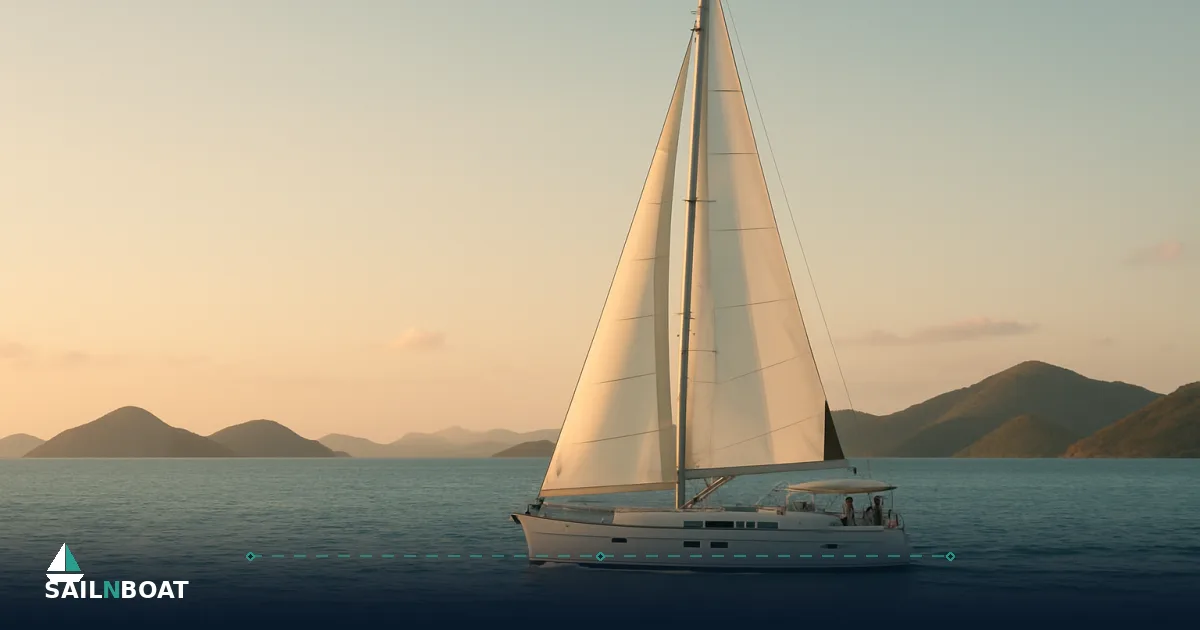
The Caribbean sailing season is not a single month but a set of predictable weather windows you can plan around: the winter trade‑wind peak (mid‑December to April) gives the steadiest sailing, while hurricane season (June 1–November 30) brings real risk and opportunity in equal measure. This month‑by‑month guide explains the typical winds, sea temperatures, crowd and price patterns, and which island groups work best at different times so you and your crew can choose the right week and the right base.
Overview of Caribbean Sailing Season
Sailing Seasons Explained
- Peak season (mid‑December to April): steady northeast trade winds, drier days and the largest charter fleet in the water; this is the operational “default” for Caribbean charters and the busiest booking window.
- Shoulder season (May and November): transitional weather, fewer crowds and materially lower prices on many boats; these months often provide a good balance of conditions and value.
- Hurricane season (June 1–November 30): the official Atlantic/Caribbean hurricane period; risk concentrates from late August into October so itinerary flexibility and insurance matter.
How to read the rest of this guide
- Numbers are regional typicals—conditions differ between the northern Bahamas, the Leeward and Windward islands, and the far southern Caribbean. Where a precise monthly value varies by island, I give representative ranges and point you to the monitoring tools you should use before departure.
January to March: Peak Season Insights
Sailing Conditions
- Wind: steady northeast trade winds are most reliable now. Expect regular winds commonly in the mid‑teens of knots on open water, with frequent gusts; sheltered channels and lee anchorages will feel lighter. Representative station climatologies show monthly averages around 8–12 knots with frequent periods above that—remember averages smooth gusts and gust-driven conditions.
- Sea temperature: comfortable—typically mid‑ to high‑20s °C (roughly 26–28 °C) across most of the Caribbean, warm enough for long swims and diving. NOAA sea surface climatologies show the basin around these values in winter.
- Sea state: generally short, well-formed swell and choppy wind waves in exposed passages; sheltered bays and reef‑protected anchorages are calmest.
Crowds and Pricing
- Demand: highest of the year. Holiday weeks (late Dec–early Jan) sell first; February–March (including school breaks) also pack the fleet. Boat availability is limited for the most popular models and bases.
- Pricing: base rates typically at their seasonal maximum; holiday weeks can add a pronounced premium above standard winter rates (Christmas/New Year weeks are the single largest premium weeks). Expect brokers to advise booking well in advance for high‑demand weeks, with some recommending booking up to a year ahead for the best selection.
Where to sail
- British Virgin Islands (BVI), Leeward Islands (Antigua, St Martin) and the central Bahamas are prime choices for sheltered day hops, short passages and many berths. These areas offer the most boats, marinas and charter infrastructure in winter.
Trade‑offs
- Best sailing and services, highest prices and crowds. If you need absolute reliability in the trades and minimal routing misses, winter is the safe bet—but pay the premium and book early.
April to June: Transition to Shoulder Season
Weather Patterns
- Wind: trades begin to ease in April and more so in May. Typical sailingconditions in April and May commonly ease into the 8–15 knot range on average, with daily variability: lighter mornings, building sea‑breeze in the afternoons and an increasing chance of short, heavy convective showers by late May and into June. Sea temperatures climb toward the high‑20s to about 29–30 °C. By June expect more frequent squalls and a greater possibility of prolonged tropical disturbances; this is the ramp‑up into the hurricane window, so watch synoptic forecasts if you plan passages longer than a day.
Crowd Levels and Pricing
- Demand: drops noticeably after Easter/spring break, especially in May. Many charter operators offer lower weekly rates and repositioning discounts in late April–May as fleets rebalance.
- Pricing: expect typical reductions of roughly 10–20% versus peak winter weeks on many base lists, though exact savings vary by boat type and base. Holiday weeks and regattas still carry premiums.
- Practical tip: if you want good weather with fewer boats, book a 7–14 day window in late April or early November and choose a fleet that keeps a base in the area rather than repositioning south.
Where to sail
- Early spring: Bahamas and Turks & Caicos still offer excellent cruising before summer weather builds.
- Late spring: the Windward Islands and the Leewards see fewer crowds and good conditions for island‑hopping. If you prefer shorter hops and protected anchorages, this is an efficient time to run classic 7–10 day loops.
Trade‑offs
- Better prices and fewer boats, but slightly less reliable trade winds and a rising chance of rain and tropical activity by June. If you need steady trades for a particular itinerary, favour early April rather than late May.
July to October: Hurricane Season Risks
Hurricane Season Overview
- Dates: the Atlantic/Caribbean hurricane season runs June 1–November 30, with historical peak activity concentrated in mid‑August through October. This is the period to plan with explicit storm contingencies.
- Risk management: many charter companies change their booking and cancellation rules in this window; travel insurance policies commonly contain clauses addressing named storms and pre‑existing advisories, so buy cover early and read storm exclusions carefully. Depending on the country and operator, bases may require additional deposits, or refuse to release boats when a tropical threat exists.
Sailing Conditions
- Wind and sea state: winds are less predictable. You can get calm, tradewind‑like weeks but also fast‑moving frontal or tropical systems that produce sustained strong winds and large swell. Expect short‑notice shifts and higher sea states—plan for heavier seas on exposed passages.
- Weather: frequent afternoon squalls and thunderstorms; visibility can fall rapidly. Lightning risk increases in squall lines.
- Suitability: this period is best suited to experienced crews comfortable with heavy weather seamanship, or to charters operating from southern bases that lie outside the primary hurricane tracks.
Operational guidance (decision‑grade)
- Choose your base with exposure in mind: the southern Caribbean (Grenadines south to Trinidad and the ABC islands—Aruba, Bonaire, Curaçao) sees fewer direct hurricane strikes historically; many operators position boats there for summer bookings.
- Insurance and contracts: insist on seeing the charter company’s written hurricane policy before you pay—what happens to deposits, crew safety plans, standby fees, and repositioning costs. Many firms offer storm‑clauses that allow flexible rebooking or partial refunds if a named storm threatens.
- Storm kit and marina selection: when booking, check whether local marinas have designated hurricane berths, heavy‑duty cleats and surge protection. If you plan to raft in an open anchorage, know that insurance implications and company approvals vary widely—get explicit written permission.
Safety measures while afloat
- Have a hurricane plan: pre‑approved safe harbours, two independent communications (VHF and satellite/phone), adequate fendering and line spares, and a fuel reserve to motor to shelter if trades collapse.
- Monitoring: commit to daily checks of official advisories from regional meteorological centres and to having a decision point—if a tropical depression is within a specified radius or advisory cone, return to base or an approved shelter.
November: Return to Shoulder Season
Sailing Conditions
- Wind: trades typically re‑establish through November; many areas settle into the 12–20 knot range by mid‑month with more consistent easterly flow.
- Sea temperature: remains warm—roughly 27–29 °C in much of the basin—so conditions are pleasant for water sports and diving.
- Weather: rainfall declines compared with summer; the frequency of tropical systems is lower than the August–October peak but not zero.
Crowds and Pricing
- Demand: quieter than December but busier than September. November is widely used by charterers seeking lower rates with near‑winter conditions.
- Pricing: still below peak winter levels; smart crews can pick up early‑season discounts on premium yachts as operators start to re‑position and top‑up fleets for December.
- Booking note: if you want a December holiday week, November is a good time to lock it in—many brokers recommend reserving prime boats and then managing prepayment schedules.
Where to sail
- November is good for the Leewards, the Bahamas and the southern Windwards if you want steady winds with fewer crowds. Repositioning weeks for fleets moving north often produce last‑minute availability on larger boats.
Booking Strategies for Optimal Deals
Timing Your Booking
- Peak winter weeks (mid‑December–April): book as early as possible for the best selection; Christmas/New Year often require the longest lead time.
- Shoulder months (May, November): you can find both advance deals and late offers; monitoring two to eight weeks out will often uncover repositioning discounts.
- Hurricane season (June–October): if you choose to charter, book with operators who publish clear storm policies and who operate from southern bases; expect flexible cancellation terms to cost more or require higher deposits.
Choosing Your Destination
- Match the island group to the month: winter for BVI/Leewards/Bahamas, shoulder months for flexible itineraries, summer for southern Caribbean if you accept trade‑offs.
- Avoidable crowds: if you want fewer boats without a weather penalty, pick lesser‑traveled anchorages in established cruising grounds rather than remote islands that lack services.
Contract and cost checklist (decision items to review before you sign)
- Hurricane/storm cancellation policy and refund calendar.
- Advance Provisioning Allowance (APA) norm for your charter type—many bareboat and skippered charters use a 20–30% APA to cover fuel, provisioning and marina fees, though practices vary.
- Damage deposit and insurance excess amounts; ask what frigate fees or marina surcharges apply in peak weeks.
- Check‑in/out times—most bases have morning check‑in (often around 09:00) and return times in the afternoon; these vary by operator and season.
Practical booking tactics
- Use a broker to compare operators’ storm policies and fleet positioning; a knowledgeable broker can save you money and reduce risk.
- Negotiate refundable deposits or staged payments in hurricane season.
- For groups with schedule flexibility, shortlist two adjacent weeks (one primary, one backup) to reduce weather‑related cancellations.
Final operational tips for crews
- Chart and monitor: file a sensible coastal passage plan and check regional meteorological services daily in hurricane season.
- Provision smart: store extra water, diesel and medical supplies if you are cruising outside major bases.
- Communication: ensure at least one working satellite or GSM backup for areas with limited VHF coverage.
Plan your Caribbean sailing adventure with Sailnboat today. Choose your month with a clear trade‑off in mind—reliability and service in winter at a premium, better value and fewer crowds in shoulder months, and selective southern cruising if you want summer options—and use a broker to compare storm policies and real operational details before you commit.
Frequently Asked Questions
Wind and sea state vary by island group. During peak winter trades (Dec–Apr) expect steady easterly winds commonly in the mid-teens of knots with regular gusts; shoulder months see lighter, more variable winds; summer and early autumn are more variable with higher sea states possible—check local station climatologies before you go.
Hurricane season officially runs from June 1 through November 30; historically the highest activity is mid‑August through October, so plan carefully if you travel in that window.
Peak winter (mid‑December–April) is busiest and most expensive—holiday weeks carry the largest premiums; shoulder months (May, November) typically yield 10–30% lower rates and fewer crowds; June–October can offer deep discounts but carries weather and insurance trade‑offs.
Winter (Dec–Mar): BVI, Leewards, Bahamas; Spring (Apr–Jun): Bahamas, Turks & Caicos, Windwards; Hurricane season (Jul–Oct): southern Caribbean and ABC islands are comparatively safer; November is a return to steadier trades—book early for winter repositioning weeks.
For holiday and peak weeks book 6–18 months ahead; use shoulder months for flexible last‑minute deals; during hurricane season buy travel insurance early, choose southern/insurer‑approved bases, and prefer operators with clear storm‑cancellation and repositioning policies.
Written by
Sailnboat Editorial
The Sailnboat editorial desk covers yacht and boat chartering worldwide — routes, bases, seasons, boat types, paperwork and the practical costs that decide a trip. We are a charter marketplace, not a boat owner or a local agency: what we sell is judgement and support, so our guides are written to help you make a decision, not to sell you a specific boat. Every guide is checked against live operator and marina data before it goes out.
Fact-checked against live operator and marina data, and published under our editorial standards. Last reviewed: .