Sailing Weather Forecast Corfu: Monthly Guide to Winds & Conditions
A practical month-by-month briefing on Corfu’s winds, swell, sea and air temperatures plus crowd and marina notes so you can choose the best month and sail safely.

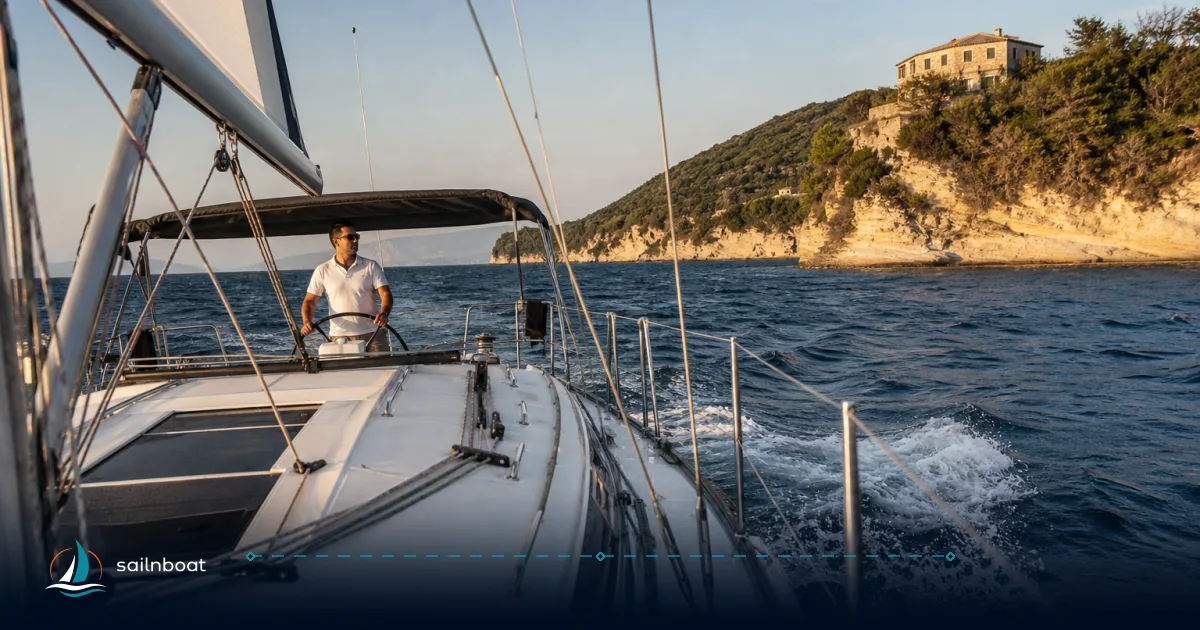
Corfu’s sailing weather forecast shows a clear seasonal split: calm, warm, low‑swell conditions dominate late spring–summer while autumn and winter bring most rain, stronger winds and the highest swell. Use this month‑by‑month guide to match your charter goals (swimming, island‑hopping, sheltered cruising) with the realistic wind, swell, sea‑temperature and crowd picture.
Overview of Corfu's Sailing Climate
Climate Characteristics
- Mediterranean with a strong west‑coast (Ionian) influence: long, dry, warm summers and mild, wet winters. Time‑series climatologies and local station data show Corfu receives substantially more annual rain than many other Greek islands, concentrated in Oct–Mar.
- Summer sailing character: thermally driven sea breezes that build in the afternoon, usually weaker and less persistent than the Aegean meltemi, producing comfortable sailing conditions inshore. Winter character: passing cyclones bring stronger, more variable winds and higher swell.
- Practical sailing season: most charters operate from late April through October; the warmest water and most settled weather for swimming is June–September.
Monthly Breakdown of Sailing Conditions
Below is a compact, decision‑grade table you can use when choosing charter dates. Air means are taken from local climate normals; sea temperatures and rainy‑day counts are long‑term averages. Use the row notes for operational detail (wind remarks, crowd windows and safety points).
| Month | Mean air (°C) | Mean sea (°C) | Rainy days (avg/month) | Typical winds & sea state (operational note) |
|---|---|---|---|---|
| January | 10°C. | 16°C. | about 12 days. | Winter cyclones: variable SW–W–N winds, higher swell; choose sheltered anchorages and avoid exposed overnight legs. |
| February | 10°C. | 14–15°C. | ~10 days. | Similar to Jan; occasional strong southerlies; marina services reduced in off‑season. |
| March | 12°C. | ~15°C. | ~10 days. | Transition month: variable winds, spring storms possible—watch frontal passages. |
| April | 15°C. | ~16°C. | ~8 days. | Sea breezes begin; quieter marinas before the charter rush—good for flexible itineraries. |
| May | 20°C. | ~19°C. | ~5 days. | Reliable warm days, modest afternoon W/NW breezes—excellent for mixed sailing and island stops; provisioning good. |
| June | 24°C. | ~22°C. | ~3 days. | Sea breezes stronger by mid‑month; inshore waters typically calm early, building to steady afternoon breeze—ideal for family charters. |
| July | 26°C. | ~25–26°C. | ~2 days. | Peak season: warm, regular afternoon W/NW sea breezes; marinas very busy—book berths and provisioning before arrival. Local gusts to 20–30 kt are possible in exposed passes. |
| August | 27°C. | ~25°C. | ~3 days. | Very similar to July. Expect highest daytime temperatures and crowded anchorages; early departures and late returns reduce harbour congestion. |
| September | 23°C. | ~24°C. | ~7 days. | A high‑value month: warm sea, fewer crowds after early Sept, with rising chance of autumn squalls late in the month—good compromise month. |
| October | 19°C. | ~22°C. | ~10 days. | Start of the wet season; stronger swells and more variable winds—sheltered cruising recommended, watch frontal forecasts. |
| November | 15°C. | ~19°C. | ~12 days. | Wettest month historically; marina services reduce and some operator bases close—plan for sheltered passages and flexible itineraries. |
| December | 11°C. | ~17°C. | ~13 days. | Winter storms are most frequent; expect higher swell (seasonal peaks) and strong, variable winds—winter cruising is specialist territory. |
Notes on the data above:
- Mean air temperatures and monthly precipitation are from long‑term station averages.
- Sea temperatures and seasonal ranges are from satellite/buoy‑based marine products. Expect near‑shore variability after heavy rain or following prolonged wind events.
- Rainy‑day counts are derived from climate reanalyses/long‑term normals; short‑term weather can deviate significantly.
Safety Considerations for Sailing in Corfu
Afternoon Gusts and Short Squalls
What to watch for:
- Afternoon sea breezes: thermal W/NW or westers that build from light morning breeze to a stronger breeze by early‑mid afternoon; in narrow channels and leeward of high ground the breeze can accelerate to short‑lived gusts. Local reports show gusts of 25 kt or more at exposed points on otherwise moderate days.
- Short convective squalls: late summer and autumn can produce fast‑moving convective cells that deliver 30–40 kt gusts for short periods—these are usually brief but violent; don’t assume heat of the day guarantees calm.
- Winter storm fronts: broader wind shifts and longer‑lasting rough seas and swell—avoid exposed transits if a naval weather bulletin shows a passing cyclone.
Recommended operational measures:
- Reef early and reduce sail area before the coast shows the first signs of strengthening wind or approaching squall; reefing at 15–18 kt in exposed waters is commonly prudent. (How early you reef depends on boat type and crew experience.)
- Choose lee anchorages and use multiple hawsers when the forecast indicates gusty offshore winds; favour natural harbours (Gouvia/Benitses/Kontokali areas) when conditions deteriorate.
- Monitor local forecasts and bulletins: many Corfu charter bases run a daily 13:30 weather briefing (local frequency noted in base information), and marinas publish local advice for strong‑wind days. Carry a reliable marine forecast source and tune VHF for warnings.
- For short squalls, maintain a ready head‑sail reef and keep engine in gear when inside narrow channels—sudden gusts off mountains are a known local hazard.
Crowd Levels and Marina Availability
Peak vs off‑peak
- Peak tourist and charter demand: June–August, with July–August busiest. Expect crowded anchorages at popular day‑stop beaches and full marina fingers in Gouvia and the main harbours; plan reservations and skip crowded midday manoeuvres where possible.
- Best months to avoid heavy crowds while retaining good weather: late May–early July and September–early October—these windows balance sea warmth, moderate winds and lower marina pressure.
- Off‑season (Nov–Mar): marinas remain open in main bases but some charter services and provisioning options will be limited; several operators reduce their schedules.
Tips for securing a berth and avoiding congestion
- Book in advance for July–August—reserve at least several weeks to a few months ahead for popular marinas and catamaran berths; finalise provisioning slots and tenders early. (Lead time depends on charter type and operator.)
- Time harbour approaches outside 11:00–16:00 where possible—many yachts move mid‑day, adding congestion at fuel piers and walk‑ashore restaurants. Early-morning or late-evening moves ease berthing.
- Use smaller, sheltered anchorages or municipal harbours on busy days; larger marinas (Gouvia) are the primary entry points for customs, provisioning and technical support.
Conclusion and Practical Tips
Final recommendations
- If your priority is warm sea and predictable local breezes with family‑friendly conditions: aim for late May–mid June or September. These months give warm water, reasonable winds and fewer marina queues.
- If you want the liveliest island scene and don’t mind crowds: July–August delivers the warmest air/sea and reliable afternoon breezes but requires earlier booking and disciplined route planning.
- If you plan a winter or shoulder‑season trip: accept more variable weather, higher swell and less marina service—plan sheltered passages, shorter daily legs and flexible itinerary windows.
Real‑time resources to keep to hand
- Local marine forecasts and model outputs (METEO services, Windfinder/Windy), Gouvia marina bulletins and your charter base briefing are essential pre‑departure checks; daily forecasts can change the best choice of destination or anchorage within hours.
Plan with weather windows in mind, give yourself buffer time for afternoon gusts and squalls, and prioritise sheltered anchorages on forecasted unsettled days—do that and Corfu delivers one of the most flexible, year‑round cruising grounds in western Greece.
(Internal anchors for more planning detail: Corfu sailing tips — Best marinas in Corfu — Weather forecasts for sailing)
Frequently Asked Questions
Mean air temperatures run roughly 10°C in winter (Jan–Feb), 15–20°C in spring (Mar–May), 24–27°C in summer (Jun–Aug) and back to ~19°C in October; sea temperatures rise from about 15–16°C in winter to 24–25°C at the August peak. (Monthly averages vary year to year.)
Wet season months (Oct–Mar) average about 8–13 rainy days per month, with November/December the wettest; summer months (Jun–Aug) typically see 2–4 rainy days. Year-to-year swings are common.
Corfu has lighter average winds than the Aegean: winter winds are stronger and more variable (SW–W–N sectors), while summer typically produces a west/north‑west afternoon sea breeze that commonly ranges from light to moderate strength; exposed locations can see gusts to 25–30 kt on some days.
Significant wave heights are typically below 1 m in summer in the northern Ionian; winter months bring the highest mean waves (often 1.2–1.8 m in the wider Ionian). Local fetch and storms determine extremes.
Peak season is June–August (highest boat and tourist numbers in July–August). Gouvia and the main marinas are busiest then; book berths and provisioning at least several weeks to months ahead for July–August.
Monitor daily forecasts and local briefings, reef earlier than you think, use sheltered anchorages on forecasted blow days, keep a sharp lookout for fast-moving convective cells and secure loose deck gear to avoid damage during brief high gusts.
Written by
Sailnboat Editorial
The Sailnboat editorial desk covers yacht and boat chartering worldwide — routes, bases, seasons, boat types, paperwork and the practical costs that decide a trip. We are a charter marketplace, not a boat owner or a local agency: what we sell is judgement and support, so our guides are written to help you make a decision, not to sell you a specific boat. Every guide is checked against live operator and marina data before it goes out.
Fact-checked against live operator and marina data, and published under our editorial standards. Last reviewed: .