Sailing Weather Forecast UK: Month-by-Month Guide
A practical month-by-month sailing weather forecast for UK coastal cruising: when to go, what to expect from winds and sea state, how spring/neap tides change your route, and the safest months for novice skippered charters.

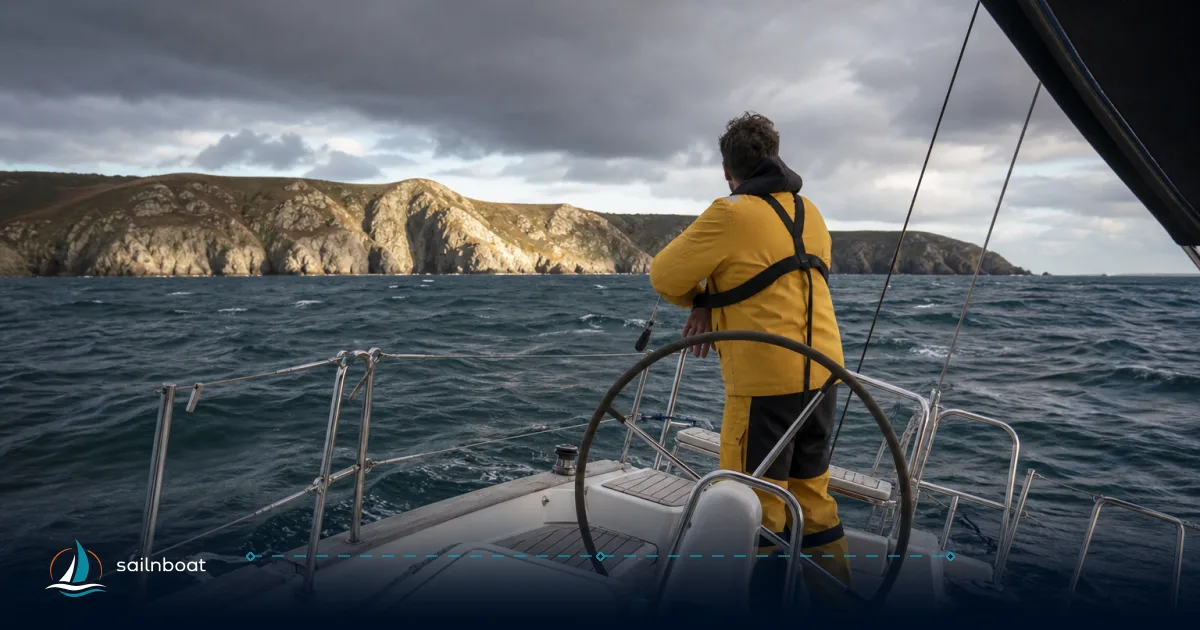
The most useful truth up front: for most UK coastal cruising you should plan a skippered trip during the spring–summer window (roughly April–September), and favour the shoulder months (April–June, or September) for calmer seas, more daylight and fewer strong Atlantic storms. That is when winds are often lighter, sea temperatures higher and tidal timing is easiest to manage — but you must still plan passages around spring tides, local tidal races and known anomalies (Solent/Poole/Southampton, Portland Race, Severn/Bristol Channel).
Optimal Months for Coastal Sailing in the UK
Below is a compact month-by-month summary and a quick reference table so you can decide when to book a skippered cruise. The table is written for UK coastal cruising in general — local microclimates (Scotland vs Cornwall) change the details.
| Month(s) | Typical coastal air temp (coastal range) | Typical sea temp / note | Prevailing wind / sea state | Practical notes for planning |
|---|---|---|---|---|
| January–March | ~3–8°C; still cold and changeable. | Sea typically cold (single digits–low teens °C). | Atlantic depressions frequent — strongest gales of the year. | Limited daylight; frequent cancellations; not recommended for casual coastal charters. |
| April–June | ~8–16°C; warming quickly in May–June. | Sea warming into low–mid teens °C; coastal lag means water warms later than land. | Variable — often light in settled anticyclones, sea breezes develop by midday. | Shoulder season: many charter bases reopen fully, fewer crowds, good for novice skippered trips. |
| July–September | ~15–22°C on many coasts in warm spells (lower in north). | Warmest sea temps (English Channel often mid–high teens; occasional 18–20°C at some south-coast sites). | Generally more settled but Atlantic lows can still produce gales; sea breezes common. | Peak cruising season: busiest marinas and anchorages; best daylight; choose early/late July and August carefully for weather windows. |
| October–December | ~5–15°C; cooling through October to December. | Sea cooling but holds warmth into autumn; conditions can be rough. | Increasing frequency and severity of Atlantic storms; shorter daylight. | Expect higher cancel/delay risk, stronger winds and bigger seas; use for training, deliveries or experienced crews only. |
Notes on the table: those temperature ranges are typical coastal values and vary by region (West Coast and English Channel differ). Daylight varies strongly by month (under 8 hours in mid-December vs ~16–17 in June); plan early/late passages with that in mind.
January to March
Expect cool air and sea temperatures, short daylight, and a higher chance of Atlantic lows and gales. These months are useful only for experienced crews or maintenance/delivery work — charters are rarer and more likely to be postponed. If planning in this window, choose sheltered waters (inner harbours, estuaries) and keep daily passages short with conservative weather limits.
April to June
This is the most practical time to start scheduling skippered-crew charters. Spring builds into more frequent anticyclonic spells, daylight increases rapidly and sea temperatures climb through May–June. Wind is still variable — you will commonly see light to moderate winds in the morning with a sea breeze developing by midday on warm days; plan for a 24–48 hour weather window for any exposed passage.
July to September
Warmest and busiest months. Cruising here gives the best chance of calm conditions and long daylight but does not remove the risk of Atlantic depressions — you must still watch synoptic forecasts for frontal systems that can bring short but strong gales. Expect crowded anchorages and higher marina rates.
October to December
Autumn sees a rise in storm frequency and wind strengths. Shorter daylight and heavier seas make exposed coastal passages harder and riskier; reserve these months for experienced crews, deliveries or local sheltered cruising.
Impact of Spring and Neap Tides on Sailing Routes
Understanding the spring–neap cycle is fundamental to UK passage planning: it changes both water heights and current strength and therefore your available windows for shallow entrances, bars and tidal races.
Understanding tidal patterns
- Spring tides: occur around new and full moon, produce the largest tidal ranges (higher highs, lower lows) and therefore the strongest tidal streams. They appear roughly every two weeks.
- Neap tides: occur near first and third quarter moons and give the smallest tidal range and weaker tidal streams. These are often the safer windows for tricky channel transits.
ADMIRALTY EasyTide (UK Hydrographic Office) is the authoritative free source for UK port predictions and should be part of your pre-trip planning pack; it also shows tidal curves so you can see how long high water stands or double peaks last.
Planning your route with tides
- Use spring tides to get access to shallow harbours/creeks that dry at neaps — but plan the transit so you use the assisting stream rather than fighting it. Strong assisting streams can halve passage time; opposing streams can make progress impossible.
- Choose neap tides for narrow channels, complicated tidal diamonds, or where long stands/double highs exist — weaker currents reduce set and save fuel/time.
- For tidal races and headland roundings (Portland Race, Needles, some channel off-lying shoals): plan to pass on an assisting tide and leave a comfortable safety margin (extra daylight and reduced sea state). Chart tidal stream flows and local pilot notes are essential.
Practical gating: for many coastal legs you want slack water within your daylight window and an assisting 1–2 hours either side. For tidal gates longer than ~3–4 hours (macro-tidal estuaries), plan conservative crew/rest margins.
Seasonal Weather Patterns Affecting UK Coastal Sailing
Weather patterns in the UK are dictated by its maritime setting and the North Atlantic jet stream. Expect variability, and build flexible itineraries.
Spring weather patterns
Spring usually brings improving averages and longer days but also large variability: cold spells can persist early in the season and frontal systems deliver rainy, windy days. For skippered charters this is an advantageous balance of milder seas and manageable winds — just keep a 48–72 hour plan B.
Summer weather patterns
Summer gives the best chance of long, calm windows. Anticyclones give settled conditions and sea breezes will commonly build in the afternoon; however, Atlantic lows can still cross and bring short gales — these are usually well forecast so you have time to rearrange. Sea temperatures reach their seasonal high in late summer, which improves swimming and tender use.
Autumn and winter weather patterns
From October the Atlantic storm track intensifies. Autumn brings the highest frequency of impactful storms (named storms by Met Office group) and rapidly shortening daylight — both reduce safe window lengths for coastal runs. Winter has the strongest winds and the largest swell, so reserve these months for experienced crews only.
Tidal Anomalies and Their Implications for Navigation
Tidal anomalies are localised features that make the simple "two highs, two lows" picture misleading. Learn the local quirks for any area you plan to visit.
Common tidal anomalies
- Double high waters / prolonged stands: a high-water curve with two peaks or a long period at (or near) high water. This changes where slack water falls and can turn a normally safe transit into a dangerous one if you rely on published 'first high' only. Examples occur in the Solent, Poole/Christchurch Bay and parts of Cornwall.
- Localised amplified ranges (resonant estuaries): the Severn/Bristol Channel produces much larger spring ranges than neighbouring coasts — this affects beaching, drying ground and access windows.
- Tidal races and overfalls: where currents converge over irregular seabed, producing steep, confused seas (Portland Race is a classic example). These are weather- and tide-dependent and can occur even on otherwise calm days.
Examples from specific locations (what to watch for)
- Solent, Southampton and Poole: the Solent and adjacent bays are famed for double high waters and long flood stands; slack can be delayed and ebb flows may be short and strong — time your marina approaches accordingly.
- Poole Harbour / Christchurch Bay: double highs and the local shallow-water dynamics make tidal timing variable — small changes in timing can change whether an entrance is passable.
- Falmouth / River Fal: the Fal has estuarine resonance and can show prolonged high stands and strong local eddies in narrows; Admiralty tidal curves and local pilot notes are crucial.
- Severn/Bristol Channel: extremely large spring ranges (up to c.14 m in upper estuary) create rapid and extensive drying and very strong currents — this area requires specialist local knowledge and careful tide planning.
- Portland Race: strong streams and steep seas can produce dangerous conditions; small craft passage should use the inside passage when possible and only transit the race on a favourable tide.
Operational rule: wherever a double high, prolonged stand or strong race is known, consult Admiralty tide curves (UKHO EasyTide) and the relevant pilot or harbour authority notes — adjust arrival/departure times to the second high or the actual slack period shown on the local tidal curve.
Safety Considerations for Novice Sailors
Pick months and routes that reduce exposure: shorter passages, sheltered anchorages and predictable tidal patterns.
Best months for novice sailing
- April–June and September are the most novice-friendly: winds are often moderate, daylight is generous and marinas/harbour facilities are fully open without the peak crowds of July–August. Many charter operators recommend these shoulder months for skippered charters.
Essential safety tips
- Always consult ADMIRALTY EasyTide or the UKHO tidal predictions for the specific port and compare the tidal curve with tidal stream atlases where available.
- Use the Met Office marine forecasts and local VHF broadcasts for short-term synoptic changes; check forecasts the day before and on the morning of departure.
- Avoid exposed headlands and well-known races (Portland Race, Needles, Bristol Channel) unless you have local pilotage and a clear tide gate; do not try to 'beat' an adverse tide.
- Plan shorter daily legs with safe havens and marinas close by; reserve one day in each 4–5 for weather contingency. Most charter skippers plan to have a clear refuge within a couple of hours’ sail of any proposed passage.
Planning Your Skippered Trip
A skippered charter is great for UK coastal cruising because the skipper carries local pilotage experience and can react to fast-changing weather and tides. Here’s how to plan to get the most reliable weather window.
Choosing the right charter and base
- Pick a base close to the type of coast you want to cruise: the Solent for short sheltered hops and many marinas; South Cornwall for island-hopping and the Scillies; Poole/Peveril for sheltered anchorages; west Wales for quieter macro-tidal scenery. Match the skipper’s local experience to the chosen area.
- Check operator policies on weather cancellations, what happens to your money if a planned passage is postponed and whether the skipper will insist on a particular tide gate. These policies vary by company.
Itinerary planning and flexibility
- Build each day around a conservative tidal gate and a 48–72 hour weather window for any exposed passage. That means if you must cross an exposed headland, wait for 24–48 hours of settled forecast centred on an assisting tide.
- Include safe ports and an emergency haven within your planned leg (harbour with pontoon space or a well-sheltered anchorage). If crossing channels or rivers with complex tidal patterns, allow extra time for delayed slack due to double highs or stands.
- Consider booking a skippered delivery-style day or an extra night before any tidal gate so the skipper can choose the best tide and sea state.
Checklist before embarkation:
- Printed and electronic local Admiralty tidal curve for your ports.
- Met Office marine forecast and a briefed 72-hour plan B.
- Clear brief from the skipper on expected daily miles, tide gates and contingency moorings.
- Adequate foul-weather clothing and lifejackets for every passenger; the sea feels colder than the air, and conditions can change quickly.
Final operational note: the UK has excellent real-time resources (UKHO/Admiralty EasyTide, Met Office marine forecasts, local harbour authorities). Use them repeatedly during planning and while afloat. If you rely on a single source you risk missing local quirks (double highs, stands or race timing) that make a safe passage unsafe.
Ready to plan? Book a skippered charter in a shoulder month (April–June or September) to maximise calm weather windows and daylight, and bring the skipper’s local knowledge to manage tides and anomalies.
Frequently Asked Questions
The main cruising window is roughly April–September, with June–August usually warmest and most settled; shoulder months (April–June, September) are often best for skippered or novice charters.
Spring tides (new/full moon) bring larger ranges and stronger currents — useful for accessing shallow creeks but hazardous through races; neap tides give smaller ranges and weaker streams, making narrow channels easier.
Spring brings variable winds and improving days; summer is the mildest with more anticyclones but occasional Atlantic depressions; autumn and winter bring the strongest Atlantic storms and shorter daylight.
Tidal anomalies are local departures from a simple twice-daily tide (examples: double high waters, prolonged stands). They change slack-water timing and current duration and can expose or hide drying ground unexpectedly.
April–June and September are the most suitable months for novices because winds are typically lighter than winter and the sea state is usually less energetic than late-autumn storms.
Written by
Sailnboat Editorial
The Sailnboat editorial desk covers yacht and boat chartering worldwide — routes, bases, seasons, boat types, paperwork and the practical costs that decide a trip. We are a charter marketplace, not a boat owner or a local agency: what we sell is judgement and support, so our guides are written to help you make a decision, not to sell you a specific boat. Every guide is checked against live operator and marina data before it goes out.
Fact-checked against live operator and marina data, and published under our editorial standards. Last reviewed: .